“To conserve Bwindi Impenetrable National Park for its exceptional biodiversity, such as the critically endangered Mountain Gorilla and other endemic species and its fragile ecosystem, that is also an important water catchment area among other ecosystem services, for the benefit of the local, national and the global community.”
Uganda Wildlife Authority — Official Management Purpose, General Management Plan 2014–2023
Why Bwindi Matters: Eight Conservation Values
Uganda Wildlife Authority's General Management Plan 2014–2023 identifies eight core reasons why Bwindi Impenetrable National Park carries exceptional conservation importance. These are the official values that underpin every management decision made in the park — from tourism quotas to community programs to anti-poaching strategy.
Endangered Species Habitat
Primary habitat for the endangered mountain gorilla, whose global population is split between Bwindi and the Virunga Massif. Nearly half the world's remaining mountain gorillas depend on this single forest.
Pleistocene Refugium
Bwindi survived the last Ice Age when most African forests retreated to small fragments. This makes it a genetic ark — a living laboratory for evolutionary studies and the principal scientific reason it was designated a UNESCO World Heritage Site.
Water Catchment and Retention
Five major rivers originate within the park's boundaries and flow into Lake Edward in the Albertine Rift. Bwindi acts as a water tower for surrounding districts, regulating flow and sustaining agriculture, livestock, and domestic water supplies.
Albertine Rift Endemism
The park protects the largest proportion of Albertine Rift endemic species of any single site in the region — the zone with the highest concentration of endemic vertebrates on the African continent.
Aesthetic and Scenic Values
Bwindi's steep mist-filled ridges, layered canopy, and dramatic topography produce landscape of outstanding natural beauty. This aesthetic quality underpins the tourism economy and is formally recognized under UNESCO criterion (vii).
Biodiversity Hotspot
A globally significant biodiversity hotspot. Three butterfly species occur only in Bwindi and nowhere else on Earth. The intact Afromontane forest is among the most fragile and irreplaceable ecosystems on the continent.
Climate Stabilization and Carbon Sink
Bwindi's old-growth trees, dense biomass, and thick soils constitute a significant carbon reservoir. The forest moderates local and regional climate, and its continued integrity is a direct contribution to global climate stability.
Cultural Heritage
The forest holds deep cultural and spiritual significance for the Batwa people, who lived within it as hunter-gatherers for centuries, and for the neighboring farming communities whose identity and livelihoods are inseparable from the landscape.
Source: Uganda Wildlife Authority General Management Plan 2014–2023 (official document).
History of the Forest
Bwindi Impenetrable National Park is not merely old. It is ancient in a way that defies easy comprehension. Palynological studies of sediment cores from the region confirm that this forest has persisted continuously for at least 25,000 years, making it one of the few African rainforests to survive the severe arid conditions of the last glacial maximum. While most tropical forests on the continent shrank to scattered fragments during the Pleistocene, Bwindi endured, a green ark adrift in a drying world.
This extraordinary persistence is the scientific foundation of Bwindi's status as a Pleistocene refugium. When temperatures dropped and rainfall declined during the last Ice Age, African forests retreated toward the equatorial coast, leaving most of the interior denuded. Bwindi was among the rare forest islands that held. Species displaced from collapsing forests elsewhere found sanctuary here, and over millennia the isolation and altitudinal range of the forest drove the evolution of endemic forms found nowhere else on Earth. The accumulation of this evolutionary history — the sheer depth of biological time embedded in the forest — is the primary reason UNESCO granted Bwindi World Heritage designation. It is not merely a forest. It is a genetic archive.
This extraordinary persistence shaped the forest into a biological refugium of global significance. Species that were displaced from shrinking forests elsewhere found sanctuary here, and over millennia, the isolation and altitudinal range of Bwindi drove the evolution of endemic forms found nowhere else on Earth. The forest you see today is not a reconstruction. It is the living descendant of the same ecosystem that sheltered life through one of the planet's harshest climatic episodes.
For centuries, the Batwa people lived within this forest as hunter-gatherers, possessing an intimate knowledge of its plants, animals, and rhythms. European explorers encountered the forest in the early twentieth century and noted its near-impassable density, a characteristic that gave it the name “Impenetrable.” The British colonial administration established the area as the Kasatoro and Kayonza Crown Forest Reserves in 1932, primarily to protect its watershed functions.
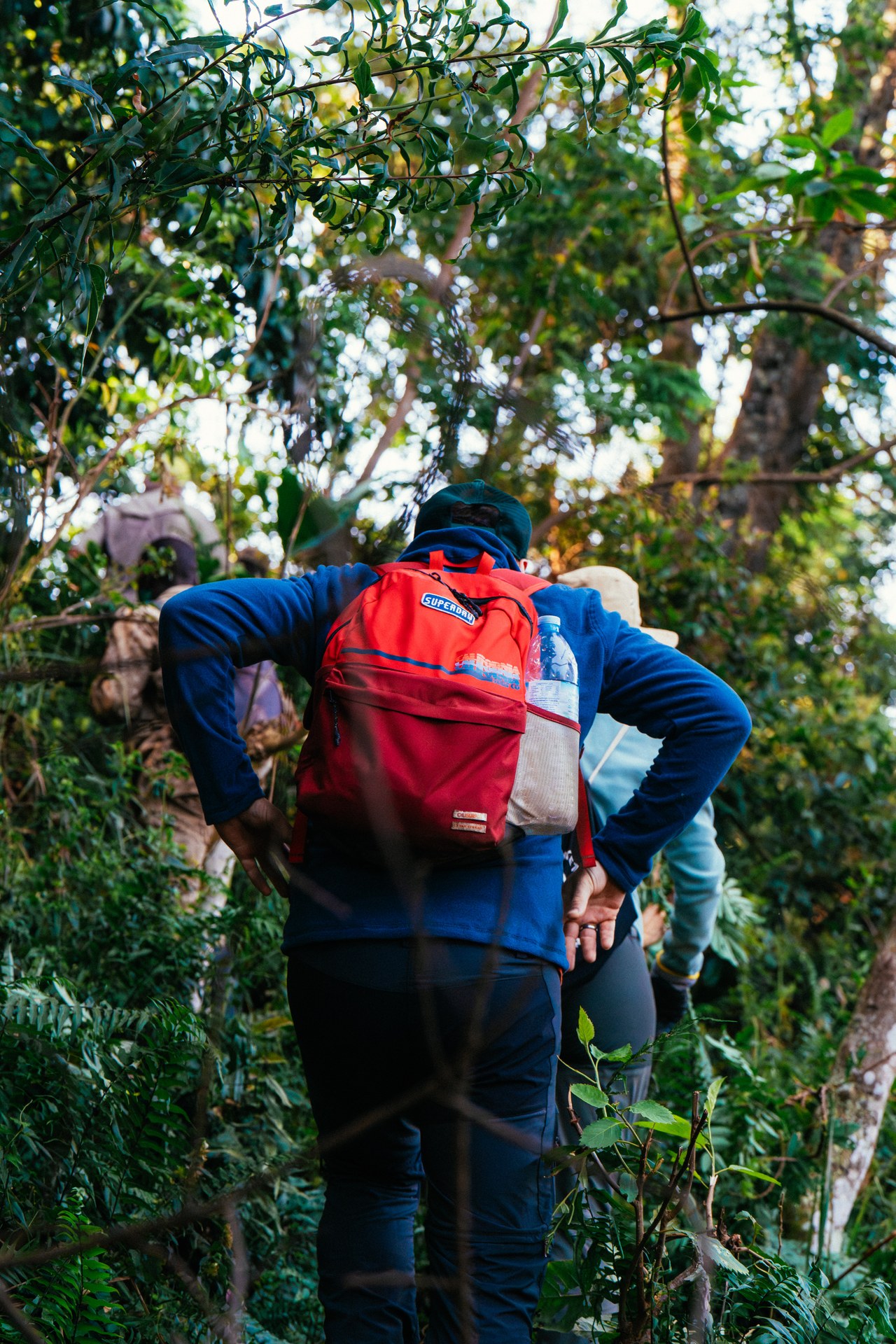
In 1991, the area was reclassified and gazetted as Bwindi Impenetrable National Park, bringing it under the protection of what would become the Uganda Wildlife Authority. The establishment of the park was not without controversy: the Batwa were relocated from the forest, a displacement whose social consequences continue to reverberate today. Gorilla tourism began in 1993 with the habituation of the Mubare group near Buhoma, marking the start of a program that would eventually become a cornerstone of Uganda's wildlife economy.
UNESCO World Heritage Status
In 1994, the United Nations Educational, Scientific and Cultural Organization inscribed Bwindi Impenetrable National Park as a World Heritage Site. The designation recognized the park under two criteria: criterion (vii), for containing superlative natural phenomena and areas of exceptional natural beauty, and criterion (x), for containing the most important natural habitats for in-situ conservation of biological diversity.
The UNESCO listing placed Bwindi alongside the world's most treasured natural places and brought with it both international attention and a framework for conservation management. The inscription acknowledged Bwindi's role as a critical habitat for the endangered mountain gorilla, but the designation extends well beyond a single species. The committee recognized the forest's exceptional species richness, including its concentration of Albertine Rift endemics, plants, birds, butterflies, and mammals found only in this narrow geological corridor of eastern Africa.
World Heritage status brought practical consequences. International monitoring mechanisms, periodic reviews, and the expectation of management plans have helped maintain conservation standards. The designation has also attracted funding from the Global Environment Facility, the World Bank, and numerous conservation NGOs, channeling resources toward both ecological protection and community development in the buffer zones surrounding the park.
Geography and Landscape
Bwindi lies at the edge of the Albertine Rift Valley in south-western Uganda, straddling the districts of Kisoro, Kabale, Rubanda, and Kanungu. The park encompasses 321 square kilometres of steep, deeply dissected terrain where altitude ranges from 1,160 metres in the northern river valleys to 2,607 metres at the summit of Rwamunyonyi, the park's highest peak. This vertical span of nearly 1,500 metres across a relatively compact area produces a remarkable gradient of habitats and microclimates.
The landscape is defined by a series of steep ridges and narrow valleys, carved over millennia by rivers that drain the western slopes of the Rift escarpment. Five major rivers originate within the park's boundaries, flowing westward through the Rift to feed Lake Edward. This hydrological function is critical: Bwindi acts as a water tower for the surrounding region, regulating flow and maintaining water quality for communities and ecosystems downstream.
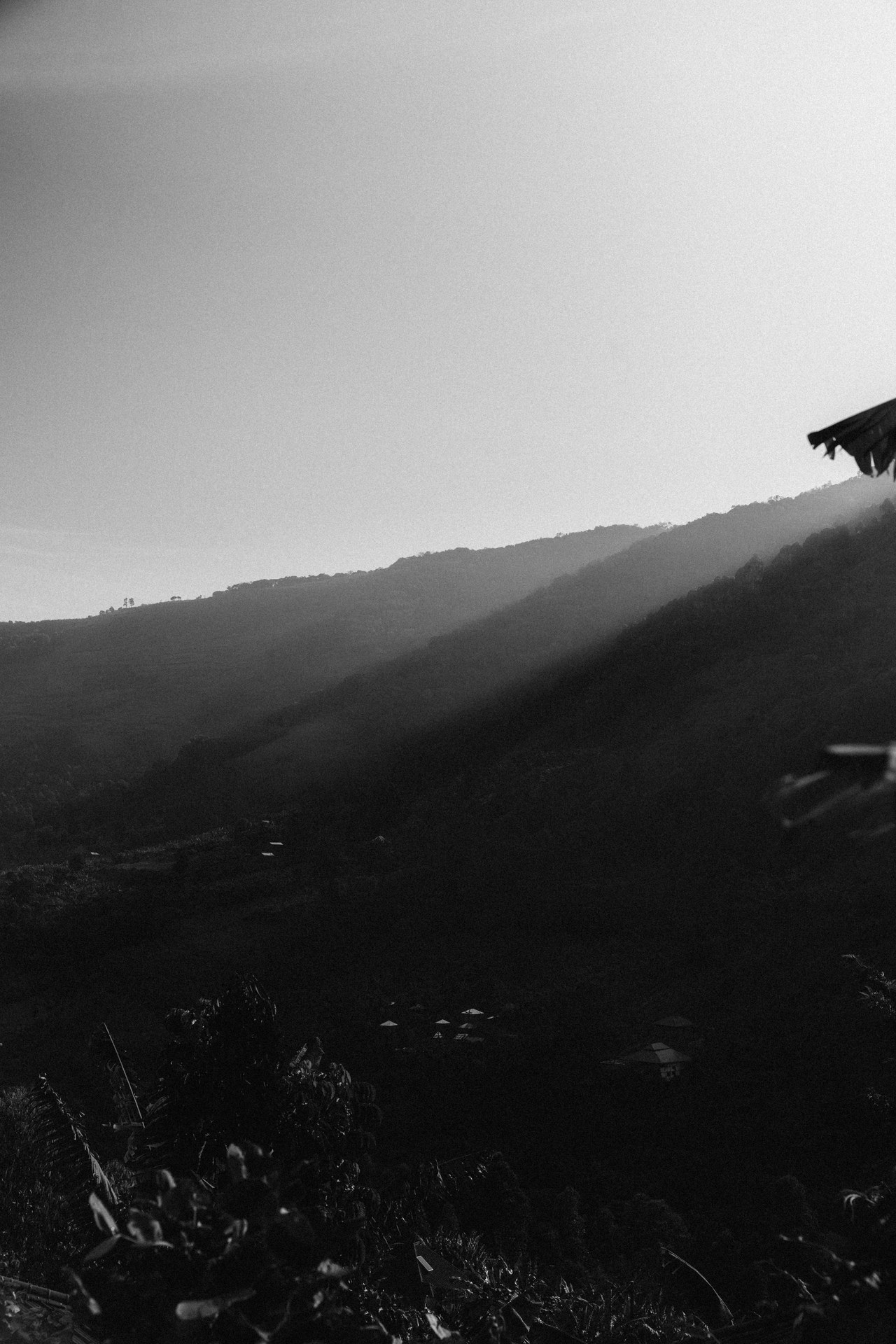
The forest itself changes character with altitude. Lower elevations support dense lowland and medium-altitude moist forest, rich in lianas and epiphytic ferns. At middle altitudes, the canopy thins slightly and bamboo stands appear alongside towering hardwoods. Above 2,200 metres, the vegetation transitions to Afromontane forest, where Hagenia, tree ferns, and thick moss carpets dominate. The highest ridges are cloaked in elfin forest, where gnarled trees are draped in lichens and the air is permanently damp.
Mist is a near-constant companion in Bwindi. Clouds roll in from the Congo Basin to the west and condense against the cool ridges, bathing the forest in moisture even during dry periods. This mist interception is ecologically significant, supplementing rainfall and sustaining the epiphyte communities, mosses, lichens, orchids, and ferns, that festoon every branch and trunk. On a quiet morning, the forest dissolves into soft grey layers of mist and green, the kind of landscape that earned its reputation as one of Africa's most atmospheric wild places.
Biodiversity
The numbers alone are striking. Within its 321 square kilometres, Bwindi harbors more than 400 plant species (including at least 163 tree species), over 120 mammal species, more than 350 bird species, 202 butterfly species, 27 species of frogs and toads, 7 species of chameleon, and 14 species of snake. For a protected area of its size, this level of diversity is almost unmatched in Africa.
The mountain gorilla is undoubtedly Bwindi's most celebrated resident. The park's population of approximately 459 individuals represents nearly half the global total for this critically endangered subspecies. These gorillas live in extended family groups led by silverback males, ranging across the forest's slopes and valleys in search of leaves, shoots, bark, and seasonal fruits. Twenty-five groups have been habituated to human presence, of which nine are available for tourism and one for scientific research.
Albertine Rift Endemics
Bwindi's position within the Albertine Rift, the western arm of the East African Rift System, places it in one of the world's most important centres of endemism. The Albertine Rift harbors more endemic vertebrate species than any other region on the African continent, and Bwindi is among its richest individual sites. The park is home to at least 24 Albertine Rift endemic bird species, including the Shelley's crimsonwing, the African green broadbill, and the Grauer's swamp warbler. Birders from around the world travel to Bwindi specifically for the chance to observe these species in their native habitat.
Primates
Beyond the mountain gorilla, Bwindi supports a remarkable primate community. Eleven primate species are documented within the park, including the chimpanzee, the l'Hoest's monkey, the red-tailed monkey, the black-and-white colobus, and the olive baboon. This concentration of primate species in a single forest is among the highest in Africa and reflects the diversity of habitats and food resources available across Bwindi's altitudinal gradient.
Invertebrates and Smaller Life
The forest's invertebrate fauna remains only partially catalogued, but what is known is already impressive. Over 200 butterfly species have been recorded, including several Albertine Rift endemics and three species found exclusively within Bwindi's boundaries and nowhere else on the planet. Moths, beetles, ants, and other insect groups are present in vast abundance, forming the foundation of the forest food web. The epiphyte communities, particularly mosses and ferns, host entire micro-ecosystems of mites, springtails, and nematodes that have scarcely been studied.
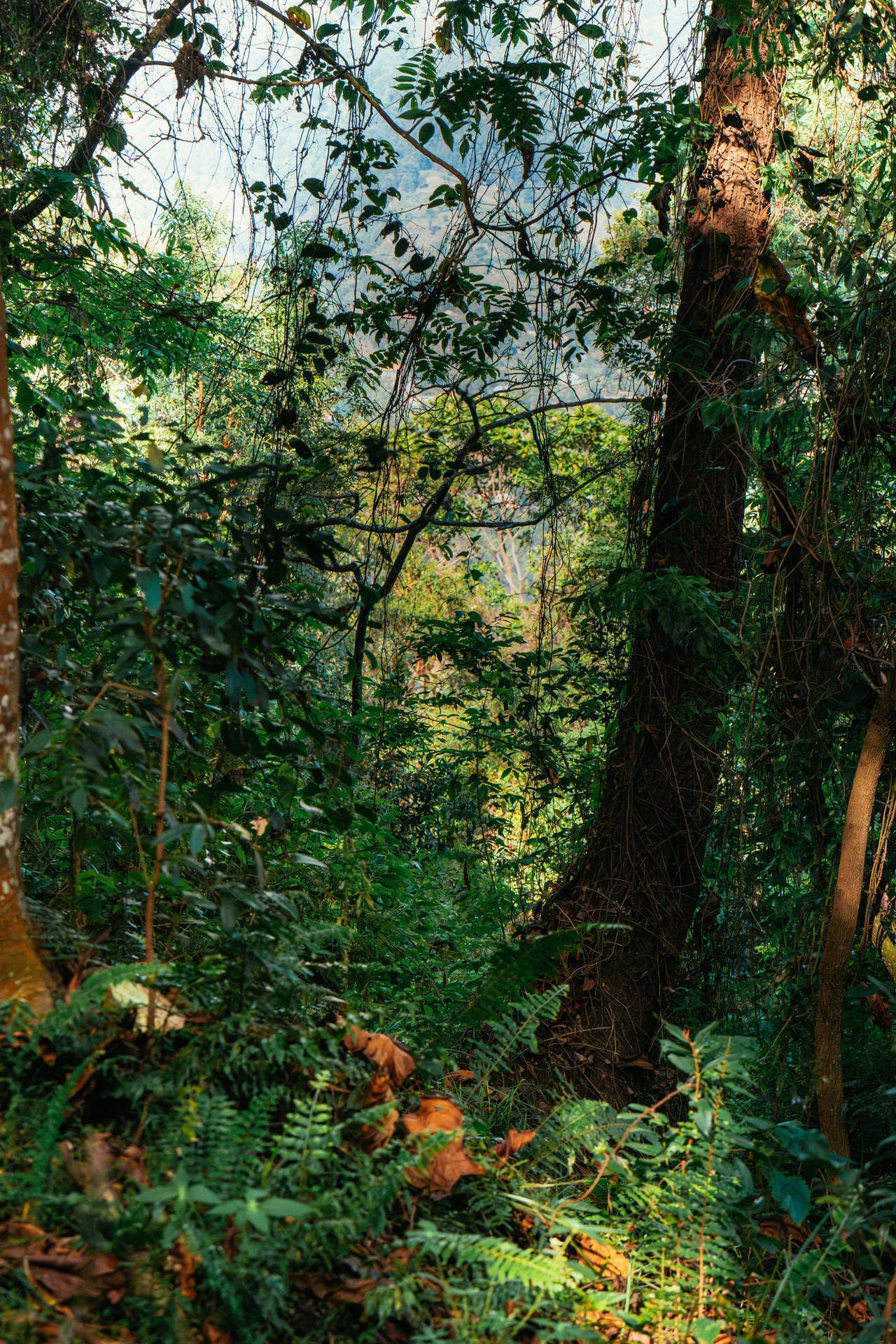
Dense jungle at the start of the gorilla trekking trail
Gorilla trekking in Bwindi: the path through the rainforest
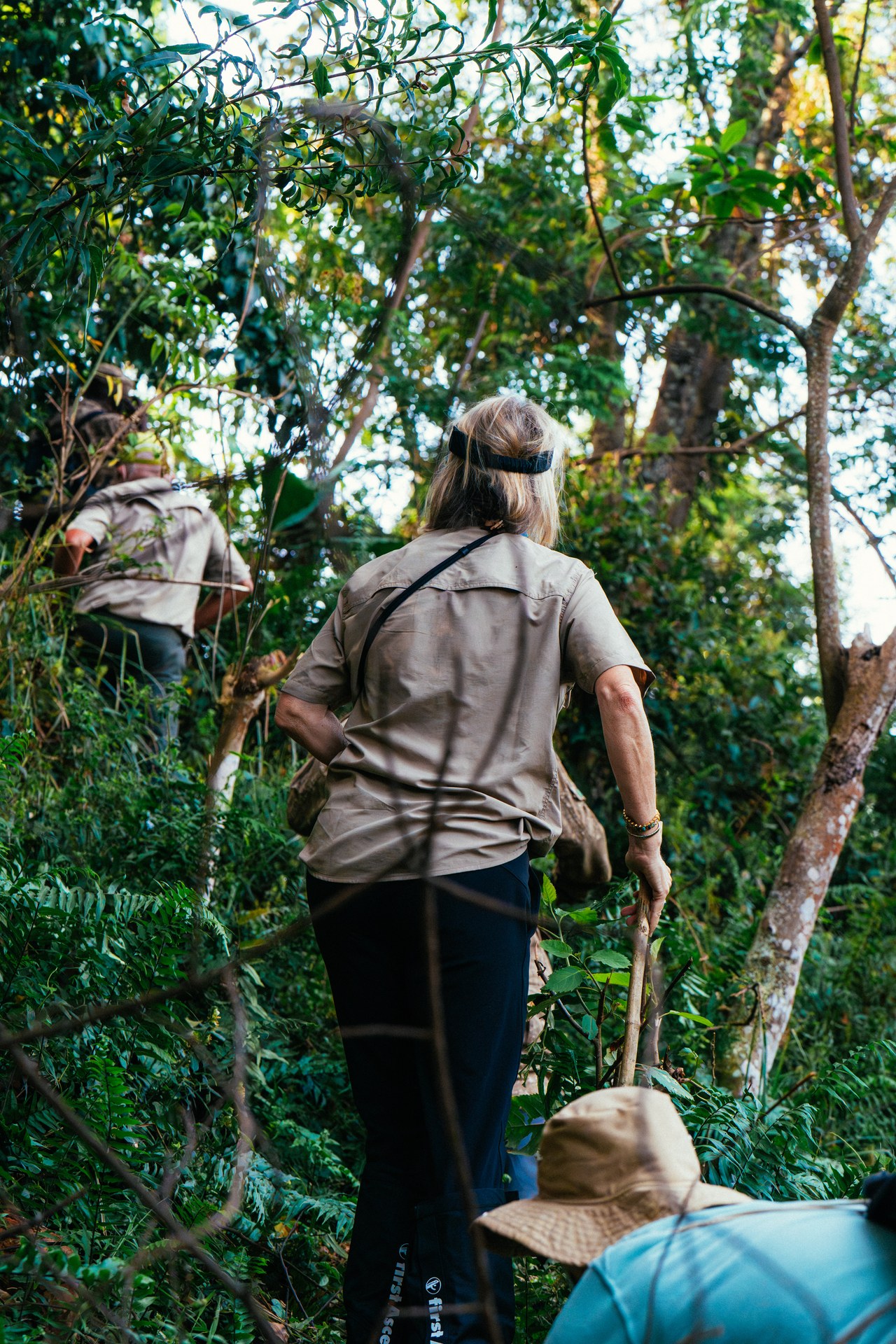
Through Bwindi forest on the trail of gorillas
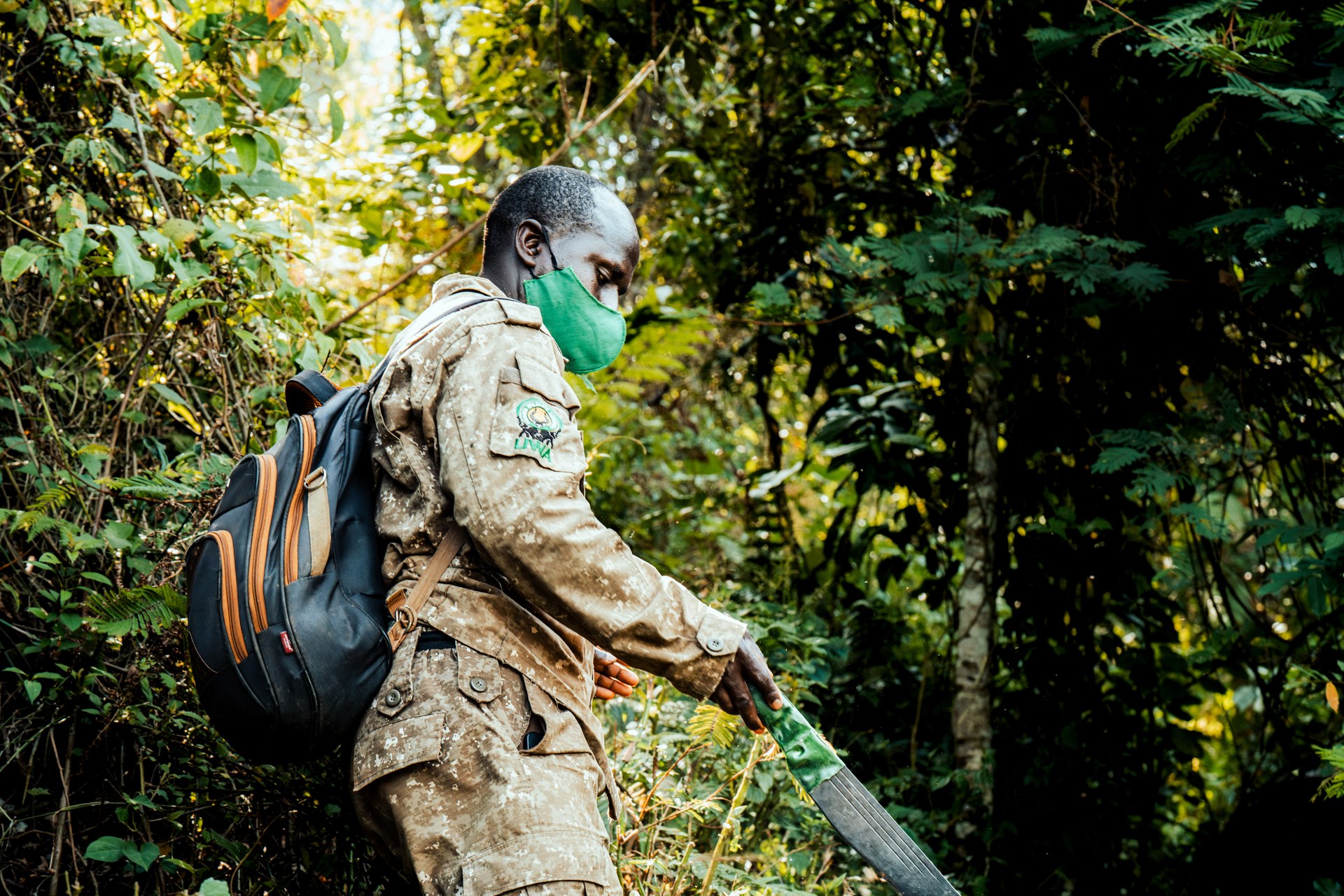
Ranger in Bwindi forest on the way to the gorillas
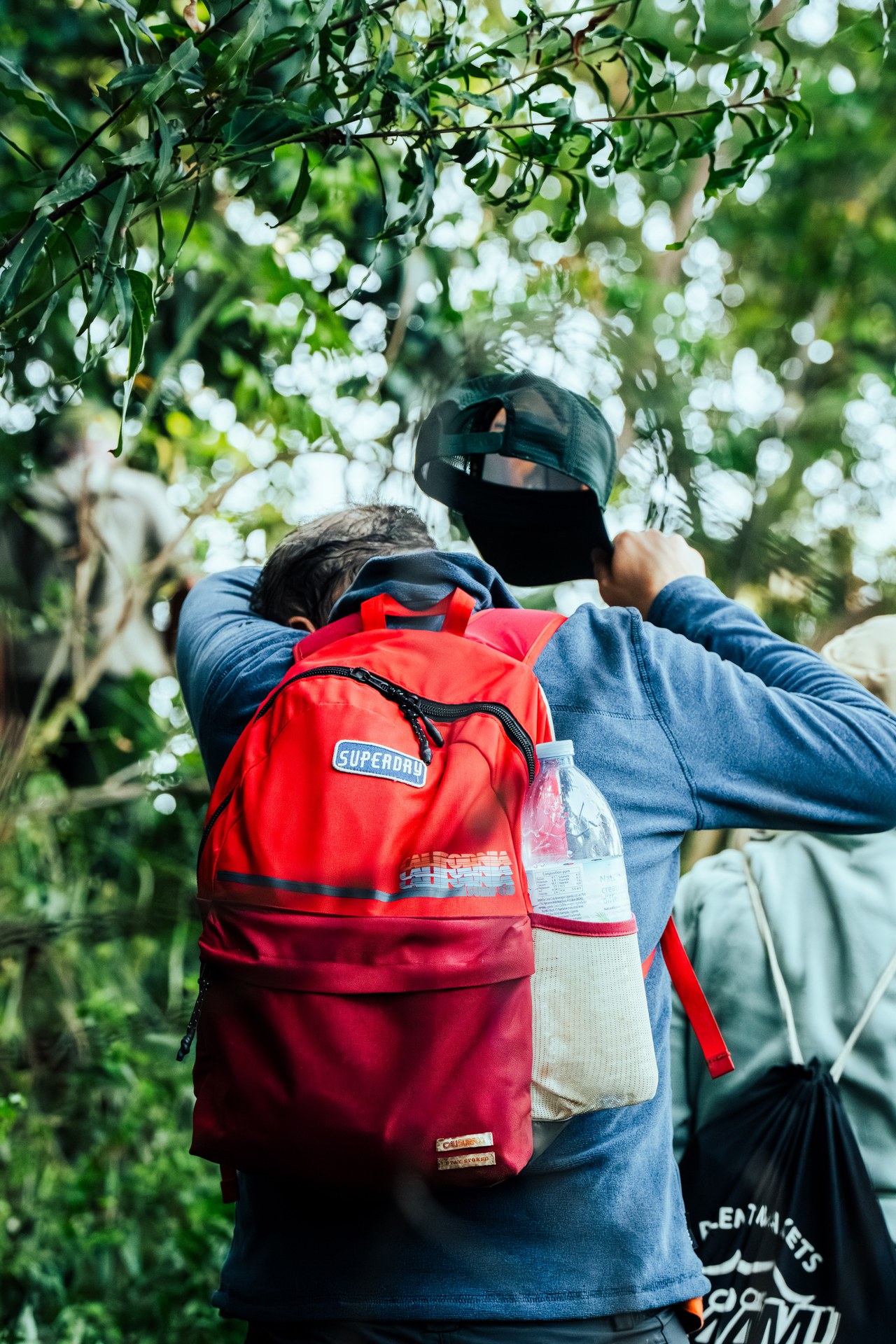
Preparing for the adventure: gorilla trekking in Bwindi
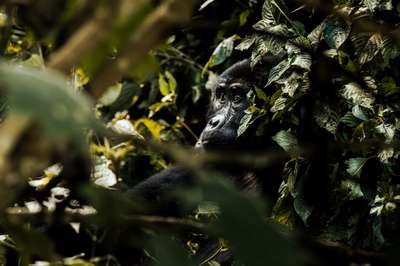
Mountain Gorilla Peering Through Dense Forest Foliage
Mountain GorillaWhy Bwindi Matters
Bwindi is not important only because of what it contains, but because of what it represents. As one of the last large tracts of lower montane and medium-altitude forest in East Africa, it demonstrates what these ecosystems look like when they are allowed to persist intact. In a region where deforestation has eliminated the vast majority of original forest cover, Bwindi stands as both a refuge and a reference point, showing scientists and policymakers what functional, species-rich tropical forest looks like.
The park is a critical carbon store. Tropical montane forests sequester carbon at significant rates, and Bwindi's old-growth trees, thick soils, and dense biomass represent an irreplaceable reservoir of stored carbon. In an era of accelerating climate change, protecting forests like Bwindi is not just an act of biodiversity conservation. It is a direct contribution to climate stability.
Bwindi's watershed function underpins the livelihoods of hundreds of thousands of people. The rivers that originate within the park supply water for agriculture, livestock, and domestic use in the surrounding districts. The forest also moderates local climate, reducing temperature extremes and buffering the surrounding landscape against erosion and flooding. These ecosystem services, often invisible and undervalued, are essential to the welfare of every community in the region.
The gorilla tourism program has become one of the most successful conservation enterprises in Africa. Revenue from trekking permits, a portion of which is shared with local communities, provides a powerful economic incentive for protection. Where once the forest was seen primarily as a source of timber, bushmeat, and farmland, it is now understood as a generator of income, employment, and international attention. This transformation in local perception, from the forest as obstacle to the forest as asset, may be Bwindi's most important contribution to conservation practice worldwide.
The challenges remain real. Encroachment pressure on the park's boundaries is persistent, driven by one of the highest rural population densities in Africa. Illegal resource extraction, climate change, and the ever-present threat of disease transmission between humans and gorillas all demand constant vigilance. But Bwindi has demonstrated, over three decades of active management, that it is possible to protect a globally significant ecosystem while supporting the communities that surround it. That lesson, hard-won and continually tested, is Bwindi's gift to the world.