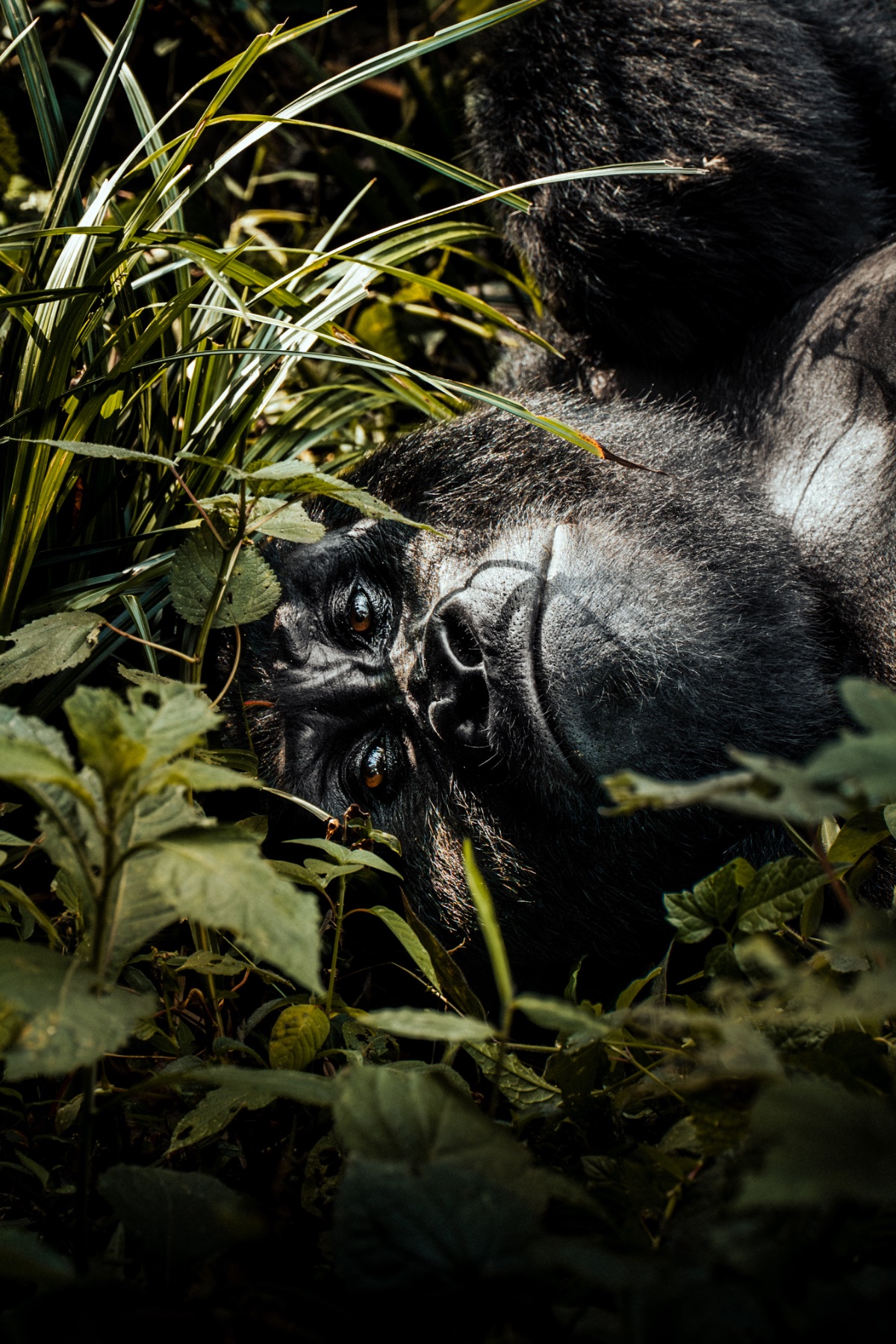
Bwindi
Impenetrable National Park
Independent information, wildlife knowledge, visitor guidance and stories from one of Africa's most remarkable forests.
Independent information platform · Not affiliated with Uganda Wildlife Authority
One of the Last Places on Earth
Where Mountain Gorillas Roam Free
Perched on the edge of the Albertine Rift in south-western Uganda, Bwindi Impenetrable National Park protects 321 square kilometres of ancient montane rainforest. Over 25,000 years old, this mist-shrouded wilderness shelters nearly half of all mountain gorillas left on Earth — alongside an extraordinary concentration of life found nowhere else.
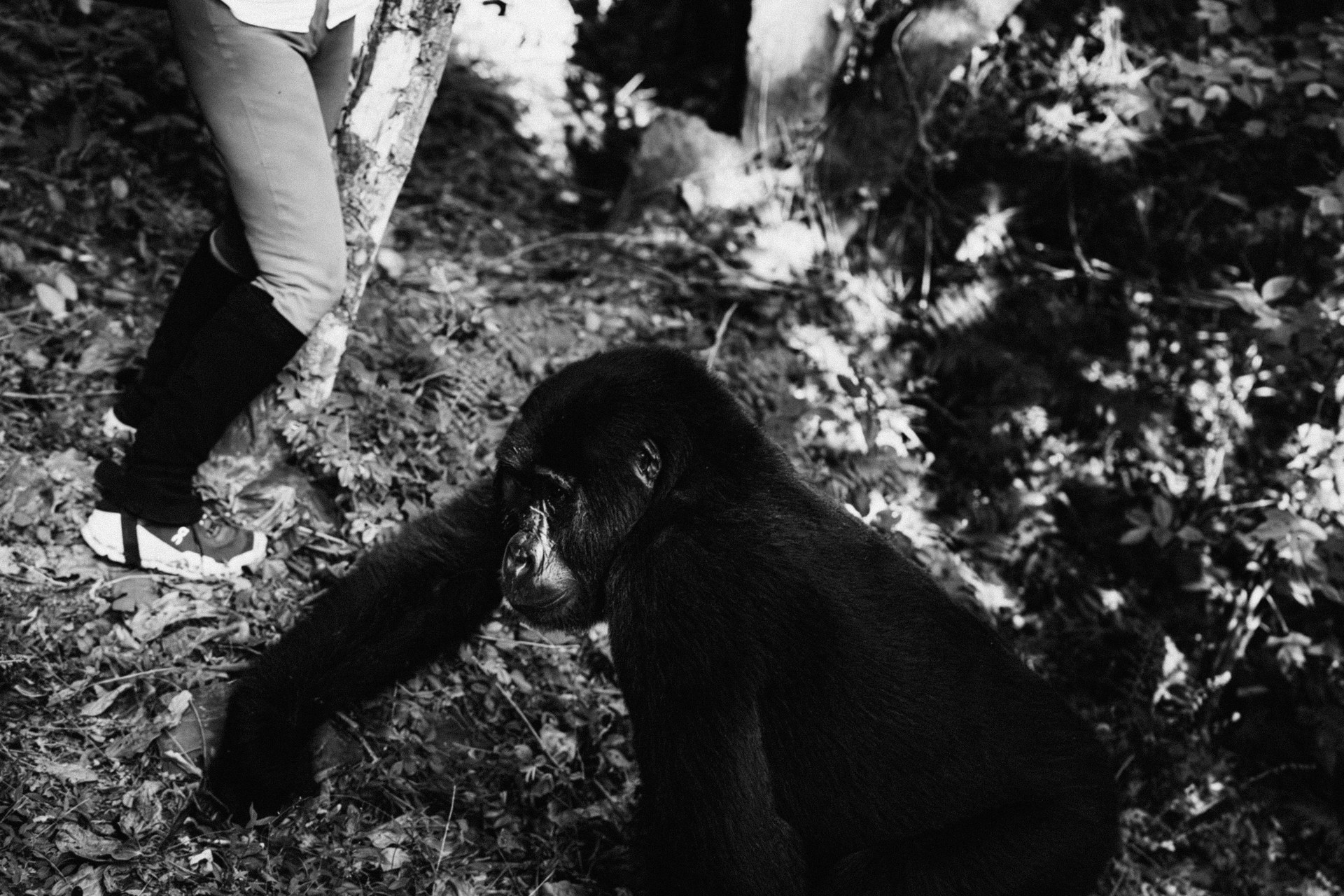
Mountain Gorillas
Home to nearly half the world's remaining mountain gorillas. Learn about their families, behavior, and the conservation efforts protecting them.
Read more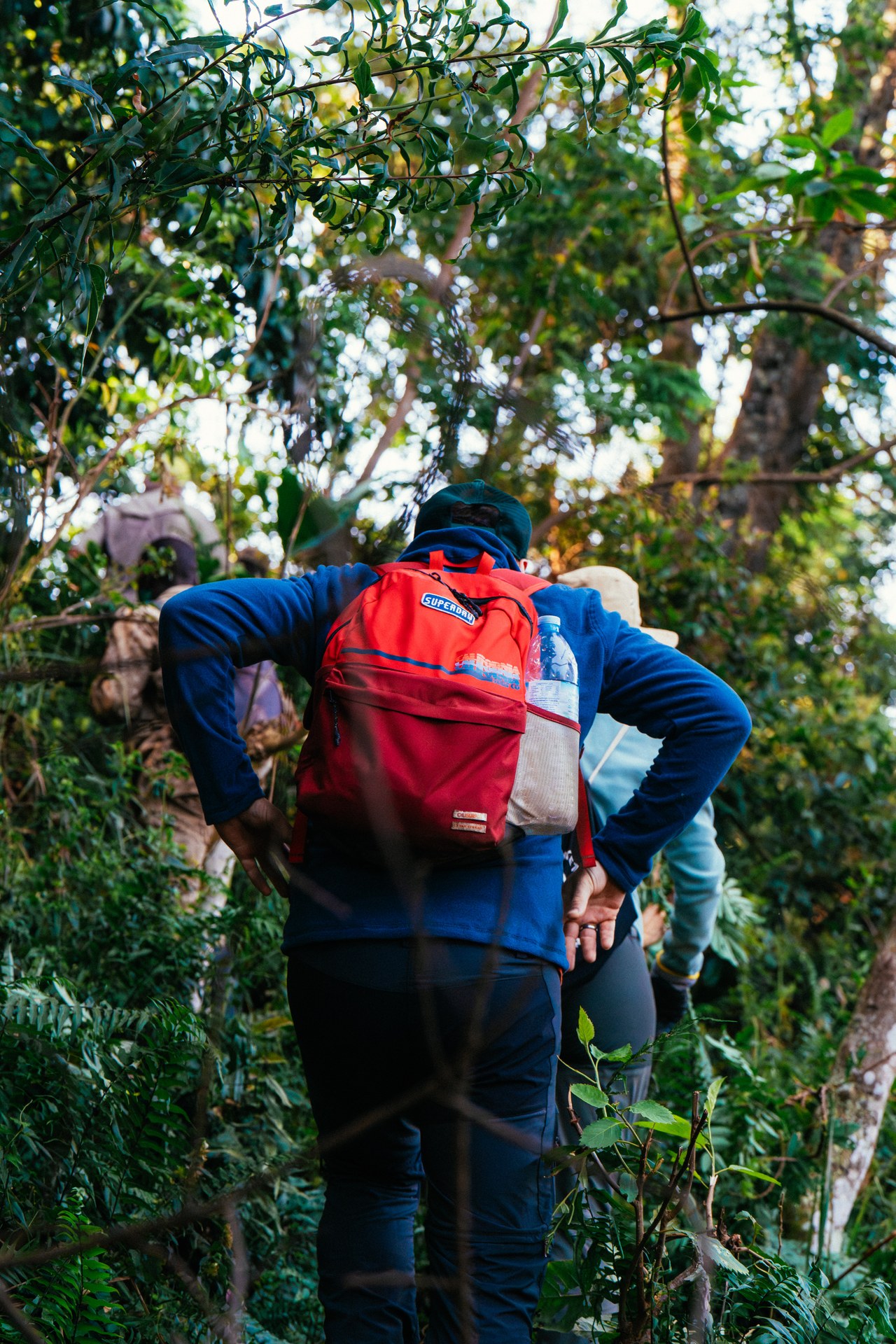
The Forest
One of Africa's most ancient and biologically diverse rainforests, spanning altitudes from 1,160m to 2,607m with over 400 plant species.
Read more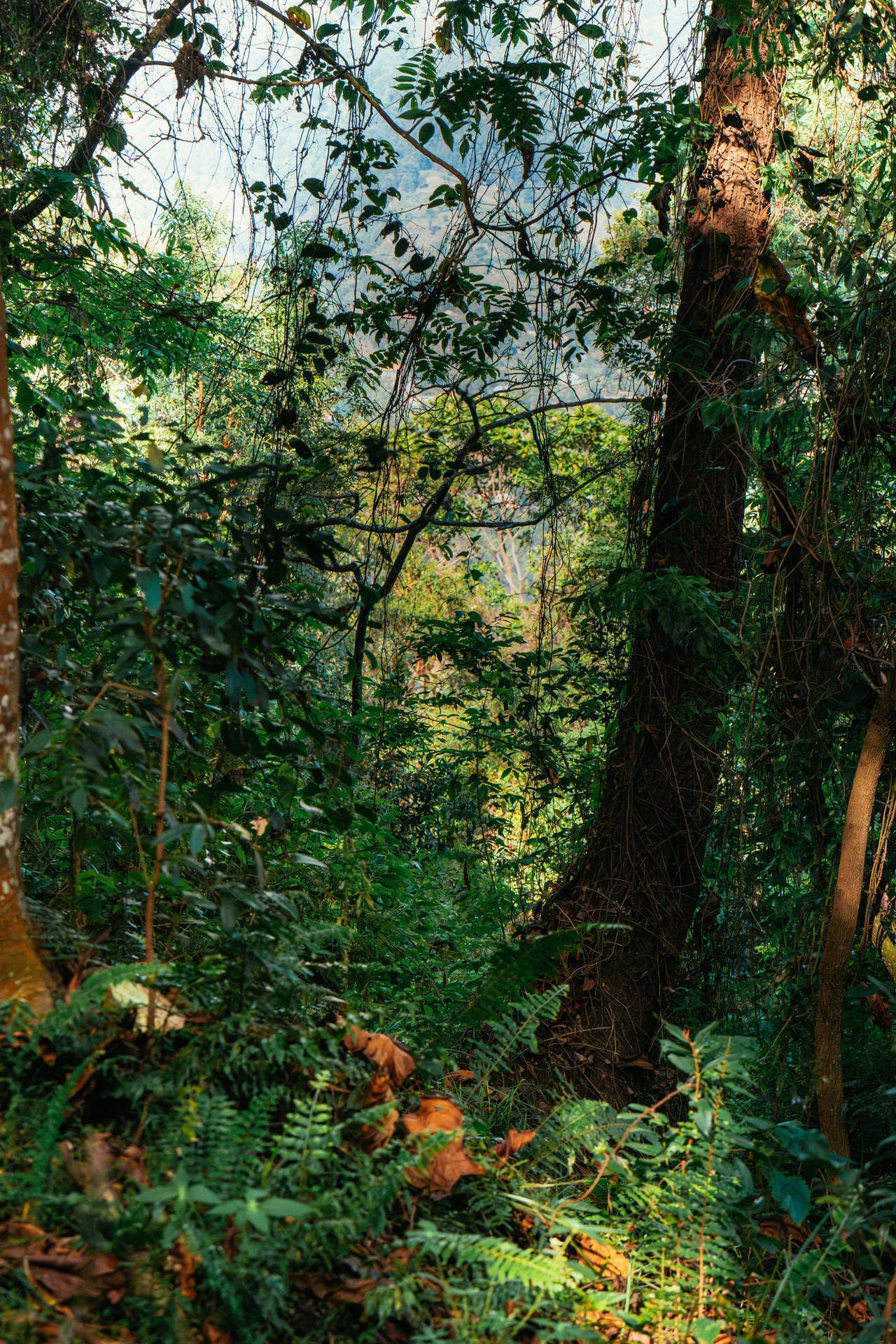
Wildlife & Biodiversity
120 mammal species, 350+ birds, 200+ butterflies, and countless reptiles and amphibians in one of the most biodiverse places on Earth.
Read more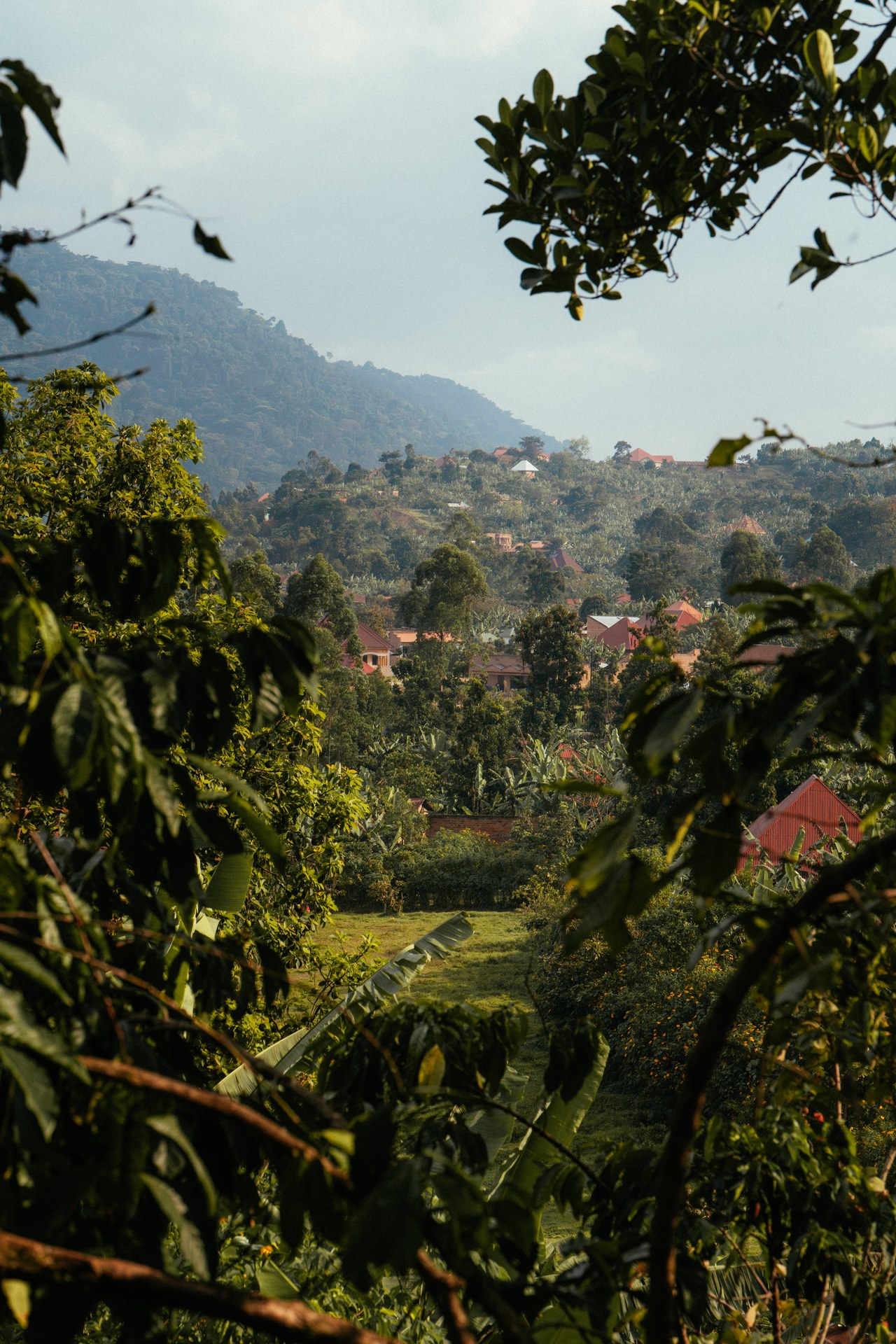
Communities & Culture
The Batwa, Bakiga, and other communities whose lives are intertwined with the forest. Culture, resilience, and human stories.
Read more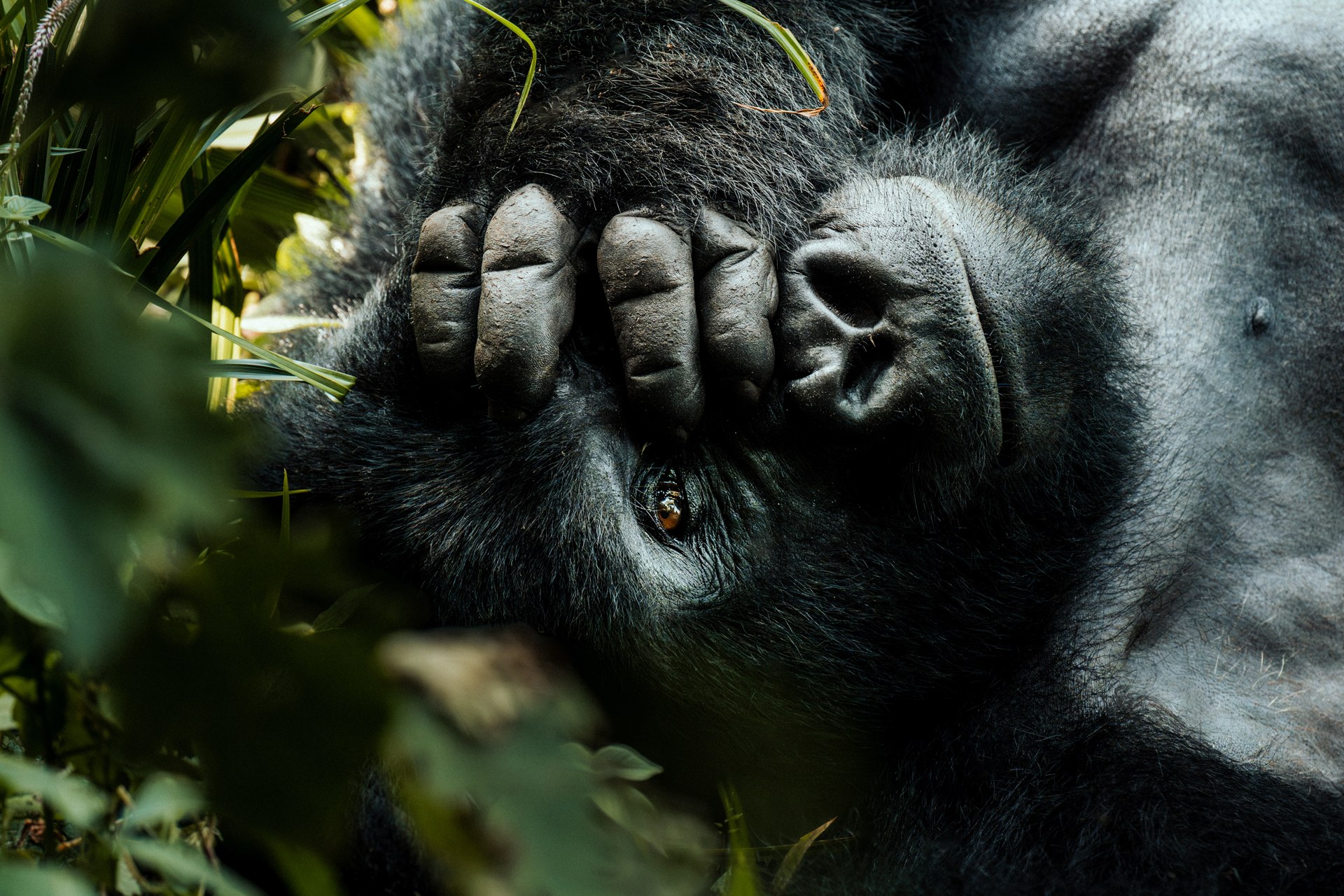
Conservation
From anti-poaching patrols to community programs, the ongoing effort to protect Bwindi's irreplaceable ecosystem for future generations.
Read more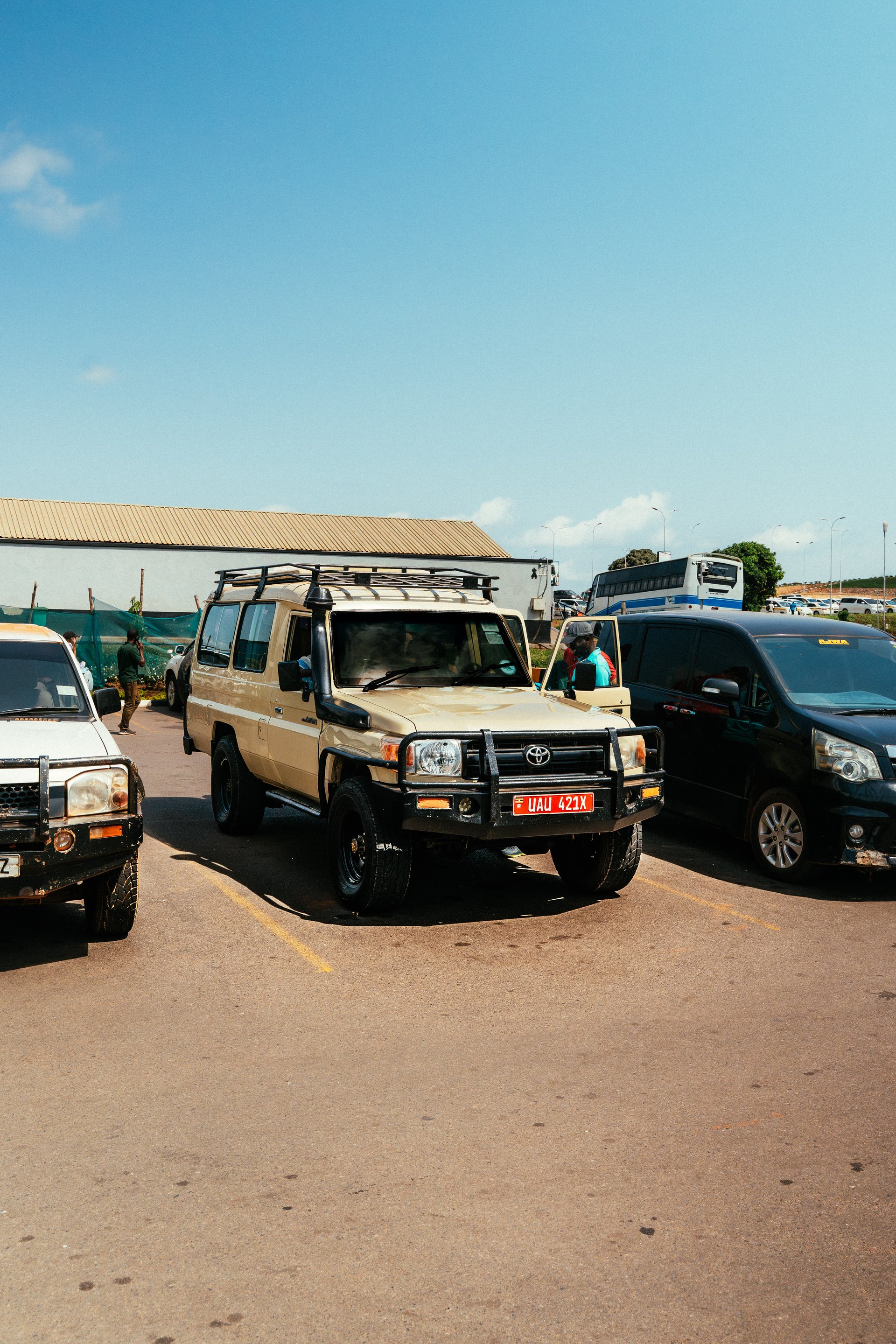
Travel Information
Everything you need to know about visiting Bwindi: permits, seasons, routes, packing, health, and safety guidance.
Read more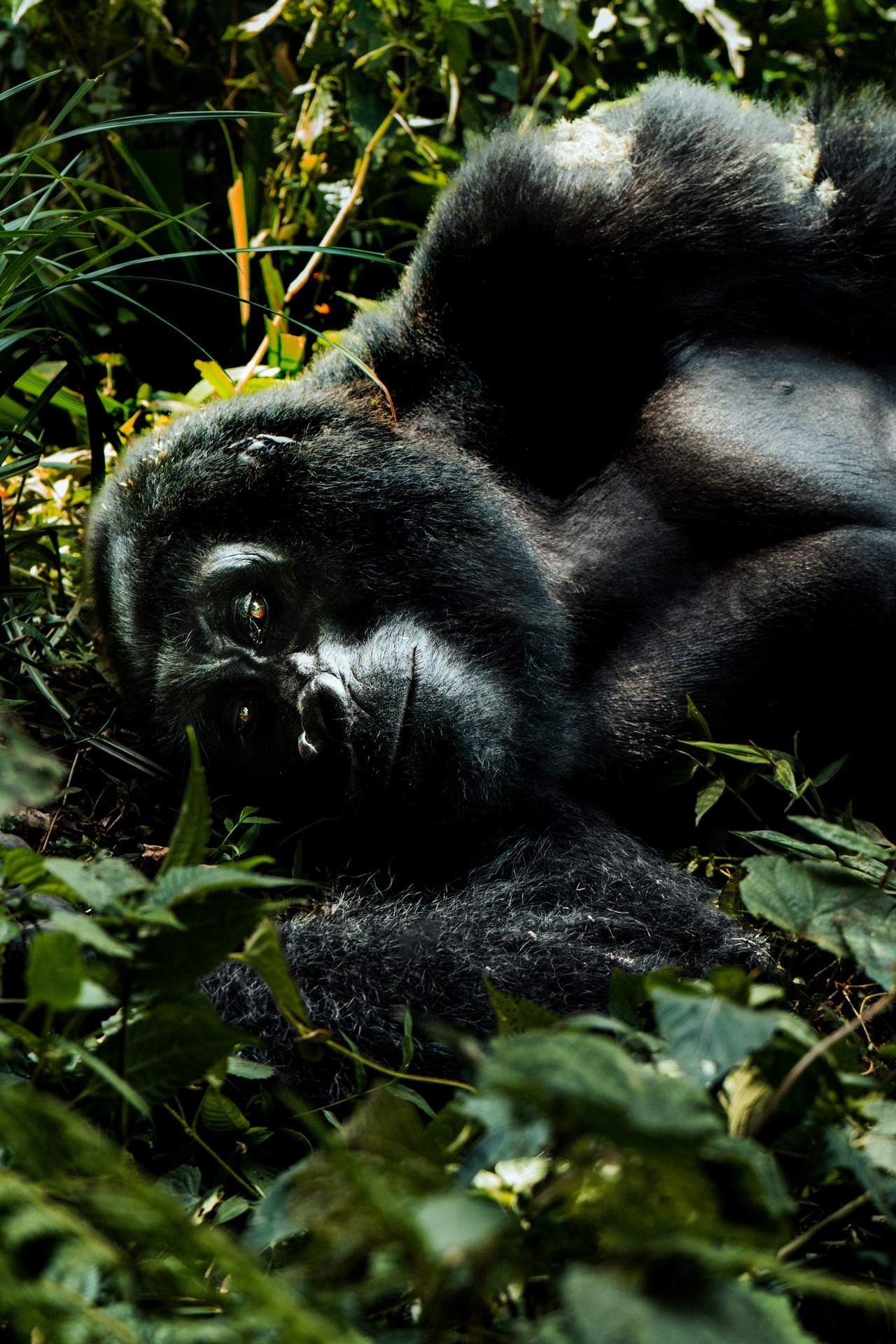
459 gorillas call
this forest home
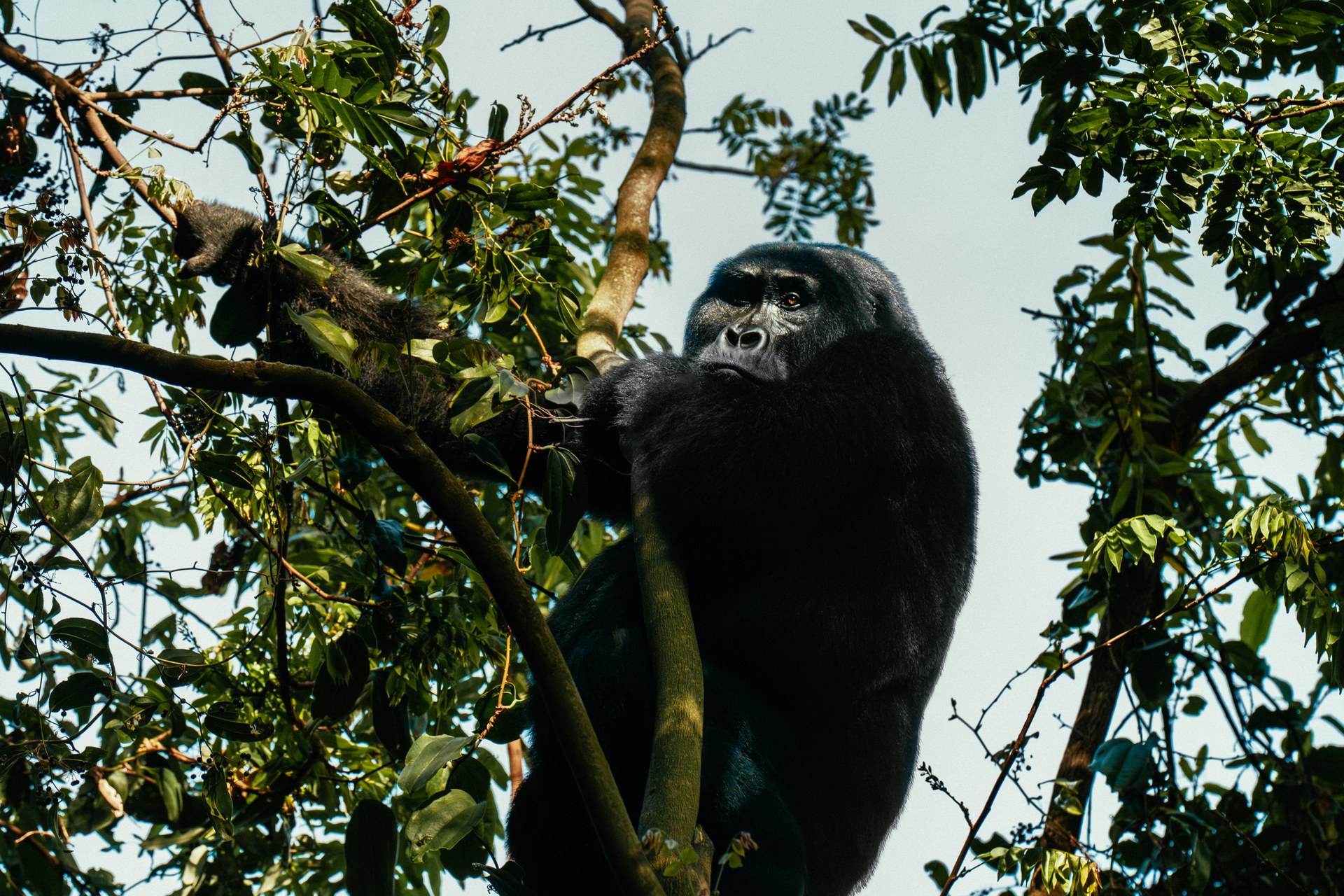
Bwindi Impenetrable National Park shelters approximately 459 mountain gorillas — nearly half of the entire world population. These gentle giants live in family groups led by dominant silverbacks, navigating the steep ridges and deep valleys of one of Africa's oldest rainforests.
The Mubare gorilla group was the first to be habituated for tourism in April 1993. Today, 25 groups have been habituated, with 9 available for tourism and 1 dedicated to research. Each encounter is a profound window into our shared evolutionary heritage.
Roughly 1,063 mountain gorillas survive worldwide — Bwindi's 459 individuals represent nearly half. Population censuses are conducted jointly by the Uganda Wildlife Authority and international conservation partners. The IUCN Red List classifies the mountain gorilla as Endangered.
Explore Gorilla Knowledge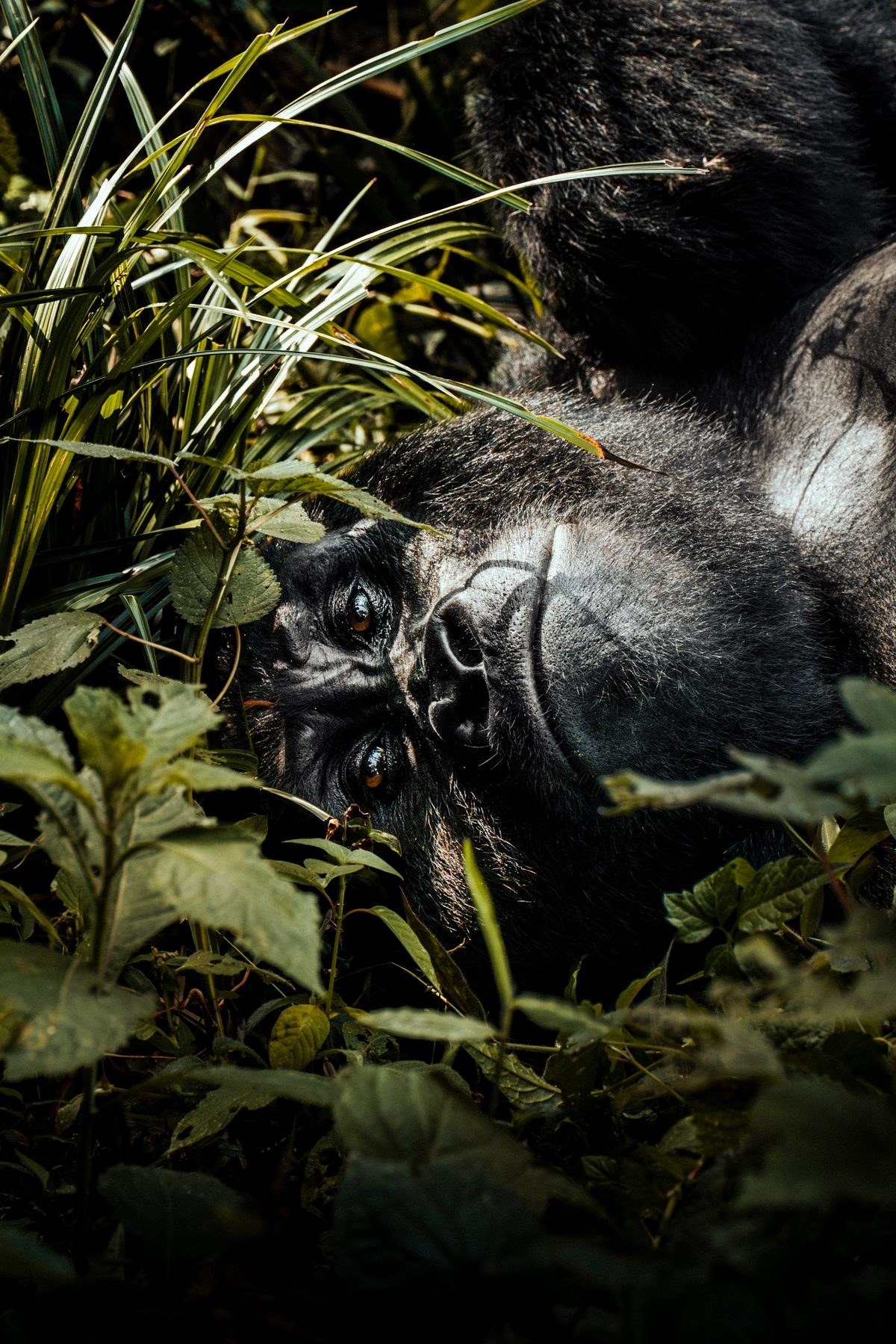
Four Sectors, One Ancient Forest
Each sector offers a distinct character, unique gorilla families, and different trails through the forest.
Buhoma
Mubare, Habinyanja, Rushegura
The original gorilla trekking hub and park headquarters in the north. First sector opened for tourism — the Mubare family was habituated here in April 1993.
Ruhija
Bitukura, Oruzogo, Mukiza
Highest sector. Premier birding destination with Albertine Rift endemics.
Rushaga
Nshongi, Mishaya, Kahungye, Busingye, Bweza
Most gorilla families. Home of the habituation experience.
Nkuringo
Nkuringo, Christmas, Bushaho
Dramatic hillside with panoramic Rift Valley views.
A Treasure of Global Significance
Recognized by UNESCO for its outstanding universal value, Bwindi harbors an extraordinary concentration of life — many species found nowhere else on Earth.
Life Around
the Forest
The communities surrounding Bwindi have lived alongside the forest for generations. The Bakiga farmers, the Batwa who once called the forest home, and countless families whose daily lives are shaped by this extraordinary landscape.
Their stories, culture, and resilience are as much a part of Bwindi's identity as its gorillas and ancient trees.
Discover Community StoriesBuhoma: green valley with houses on the hillside
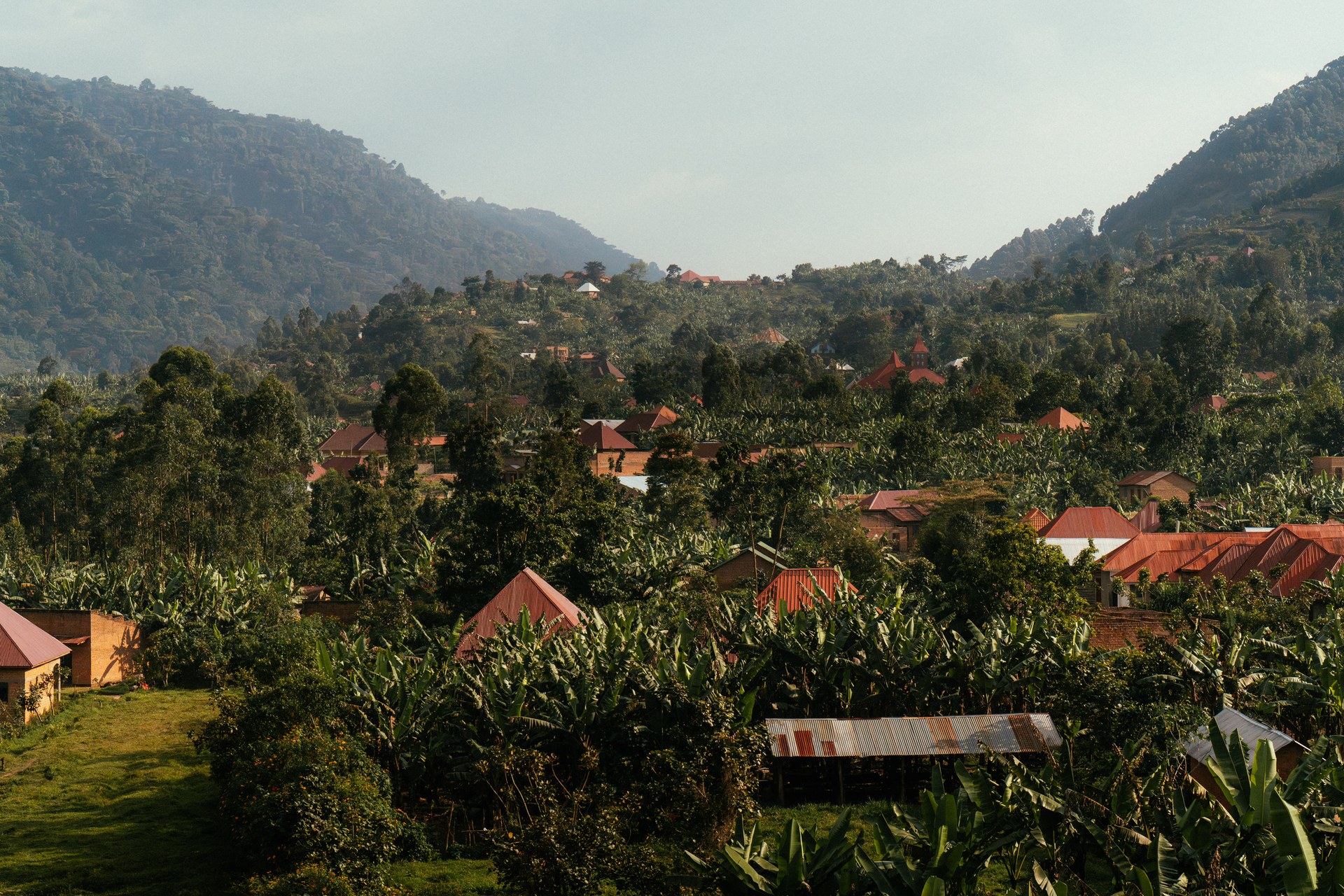
Buhoma: a village between mountains and hope
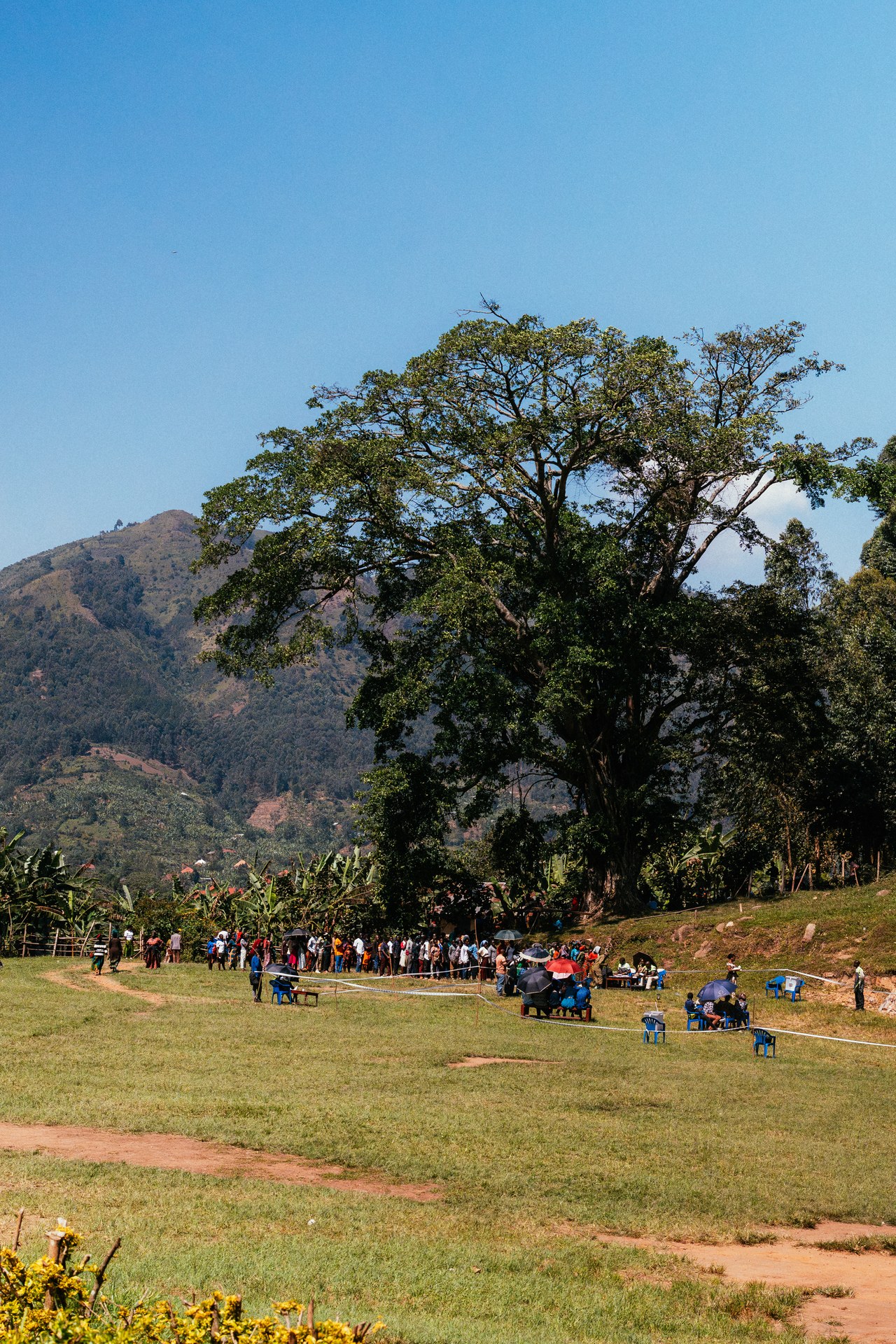
Buhoma: community gathers in the shadow of the mountain
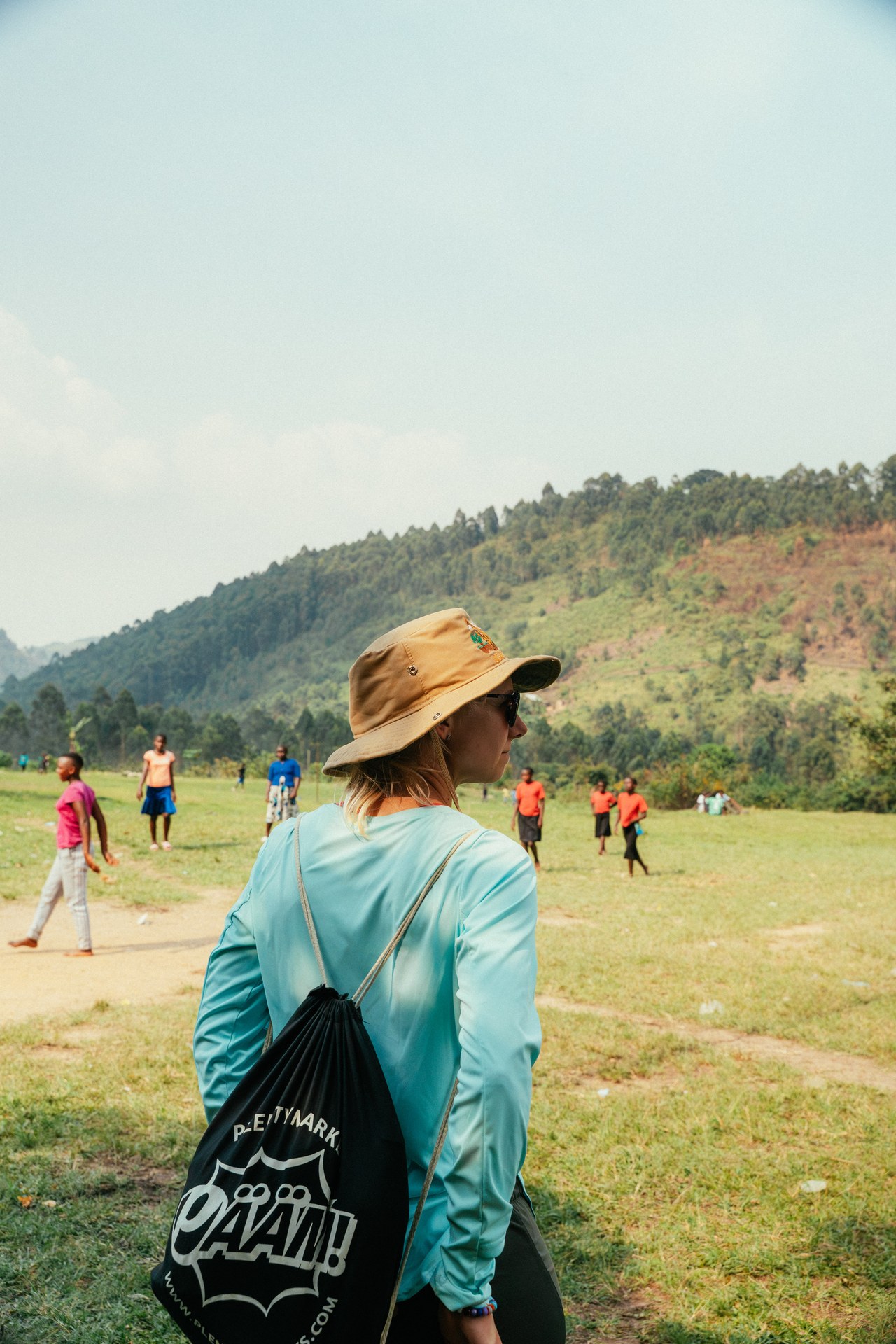
Visitor watching children play in Buhoma
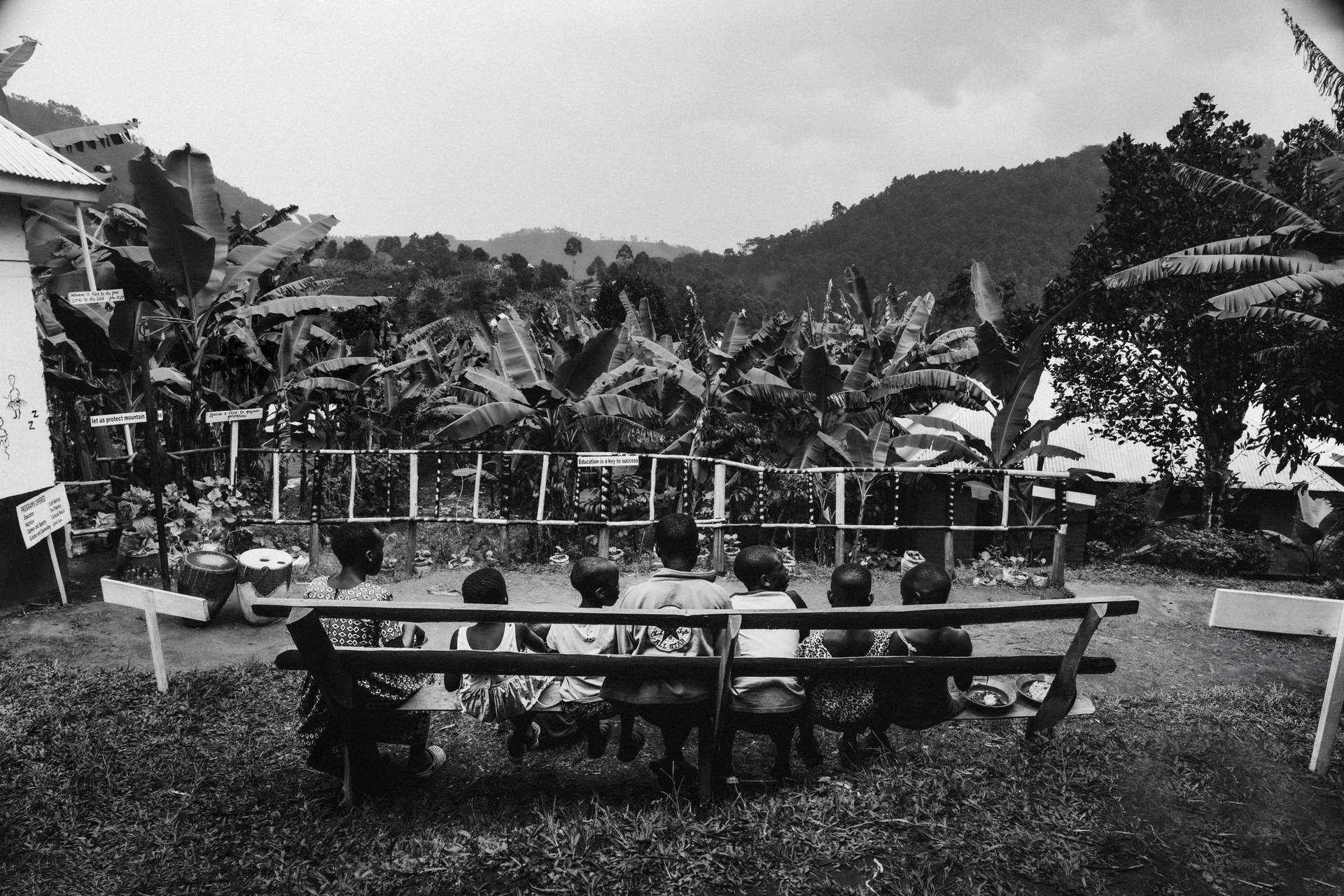
Community on a bench gazing at the Ugandan landscape
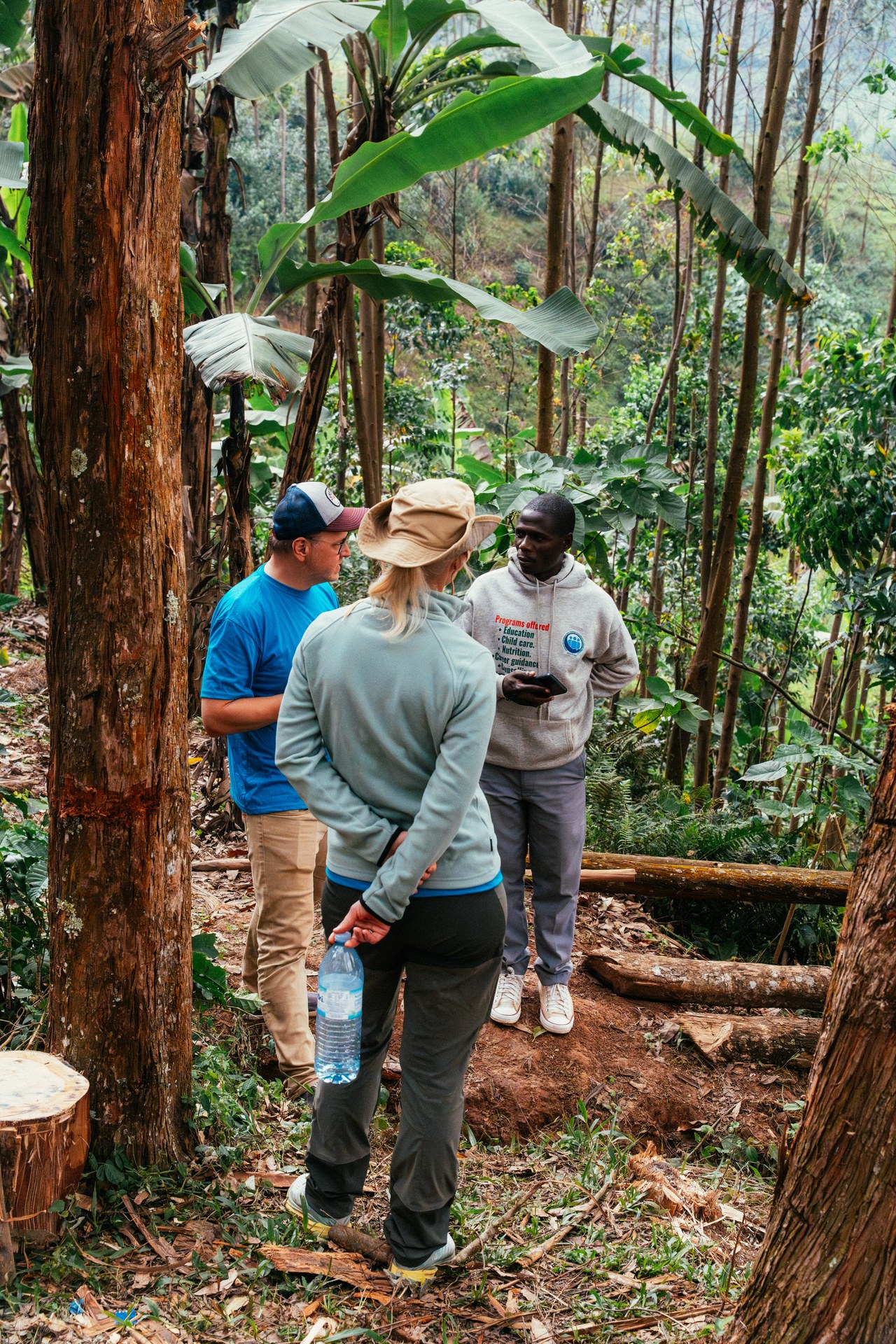
Meeting in the forest: three people in conversation
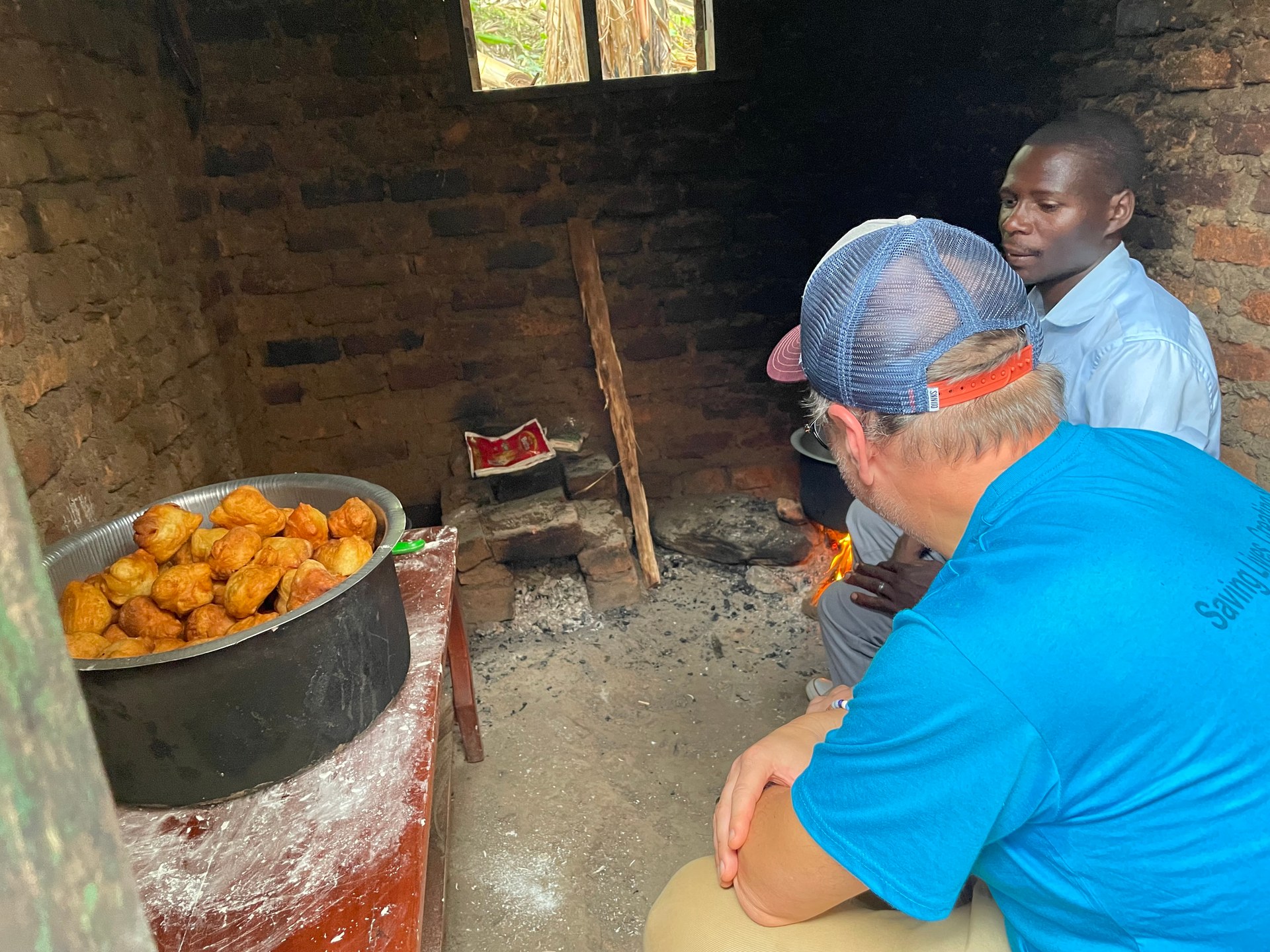
Baking mandazi at the orphanage in Buhoma
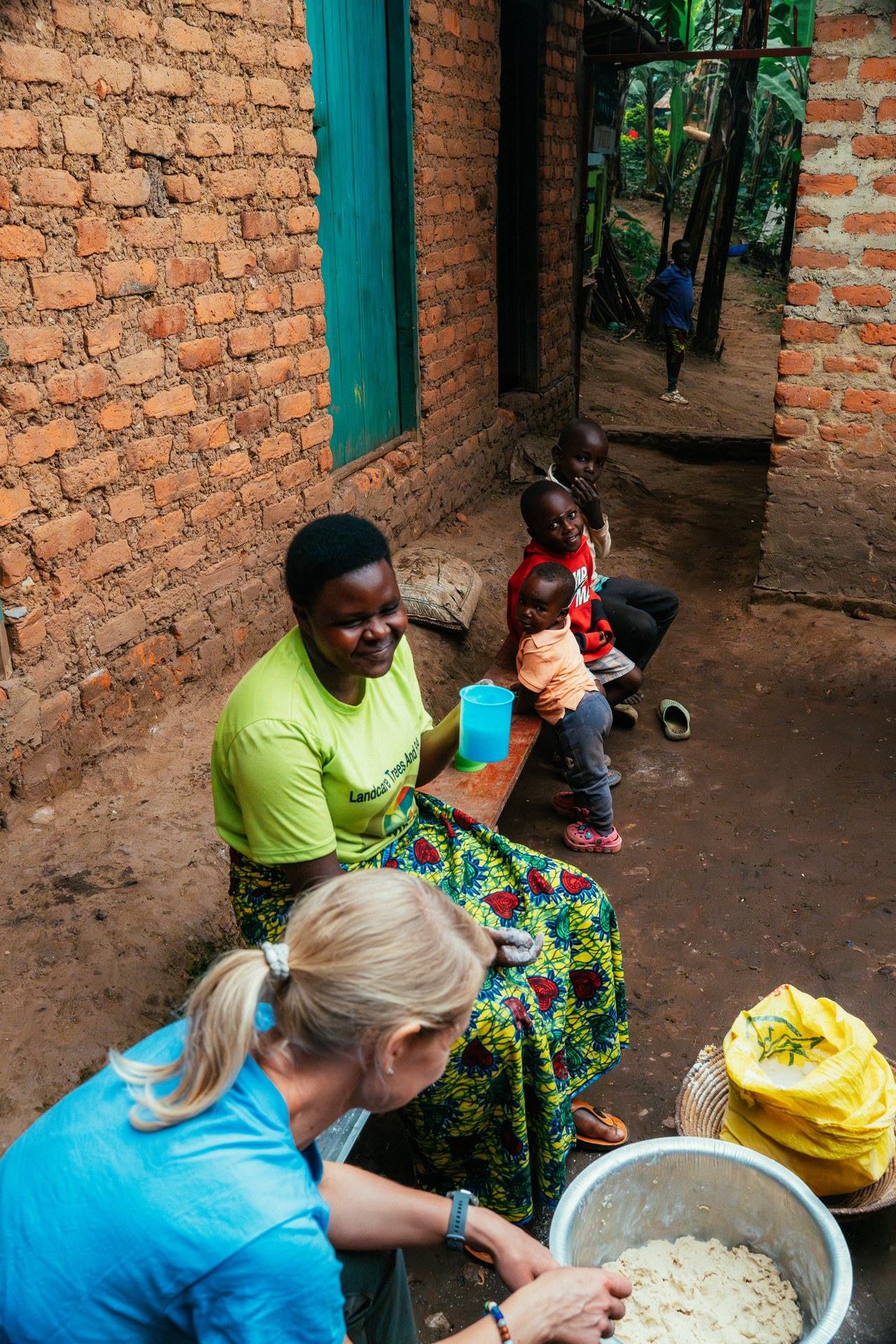
Cooking together at the orphanage in Buhoma
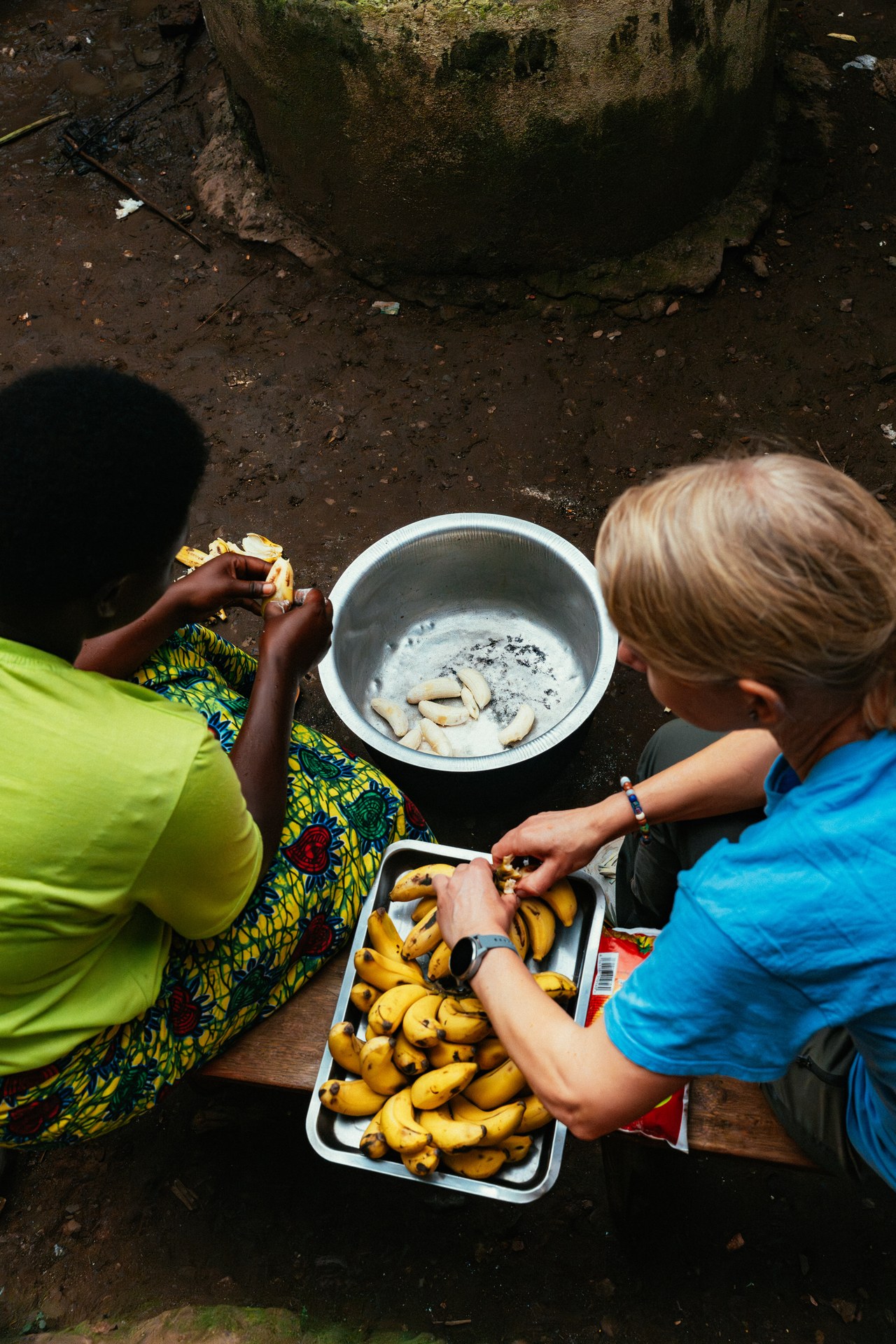
Peeling bananas together at Buhoma orphanage
Where the Permit Money Goes
Every gorilla trekking permit generates income distributed across several purposes. USD 10 per permit is paid directly to local government councils of surrounding districts — funding community projects in education, infrastructure and health.
This revenue-sharing programme, administered by the Uganda Wildlife Authority, gives communities surrounding the park a direct economic stake in protecting the forest. Source: UWA. Permit prices are subject to change — check ugandawildlife.org for current rates.
USD 800
Permit — non-resident
per person, per trek
USD 700
Permit — resident
per person, per trek
USD 10
Community share
per permit to local councils
9
Tourism groups
open for trekking, 25 habituated total
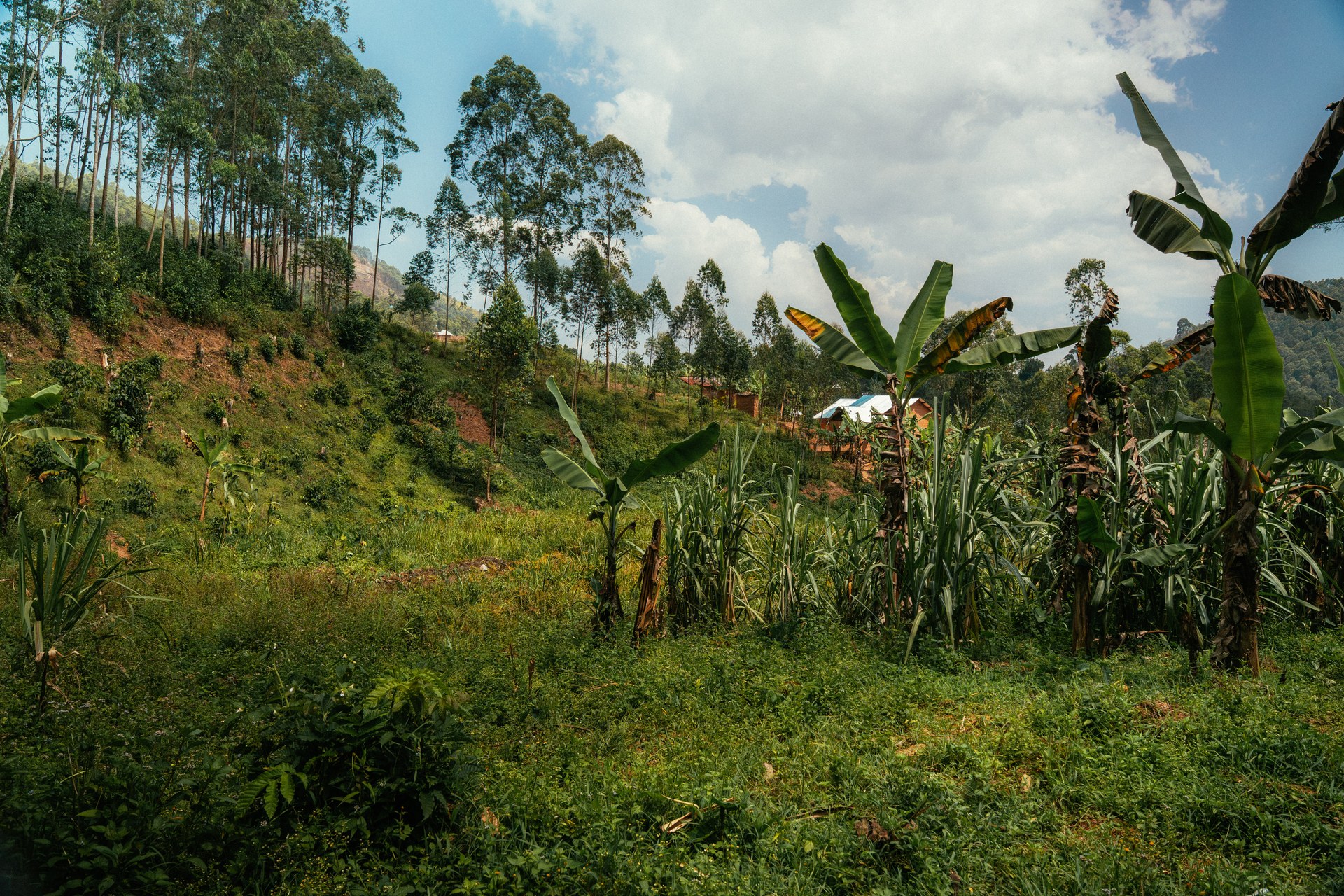
A UNESCO World Heritage Site
Since 1994
Inscribed for its outstanding universal value under criteria for natural beauty and biodiversity, Bwindi is one of the most important sites on Earth for the conservation of biological diversity. The forest is a Pleistocene refugium — a place where life survived the ice ages and evolved into forms found nowhere else.
UNESCO World Heritage List — Site 682Uganda's Protected Areas — Uganda Wildlife Authority
Uganda manages twelve national parks and three active game reserves offering gorilla tracking, nature walks and bird watching. The Uganda Wildlife Authority administers Bwindi Impenetrable National Park within this network. In 2013, the third quarter (July–September) accounted for nearly 40 percent of all annual park visitors — confirming the dry season as Uganda's peak period for international wildlife tourism.
Frequently Asked Questions
What is Bwindi Impenetrable National Park?
Bwindi Impenetrable National Park is a 321 km² protected area in south-western Uganda, on the border with the Democratic Republic of Congo. Inscribed as a UNESCO World Heritage Site in 1994 (Site 682), the park shelters approximately 459 mountain gorillas — nearly half of the world's remaining population of this Endangered species.
How many gorilla groups can you visit in Bwindi?
9 gorilla familiesare currently open for tourism trekking, with a further 1 group dedicated to research. In total, 25 families have been habituated across the park's four sectors — Buhoma, Ruhija, Rushaga and Nkuringo. Each trekking group receives a maximum of 8 visitors per day.
Where does the gorilla permit money go?
Permit revenue supports park management, ranger salaries and conservation programmes. USD 10 from every permit is paid directly to local government councils of surrounding districts, funding community projects in education, infrastructure and health. This revenue-sharing programme is administered by the Uganda Wildlife Authority.
How much does a gorilla trekking permit cost at Bwindi?
A gorilla trekking permit costs USD 800 per person for foreign non-residents and USD 700 for foreign residents, as set by the Uganda Wildlife Authority. Permits must be booked in advance — check the UWA website for current rates, as prices are subject to change.
How many mountain gorillas live in Bwindi National Park?
Approximately 459 mountain gorillaslive in Bwindi — nearly half of the world's entire mountain gorilla population of around 1,063 individuals. The population is monitored through regular censuses by the Uganda Wildlife Authority and international conservation partners, including the IUCN Red List, which classifies the mountain gorilla as Endangered.
When is the best time to visit Bwindi Impenetrable National Park?
The two dry seasons — June to September and December to February — offer the most comfortable conditions. Trails are drier and gorilla tracking is generally easier. Bwindi can be visited year-round, but the wet seasons (March–May and October–November) bring heavy rainfall, making steep forest trails slippery and more physically demanding.
How big is Bwindi Impenetrable National Park?
Bwindi covers 321 square kilometres (32,092 hectares) of protected Afromontane rainforest. It was gazetted as a national park in 1991 and inscribed as a UNESCO World Heritage Site in 1994, recognised for its outstanding universal value in biodiversity.
How do you get to Bwindi Impenetrable National Park?
Bwindi is approximately 500 kilometres from Kampala, typically a 7–9 hour drive via Mbarara or Kabale. Charter flights operate to Kihihi airstrip (Buhoma and Ruhija sectors) and Kisoro airstrip (Rushaga and Nkuringo sectors). Most visitors combine Bwindi with Queen Elizabeth National Park or Lake Mburo National Park en route.
Sources: Uganda Wildlife Authority · UNESCO World Heritage · IUCN Red List
Begin Your Exploration
Whether you are planning a visit, conducting research, or simply curious about one of Africa's last great wilderness areas — this is your starting point.