Birds of Bwindi
Over 350 species including 23 Albertine Rift endemics make Bwindi one of Africa's premier birding destinations.
Bwindi Impenetrable National Park is one of the most important ornithological sites in Africa. With more than 350 recorded bird species, including 23 of the roughly 40 Albertine Rift endemic species, the park holds a concentration of range-restricted birds unmatched by any other single forest on the continent.
The forest's wide altitudinal gradient — spanning from 1,160 meters in the lowland valleys to 2,607 meters at the highest ridges — creates distinct avian communities at different elevations. Lowland forest species give way to montane specialists as one ascends, with a particularly rich transition zone in the mid-altitude forests between 1,500 and 2,000 meters.
Albertine Rift Endemics
The 23 Albertine Rift endemic bird species found in Bwindi represent the highest concentration of restricted-range birds in any single African forest. These species evolved in isolation in the rift's montane forests and are found nowhere else on Earth outside this narrow geographic band.
The African green broadbill (Pseudocalyptomena graueri) is arguably the most sought-after species. This small, bright-green bird inhabits the undergrowth of mid-altitude forest and is most reliably seen along the Mubwindi Swamp trail near Ruhija. Shelley's crimsonwing (Cryptospiza shelleyi), a rare and declining finch, favors bamboo zones and forest edges at higher elevations.
Other notable endemics include the handsome francolin, which forages quietly on the forest floor; the Rwenzori turaco, whose crimson flight feathers flash through the canopy; the Archer's robin-chat, a shy undergrowth skulker; and the Kivu ground thrush, one of Africa's most elusive forest birds.
Forest Specialists
Beyond the endemics, Bwindi supports a rich community of African forest specialists. Turacos, hornbills, barbets, sunbirds, greenbuls, and warblers inhabit every forest stratum from the floor to the emergent canopy. The black bee-eater,bar-tailed trogon, and African emerald cuckoo are among the more colorful residents. Raptors include the crowned eagle, a powerful forest predator, and the mountain buzzard.
Birding by Sector
Ruhija is the premier birding sector, with access to high-altitude species and the Mubwindi Swamp. Buhoma offers excellent forest birding along the waterfall trail and the river trail. Rushaga in the south provides access to lower-altitude species, while Nkuringooffers a mix of forest and forest-edge birds along its ridgeline trails.
Birds of the Forest
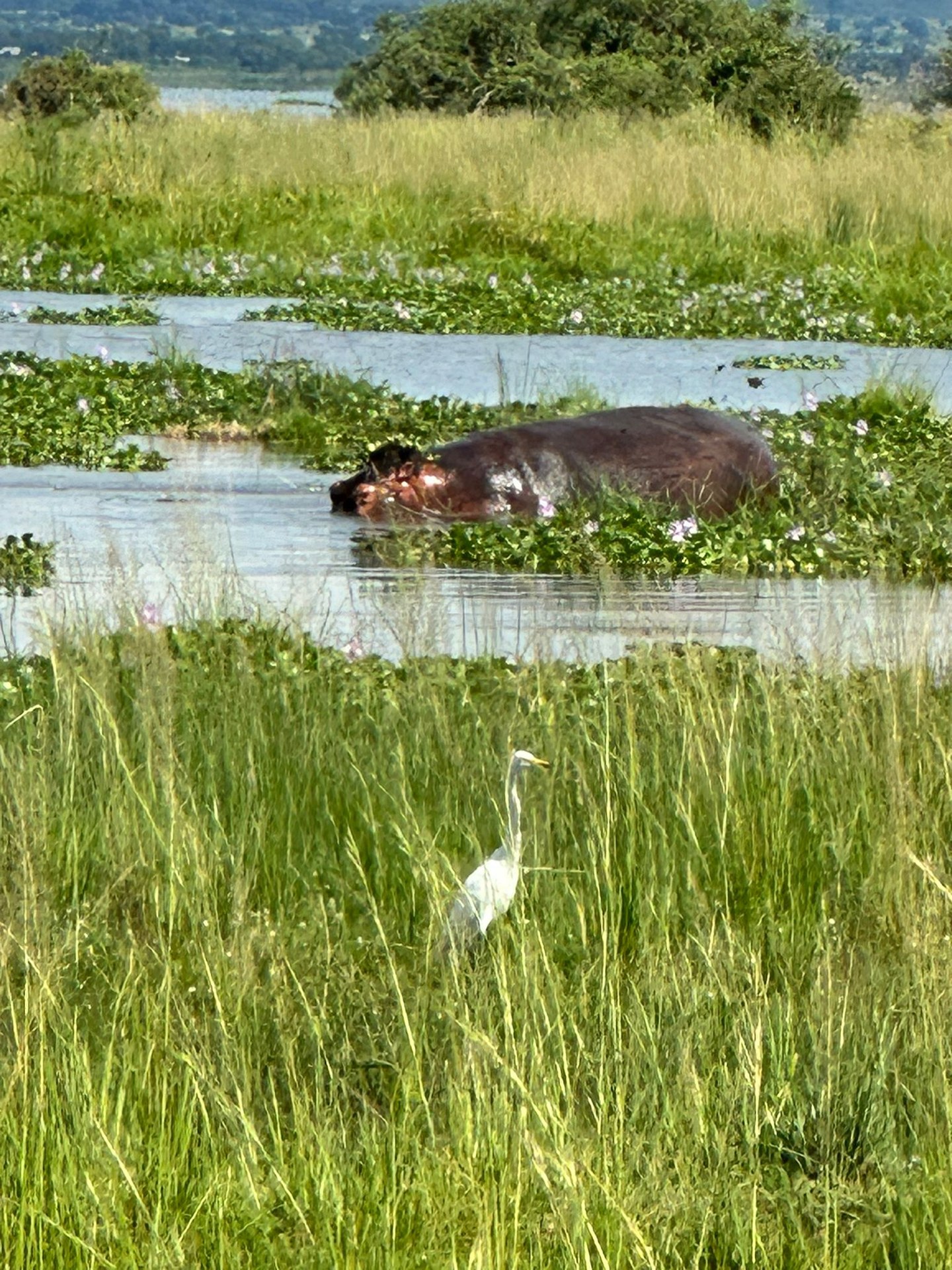
Hippopotamus and heron in Murchison Falls National Park
Hippopotamus, Egret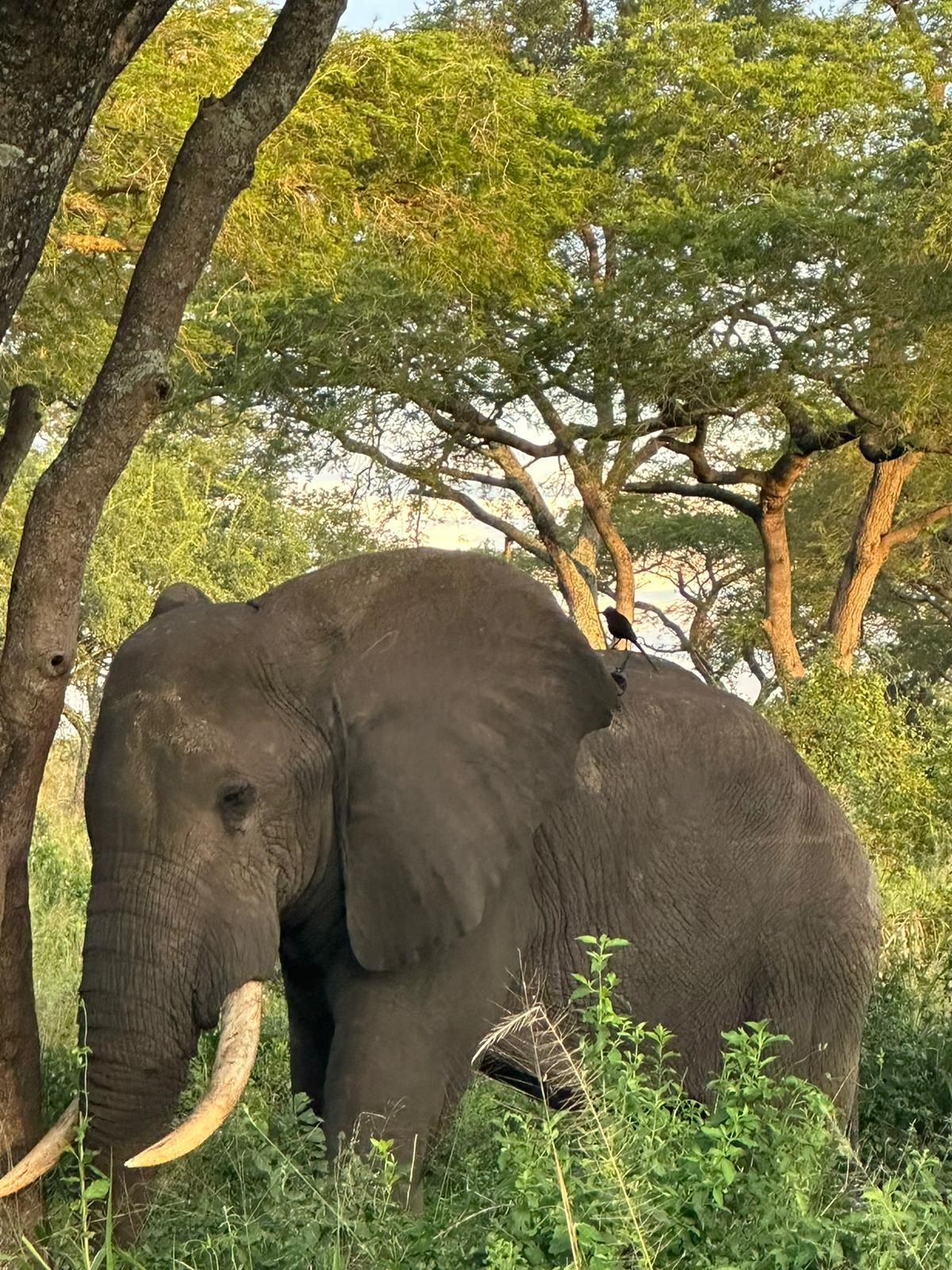
Elephant with bird in Murchison Falls National Park
Elephant, Bird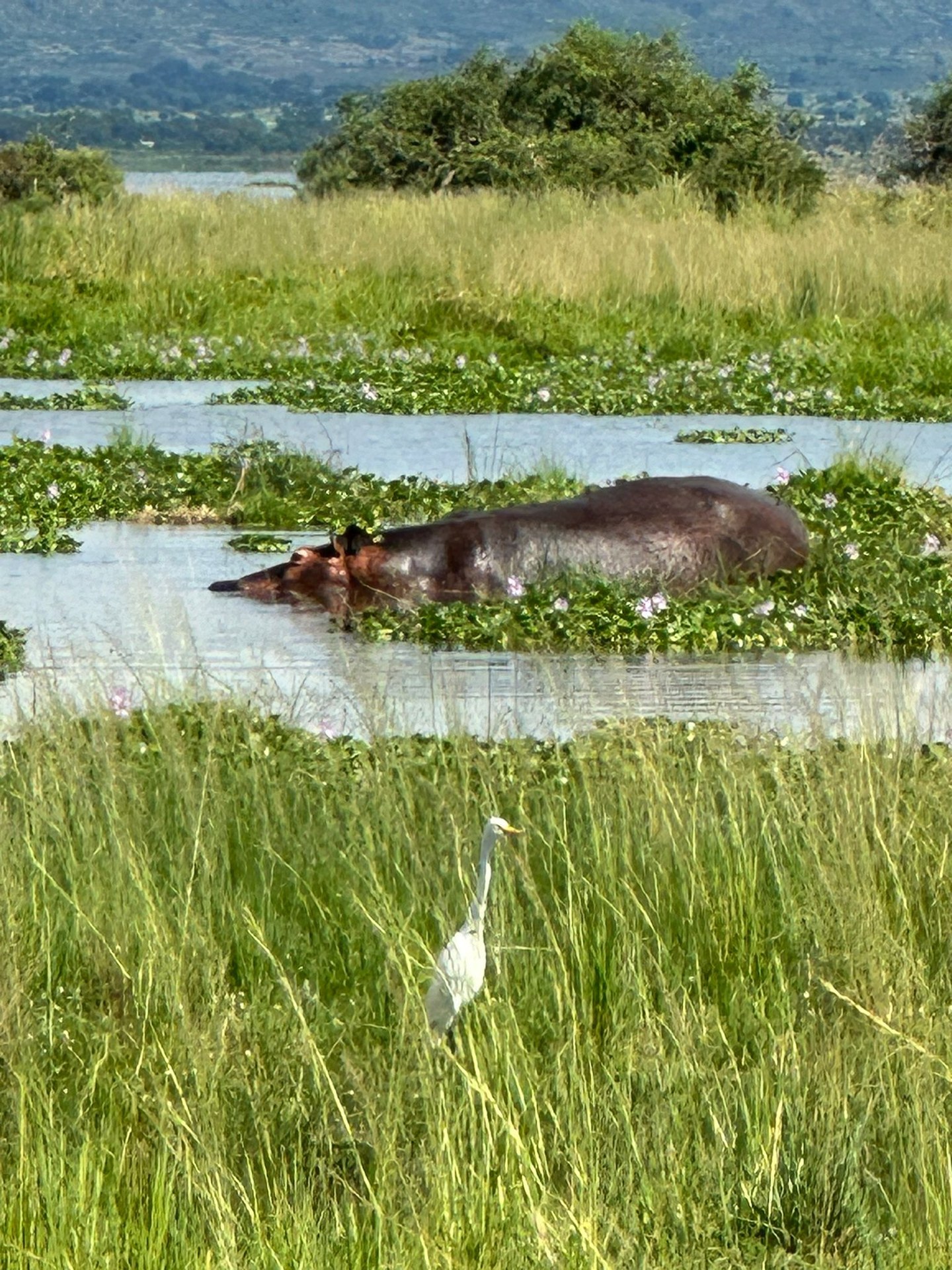
Hippopotamus in the swamp of Murchison Falls National Park
Hippopotamus, Egret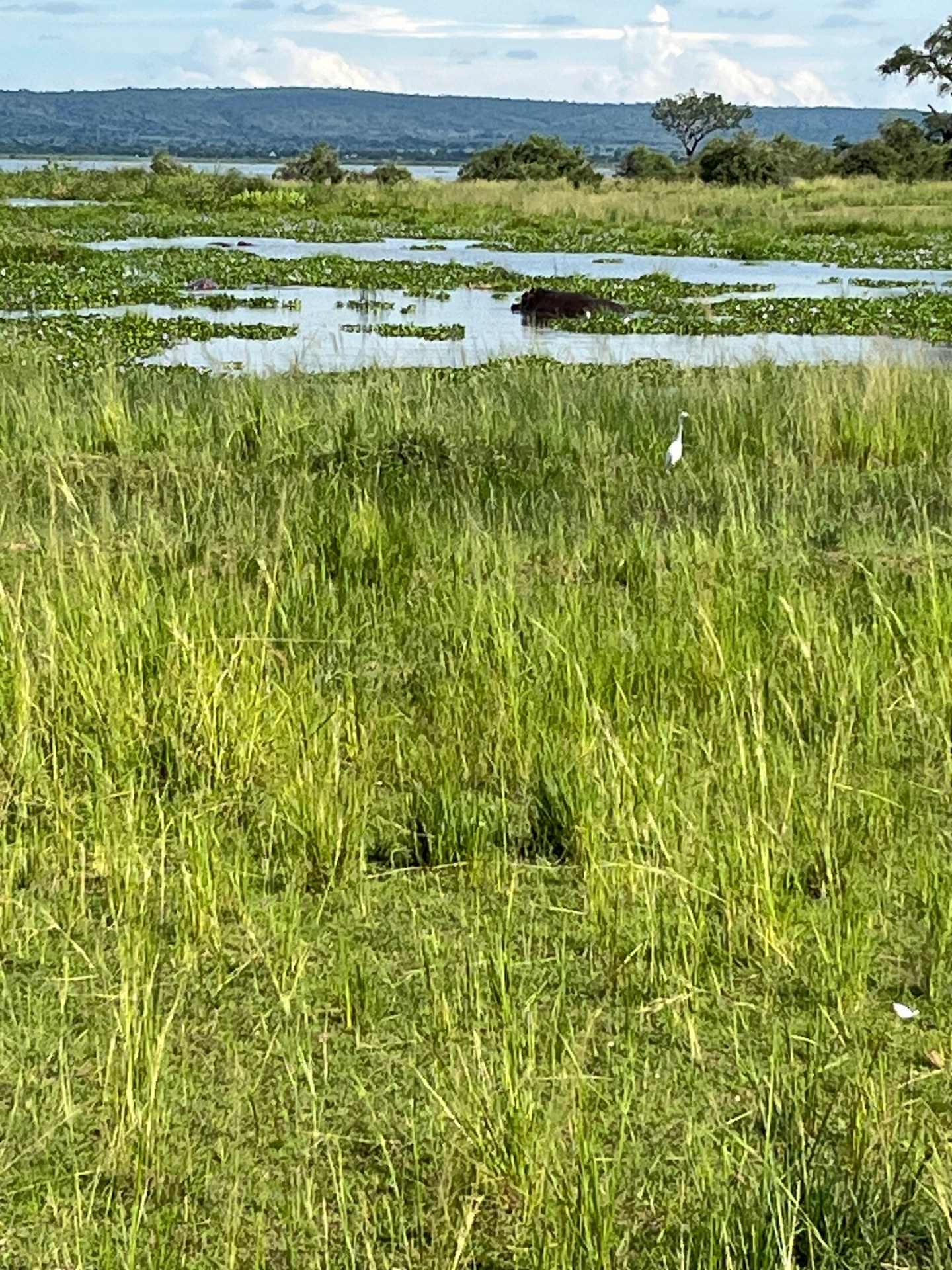
Hippopotamus in the wetlands of Murchison Falls National Park
Hippopotamus, Heron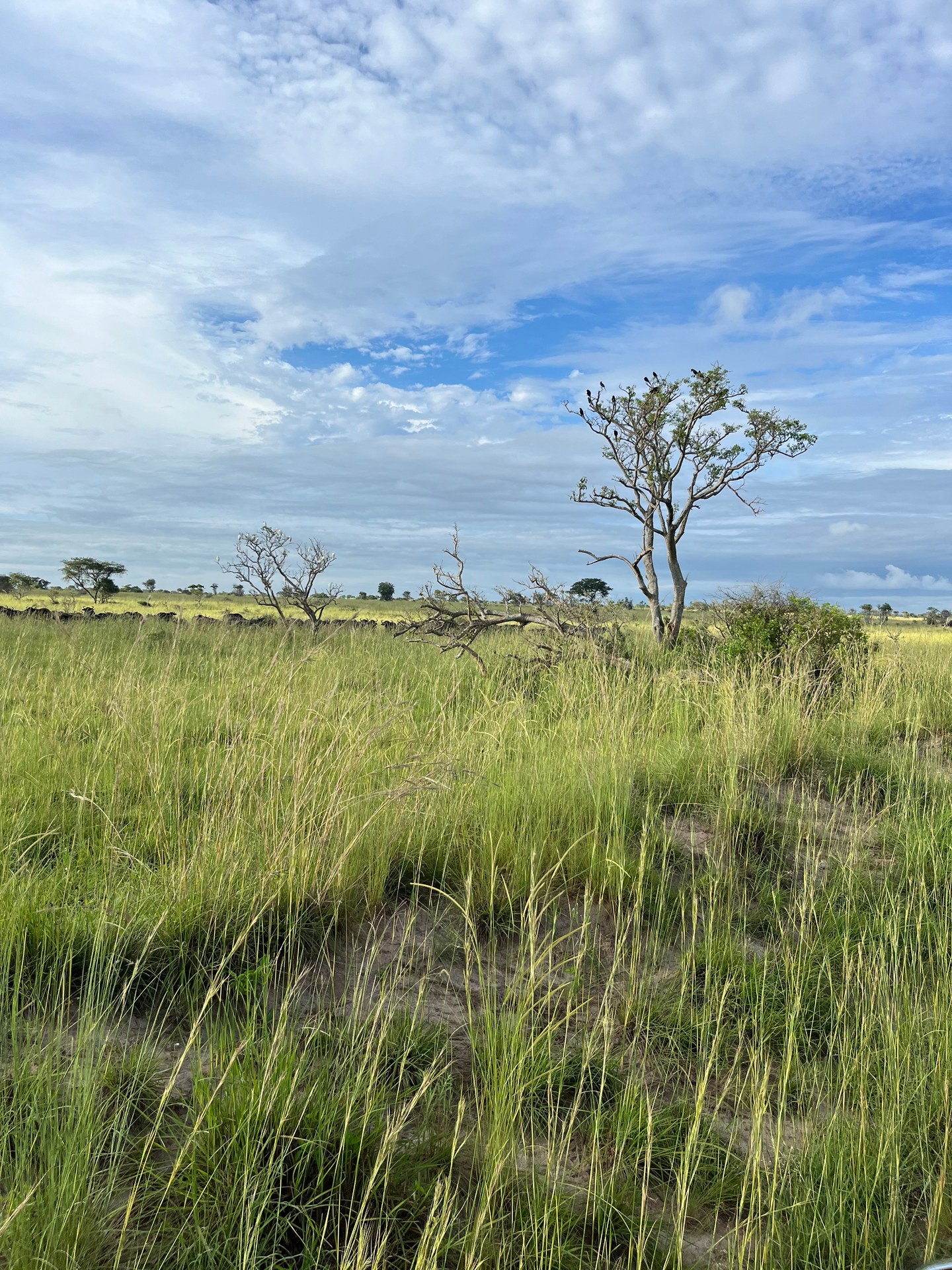
Wide savanna in Murchison Falls National Park at sunset
Birds, Wildlife on the horizon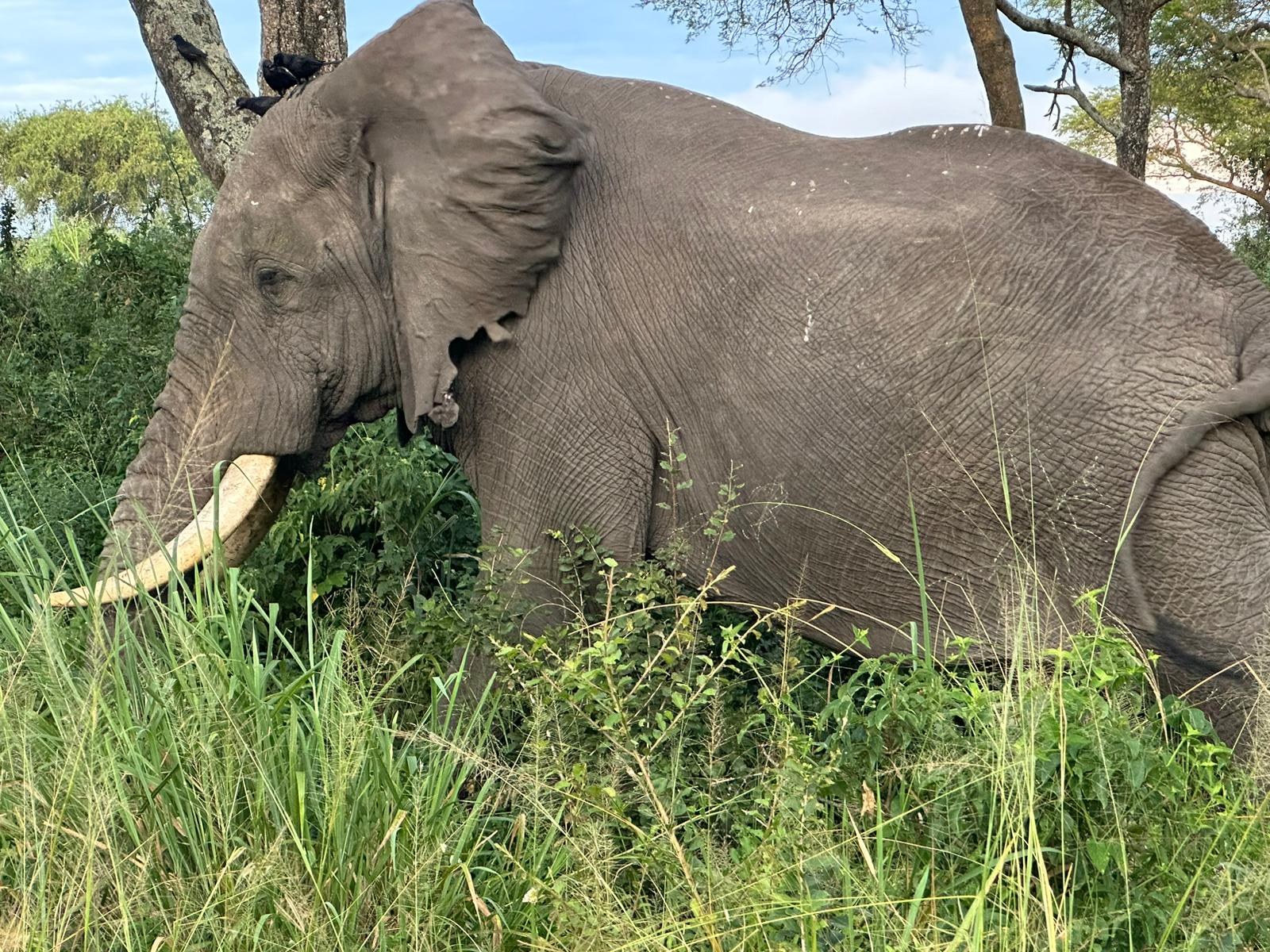
Elephant in Murchison Falls National Park, Uganda
ElephantsBirding Practicalities
Birding in Bwindi requires patience and good guides. The dense forest canopy limits visibility, and many species are identified first by call. Experienced local guides stationed at each sector are intimately familiar with bird territories and seasonal patterns.
Recommended equipment includes binoculars (8x42 or 10x42), a field guide such as “Birds of East Africa” by Stevenson and Fanshawe, waterproof clothing, and sturdy footwear. Recording devices can be useful for playback confirmation, though excessive playback should be avoided to minimize disturbance to nesting birds.
Frequently Asked Questions
Related Articles
Birdwatching Guide for Bwindi
Uganda Bird Guide: 1,063 Species
Rainforest Birds of Bwindi Region
Bwindi Bird Checklist
Buhoma Bird Species: 87 Documented
Tropical Forest Birds of Bwindi
Hornbills of Uganda
Vultures of Uganda
Grey Crowned Crane: Uganda's National Bird
Weaver Birds of Uganda
Cisticola Species in Uganda
Shrikes of Uganda: 11 Species
Batis Species at Bwindi
Black Flycatcher in Buhoma
Murchison Falls Birds
Murchison Waterbirds: Nile Species
Murchison Falls: Sector Birdwatching Guide
Kibale & Lake Mburo Birds
Mammals of Bwindi
Endemic Species
The Forest Ecosystem
Ruhija Sector