Mammals of Bwindi
Over 120 mammal species inhabit this ancient forest, from the iconic mountain gorilla to elusive forest elephants and rare golden cats.
Bwindi Impenetrable National Park supports one of the richest assemblages of mammalian fauna in Africa. With more than 120 documented species, the park's mammal community reflects the extraordinary habitat diversity of this ancient montane forest, which ranges from lowland forest at 1,160 meters to Afro-alpine zones above 2,500 meters.
Primates
The most celebrated mammals in Bwindi are its primates. The park is home to approximately 459 mountain gorillas (Gorilla beringei beringei), representing nearly half the world's total population. Alongside gorillas, Bwindi supports chimpanzees, olive baboons, black-and-white colobus monkeys, red-tailed monkeys, blue monkeys, L'Hoest's monkeys, grey-cheeked mangabeys, and Demidoff's galagos.
Large Mammals
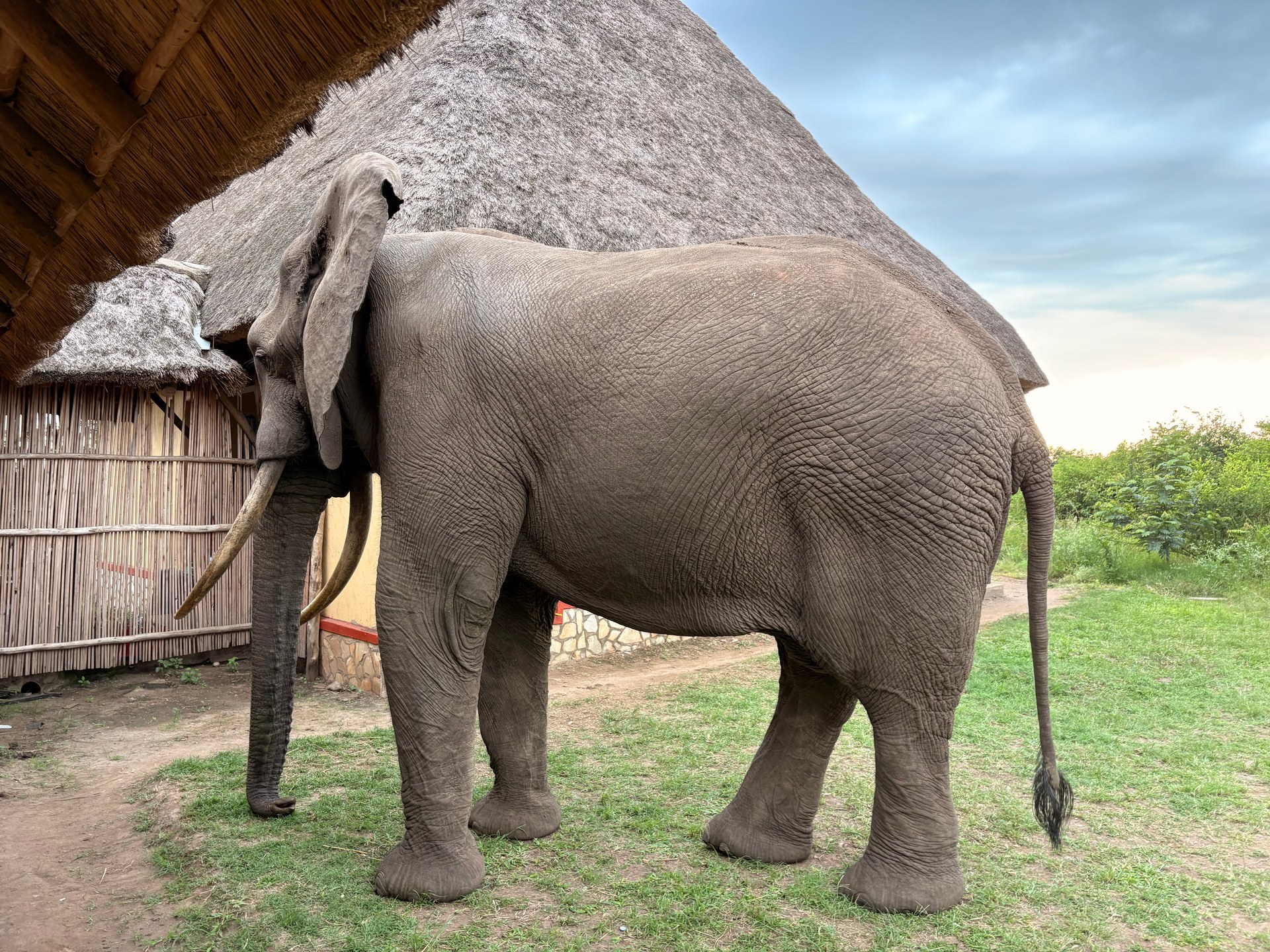
African forest elephants (Loxodonta cyclotis) traverse the park's dense undergrowth, though they are seldom seen by visitors. Giant forest hogs, the world's largest wild pig species, forage in Bwindi's undergrowth. Several species of duiker, including the yellow-backed duiker and black-fronted duiker, inhabit the forest floor, while bushbuck browse along forest edges and clearings.
Carnivores
Bwindi's carnivore community is diverse but highly secretive. The African golden cat (Caracal aurata), one of Africa's least-known felids, has been confirmed through camera trap surveys. Side-striped jackals, African civets, servaline genets, and several mongoose species contribute to the predator guild. These carnivores play a vital role in regulating populations of rodents, hyraxes, and smaller mammals.
Small Mammals and Bats
The forest teems with smaller mammals that often go unnoticed. Multiple species of shrews, rats, and mice occupy every ecological niche from the forest floor to the canopy. Bwindi's bat fauna is particularly rich, with fruit bats, horseshoe bats, and free-tailed bats roosting in tree hollows, caves, and beneath bark. These small mammals are essential for seed dispersal, pollination, and nutrient cycling within the ecosystem.
Primates and Mammals in the Wild
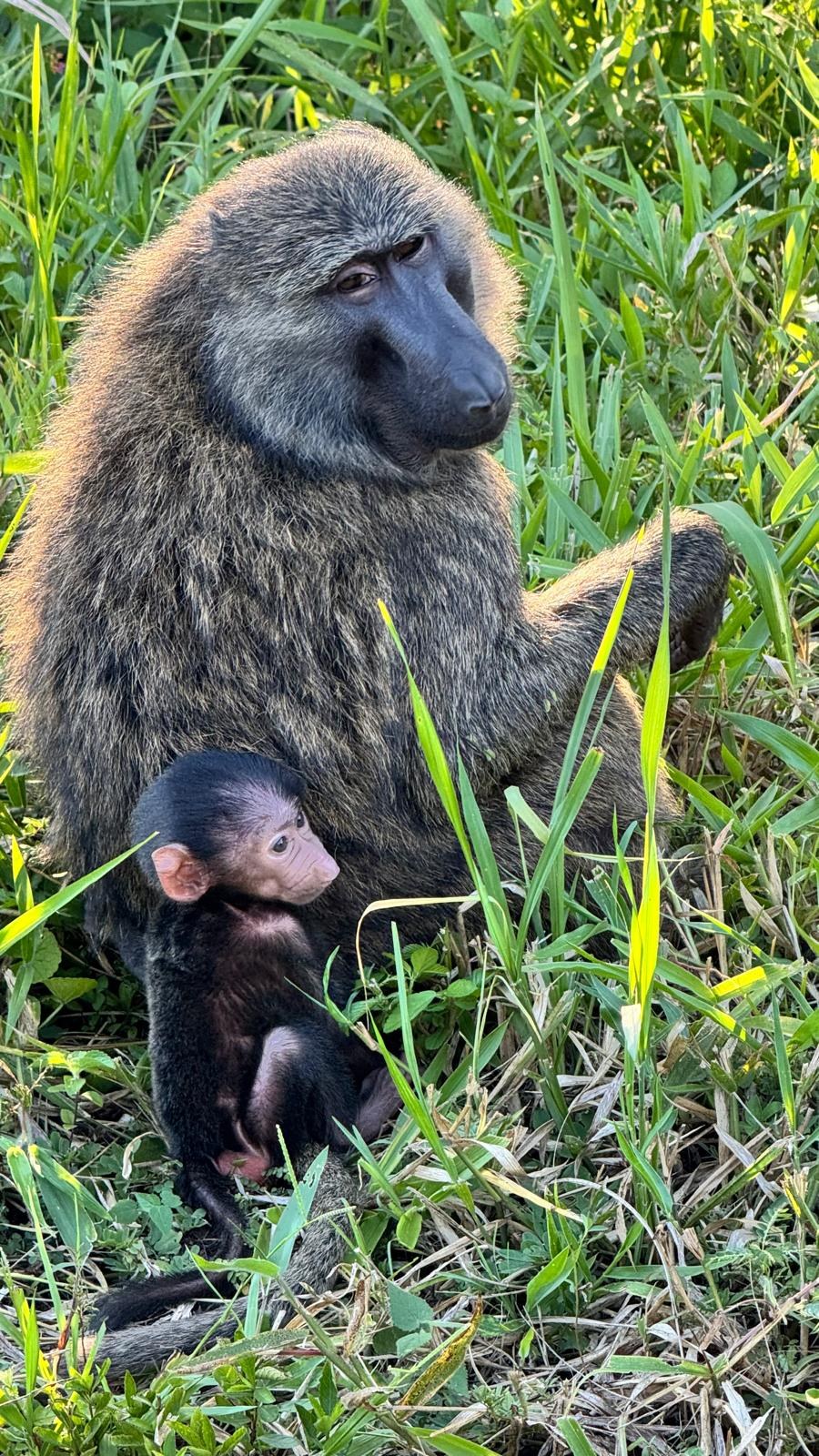
Mother baboon with baby in Murchison Falls Park
Baboons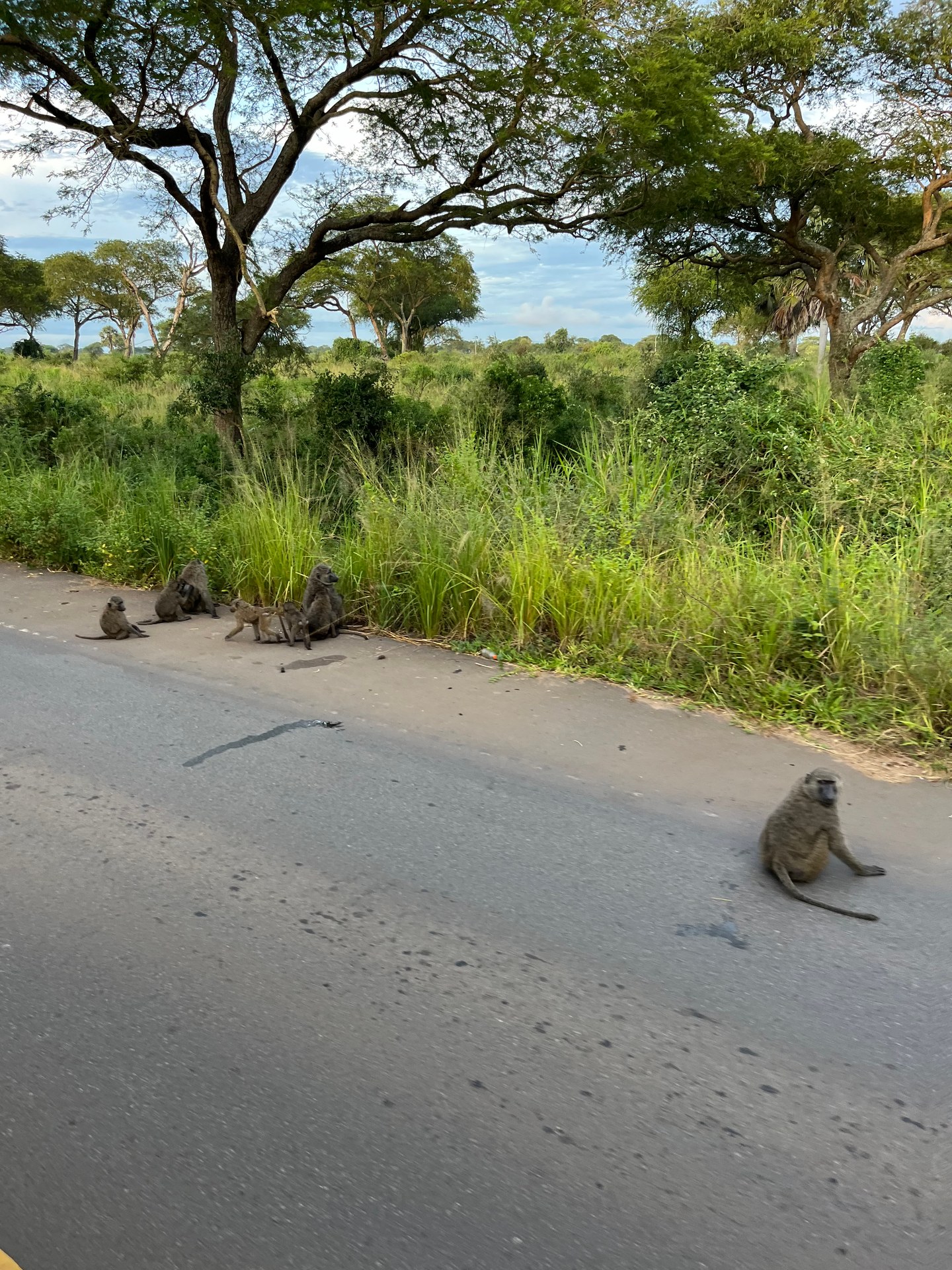
Baboons on the road in Murchison Falls National Park
Olive Baboons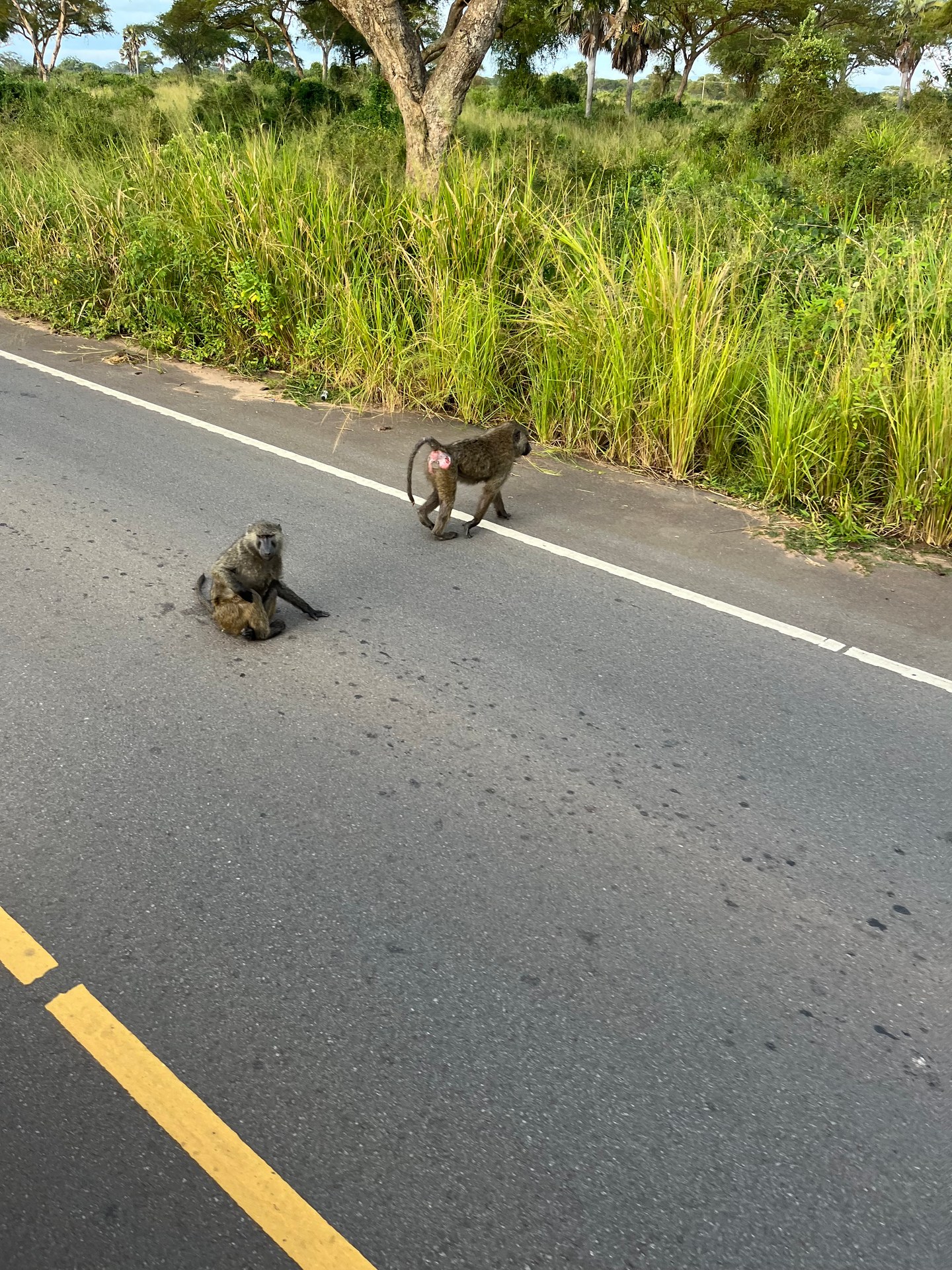
Baboons on the road in Murchison Falls National Park
BaboonsElephant explores thatched lodge in Queen Elizabeth National Park
Elephant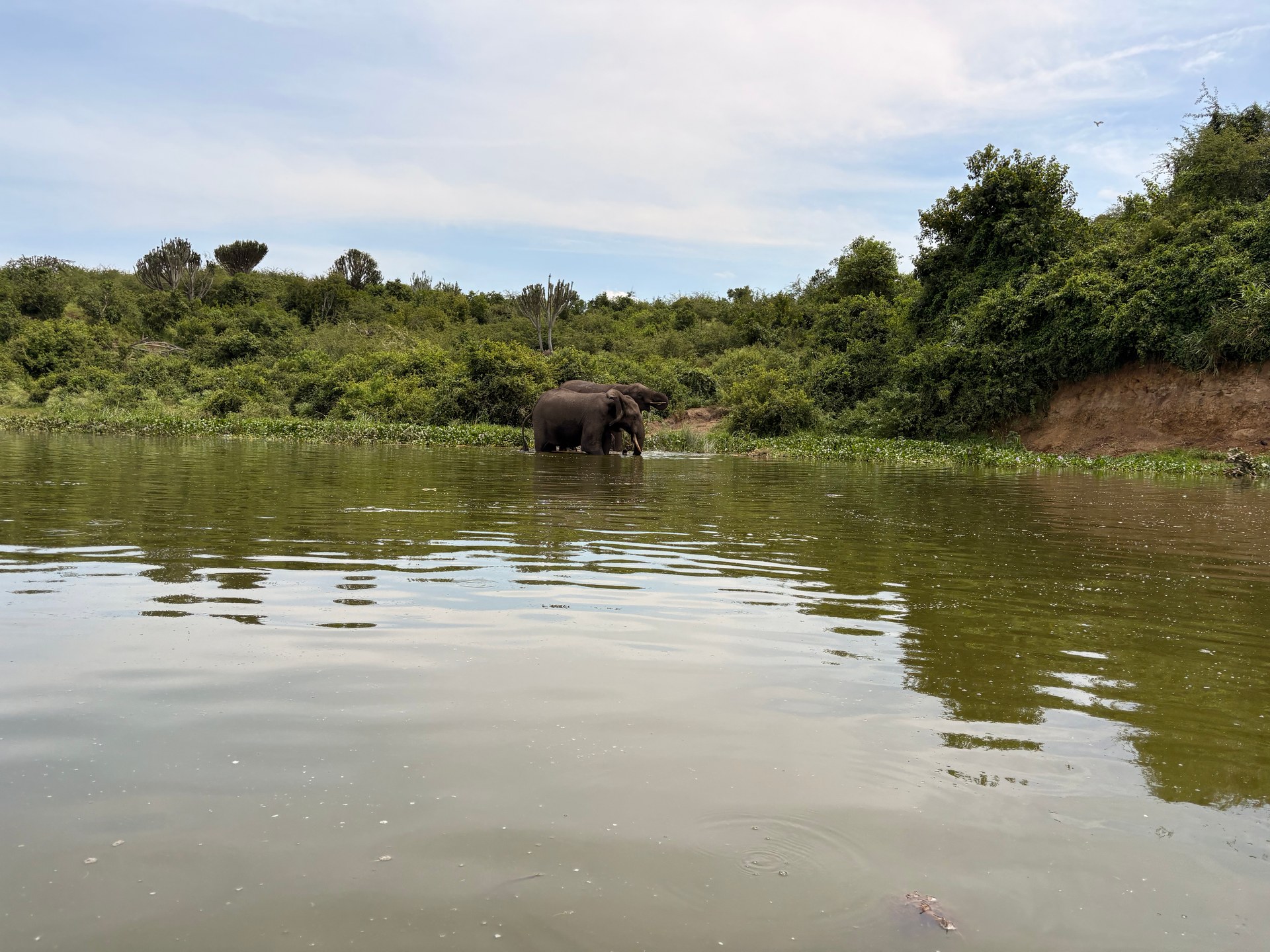
Elephant at the shore of Queen Elizabeth National Park
Elephants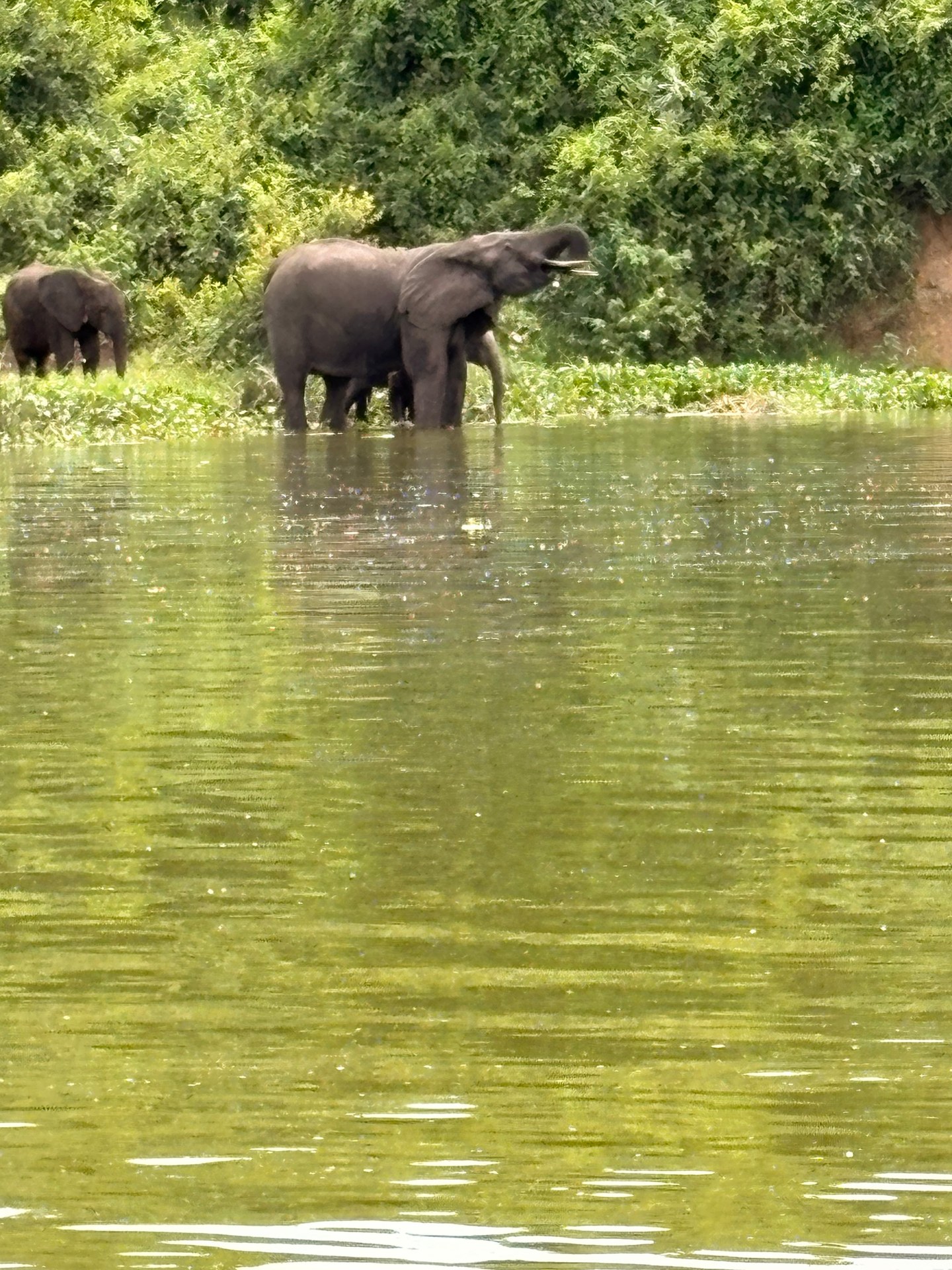
Elephants drinking at the shore of Queen Elizabeth Park
ElephantsConservation Challenges
Despite Bwindi's protected status, its mammal populations face ongoing threats. The park's relatively small size means that large-ranging species like elephants sometimes venture into surrounding farmland, leading to human-wildlife conflict. Snare-related injuries, intended for smaller game, occasionally affect primates and other mammals.
Conservation programs, including snare-removal patrols, community revenue-sharing, and veterinary intervention teams, have been instrumental in maintaining and growing populations. The mountain gorilla population has increased steadily since the 1990s, a testament to the effectiveness of sustained conservation investment.