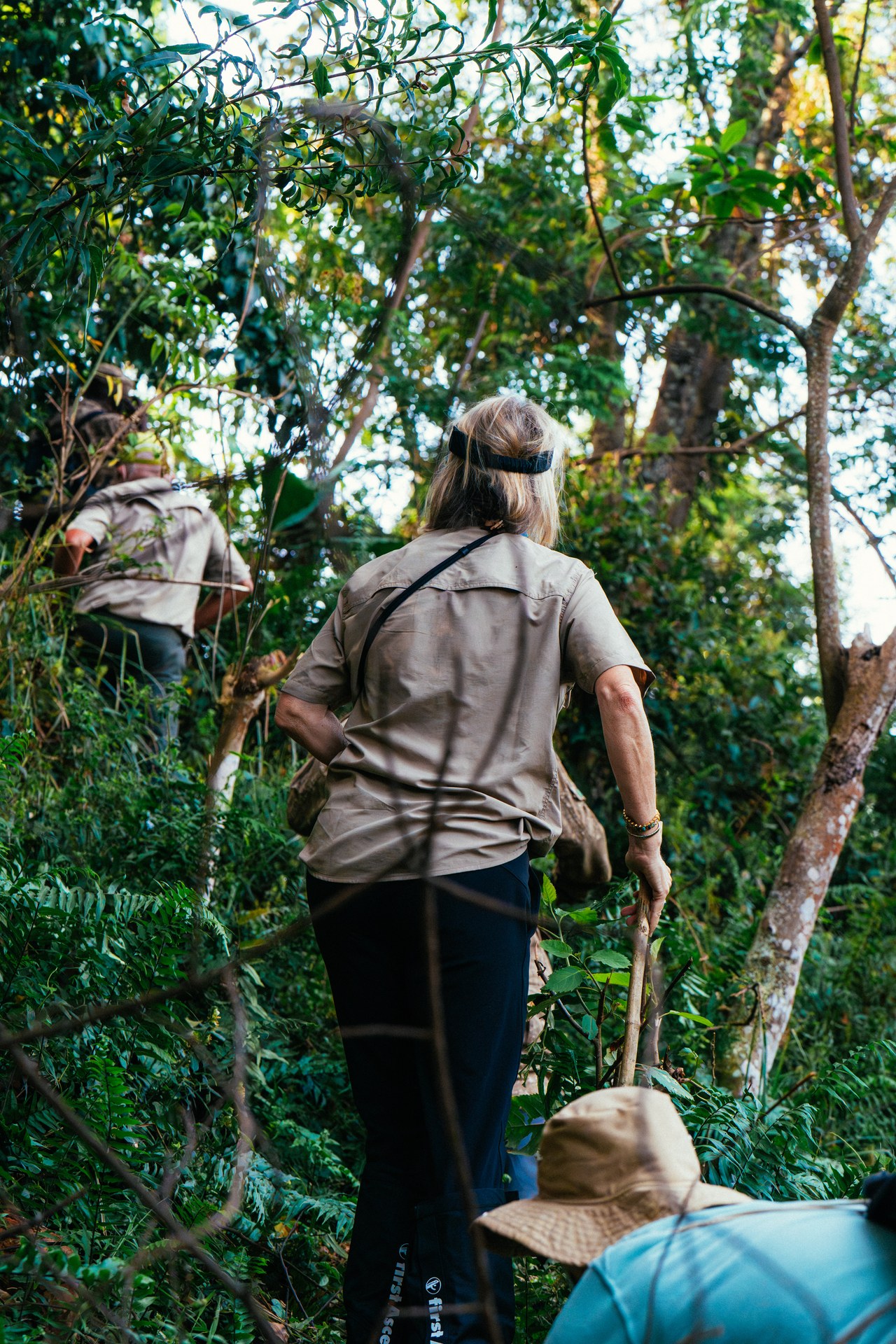
A Conservation Success Story
Bwindi Impenetrable National Park stands as one of Africa's greatest conservation achievements. When the area was gazetted as a national park in 1991, the mountain gorilla population numbered roughly 300 individuals, and the species was considered critically endangered with a declining trajectory. Today, more than 459 mountain gorillas inhabit Bwindi's dense forests, representing nearly half the world's entire mountain gorilla population. This remarkable recovery is the result of decades of coordinated effort involving government agencies, international organizations, local communities, and the tourism industry.
Multi-Layered Protection
Conservation in Bwindi operates on multiple fronts. Uganda Wildlife Authority (UWA) rangers conduct daily patrols across the park's 321 square kilometers, removing snares and monitoring for illegal activities. The Gorilla Doctors program provides veterinary care to sick or injured gorillas, performing life-saving interventions when needed. The International Gorilla Conservation Programme (IGCP), a coalition of conservation organizations, coordinates transboundary protection efforts across Uganda, Rwanda, and the Democratic Republic of Congo — the only three countries where mountain gorillas survive.
The Role of Tourism
Gorilla tourism has transformed the economic landscape around Bwindi. Trekking permits generate millions of dollars annually, funding park operations, ranger salaries, and infrastructure maintenance. The revenue-sharing program channels 20% of park entrance fees directly to surrounding communities, financing schools, health centers, roads, and water systems. This financial link between gorilla survival and community prosperity has been instrumental in building local support for conservation.
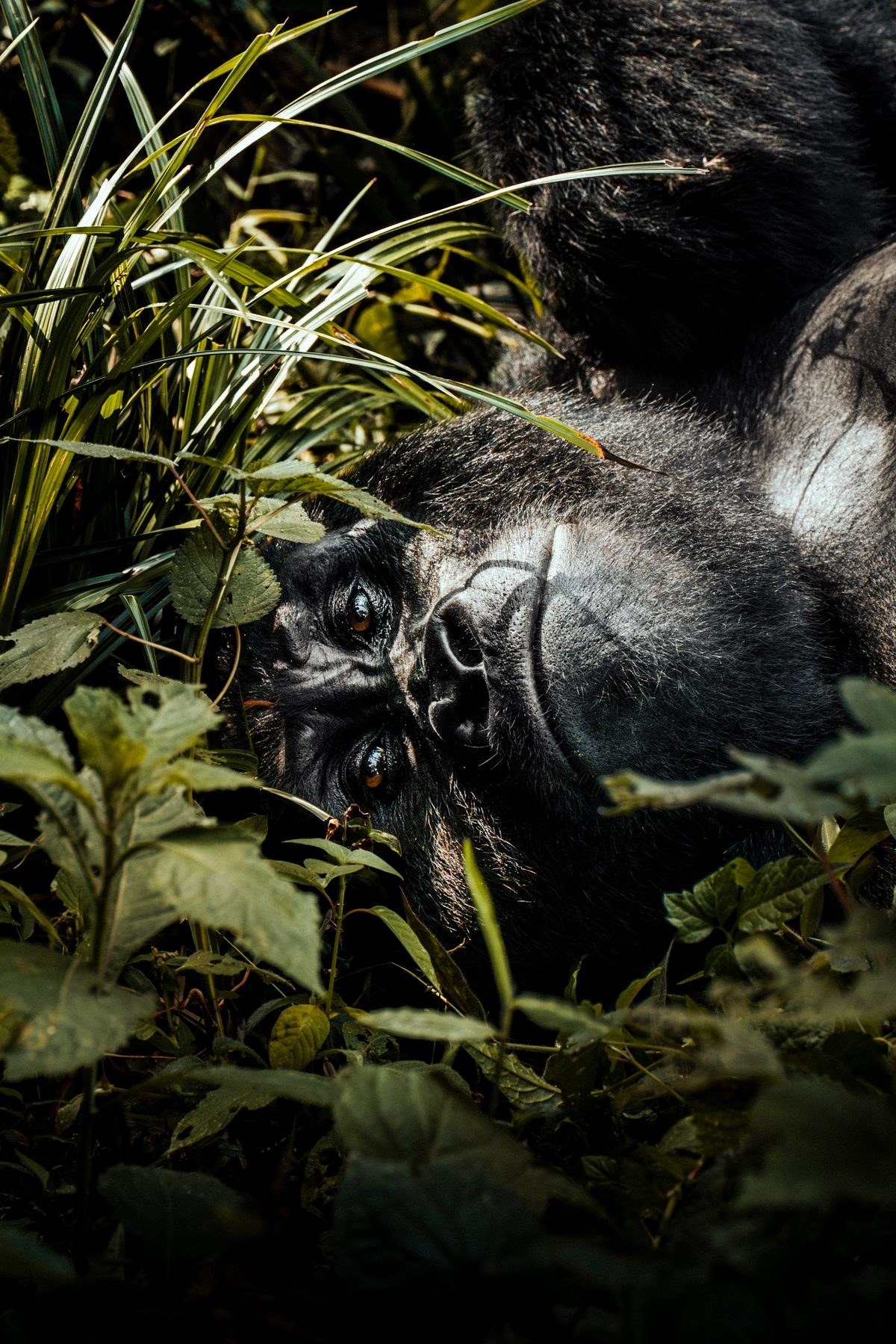
Silverback in the thicket, gazing into ancient eyes
Gorillas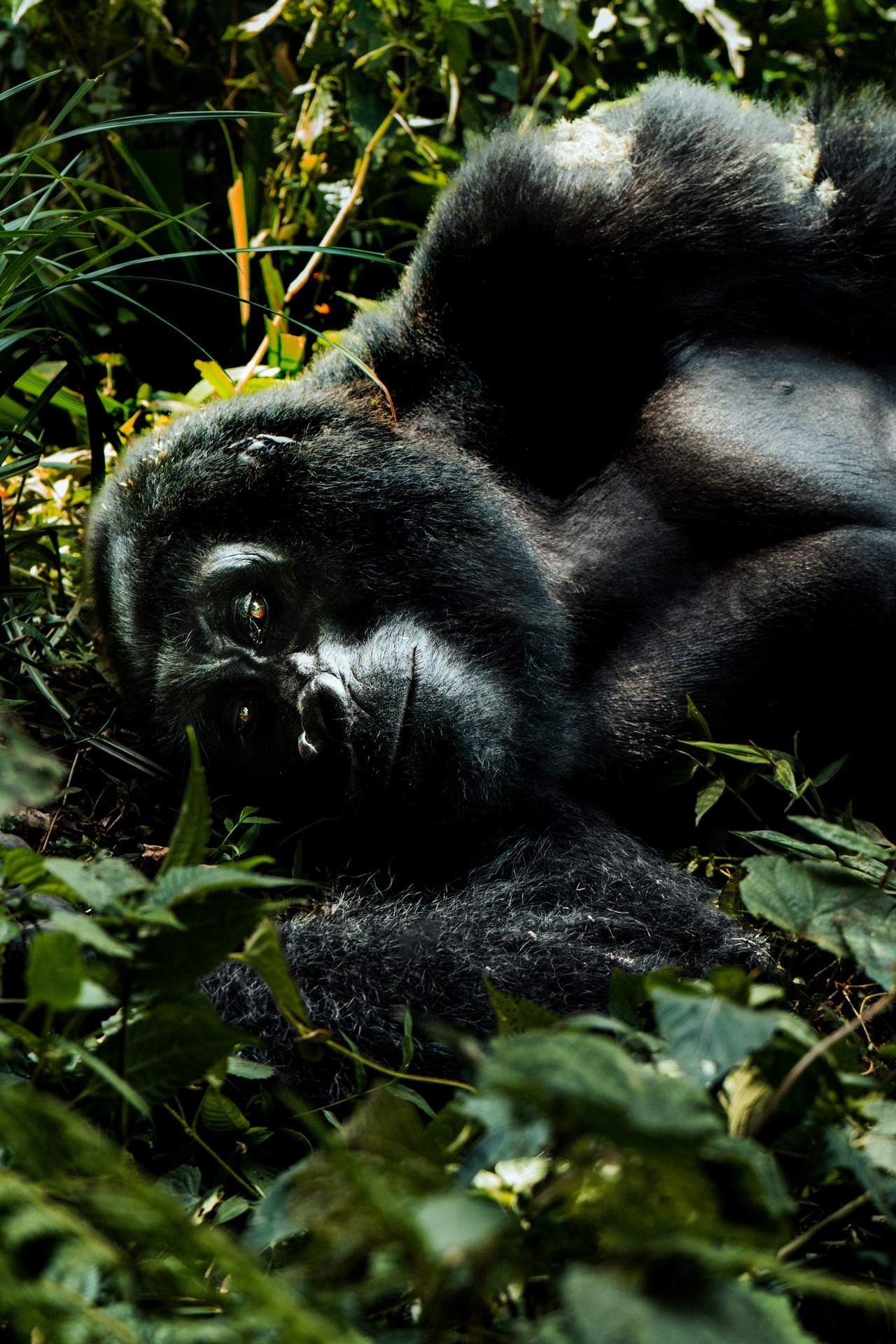
Silverback resting in Bwindi rainforest
Mountain Gorilla (Silverback)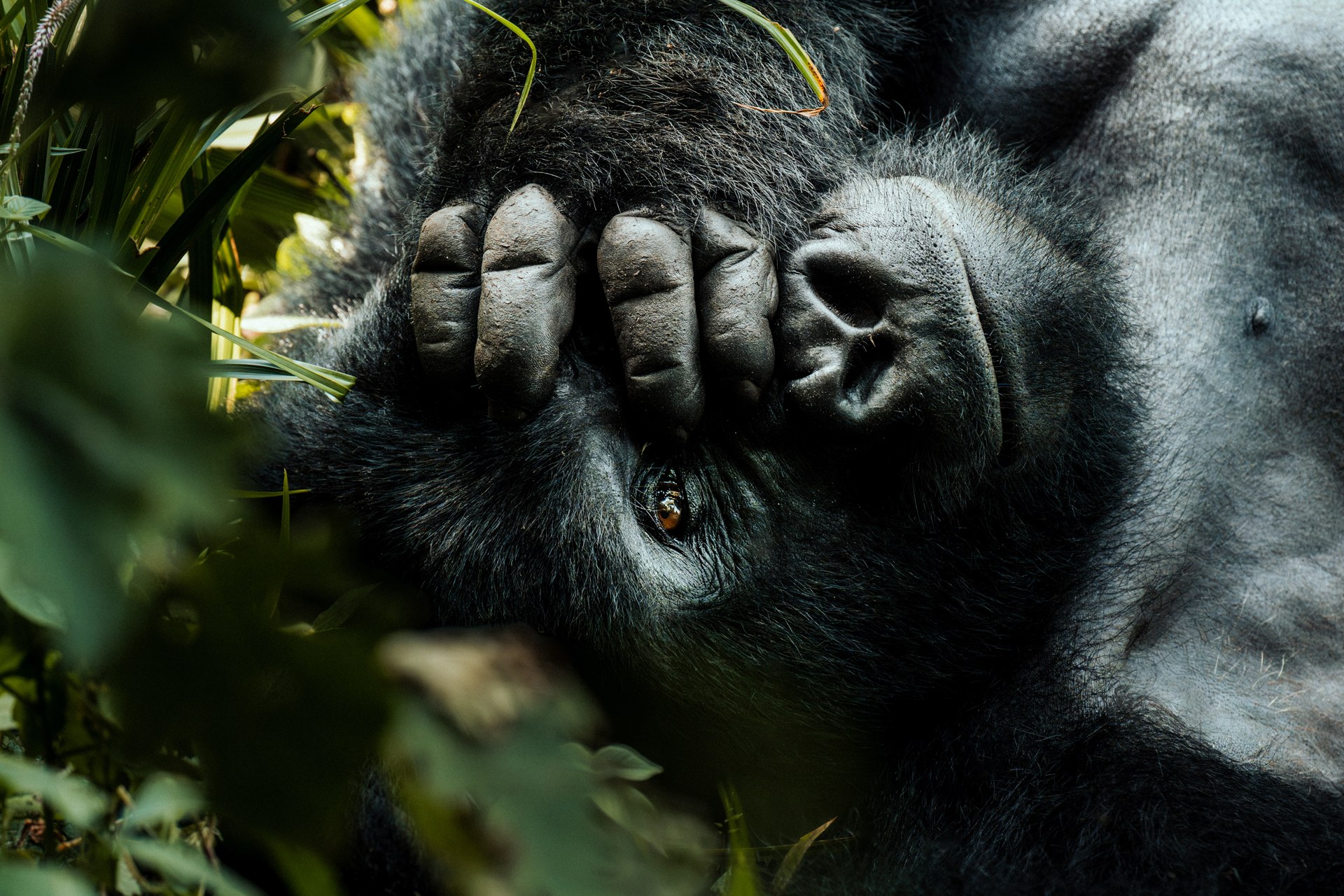
Gorilla covering its face with its hand
Mountain Gorilla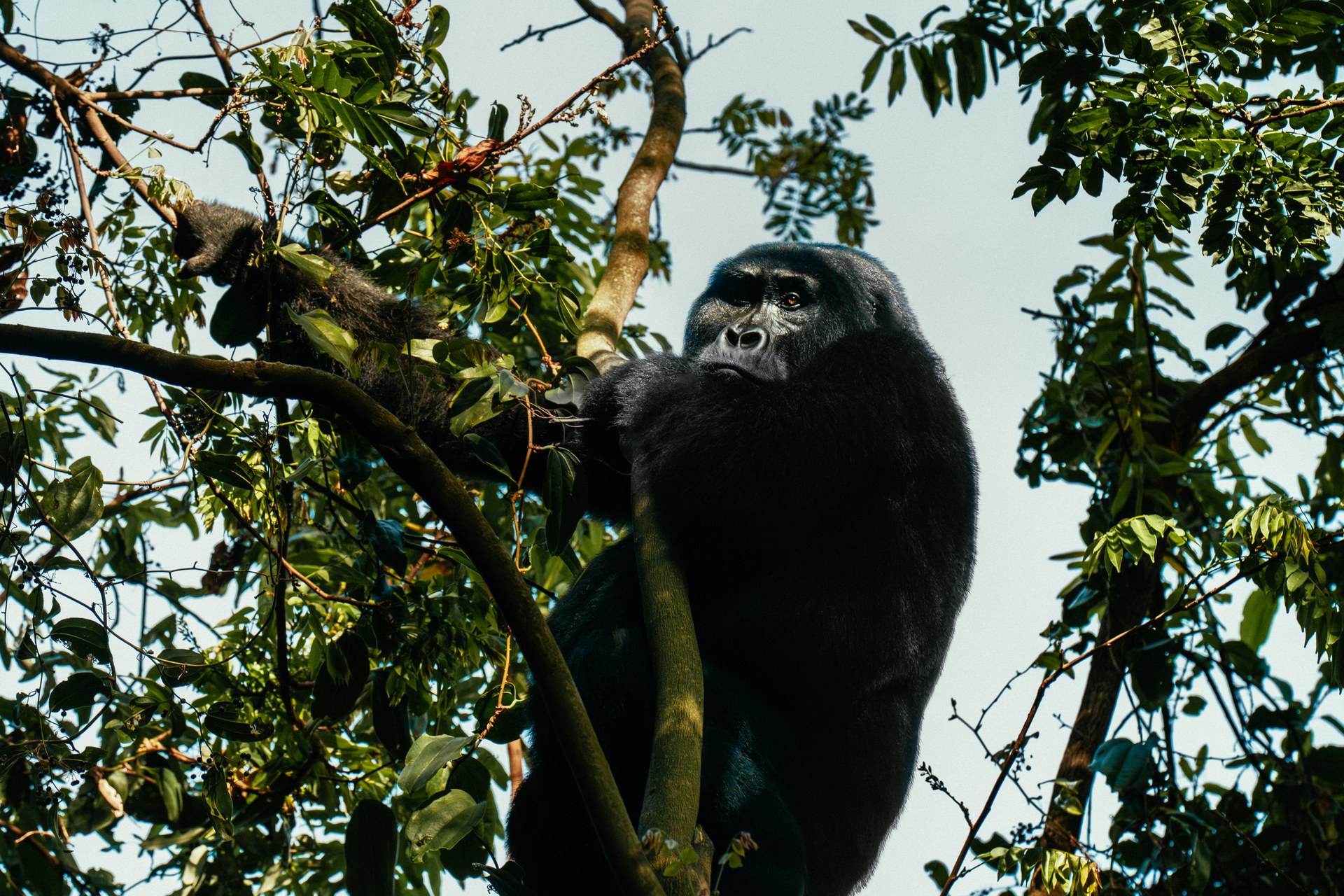
Silverback sitting majestically in Bwindi rainforest
Mountain Gorilla (Silverback)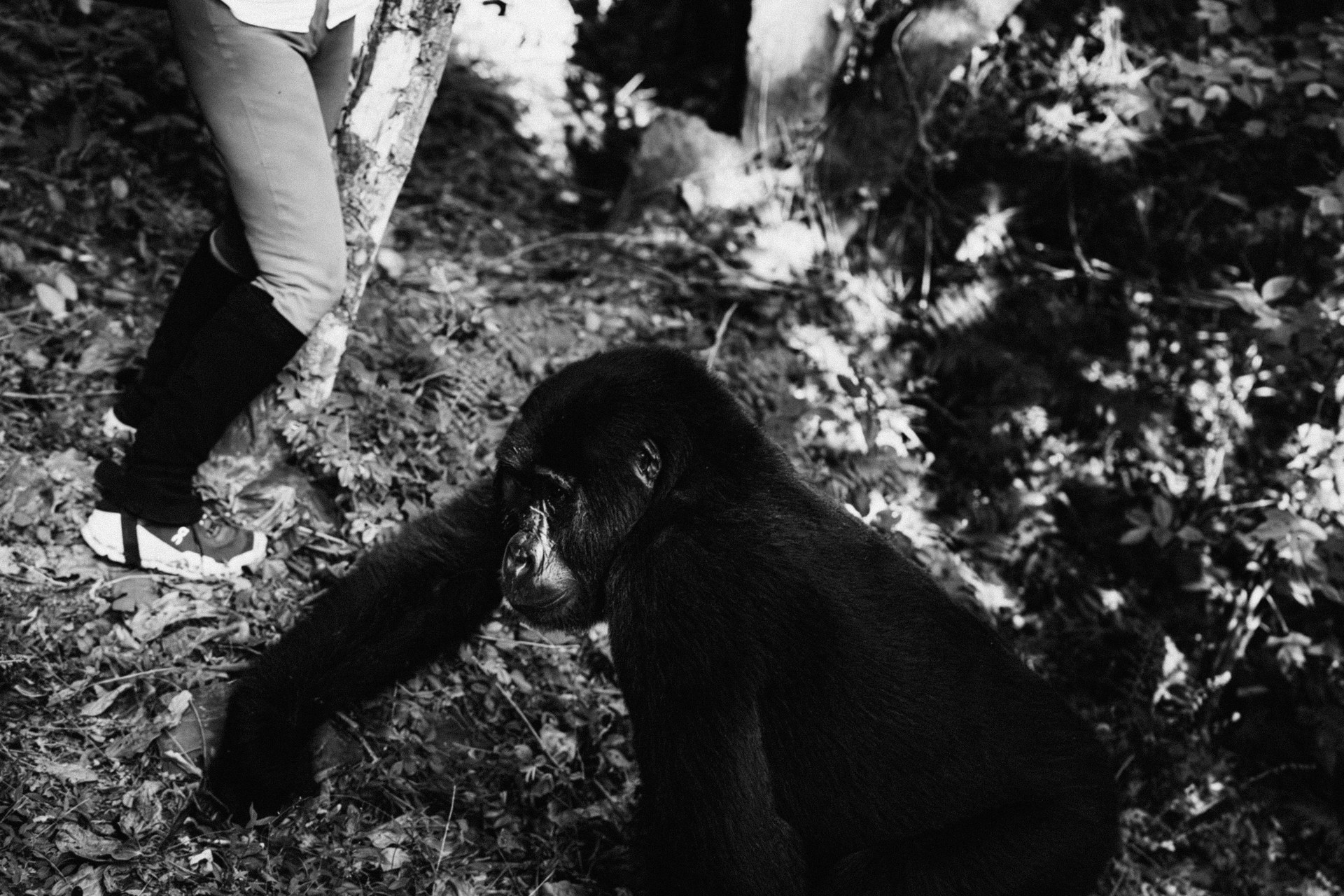
Young mountain gorilla on the forest floor in Bwindi
Mountain Gorilla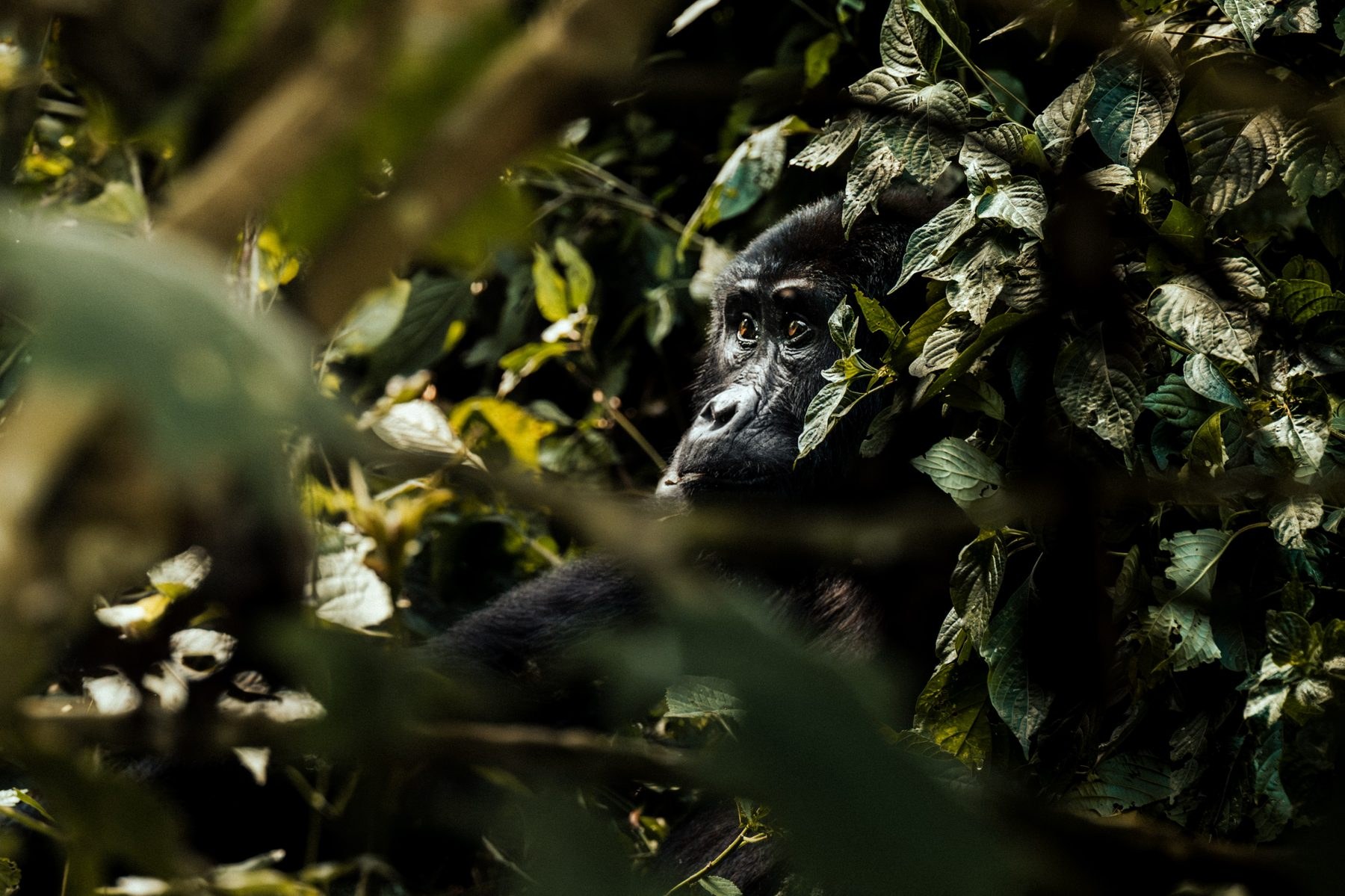
Gorilla in the thickets of Bwindi Impenetrable Forest
Mountain GorillaCommunity as Conservation Partners
Approximately 100,000 people live within five kilometers of Bwindi's boundaries. Their relationship with the park is complex: the forest provides vital ecosystem services including water, climate regulation, and medicinal plants, but crop-raiding wildlife and restrictions on forest use create real tensions. Successful conservation depends on addressing these tensions through equitable benefit-sharing, alternative livelihood programs, and collaborative problem-solving. Community conservation initiatives have become a cornerstone of Bwindi's protection strategy.
Ongoing Challenges
Despite significant progress, conservation in Bwindi faces persistent challenges. Population growth around the park increases pressure on forest boundaries. Climate change threatens to alter the delicate ecological balance of the montane forest. Disease transmission between humans and gorillas remains a constant concern, especially given the close proximity during trekking encounters. Illegal resource extraction, while greatly reduced, has not been eliminated entirely. And the global mountain gorilla population, while growing, still numbers fewer than 1,100 individuals — a figure that demands continued vigilance.
Looking Ahead
The future of gorilla conservation in Bwindi depends on sustaining the partnerships and programs that have driven recovery so far. Expanding buffer zones around the park, strengthening community enterprise programs, investing in long-term ecological monitoring, and maintaining the economic viability of gorilla tourism are all priorities. As the gorilla population grows, managing the interface between wildlife and human communities will become ever more important.
Frequently Asked Questions
Related Articles
Anti-Poaching Efforts in Bwindi
Community Conservation Programs
Human-Wildlife Conflict
Conservation History
Wildlife Monitoring
How Tourism Funds Conservation
Sustainable Gorilla Trekking
Mountain Gorilla Families
Community Benefit Sharing at Bwindi
Uganda's 30% Large Carnivore Target: Can It Be Met by 2034?
Endangered Species in Uganda
Conservation and Ecotourism in Uganda
Gorilla Health Monitoring
Bwindi and Climate Change
Boundary Management at Bwindi
Who Protects Bwindi? NGOs and Partners
Revenue Sharing Program at Bwindi
Protected Areas in Uganda
Land Vulnerability Analysis
Forestry EIA Requirements at Bwindi
Transboundary Climate Impacts
Biodiversity Offsets in Uganda
ESIA Stakeholder Consultation
Critical Habitats in Uganda
Biodiversity Partnerships
Protected Areas in Alebtong District
Gorilla Habitat Metrics & Species Protection