Knowing What You Protect
Effective conservation requires data. In Bwindi Impenetrable National Park, a comprehensive wildlife monitoring system provides the information that park managers, researchers, and conservation partners need to make informed decisions. At the heart of this system is the daily tracking of every habituated gorilla group, but monitoring extends far beyond gorillas to encompass the park's extraordinary diversity of birds, mammals, amphibians, butterflies, and plant communities. Together, these monitoring programs build a detailed, evolving picture of the ecosystem's health.
Daily Gorilla Tracking
Every morning, teams of experienced UWA trackers set out to locate each of Bwindi's 25 habituated gorilla groups. The process begins at the previous day's nesting site, where the trackers pick up the group's trail and follow it through the forest. Along the way, they record the group's GPS location, note its composition (identifying individuals by their unique nose prints and physical characteristics), and observe any behavioral or health changes. Births, deaths, group transfers, injuries, and signs of illness are all documented. This daily record, maintained consistently over decades, constitutes one of the most detailed long-term datasets on any great ape population.
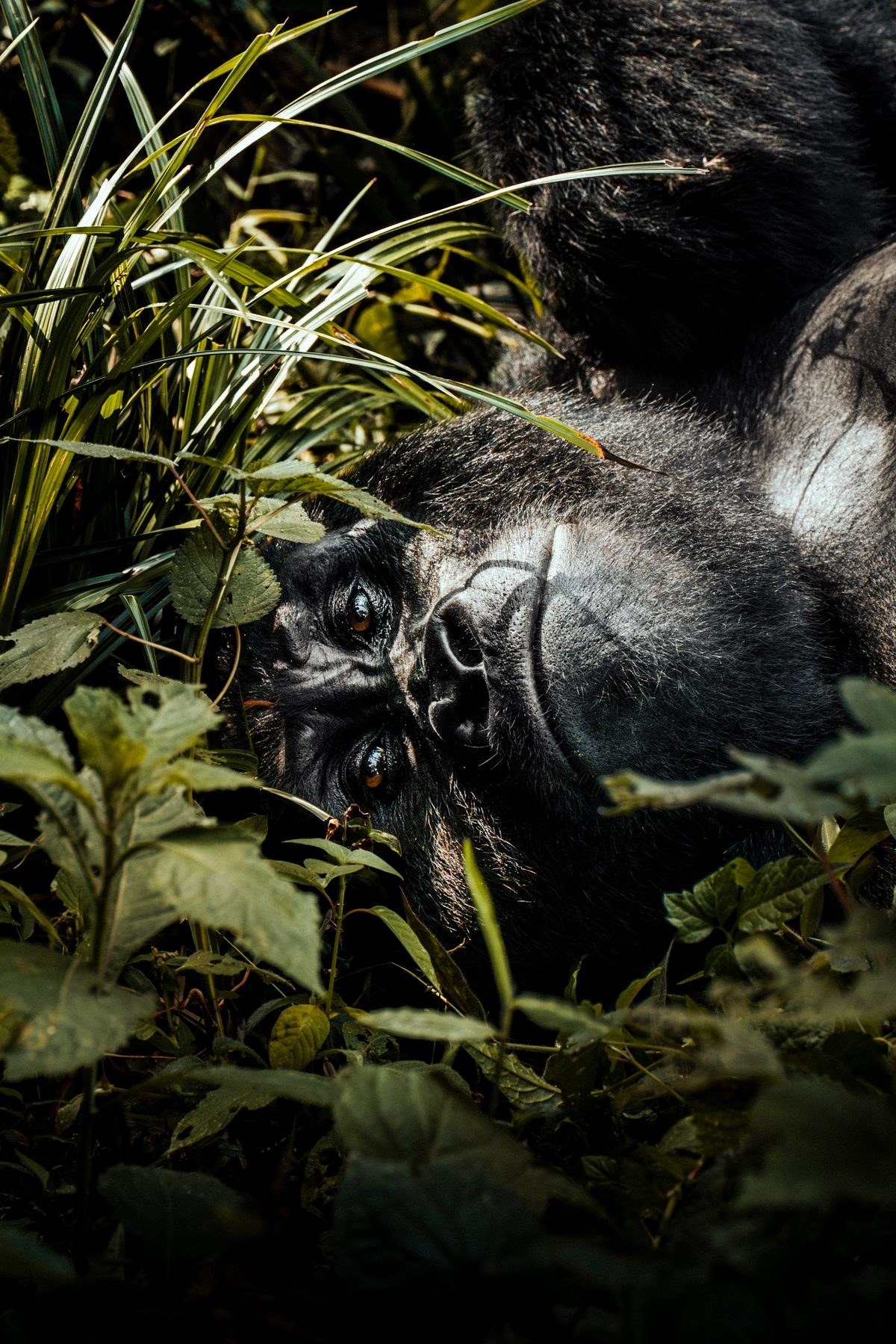
Silverback in the thicket, gazing into ancient eyes
Gorillas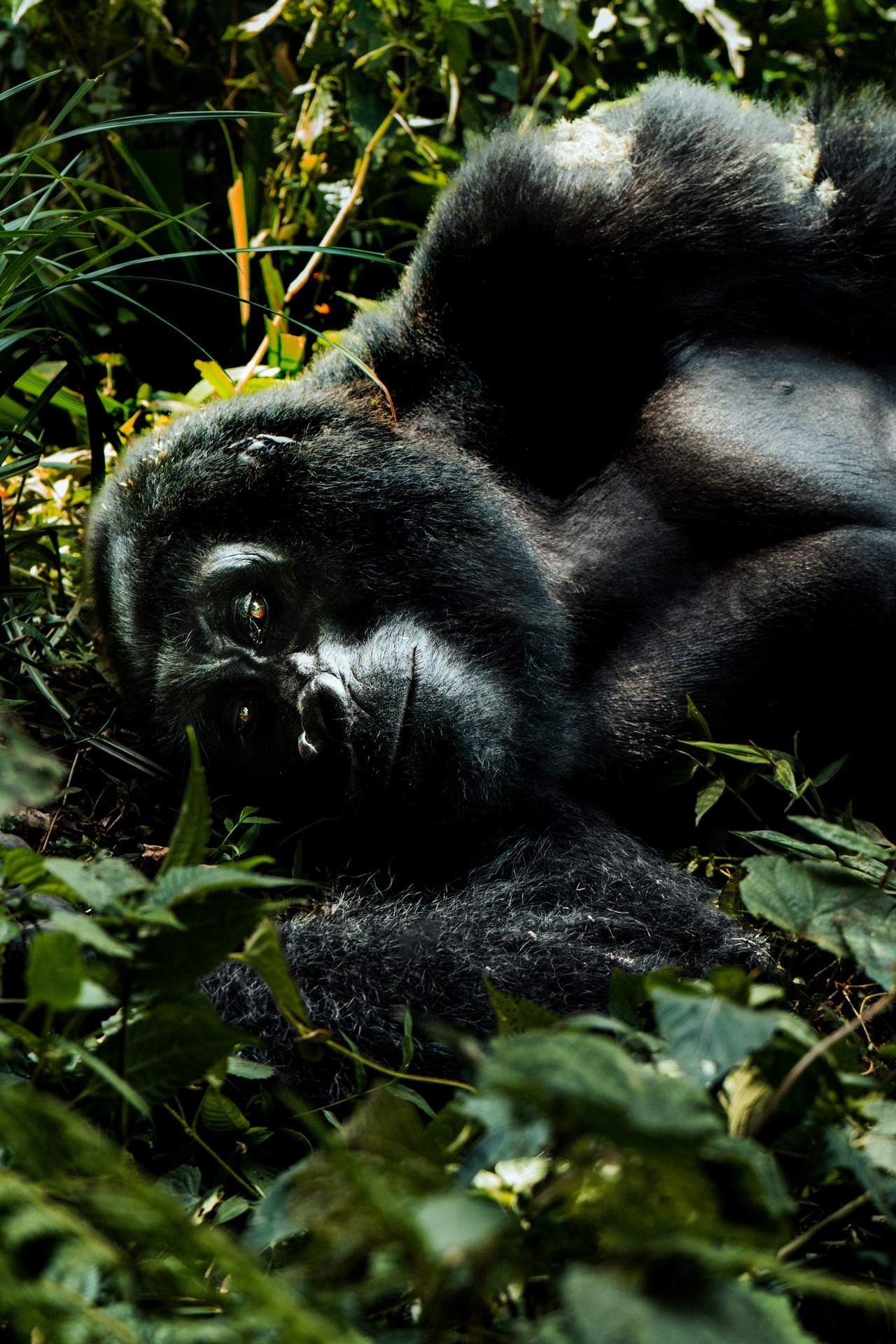
Silverback resting in Bwindi rainforest
Mountain Gorilla (Silverback)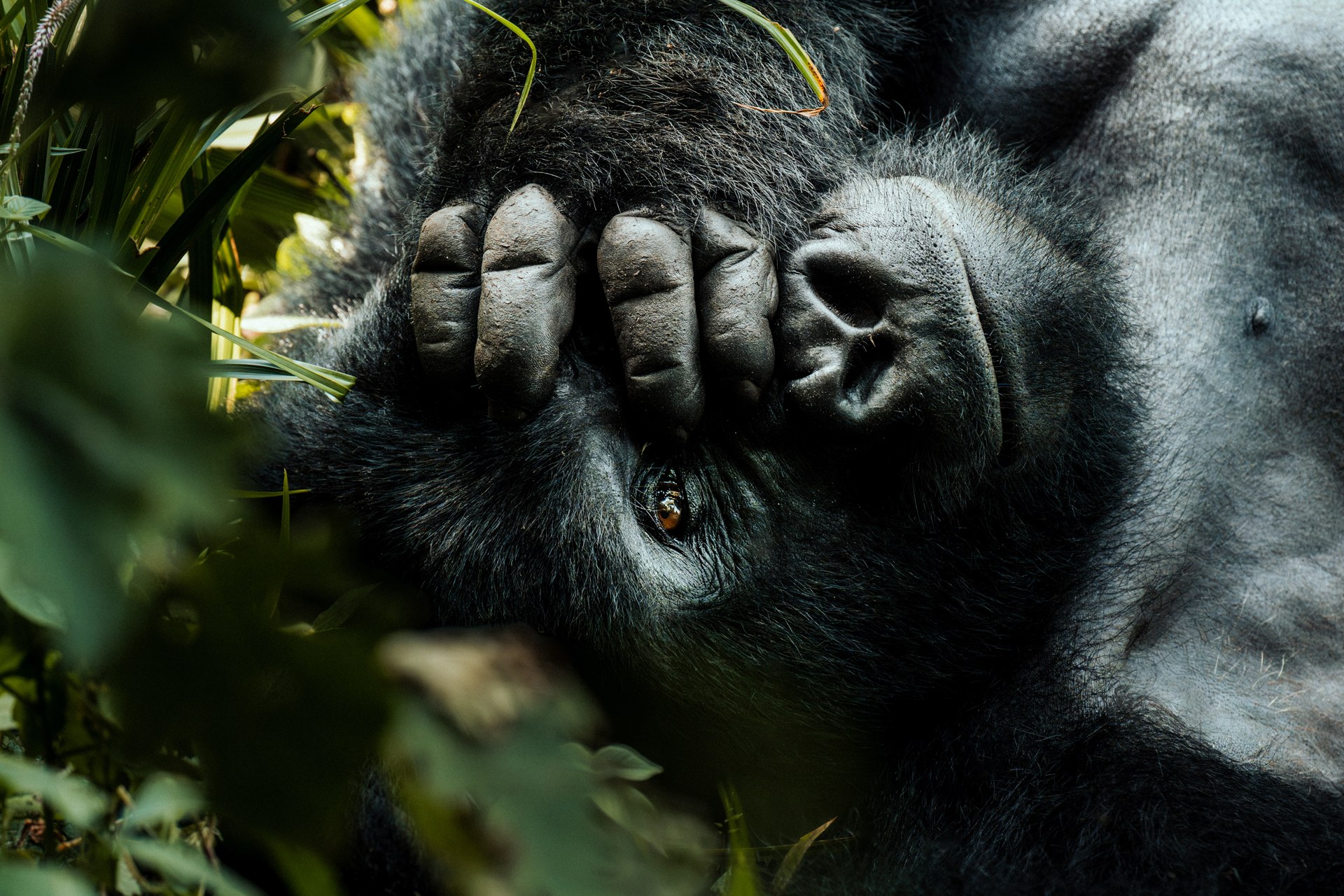
Gorilla covering its face with its hand
Mountain Gorilla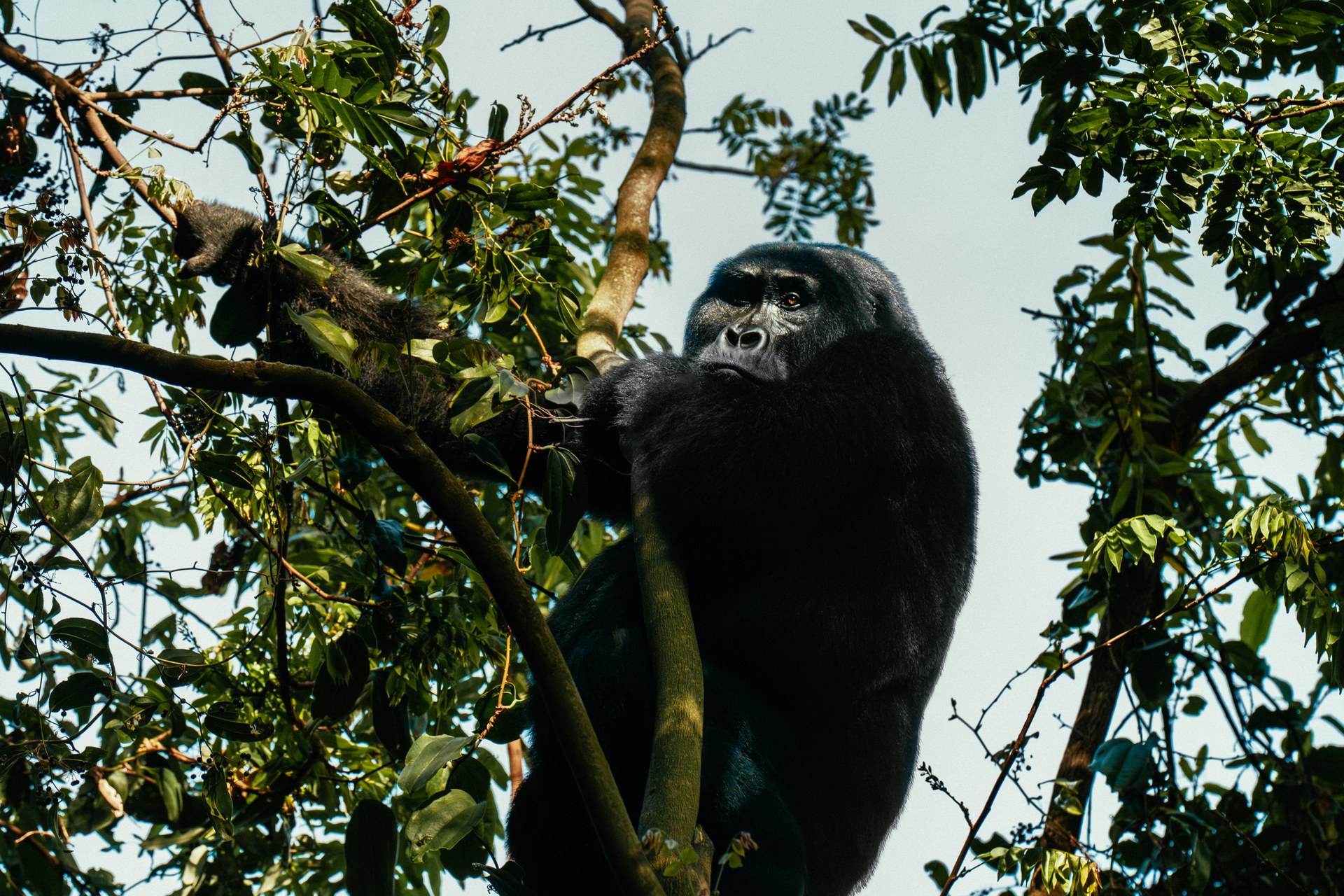
Silverback sitting majestically in Bwindi rainforest
Mountain Gorilla (Silverback)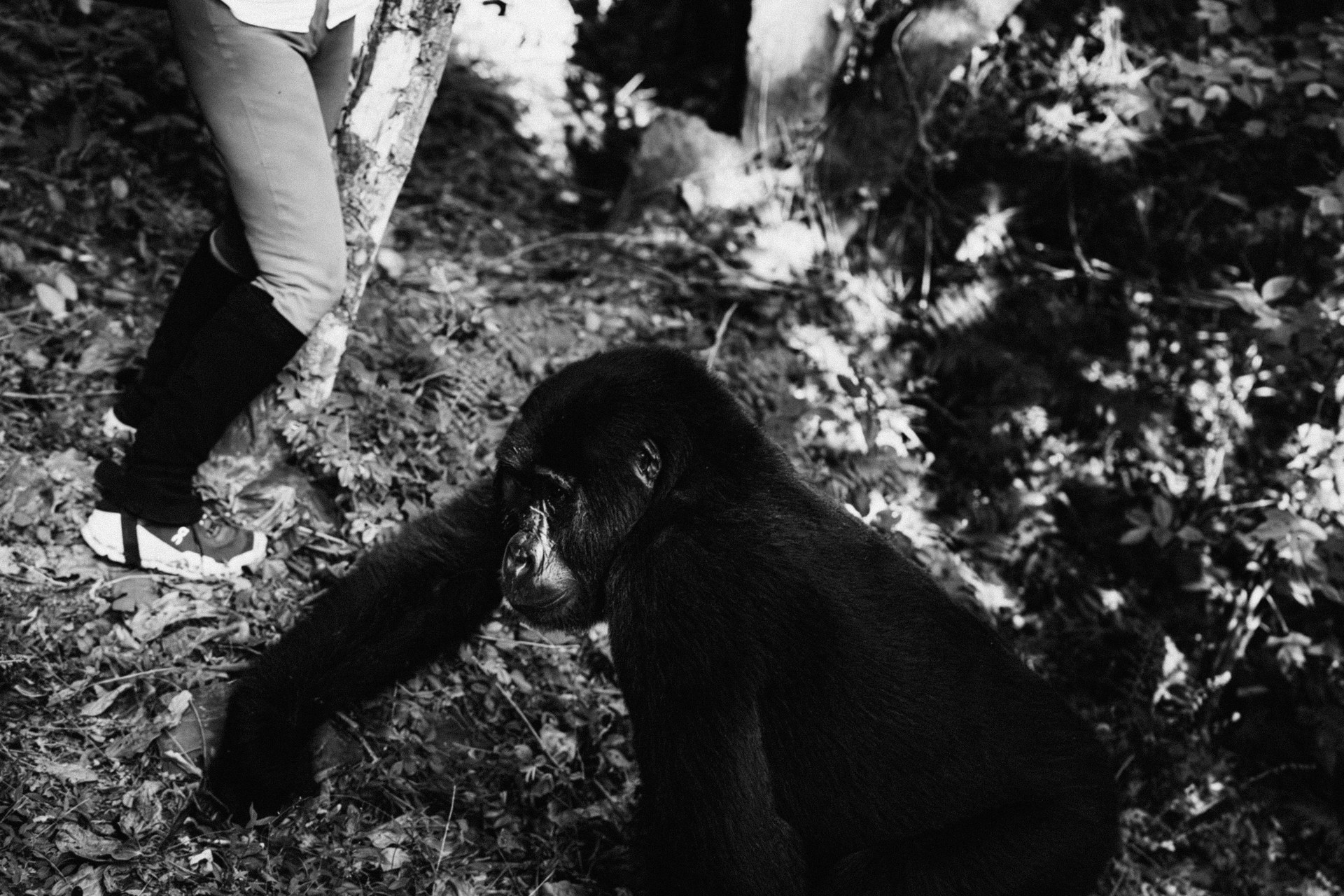
Young mountain gorilla on the forest floor in Bwindi
Mountain Gorilla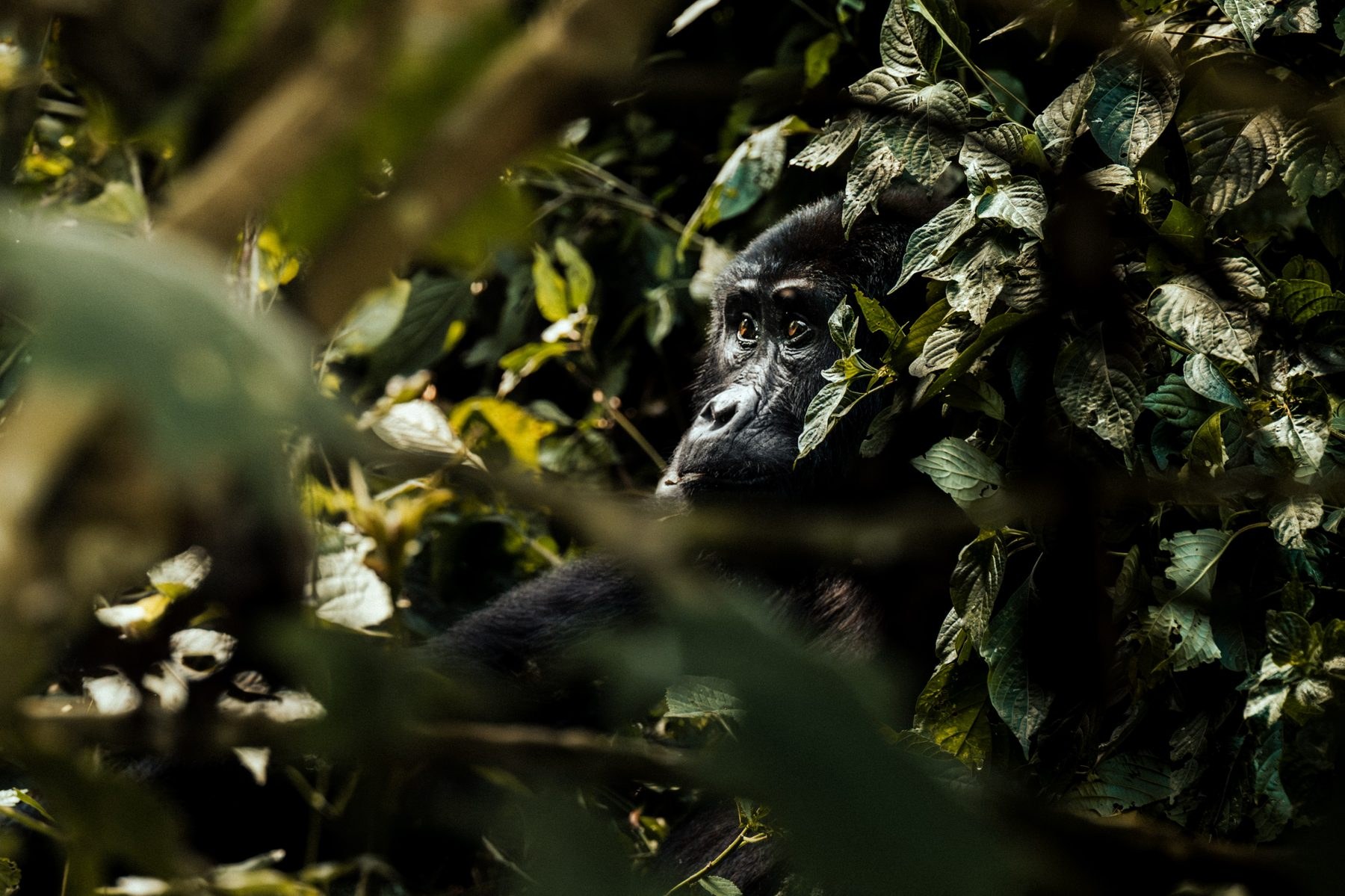
Gorilla in the thickets of Bwindi Impenetrable Forest
Mountain GorillaPopulation Censuses
Comprehensive gorilla population censuses are conducted approximately every five years, involving teams of researchers sweeping systematically through the forest. For habituated groups, the count relies on direct observation. For unhabituated gorillas — which may constitute a significant portion of the population — the census uses a combination of nest counts along transect lines and genetic analysis of fresh dung samples. Each gorilla has a unique genetic fingerprint, allowing researchers to identify individuals without seeing them. The most recent census confirmed over 459 gorillas in Bwindi, continuing the upward trend that has characterized the population since formal protection began.
Health Surveillance
Gorilla health monitoring is critical because of the species' susceptibility to human diseases. Respiratory infections, in particular, can spread from humans to gorillas with potentially fatal consequences. UWA trackers are trained to recognize signs of illness — coughing, lethargy, nasal discharge, changes in feeding behavior — and to report concerns immediately to the Gorilla Doctors veterinary team. Regular dung analysis checks for parasitic infections and disease markers. During the COVID-19 pandemic, strict protocols were implemented to minimize the risk of viral transmission to gorillas, including increased observation distances and mandatory mask-wearing during treks.
Ecological Research
Beyond gorilla-specific monitoring, Bwindi hosts a range of ecological research programs. Long-term vegetation plots track changes in forest composition and structure. Bird monitoring programs survey the park's 350+ species, including numerous Albertine Rift endemics that make Bwindi one of Africa's most important birding destinations. Camera trap networks deployed throughout the forest capture images of elusive species — forest elephants, golden cats, and various duiker species — providing population estimates and behavioral data. Butterfly and amphibian surveys contribute additional biodiversity indicators. Research is conducted by UWA staff and in collaboration with international institutions including the Wildlife Conservation Society, the Max Planck Institute, and various universities.
Technology in the Field
Modern technology has enhanced monitoring capabilities significantly. Rangers and trackers carry GPS devices to map gorilla movements and patrol routes with precision. The CyberTracker system and similar mobile data collection platforms allow field observations to be recorded digitally and transmitted in near-real time, replacing paper-based systems that were slower and more error-prone. Drone surveys, while limited by the dense canopy, have been used for boundary mapping and habitat assessment. Satellite remote sensing tracks changes in forest cover over time. Genetic laboratory capacity in the region has expanded, enabling faster processing of census samples and disease screening.
Data-Driven Conservation
The monitoring data collected in Bwindi feeds directly into conservation management decisions. Population trends inform habitat management and anti-poaching priorities. Health data triggers veterinary interventions. Ranging pattern data helps manage human-wildlife conflict at the park boundary. Research findings shape policy on tourism management, including the number of permits issued and the rules governing trekking encounters. The long-term datasets from Bwindi also contribute to the global body of knowledge on great ape conservation, informing strategies not just for mountain gorillas but for endangered primate species worldwide.