Health Information
Vaccinations, malaria prevention, and medical guidance for your Bwindi visit.
Important Notice
This information is provided as general guidance only. Always consult a qualified travel medicine professional at least 4 to 6 weeks before your trip for personalized health advice. Requirements and recommendations may change.
Required and Recommended Vaccinations
Required
- Yellow Fever: A valid International Certificate of Vaccination or Prophylaxis (ICVP) is required. The vaccination must be given at least 10 days before arrival. The certificate is valid for life under current WHO guidelines.
Recommended
- Hepatitis A: Transmitted through contaminated food and water.
- Hepatitis B: Recommended for longer stays or potential medical exposure.
- Typhoid: Spread through contaminated food and water.
- Tetanus/Diphtheria: Ensure your routine booster is current.
- Rabies: Consider pre-exposure vaccination if you plan extended time in rural areas.
- Meningitis: May be recommended depending on season and region.
Malaria Prevention
Malaria is present throughout Uganda, including the Bwindi area, though the park's altitude (above 1,160 metres) reduces mosquito density compared to lowland areas. Prevention involves a three-pronged approach:
- Prophylactic medication. Start your prescribed course before arrival and continue for the required period after leaving the malaria zone. Common options include Atovaquone-Proguanil (Malarone), Doxycycline, or Mefloquine.
- Bite prevention. Use insect repellent containing DEET (20-50%) or Picaridin on exposed skin. Wear long sleeves and long trousers in the evening. Sleep under a treated mosquito net.
- Awareness. Mosquitoes that carry malaria bite primarily between dusk and dawn. Be particularly vigilant during these hours.
Water and Food Safety
- Drink only bottled, boiled, or purified water.
- Avoid ice in drinks unless you are certain it was made from purified water.
- Eat freshly cooked food that is served hot.
- Avoid raw salads and unpeeled fruits unless you peel them yourself.
- Wash hands frequently, especially before meals. Carry hand sanitizer.
Altitude and Physical Fitness
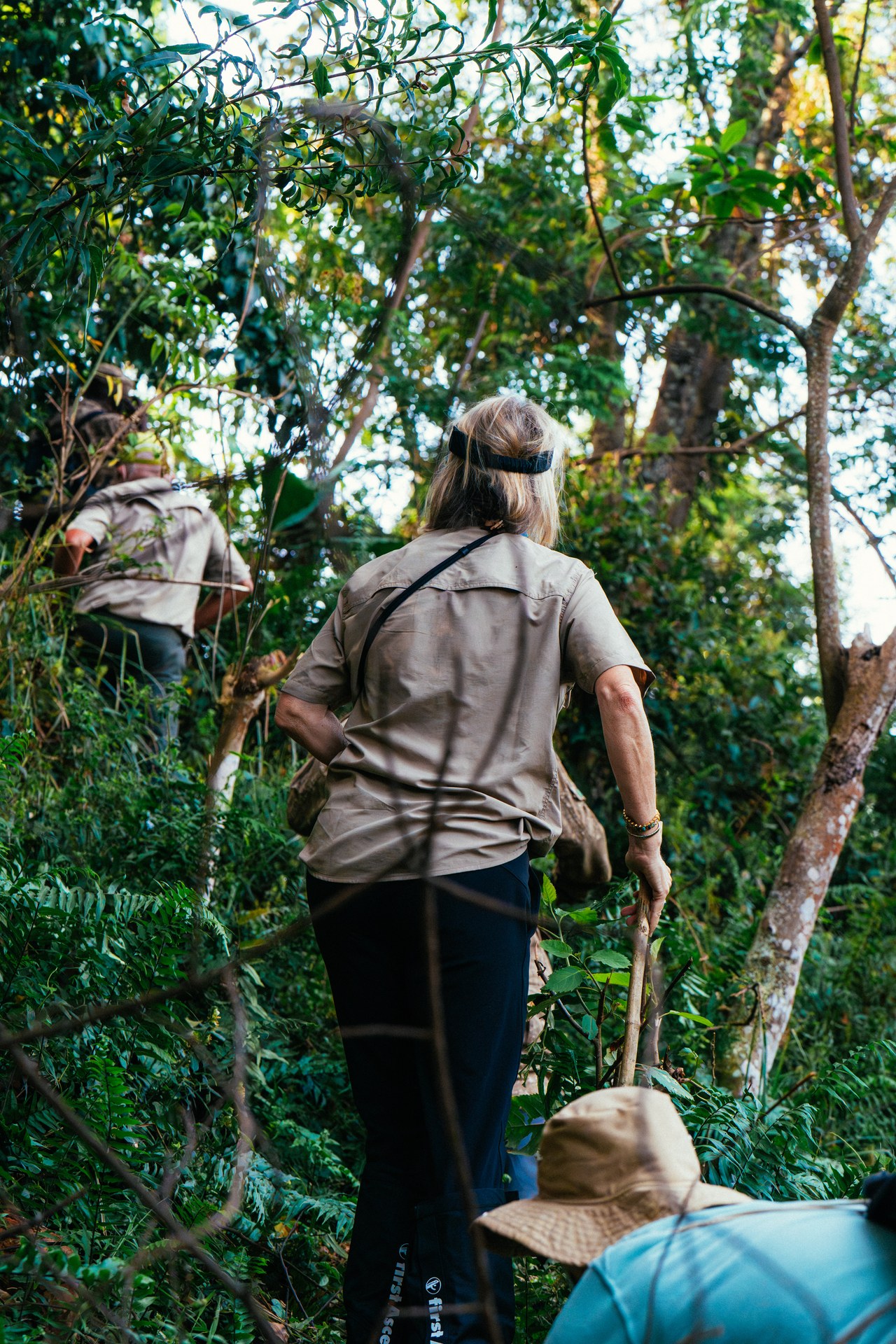
Gorilla trekking is physically demanding. The terrain is steep, muddy, and at moderate altitude. While no specific level of fitness is required, visitors should be aware that:
- Treks can last from 2 to 8 hours depending on the gorilla group's location.
- Ruhija sector sits at approximately 2,300 metres, where some visitors notice mild breathlessness.
- The forest floor is uneven, and you may need to scramble over fallen trees and through dense undergrowth.
- Porters are available for hire at the briefing point and are strongly recommended. They carry your daypack and provide physical support on steep sections.
Gorilla Health Rules
Mountain gorillas share over 98% of their DNA with humans and are extremely vulnerable to human diseases. Strict health rules protect the gorillas:
- If you are ill with a respiratory infection, diarrhea, or any contagious disease, you will not be allowed to trek.
- Maintain a minimum distance of 7 metres from the gorillas at all times.
- If you need to cough or sneeze during the encounter, turn away from the gorillas and cover your mouth.
- Do not touch the gorillas under any circumstances, even if they approach you.
Medical Facilities and Insurance
Medical infrastructure near Bwindi is limited. The nearest hospital with reasonable facilities is in Kabale, 2 to 3 hours from most sectors. For serious emergencies, air evacuation to Kampala or Nairobi may be required.
- Comprehensive travel insurance with medical evacuation coverage is strongly recommended.
- Carry a personal first aid kit with bandages, antiseptic, pain relief, anti-diarrheal medication, and any personal prescriptions.
- Inform your guide of any medical conditions or allergies before the trek begins.
- Keep emergency contact numbers for your insurance provider accessible.