What to Pack
A complete packing guide for gorilla trekking and exploring Bwindi.
Clothing
The Bwindi forest is dense, steep, and often wet. Your clothing needs to protect you from thick vegetation, stinging nettles, insects, and unpredictable rain while keeping you comfortable during a physically demanding trek that can last anywhere from 2 to 8 hours.
Essential Clothing
- --Long-sleeved shirt in a neutral colour (green, brown, khaki). Protects arms from nettles and thorns.
- --Long trousers (not jeans). Lightweight but durable. Tuck into socks to prevent insect access.
- --Waterproof rain jacket. Essential regardless of season. A poncho works but a proper jacket is better in dense vegetation.
- --Warm fleece or mid-layer. Mornings can be cool, especially at higher altitudes.
- --Moisture-wicking base layer. Avoid cotton, which stays damp and causes chafing.
- --Hat or cap. Sun protection on exposed ridges and during the briefing.
- --Thick socks. Bring at least two pairs. Wool or synthetic blend is ideal.
Footwear
Your boots are the single most important piece of equipment. The terrain in Bwindi is extremely steep and muddy, with no maintained paths once you leave the main trails to follow the gorillas. You need:
- Waterproof hiking boots with good ankle support
- Aggressive tread pattern for grip on steep, muddy slopes
- Boots that are already broken in to prevent blisters
- Gaiters (optional but useful) to keep mud and debris out of your boots
Gear and Equipment
Trekking Essentials
- --Gardening or leather gloves. For grabbing vegetation and navigating through nettles.
- --Trekking poles. Can be rented at the briefing point. Essential for steep descents.
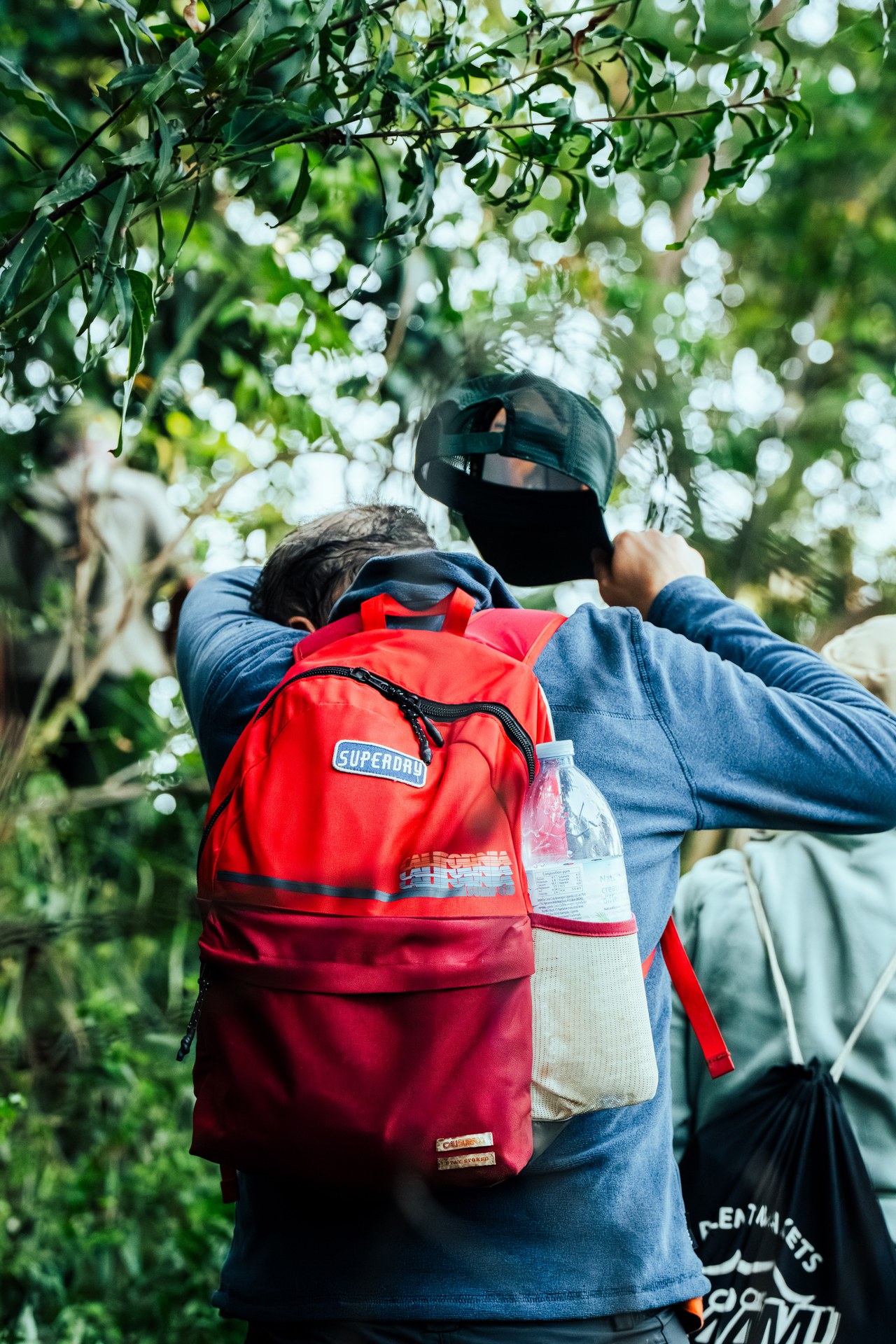
- --Daypack (30-40 litres) with a rain cover or dry bag liner.
- --Water bottles. Bring at least 2 litres. There is no water available on the trail.
- --Packed lunch and snacks. Most lodges provide a packed lunch for the trek.
- --Insect repellent with DEET or Picaridin. Apply to exposed skin and clothing.
- --Sunscreen. You are near the equator; UV exposure is strong on exposed ridges.
Camera Equipment
- --Camera with good low-light performance. The forest canopy reduces light significantly.
- --Lens in 70-200 mm range. Ideal for gorilla portraits from 7 metres.
- --Spare batteries and memory cards. Cold and humidity drain batteries faster.
- --Waterproof camera bag or rain sleeve. Protect equipment from sudden showers.
- --No flash. Flash photography is strictly prohibited near the gorillas.
General Trip Essentials
- Passport (required for permit verification on trekking day)
- Printed or digital copy of your gorilla permit
- Travel insurance documents
- Cash in small denominations for tips (USD or UGX)
- Head torch or flashlight for early morning departures
- Personal medications and basic first aid kit
- Binoculars for birding and wildlife observation
- Reusable water bottle (minimize plastic waste in the park)
What Not to Bring
- Bright or white clothing (startles wildlife and attracts insects)
- Strong perfume or cologne (may disturb gorillas)
- Drones (prohibited in the national park)
- Single-use plastic bags (banned in Uganda)