Where Gorilla Tourism Began
Buhoma is where the story of gorilla tourism in Uganda started. Located in the northern sector of Bwindi Impenetrable National Park, this is where the Mubare gorilla group became the first family habituated for tourism in April 1993. That milestone opened a new chapter for conservation in Uganda, proving that protecting gorillas and their habitat could go hand in hand with sustainable tourism.
Today, Buhoma serves as the main park headquarters and the most established gateway into Bwindi. The sector is home to three habituated gorilla families: Mubare, Habinyanja, and Rushegura. Each group occupies its own territory within the dense montane forest that drapes the northern slopes of the park.
Beyond gorilla trekking, Buhoma offers a gateway community that has grown alongside conservation. The village features lodges ranging from luxury to budget, restaurants, craft shops, and cultural experiences that connect visitors with the people who have lived alongside the forest for generations.
Geography and Location
Buhoma sits at the northern edge of Bwindi Impenetrable National Park, at altitudes ranging from approximately 1,450 to 1,860 meters above sea level. The terrain is characterized by rolling hills and ridges covered in dense tropical montane forest, intersected by streams and small rivers that feed into the broader Albertine Rift watershed.
The sector is accessed from the north, with the main approach road coming from Kabale through Butogota. The Buhoma entrance gate and park headquarters sit at the forest edge, where the cultivated landscape of surrounding communities gives way to the dense canopy of the impenetrable forest. This transition zone between human settlement and primary forest is part of what makes Buhoma unique: the gorilla families here occasionally venture close to the forest boundary, and the proximity of the village to the park creates a tangible connection between conservation and community life.
Gorilla Families
Three habituated gorilla groups make their home in the Buhoma sector, each with a distinct history and character.
Mubare Group
The first gorilla family habituated for tourism in Uganda, beginning in April 1993. Named after the Mubare Hills, this group holds a foundational place in the country's conservation narrative. Their habituation proved that gorilla tourism was viable and set the model followed by every subsequent group.
Habinyanja Group
One of the larger gorilla families in Buhoma, the Habinyanja group takes its name from a swamp near where they were first encountered. Known for their relatively calm temperament, this family is often recommended for visitors seeking a well-established trekking experience.
Rushegura Group
The Rushegura group split from the Habinyanja family and established their own territory in the Buhoma area. They are known for occasionally venturing close to the park boundary and community areas, providing some of the most memorable and accessible gorilla encounters in Bwindi.
Buhoma in Pictures
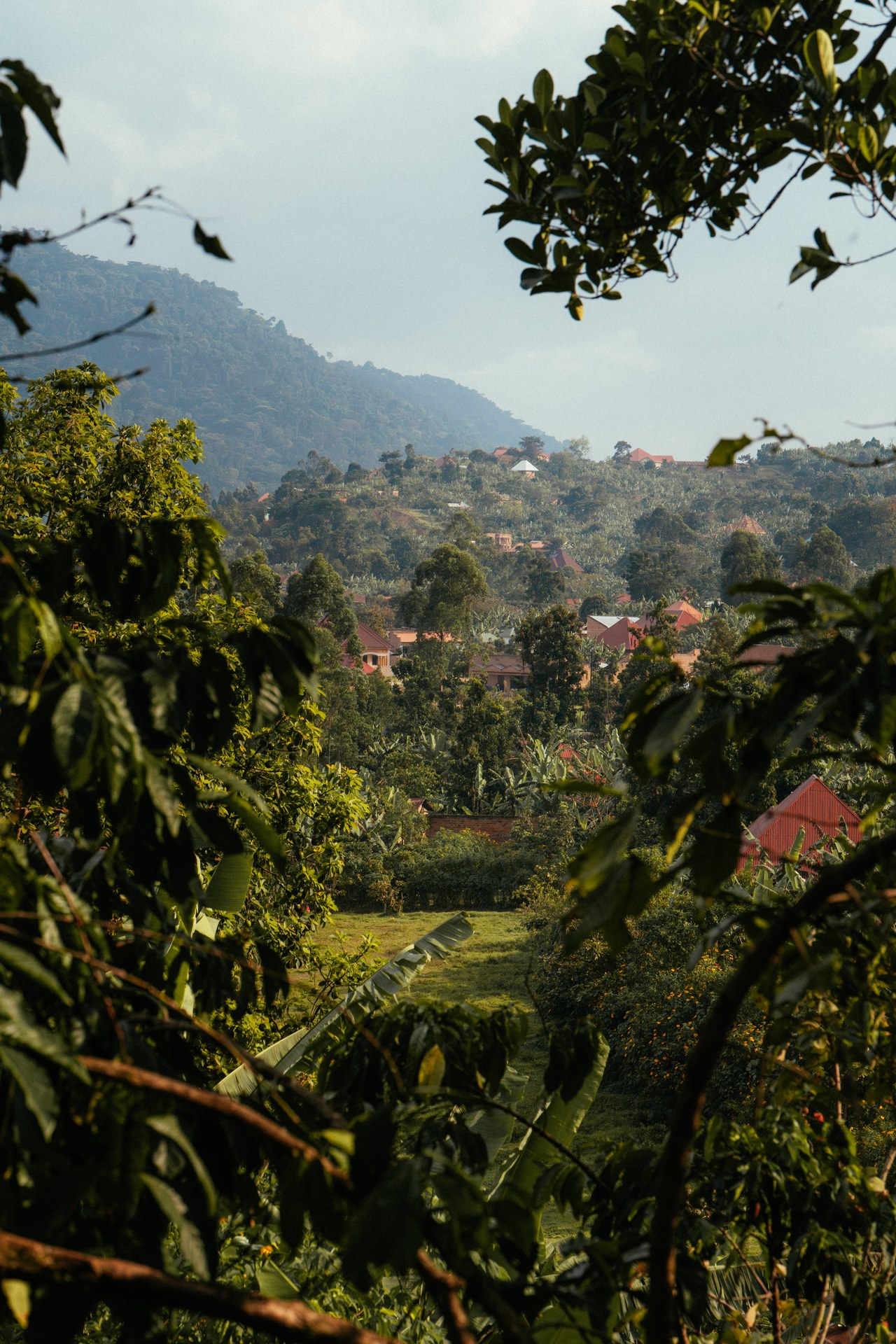
Buhoma: green valley with houses on the hillside
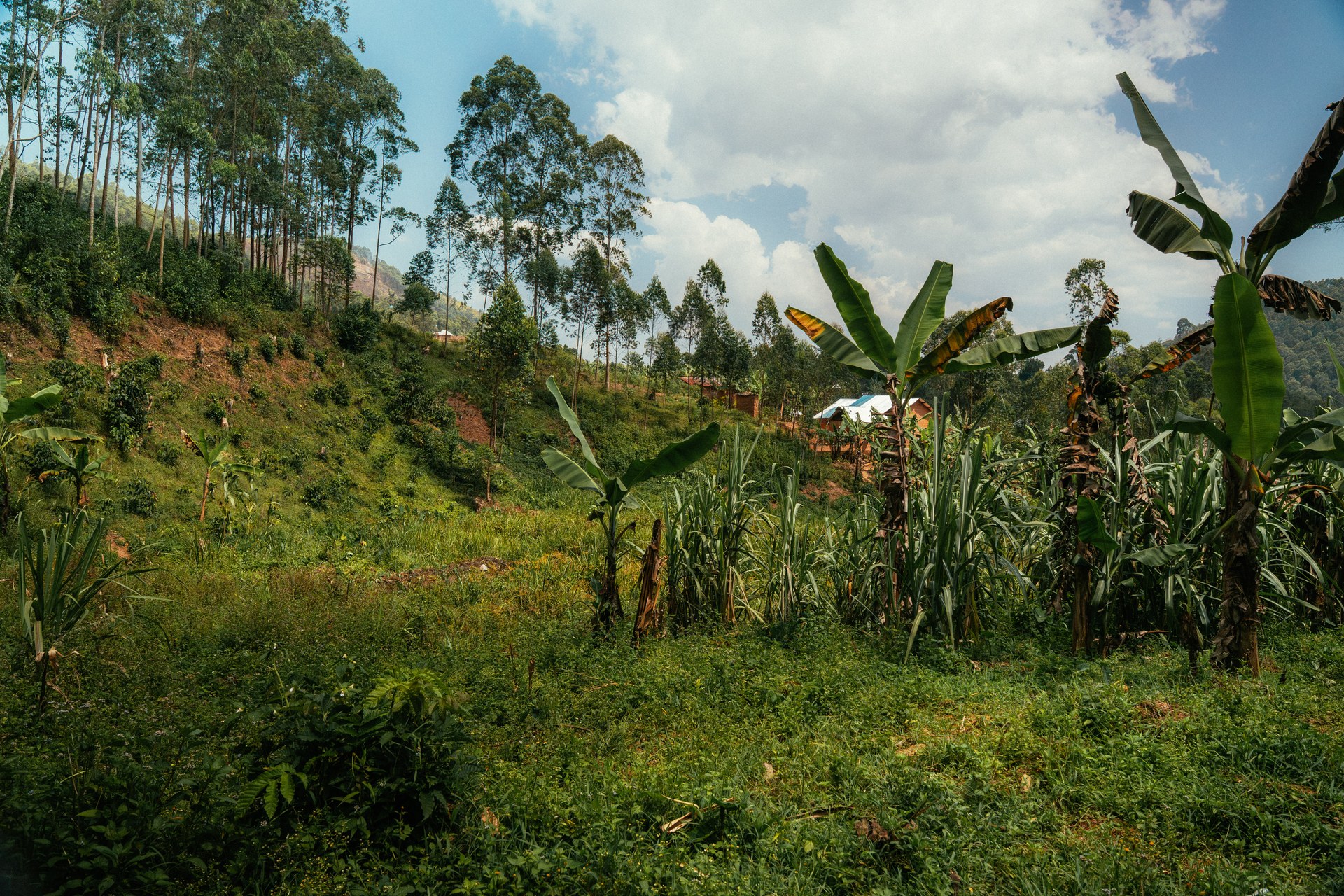
Green valley near Buhoma
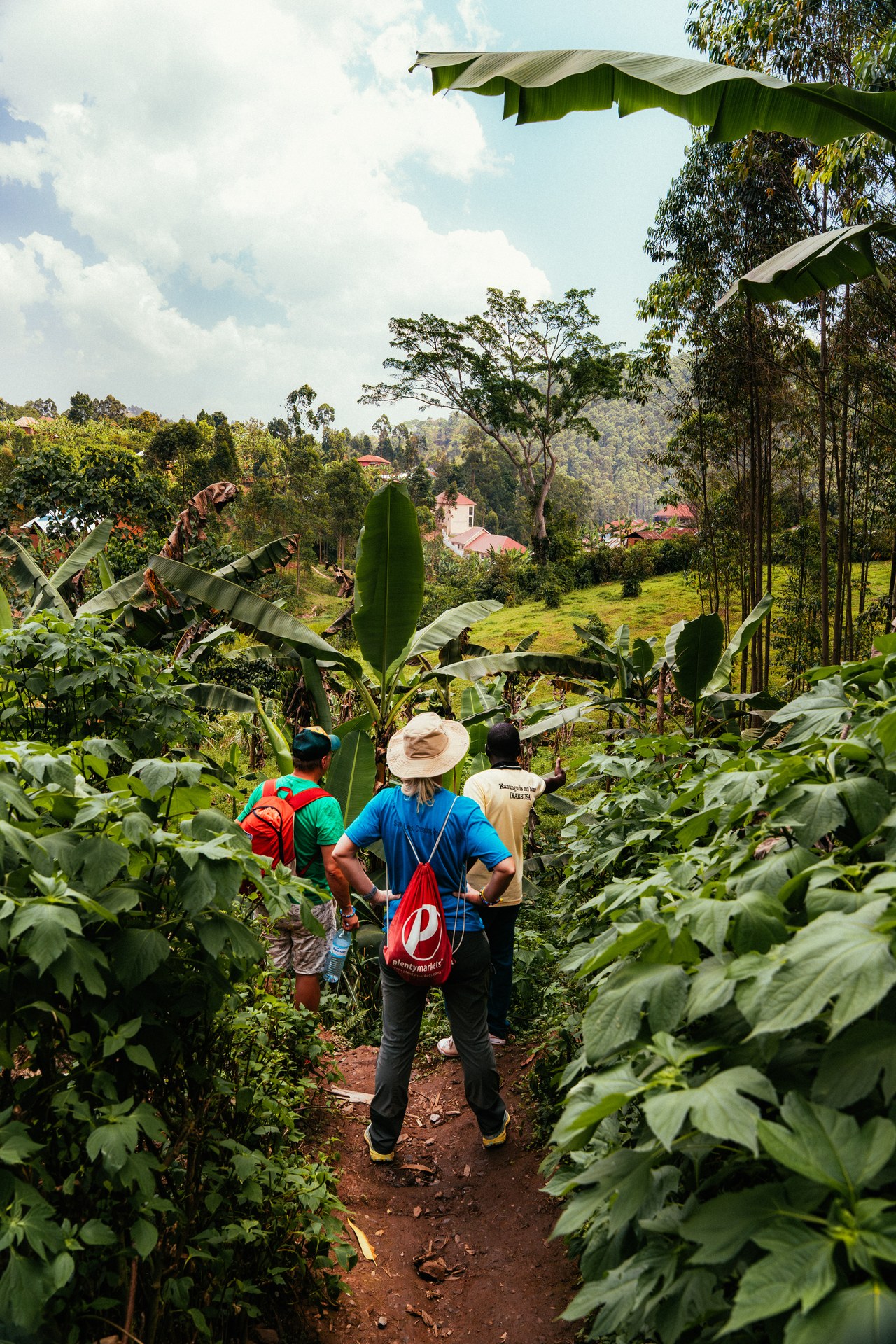
Through the jungle, path to Buhoma orphanage
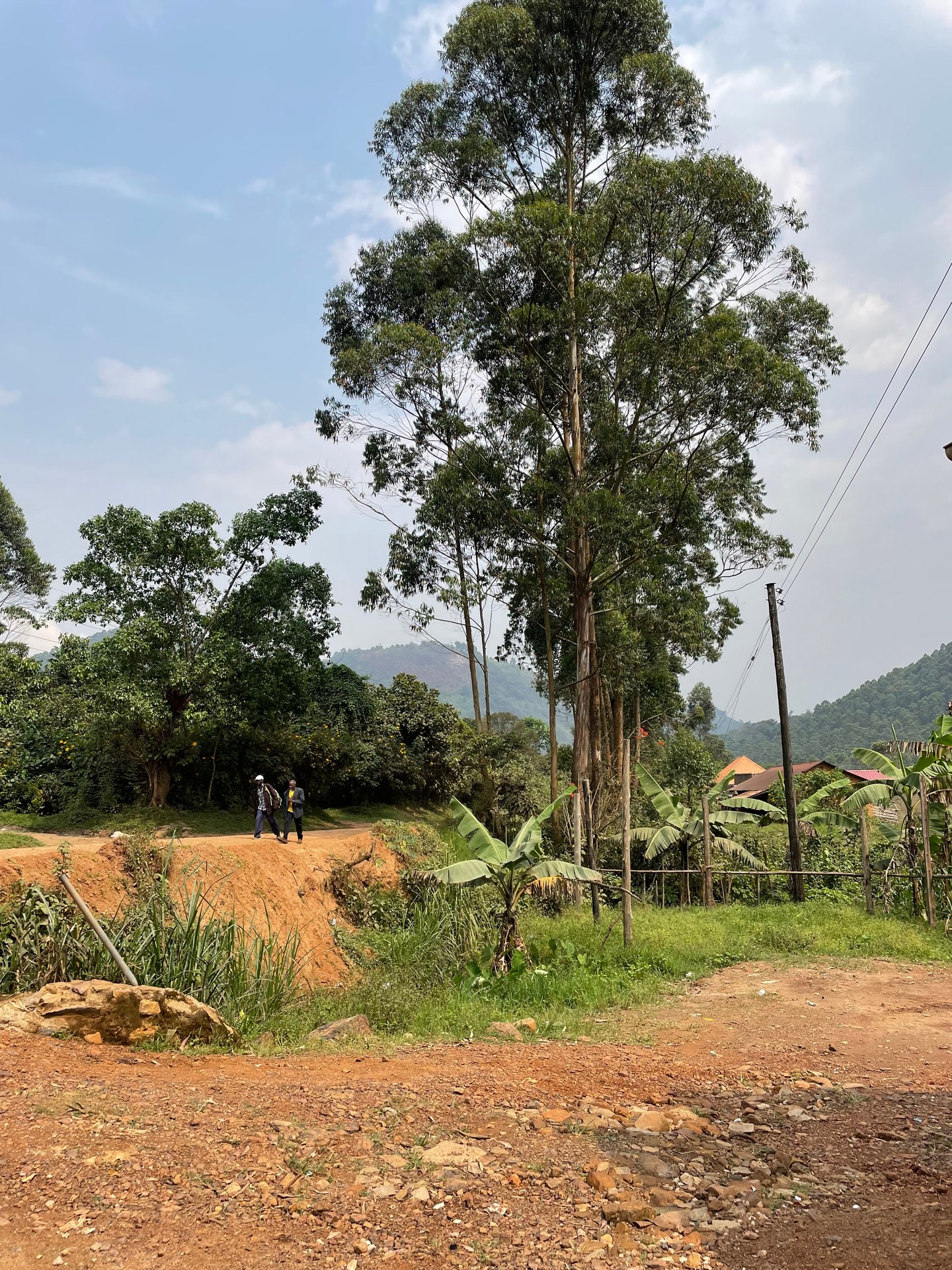
Sandy path in Buhoma, two people on the path
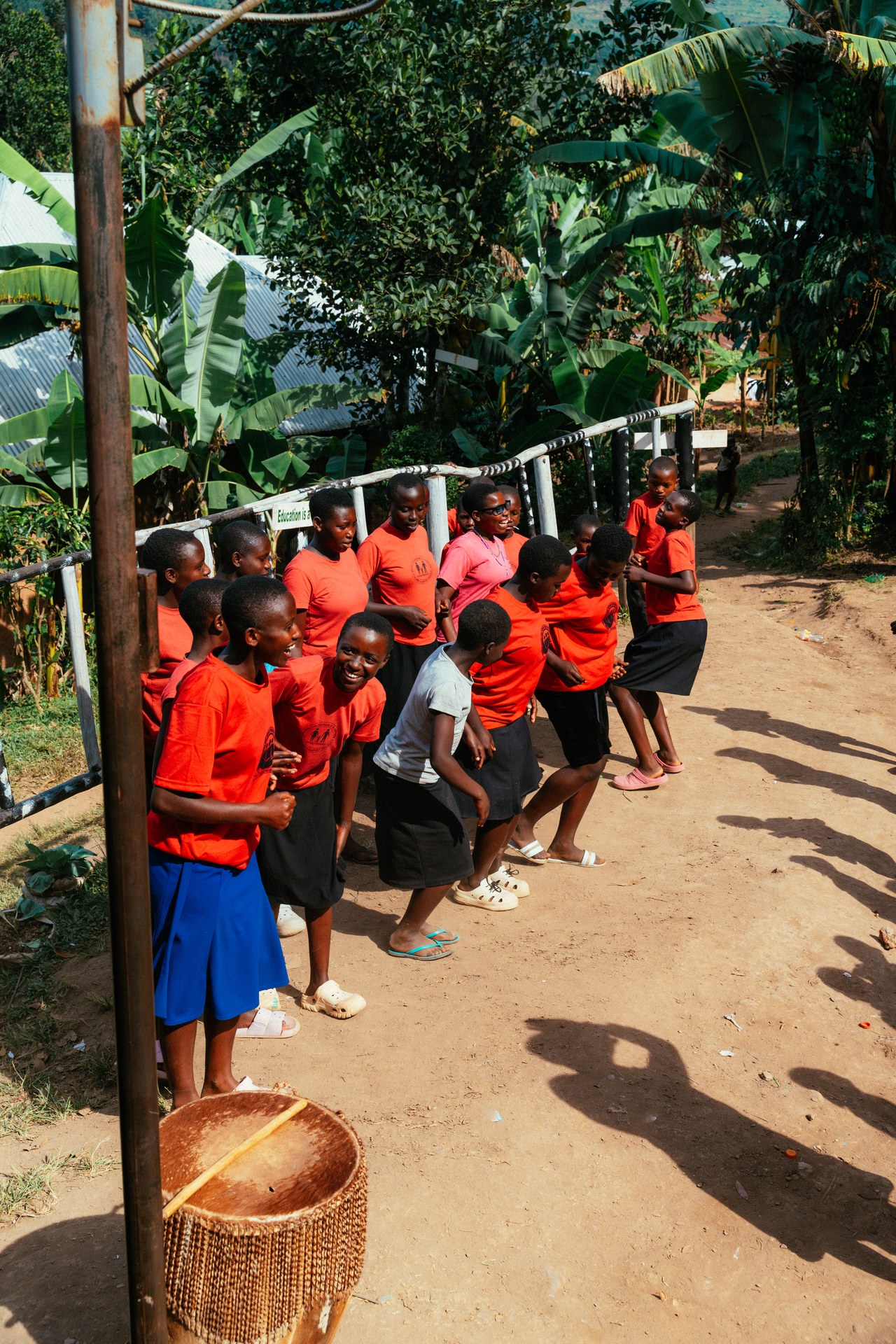
Girls dancing in front of the orphanage in Buhoma
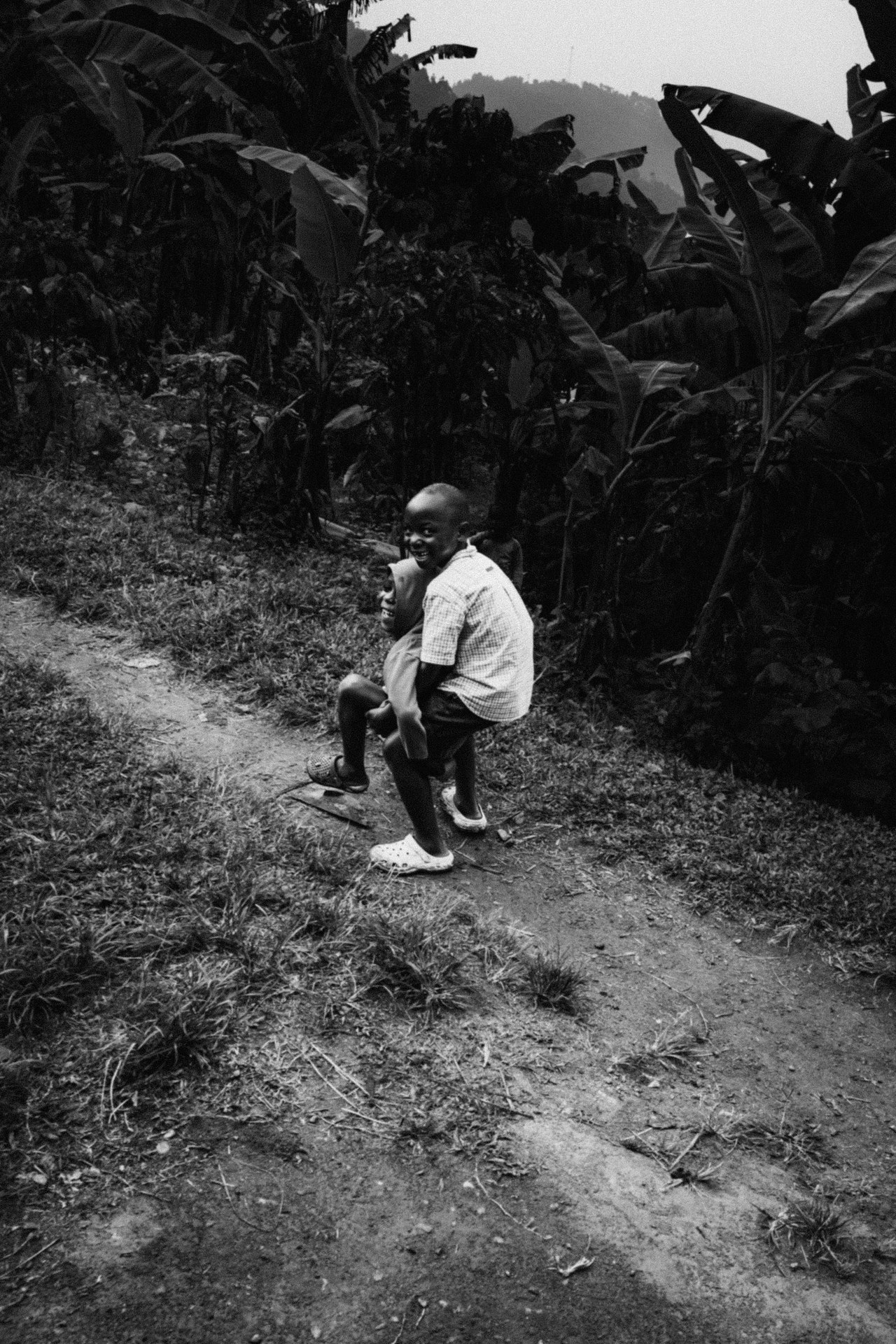
Boy laughing on a dirt path among banana trees in Buhoma
Trails and Activities
While gorilla trekking is the primary draw, Buhoma offers several other ways to experience the forest and its surroundings.
Waterfall Trail
A popular half-day hike (approximately 3 hours round trip) that follows a forested path to a series of scenic waterfalls. The trail passes through prime primate habitat and offers opportunities to spot black-and-white colobus monkeys, L'Hoest's monkeys, and a variety of forest birds along the way.
Muzubijiro Loop Trail
A longer nature walk that loops through the forest, offering deeper immersion into the Bwindi ecosystem. The trail traverses different vegetation zones and provides excellent birding opportunities, with chances to see Albertine Rift endemics and other forest specialists.
Cultural Village Experience
The nearby Batwa cultural village offers visitors a window into the heritage of the forest's original inhabitants. The Batwa people were displaced from the forest when the national park was established, and this experience shares their traditional knowledge, music, and way of life. Proceeds support community development initiatives.
Birding Walks
Buhoma's forest edge habitat attracts a wide range of bird species. Guided birding walks depart early in the morning and can be tailored to specific interests. Species commonly spotted include the African green broadbill, bar-tailed trogon, and various sunbirds and weavers.
Visitor Information
Buhoma is the most established of Bwindi's four sectors and offers the widest range of facilities and services. The park headquarters here handle permit verification and trekking briefings, which take place each morning at 7:30 AM before groups set out to find the gorillas.
Accommodation ranges from luxury forest lodges set within the canopy to comfortable mid-range lodges and budget guesthouses in Buhoma Village. Most lodges are within walking distance of the park gate, making logistics straightforward. The village also has a handful of restaurants, a community craft center, and small shops.
Gorilla trekking permits must be arranged in advance through the Uganda Wildlife Authority or a licensed tour operator. Permits are in high demand, particularly during the dry seasons (June to September and December to February), and should be booked several months ahead. Each trekking group is limited to eight visitors, with one hour of observation time once the gorillas are found.