On the Edge of the Rift
Nkuringo occupies the south-western slopes of Bwindi Impenetrable National Park, perched on a dramatic hillside that drops away toward the Albertine Rift Valley. The setting is extraordinary: from the lodges and trekking starting points, visitors look out across a vast panorama that stretches to the Virunga Volcanoes on the horizon. It is a landscape that communicates the scale and wildness of this corner of East Africa.
The sector is home to three habituated gorilla families: the Nkuringo group, one of the longest-habituated families in Bwindi; the Christmas group, first encountered on Christmas Day; and the Bushaho group. Trekking here is among the most physically demanding in the park, with steep descents into forested valleys and arduous climbs back to the ridge. For those with the fitness to manage it, the experience is deeply rewarding.
Nkuringo also stands out for its community tourism program. The Nkuringo Conservation and Development Foundation has become a model for how tourism revenue can be channeled into local development, strengthening the link between conservation success and community benefit. Visitors can engage with this program through community walks, cultural experiences, and homestays.
Geography and Landscape
Nkuringo's terrain is defined by its position on the south-western escarpment of the Bwindi massif. The sector spans altitudes from approximately 1,800 to 2,300 meters, with the steepest terrain in the park. The hillside falls away sharply from the forest edge, and the gorilla families range across ridges, slopes, and valleys that test the endurance of even experienced trekkers.
The views from Nkuringo are unmatched in Bwindi. Looking south and west, the landscape opens to reveal the floor of the Albertine Rift Valley and, on clear days, the volcanic peaks of the Virunga chain: Muhavura, Gahinga, and Sabinyo. These volcanoes, home to another population of mountain gorillas in Rwanda and the DRC, form a dramatic backdrop to the Nkuringo experience.
The forest here is dense montane rainforest, with heavy undergrowth and a canopy festooned with mosses and epiphytes. The steep terrain creates microclimates that support varied vegetation, from bamboo stands on exposed ridges to dense, dark forest in the sheltered valleys.
Gorilla Families
Three habituated gorilla groups make their home on the steep slopes of Nkuringo.
Nkuringo Group
The namesake group of the sector and one of the longest-habituated gorilla families in Bwindi. The Nkuringo group was among the early families to be opened for tourism in this part of the park and has a well-documented history. They range across the sector's characteristic steep terrain, and encounters with this group are often memorable for both the gorillas and the landscape.
Christmas Group
Named after the date of their first encounter on Christmas Day, the Christmas group has carved out territory in the Nkuringo area. Their name has made them a talking point among visitors, and their ranging patterns take trekkers through some of the sector's most dramatic terrain with sweeping views and dense forest alternating along the trail.
Bushaho Group
The Bushaho group adds a third option for trekkers at Nkuringo, providing more flexibility in permit availability and distributing visitor pressure across multiple families. Their territory covers the slopes and ridges of the south-western sector, offering encounters in varied and often challenging terrain.
Nkuringo in Pictures
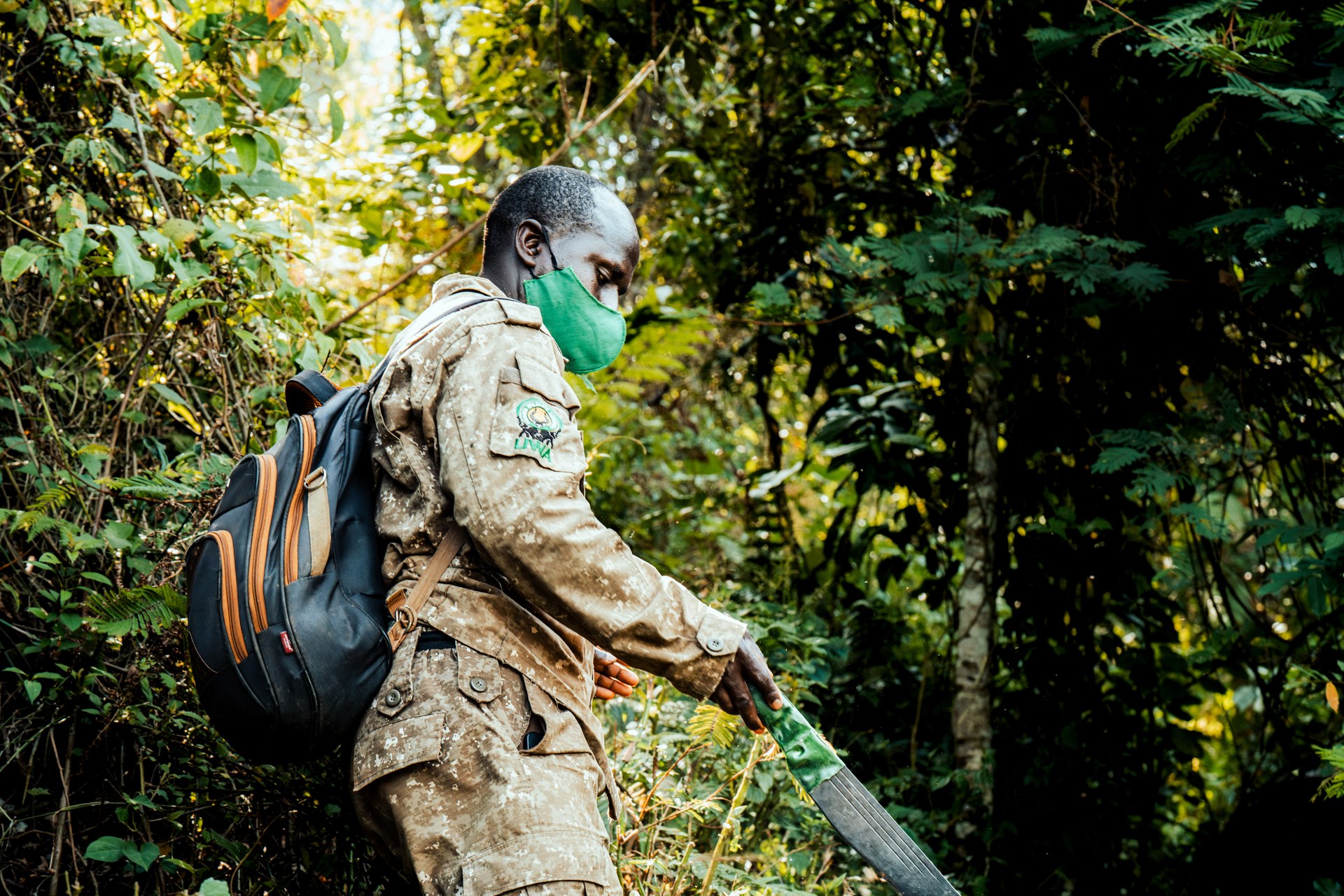
Ranger in Bwindi forest on the way to the gorillas
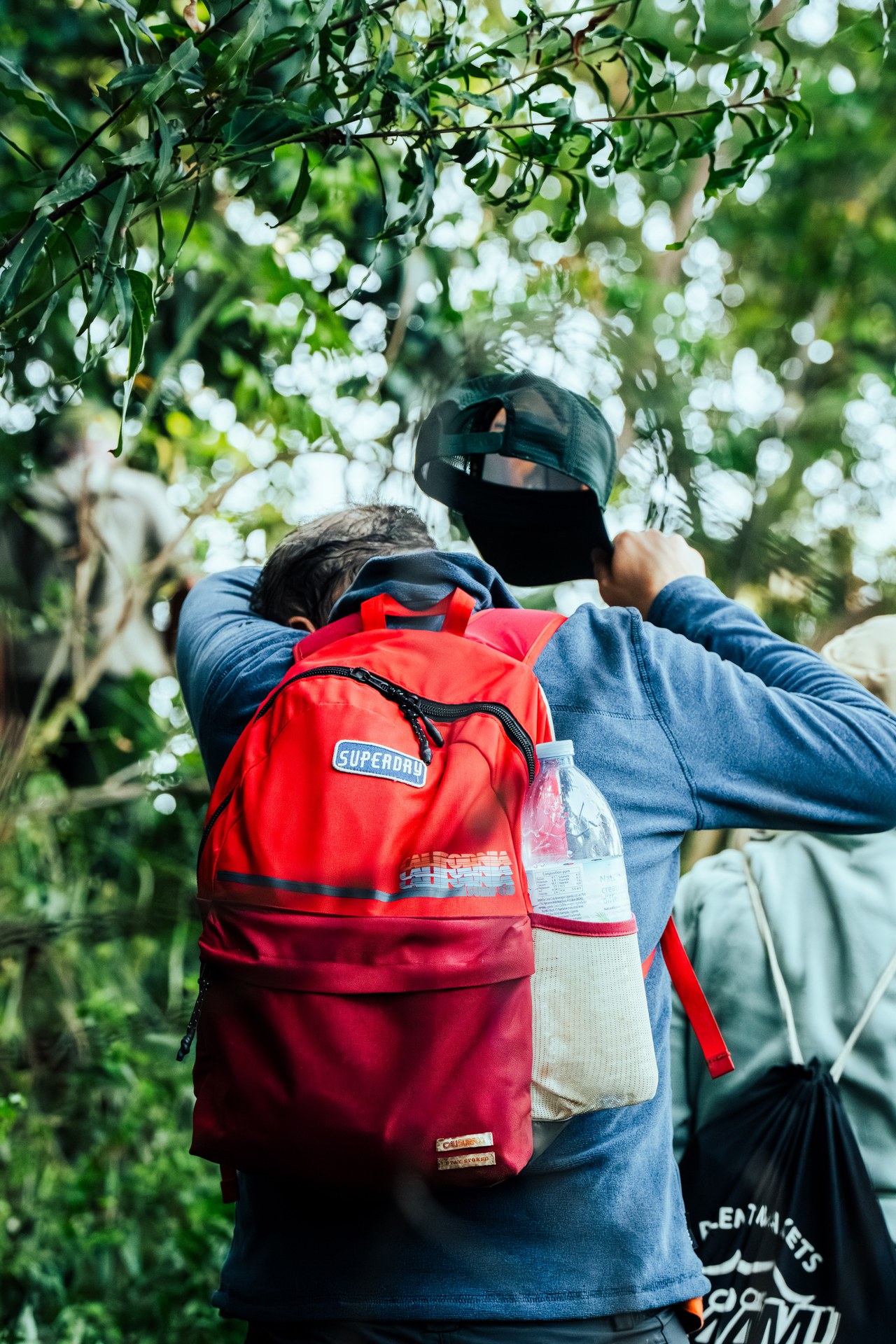
Preparing for the adventure: gorilla trekking in Bwindi
Mountain Gorilla Peering Through Dense Forest Foliage
Mountain Gorilla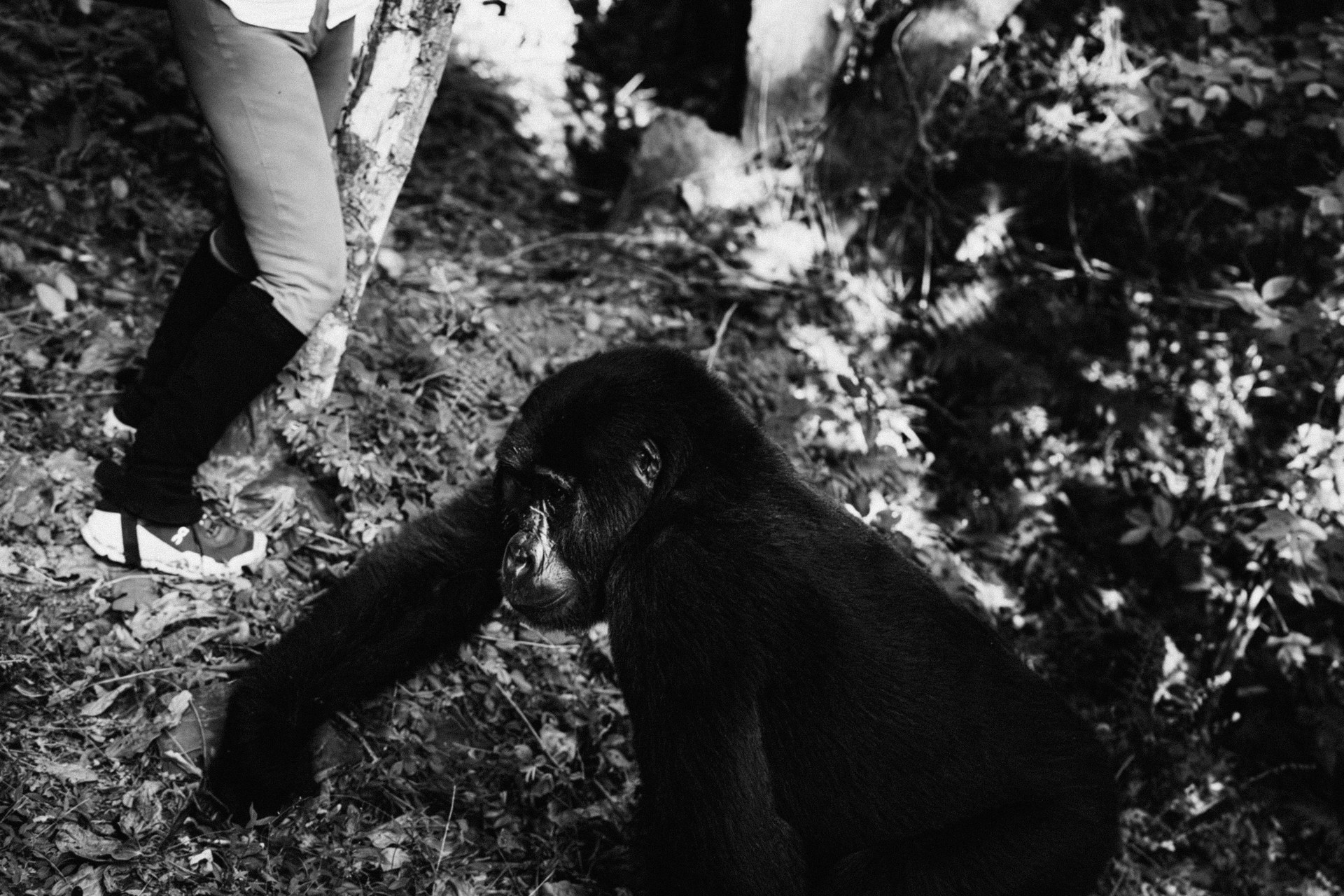
Young mountain gorilla on the forest floor in Bwindi
Mountain Gorilla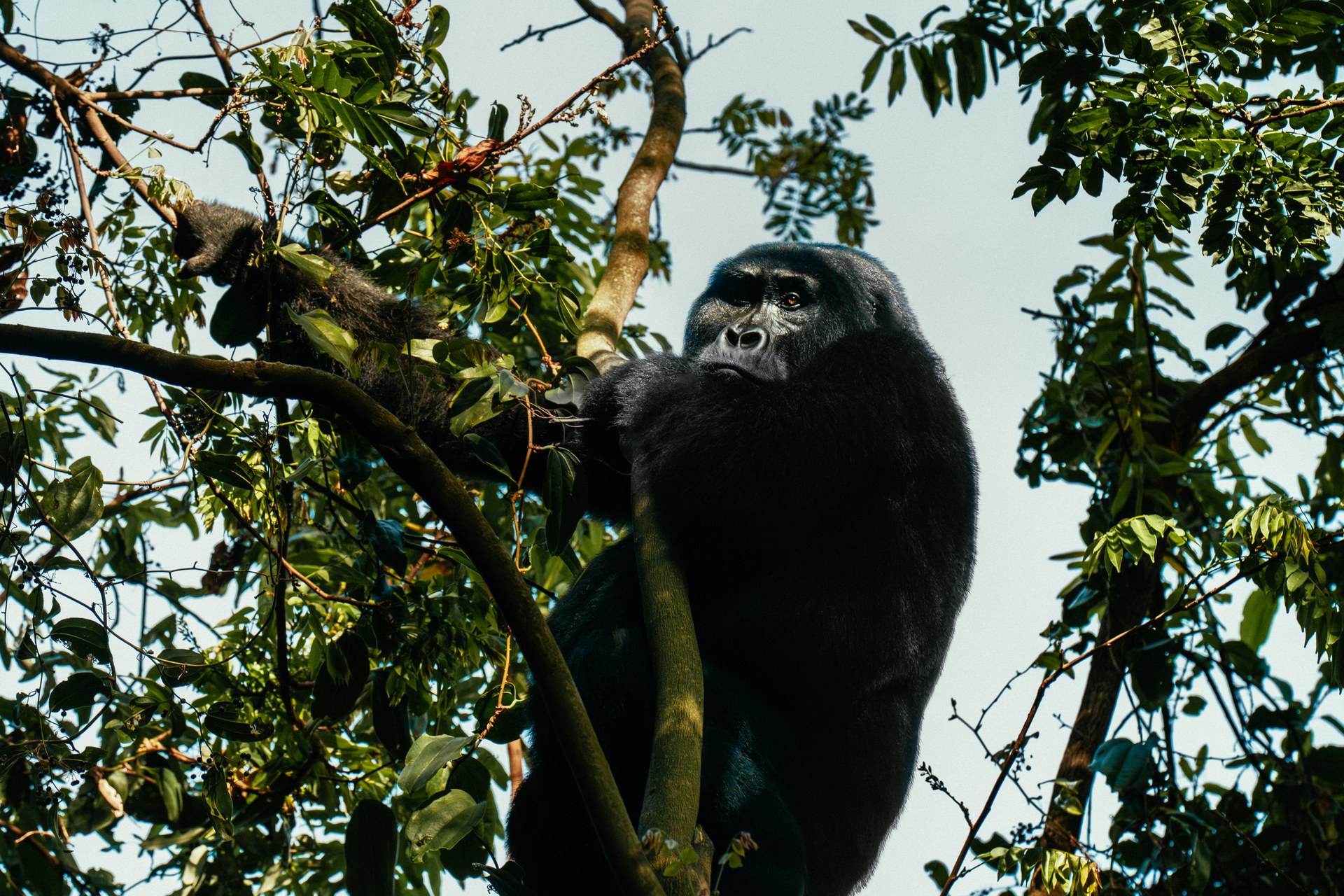
Silverback sitting majestically in Bwindi rainforest
Mountain Gorilla (Silverback)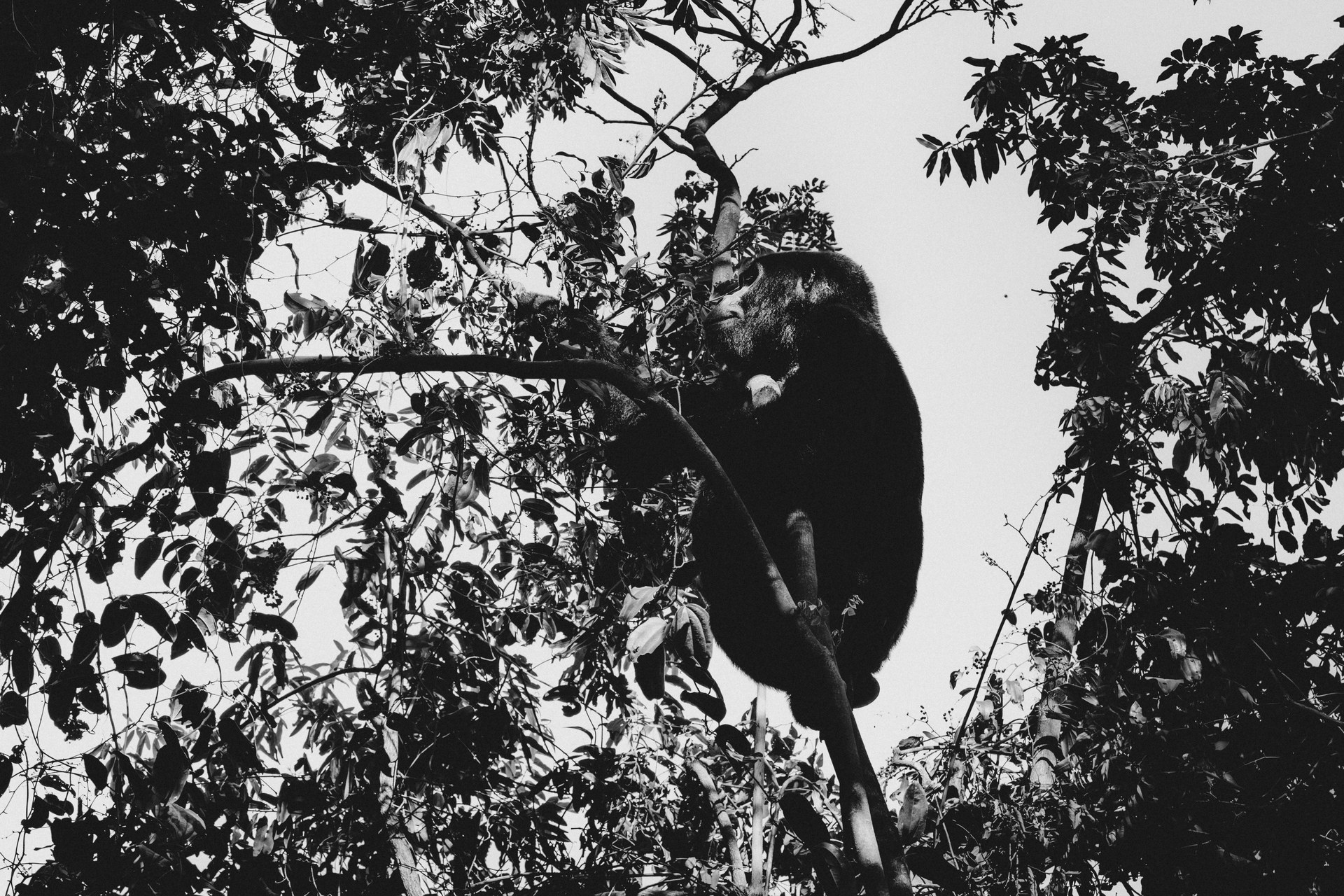
Gorilla in the canopy of Bwindi primeval forest
Mountain GorillaCommunity Tourism
Nkuringo is widely recognized for its pioneering community tourism program. The Nkuringo Conservation and Development Foundation was established to ensure that the communities living alongside the park benefit directly from conservation and tourism. The program has become a benchmark in East Africa for demonstrating how local people can be partners in, rather than victims of, protected area management.
Tourism revenue is channeled into community development projects including schools, healthcare facilities, clean water access, and sustainable livelihood programs. These investments have transformed the relationship between the community and the park, shifting attitudes from resentment toward active support for conservation.
Visitors can participate in community walks that visit local farms, schools, and cultural sites. Homestay experiences offer overnight stays with local families, providing genuine cultural exchange. Traditional music, dance, and storytelling performances share the heritage of the Bakiga and other communities whose lives are interwoven with the forest.
Trails and Activities
Gorilla Trekking
Trekking at Nkuringo is the most physically demanding in Bwindi. Treks often begin with a descent from the ridge into the forested valleys where the gorillas feed, followed by a strenuous climb back. Duration ranges from 2 to 8 hours. Porters are strongly recommended and can be hired at the starting point. Despite the physical challenge, trekkers consistently rate Nkuringo encounters as among the most rewarding in the park, in part because the rugged terrain means fewer visitors and a stronger sense of wilderness.
Community Walks
Guided walks through the surrounding communities offer a window into daily life on the edge of the forest. Visits may include local farms where crops are grown on the steep hillsides, community projects funded by tourism, traditional homesteads, and schools. These walks provide context for understanding why community-based conservation matters.
Nature and Birding Walks
Forest walks along the park boundary offer birding and nature observation in the transition zone between cultivated land and primary forest. The forest edge is productive habitat for many species, and the elevation provides excellent opportunities for spotting montane forest birds and primates including black-and-white colobus monkeys.
Visitor Information
Nkuringo is accessed from the south-west, with the main approach from Kisoro (approximately 1.5 to 2 hours) or Kabale (approximately 3 hours). The final approach road is steep and unpaved, and a 4WD vehicle is essential throughout the year. Domestic flights to Kisoro airstrip provide faster access for visitors coming from Kampala or Entebbe.
Accommodation at Nkuringo is perched on the hillside, with many lodges offering panoramic views across the Rift Valley and toward the Virunga Volcanoes. Options range from upscale lodges with terraces overlooking the valley to mid-range and community-run guesthouses. The hillside setting creates a unique lodge experience unlike any other sector.
Due to the demanding terrain, visitors should be in good physical condition and prepared for steep, sustained hiking. Sturdy waterproof boots, long trousers, a rain jacket, garden gloves, and layers for the cooler temperatures at altitude are all essential. Hiring a porter is highly recommended to lighten the load on the steep trails. As with all sectors, gorilla permits must be booked well in advance.