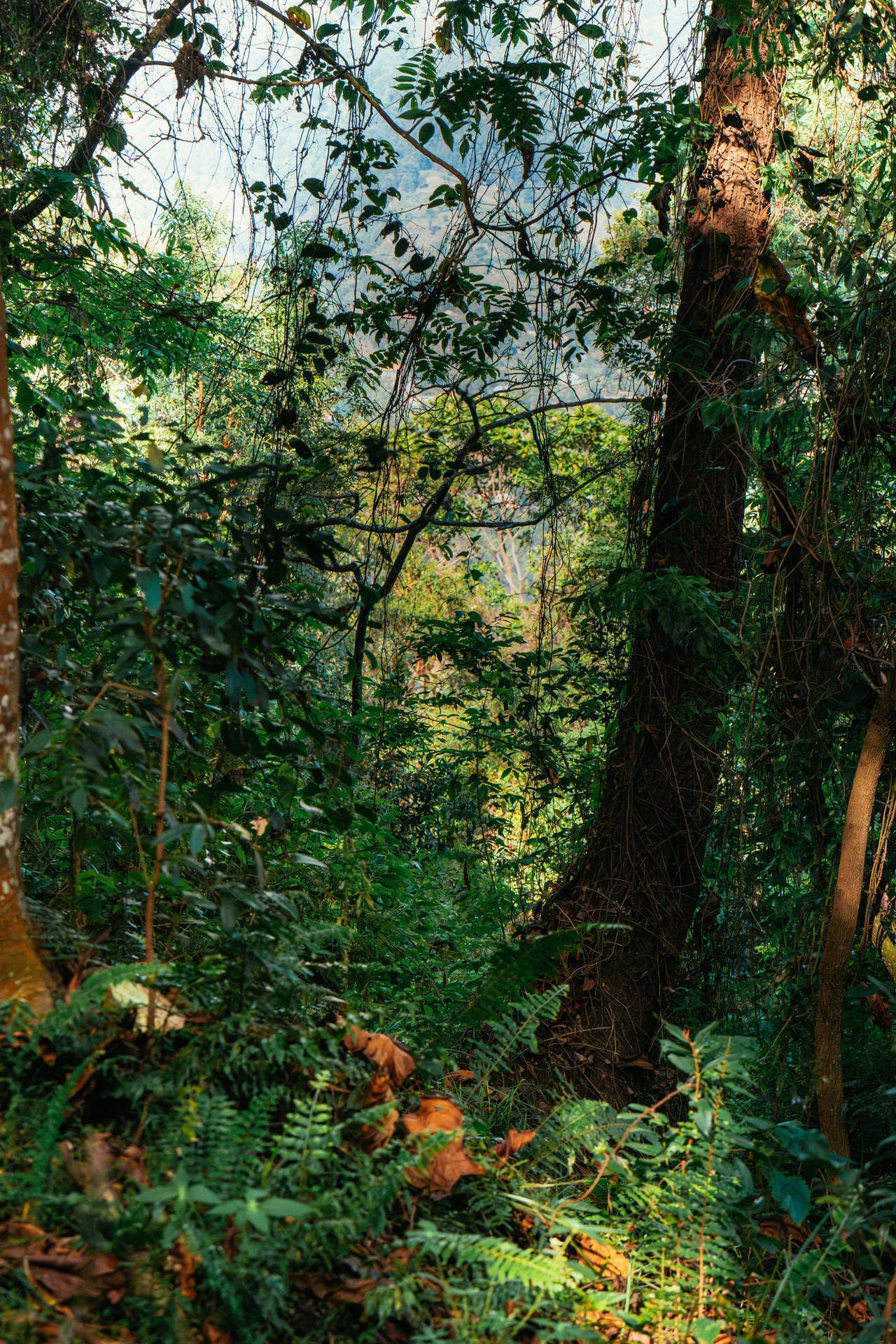
Wildlife of Bwindi
One of the most biologically diverse areas on Earth, sheltering hundreds of species across mammals, birds, butterflies, reptiles, and amphibians.
Bwindi Impenetrable National Park, a UNESCO World Heritage Site in southwestern Uganda, is recognized as one of the most important areas on Earth for biological diversity. Spanning 321 square kilometers of ancient montane and lowland forest, the park occupies a critical position within the Albertine Rift — Africa's most species-rich ecoregion.
The forest's remarkable altitudinal range, from 1,160 meters in the valley floors to 2,607 meters at the summit of Rwamunyonyi Hill, creates a gradient of habitats that supports an extraordinary concentration of life. More than 120 mammal species, over 350 bird species, 200 butterfly species, and countless reptiles, amphibians, and invertebrates call this forest home.
Perhaps most significantly, Bwindi shelters nearly half the world's remaining mountain gorillas, alongside chimpanzees and eight other primate species. The park's isolation during past ice ages allowed species to evolve independently, resulting in a high proportion of Albertine Rift endemics — species found nowhere else on the planet.
Explore Bwindi's Wildlife
Mammals
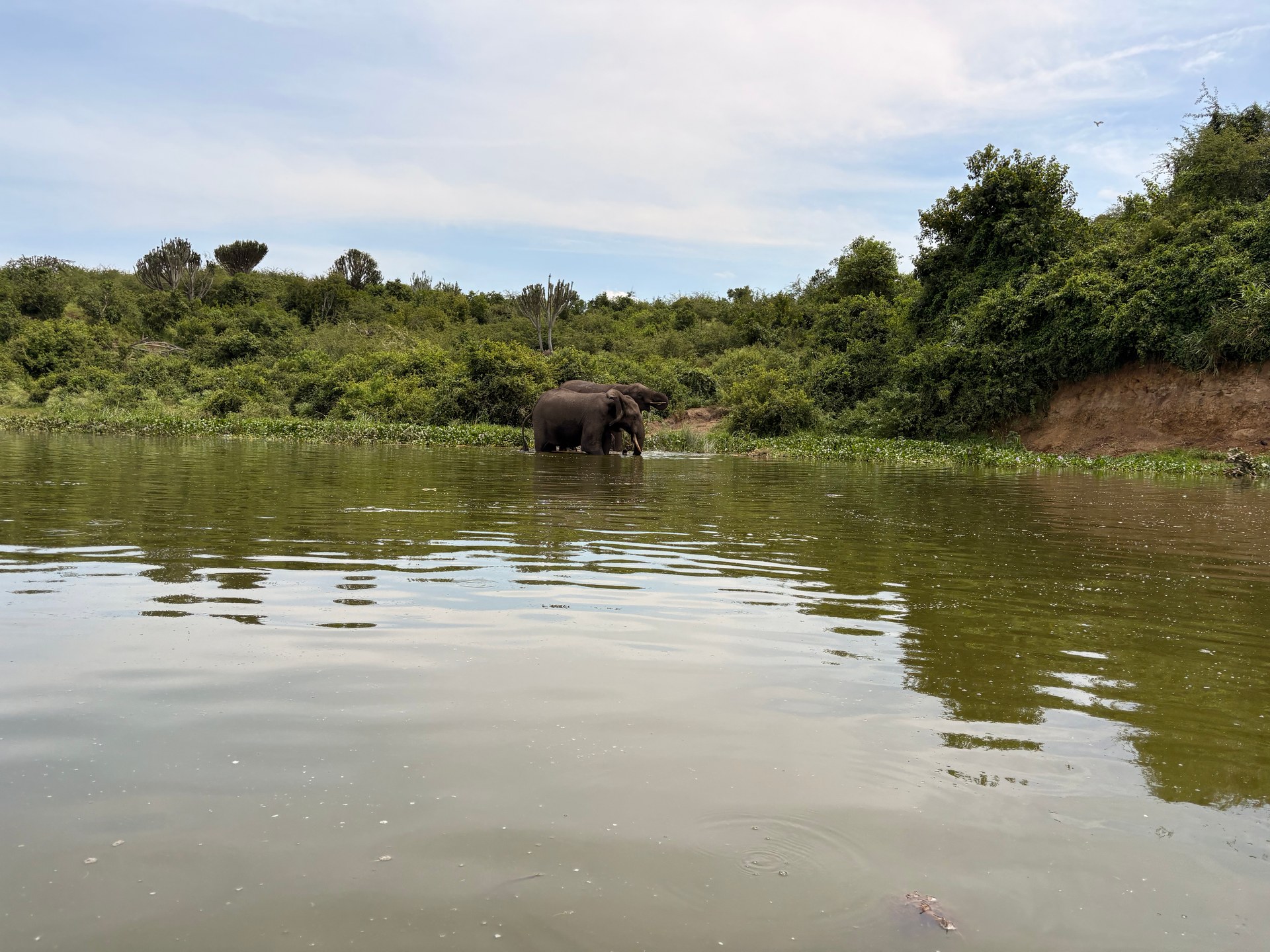
Over 120 mammal species inhabit Bwindi, from mountain gorillas and forest elephants to giant forest hogs and duikers.
Learn moreBirds
With 350+ recorded species and 23 Albertine Rift endemics, Bwindi is one of Africa's premier birding destinations.
Learn morePrimates
Home to 10+ primate species including mountain gorillas, chimpanzees, and several monkey species found nowhere else in East Africa.
Learn moreButterflies
More than 200 butterfly species have been recorded, including 8 Albertine Rift endemics found in the forest's diverse microhabitats.
Learn moreReptiles & Amphibians
Chameleons, forest cobras, tree frogs, and numerous other reptiles and amphibians thrive in Bwindi's humid montane forest.
Learn moreEndemic Species
As part of the Albertine Rift biodiversity hotspot, Bwindi shelters species found nowhere else on Earth.
Learn moreThe Albertine Rift Biodiversity Hotspot
Bwindi sits within the Albertine Rift, a branch of the East African Rift System that stretches from the northern tip of Lake Albert to the southern end of Lake Tanganyika. This region harbors more endemic vertebrate species than any other area on the African continent.
The rift's volcanic activity, tectonic shifts, and climatic fluctuations over millions of years created isolated forest refugia — pockets of forest that persisted even during the driest periods of the Pleistocene. Bwindi is one of these refugia, and its long-term stability has allowed species to diversify in remarkable ways.
Frequently Asked Questions
Related Articles
Mountain Gorillas of Bwindi
Primates of Uganda
Elephants in Bwindi
The Forest Ecosystem
Conservation Efforts
Gorilla Trekking Guide
Buhoma Sector
Ruhija Sector
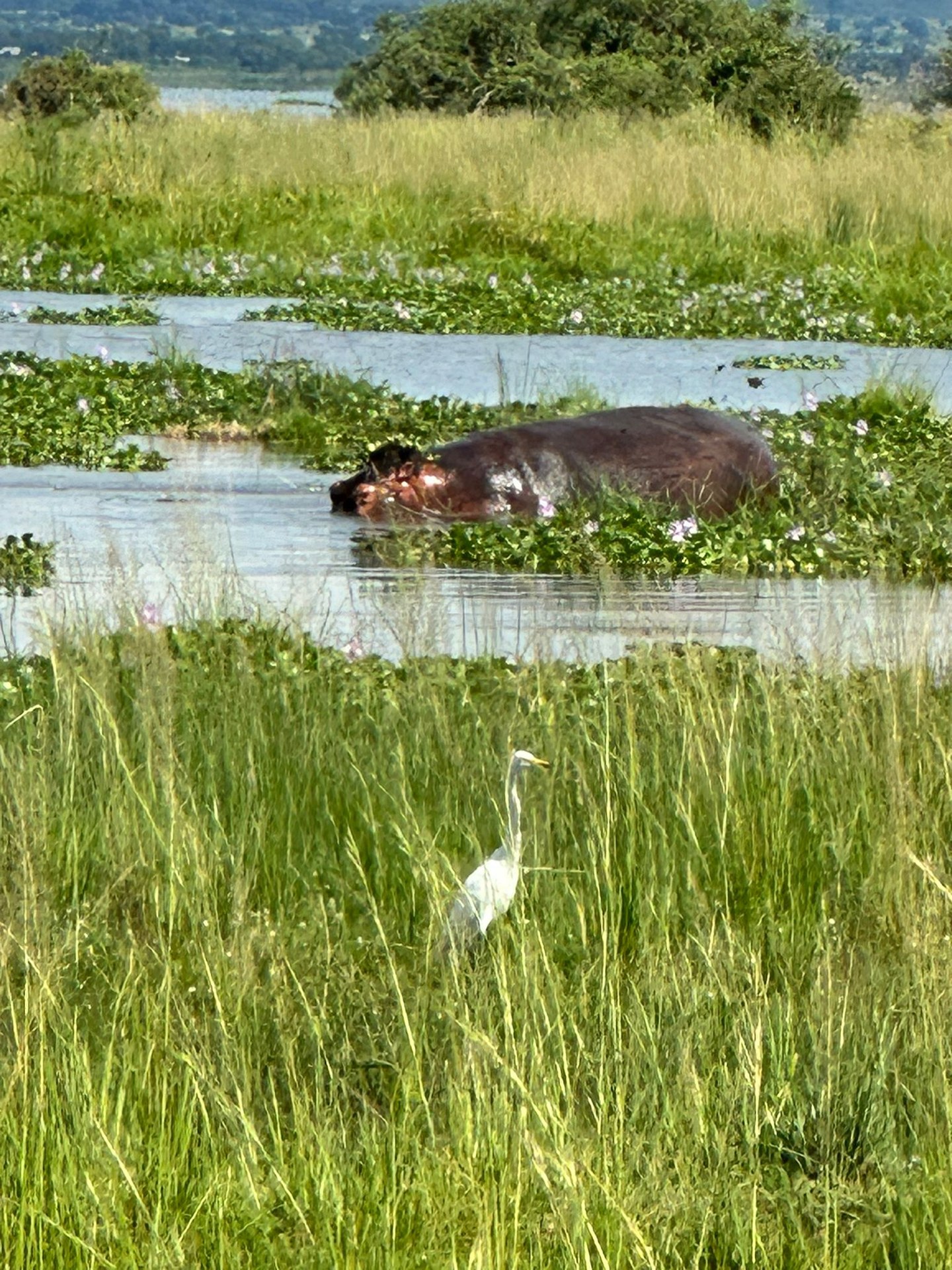
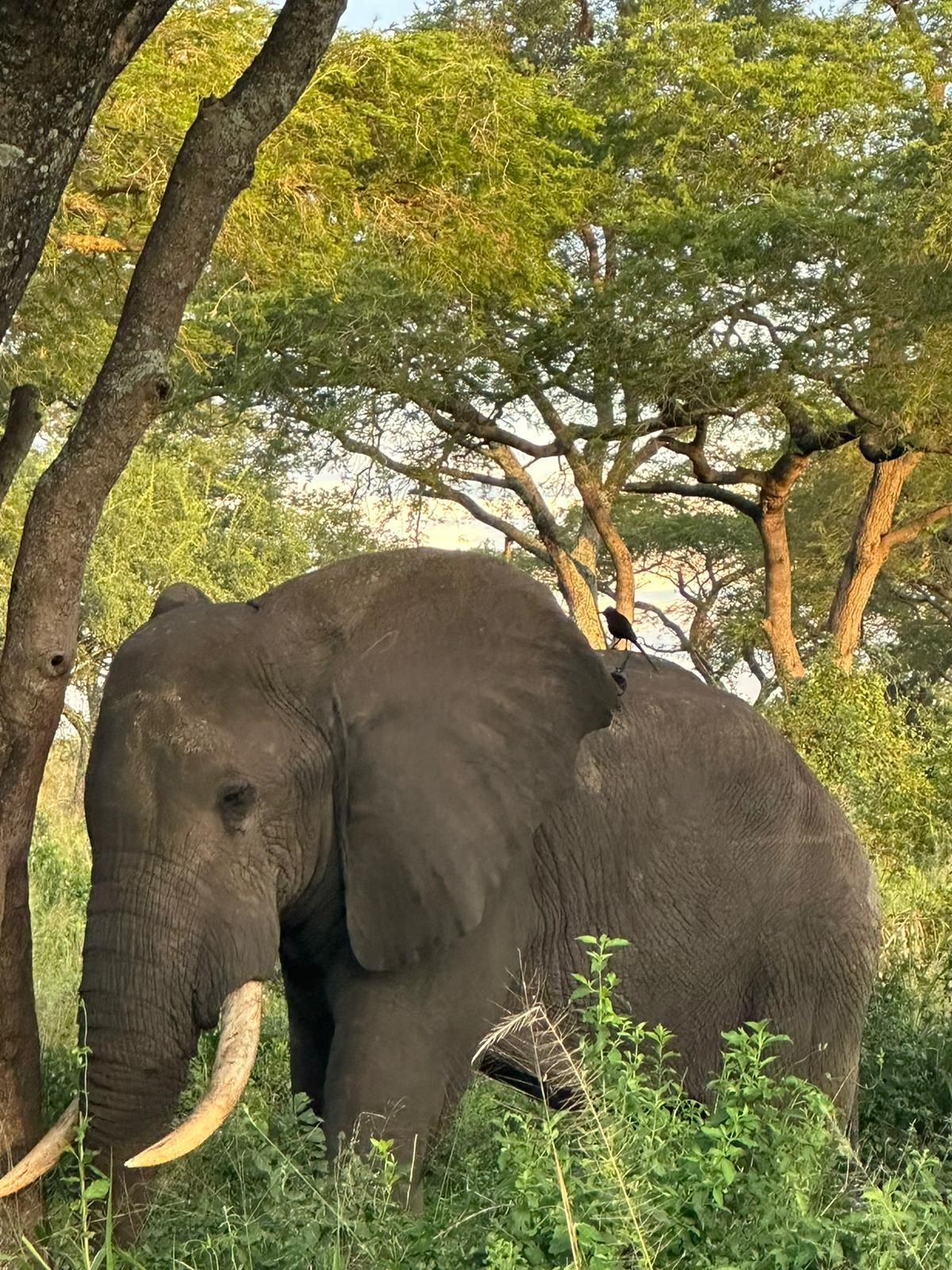
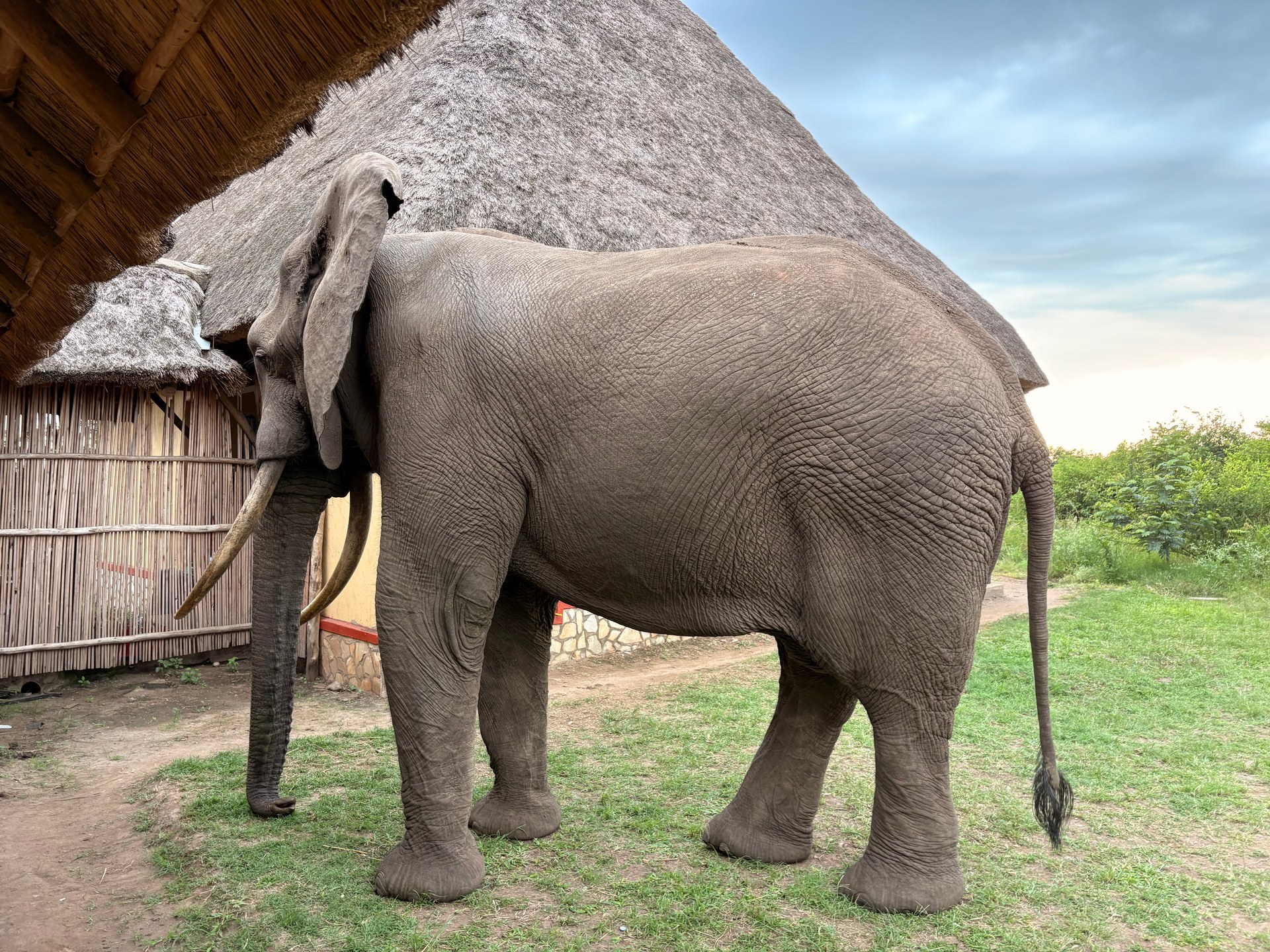
Safari Picture Duel — Vote for the best wildlife photo
Wildlife of Bwindi Impenetrable National Park
Birding in Uganda: 1,050 Species
Uganda's Large Carnivores
Bwindi Gorillas: Forest Wildlife and Ecosystem