Bwindi's High-Altitude Sanctuary
Ruhija occupies the eastern reaches of Bwindi Impenetrable National Park, standing as the highest sector at approximately 2,300 meters above sea level. Here, the forest takes on a different character: the canopy thins at the higher ridges, bamboo zones appear, and mist frequently drapes the landscape in shifting veils of cloud. The cooler temperatures and unique vegetation create a habitat distinct from the lower sectors, supporting species found nowhere else in the park.
For birders, Ruhija is the undisputed highlight of Bwindi. The high-altitude montane and bamboo forests are the stronghold of Albertine Rift endemic birds, a group of species restricted to the mountains flanking the western arm of the East African Rift. Bwindi holds more Albertine Rift endemics than any other single site, and Ruhija is the most productive location within the park for finding them.
Three habituated gorilla groups call Ruhija home: Bitukura, Oruzogo, and Mukiza. Trekking here combines the thrill of gorilla encounters with immersion in a landscape that feels genuinely remote, wrapped in cloud forest and alive with birdsong.
Geography and Climate
Ruhija sits on the eastern escarpment of Bwindi, where the terrain rises sharply to form some of the park's highest ridges. The landscape is a mosaic of dense montane forest, bamboo stands, and high-altitude clearings where the canopy opens to reveal panoramic views across the forested valleys below.
The climate at Ruhija is noticeably cooler than the other sectors. Morning temperatures can drop below 10 degrees Celsius, and mist or light rain is common throughout the day regardless of season. This persistent moisture sustains the epiphytic growth that characterizes the forest here: mosses, orchids, ferns, and lichens clothe virtually every surface, creating a lush, otherworldly atmosphere.
The combination of altitude, moisture, and forest structure creates distinct ecological niches that support species not found in the warmer, lower-altitude sectors. This is what makes Ruhija essential for understanding Bwindi's full biological diversity.
Gorilla Families
Three habituated gorilla groups range through the high-altitude forests of Ruhija.
Bitukura Group
One of the most visited groups in Bwindi, the Bitukura family is known for being relatively predictable in their ranging patterns and comfortable around visitors. This makes them an excellent choice for trekkers at Ruhija, with encounters often described as intimate and unhurried.
Oruzogo Group
A smaller family often found in the bamboo zones that characterize Ruhija's higher elevations. The Oruzogo group's territory takes trekkers through some of the most atmospheric forest in Bwindi, where dense bamboo gives way to moss-draped montane trees.
Mukiza Group
A more recently habituated group that adds another dimension to Ruhija's gorilla trekking offerings. The Mukiza family provides trekkers with a chance to observe a group still developing its relationship with human visitors, offering a rawer and less predictable experience.
Ruhija in Pictures
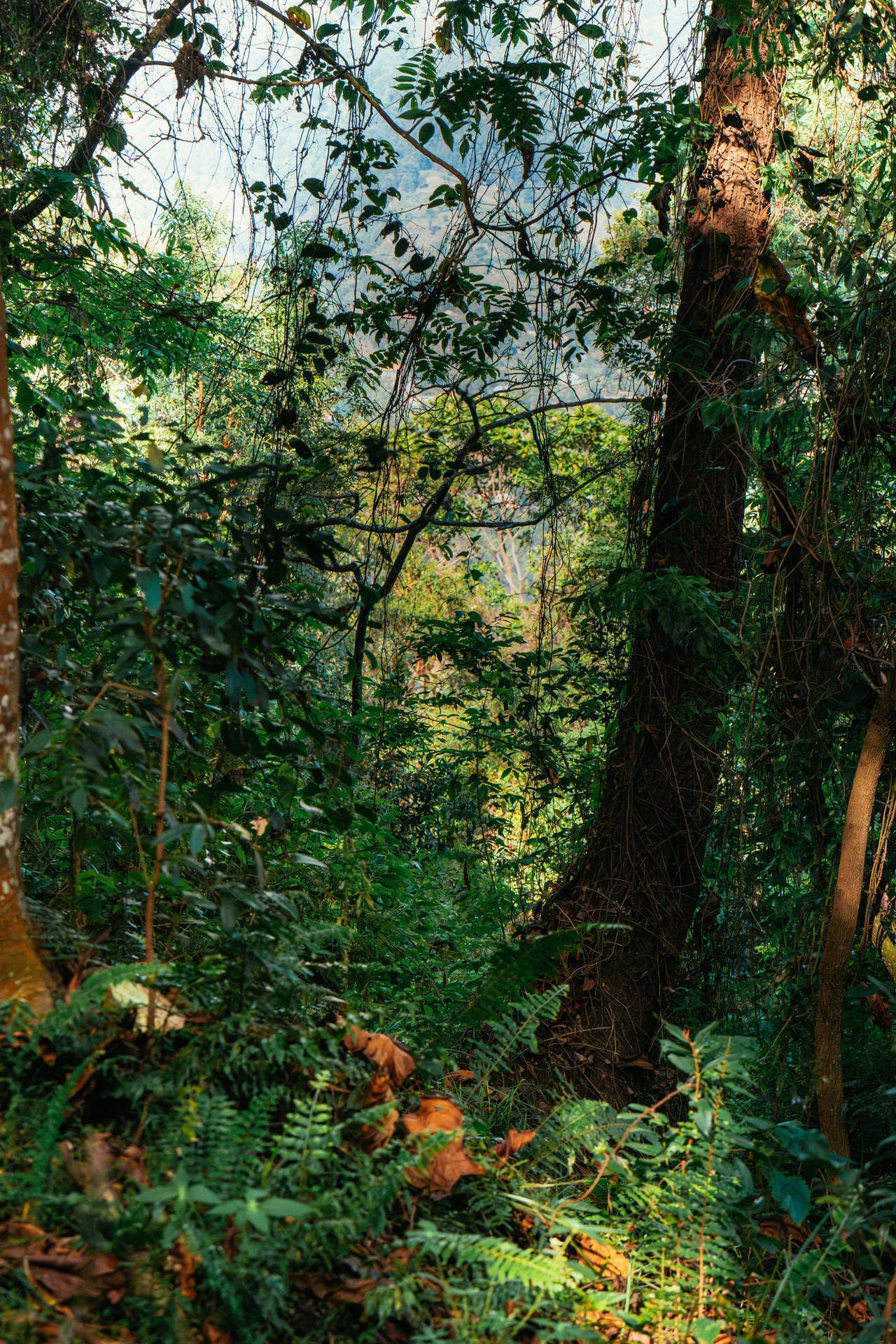
Dense jungle at the start of the gorilla trekking trail
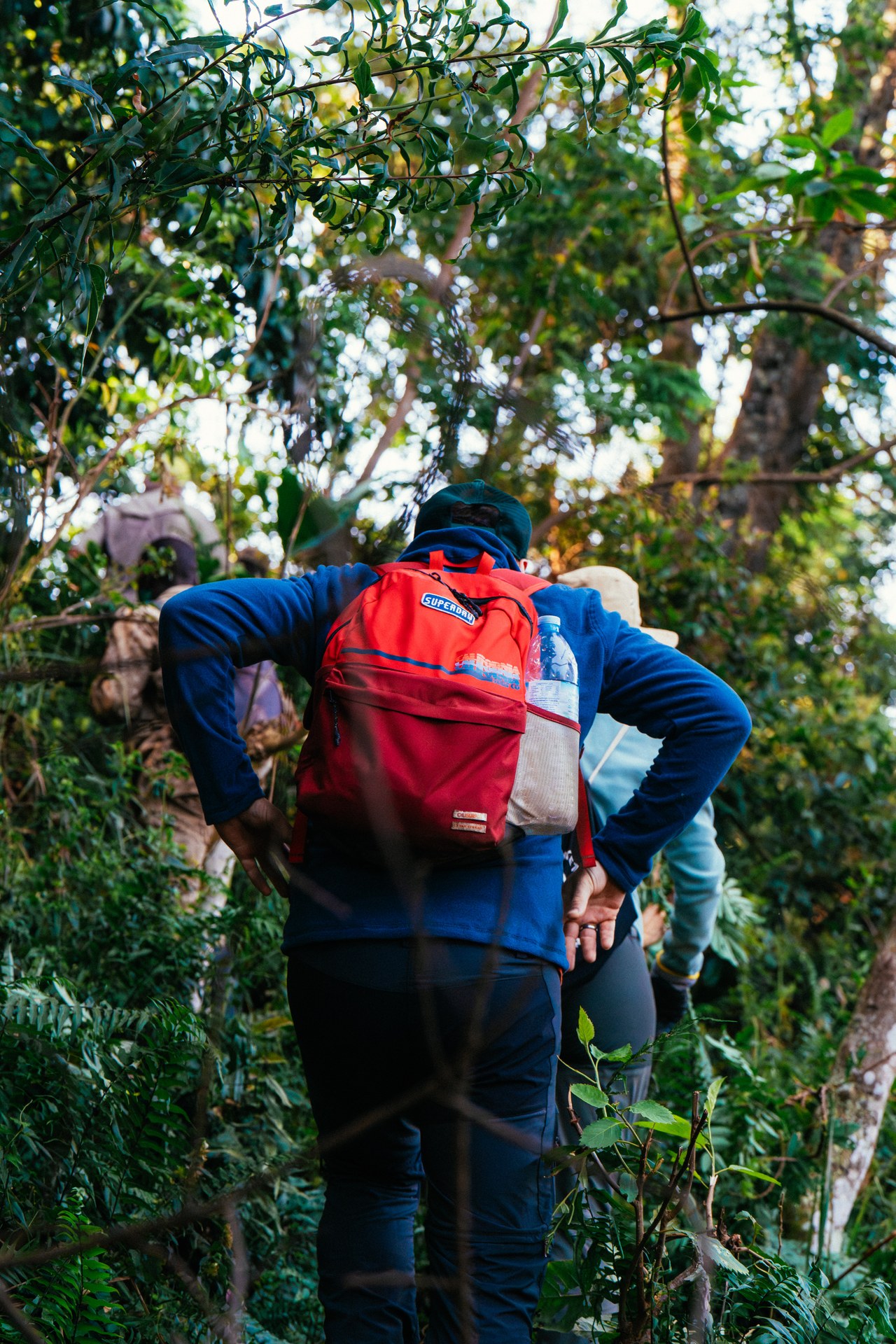
Gorilla trekking in Bwindi: the path through the rainforest
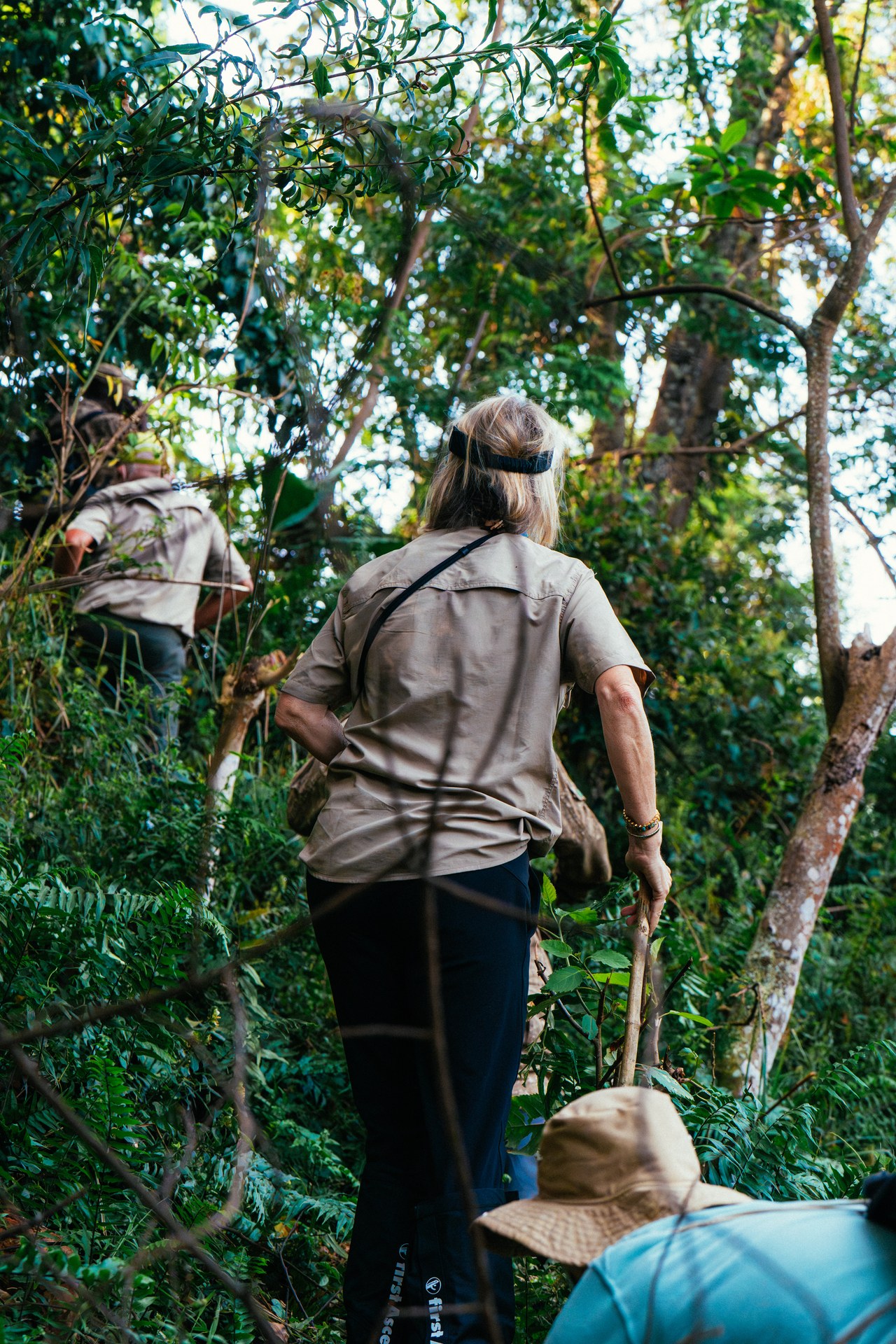
Through Bwindi forest on the trail of gorillas
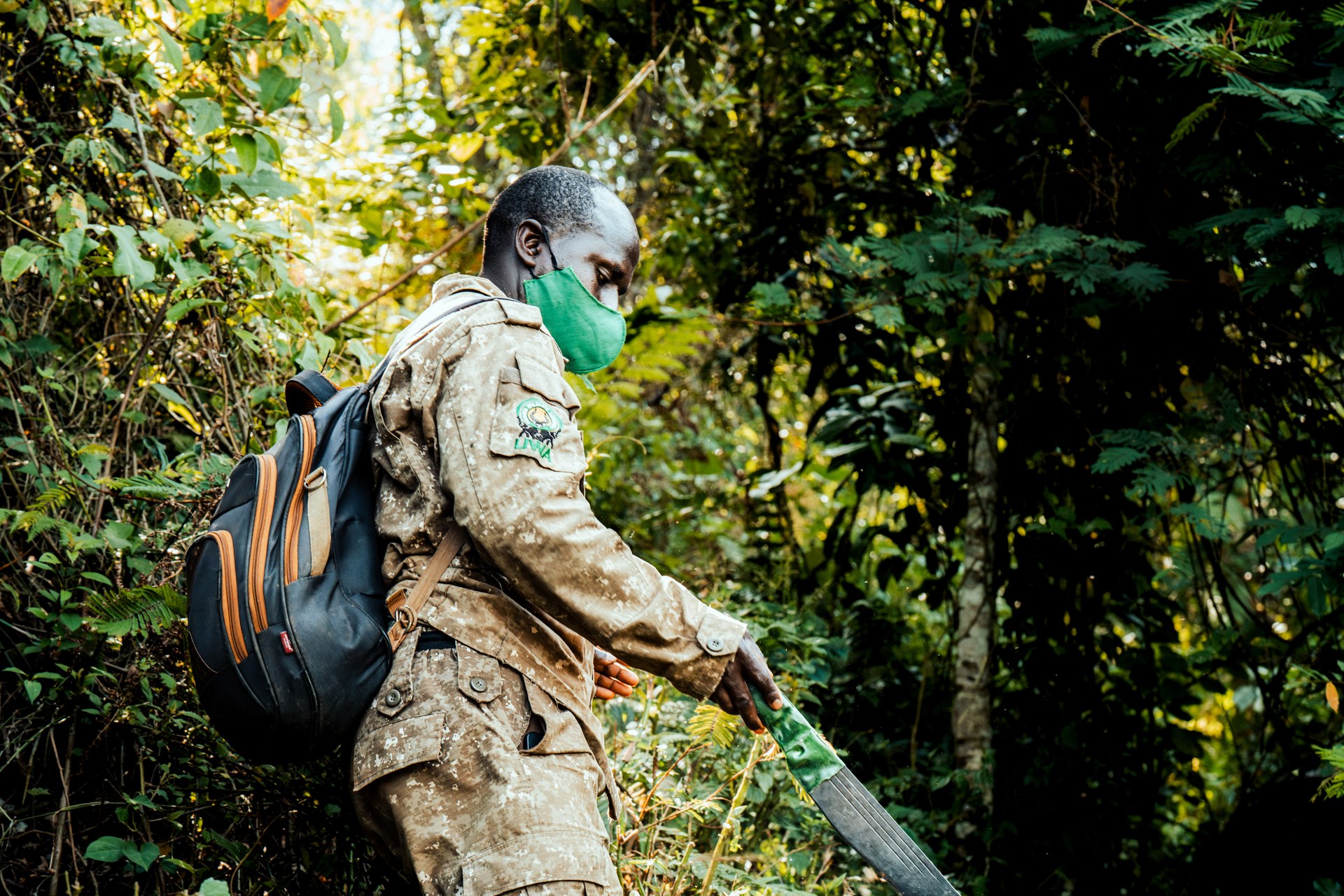
Ranger in Bwindi forest on the way to the gorillas
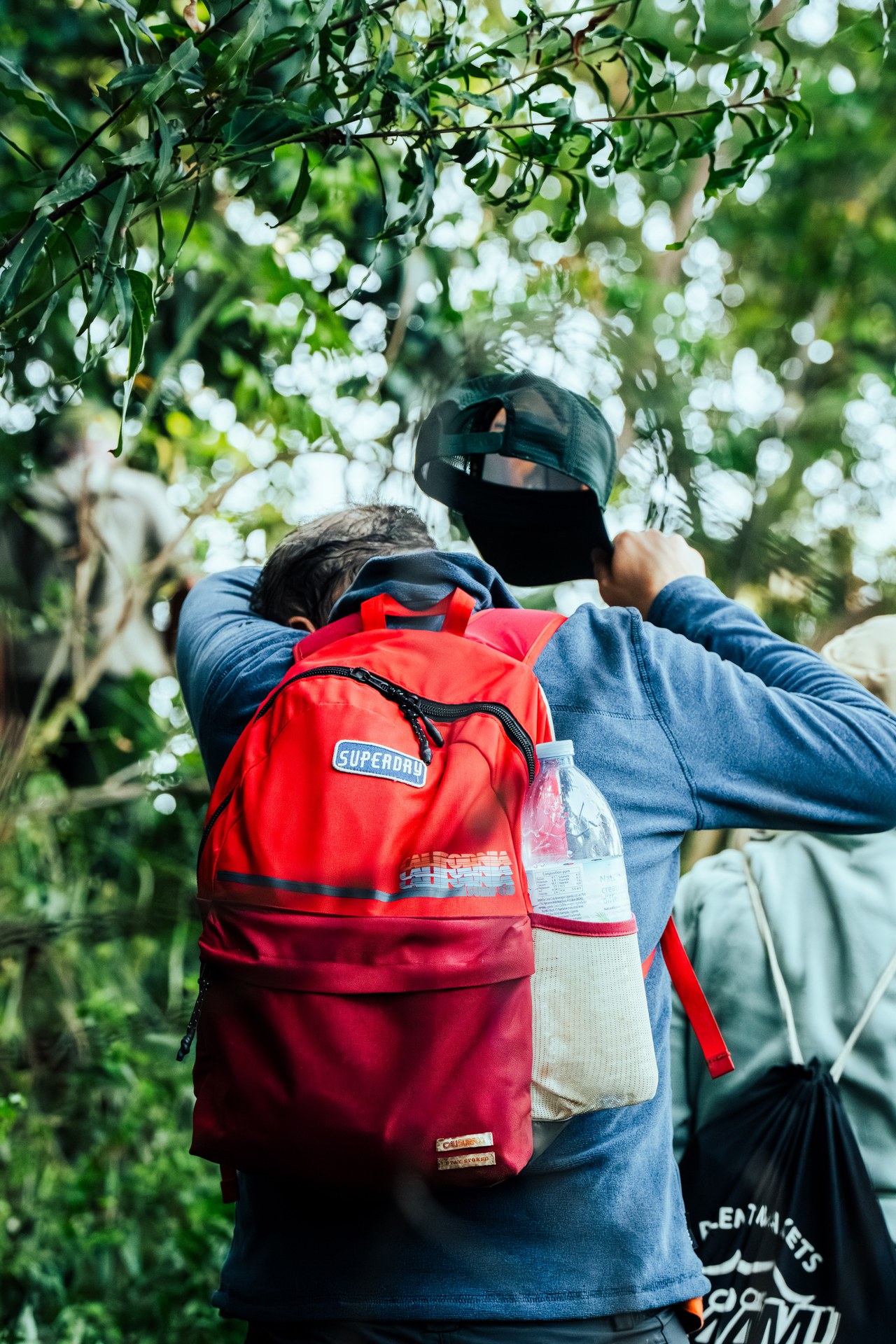
Preparing for the adventure: gorilla trekking in Bwindi
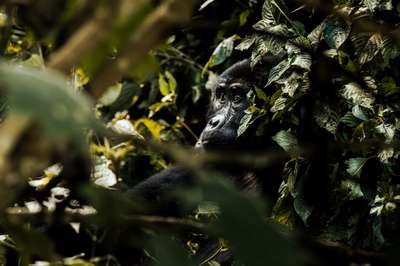
Mountain Gorilla Peering Through Dense Forest Foliage
Mountain GorillaBirding at Ruhija
Ruhija is the premier birding destination within Bwindi and one of the most important birding sites in all of Africa. The sector's high-altitude forests support a remarkable concentration of Albertine Rift endemic species, birds found only in the mountains along the western branch of the East African Rift Valley.
Key species that birders seek at Ruhija include the African green broadbill, Shelley's crimsonwing, Grauer's rush warbler, Archer's robin-chat, the handsome spurfowl, Ruwenzori turaco, and the short-tailed warbler. The bamboo zones are particularly productive, harboring bamboo-dependent species alongside mixed-species flocks that move through the canopy.
Guided birding walks typically depart before dawn to take advantage of the most active period. The Muyaga Waterfall Trail and the road through the sector both serve as excellent birding routes, with experienced local guides who know where to find even the most elusive species.
Trails and Activities
Muyaga Waterfall Trail
The signature trail at Ruhija leads through montane forest to the Muyaga Waterfall. The hike takes approximately 3 to 4 hours round trip and passes through excellent birding habitat. The trail climbs through bamboo and mixed forest before reaching the falls, which cascade down a moss-covered rock face into a pool surrounded by ferns and epiphytes.
Forest Walks
Guided nature walks explore the unique high-altitude ecosystem around Ruhija. These walks focus on the forest's ecology, medicinal plants, primate behavior, and the intricate relationships between species in the montane environment. They can be combined with birding or enjoyed as standalone experiences.
Visitor Information
Ruhija has a quieter, more remote atmosphere than Buhoma, with fewer lodges and less developed village infrastructure. For many visitors, this is precisely the appeal: Ruhija feels like a deeper immersion into the forest, without the bustle of a larger tourist hub.
Accommodation options include several comfortable lodges within driving distance of the trekking starting point. The sector is accessed via the Kabale-Ruhija road, which traverses the eastern side of the park. A 4WD vehicle is strongly recommended, especially during the wet season when road conditions can deteriorate.
Visitors should prepare for cool, often damp conditions. Layered clothing, waterproof gear, and warm layers for early mornings are essential. The higher altitude can also be felt during treks, so a moderate level of fitness is advisable. As with all sectors, gorilla permits must be booked in advance through the Uganda Wildlife Authority or a licensed operator.