Seasons & Weather
Understanding Bwindi's climate to plan the ideal visit.
Climate Overview
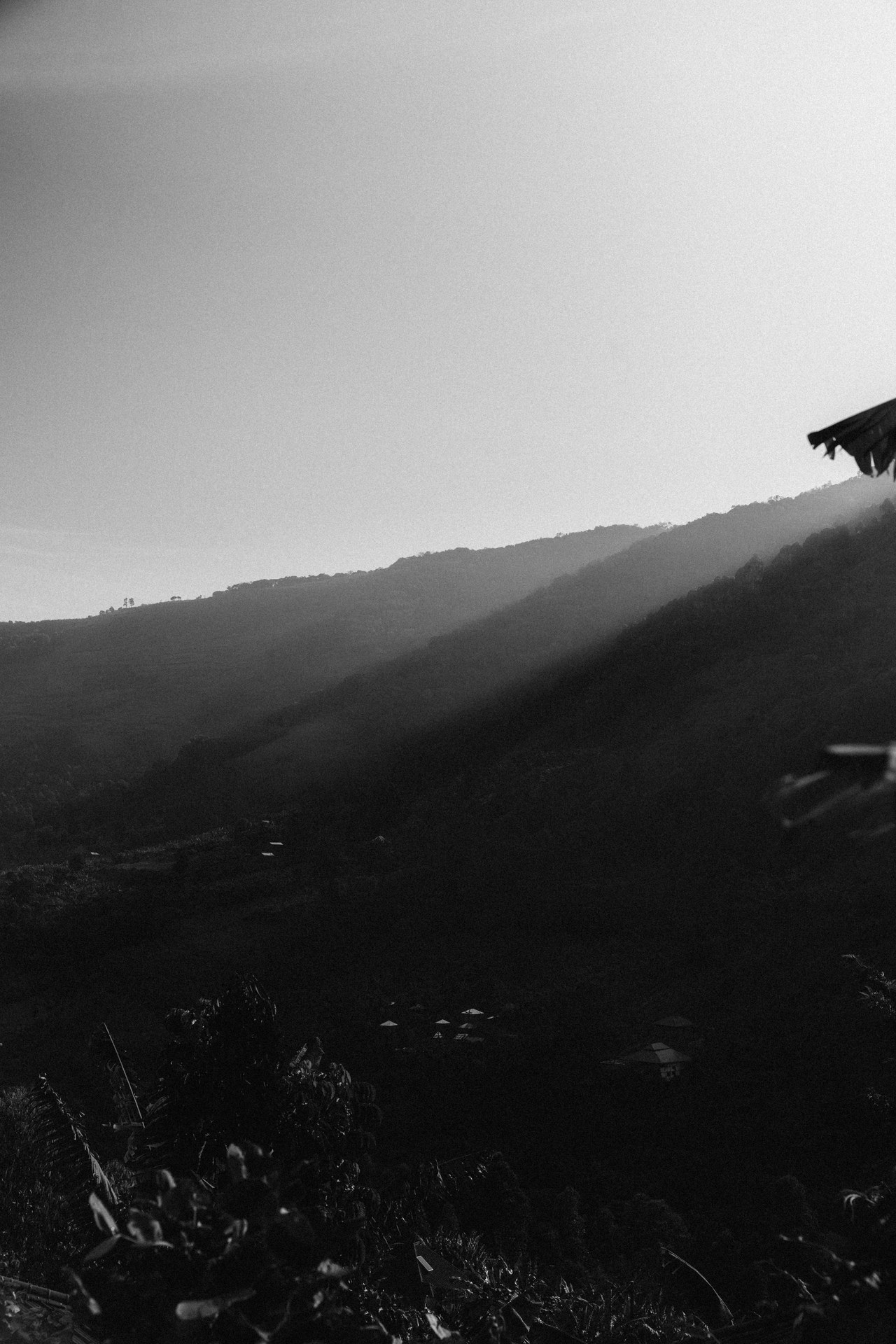
Bwindi Impenetrable National Park has a tropical highland climate moderated by its altitude, which ranges from 1,160 metres at the lowest valleys to 2,607 metres at the highest ridges. The park experiences two distinct dry seasons and two wet seasons each year, though its rainforest character means precipitation can occur in any month.
Daytime temperatures are generally warm and pleasant, ranging from 15 to 27 degrees Celsius. Nights can be cool, particularly at higher elevations like Ruhija sector, where temperatures may drop to 7 degrees Celsius. Humidity is consistently high within the forest canopy.
Dry Seasons
The two dry seasons are the most popular periods for visiting Bwindi:
- Long dry season: June to September. The most reliably dry months, with warm days and reduced rainfall. This is peak tourist season, and gorilla permits should be booked months in advance.
- Short dry season: December to February. A shorter dry window that coincides with the holiday travel period. January and February are often the driest months of the year.
Wet Seasons
The wet seasons bring heavier and more frequent rainfall:
- Long wet season: March to May. The heaviest rains, with April typically being the wettest month. Trails are at their most challenging, but the forest is spectacularly lush.
- Short wet season: October to November. Moderate to heavy rainfall. The transition is gradual, and October can still offer reasonable conditions.
Month-by-Month Guide
| Month | Temp (C) | Rainfall | Season | Notes |
|---|---|---|---|---|
| January | 16-26 | Low | Dry | Excellent trekking. Clear mornings, warm days. |
| February | 16-27 | Low | Dry | Driest month in many years. Great visibility. |
| March | 16-26 | Moderate | Wet transition | Rains begin mid-month. Still good for trekking. |
| April | 15-24 | High | Wet | Heaviest rains. Trails slippery but fewer visitors. |
| May | 15-24 | High | Wet | Wet conditions persist. Lower permit demand. |
| June | 14-24 | Low-Moderate | Dry | Long dry season begins. Ideal conditions. |
| July | 14-23 | Low | Dry | Peak season. Book permits well in advance. |
| August | 14-24 | Low | Dry | Peak season continues. Excellent trekking weather. |
| September | 14-25 | Low-Moderate | Dry | End of long dry season. Still very good. |
| October | 15-25 | Moderate-High | Wet transition | Short rains begin. Trails can be muddy. |
| November | 15-24 | High | Wet | Second wet season. Lush forest, fewer visitors. |
| December | 15-25 | Low-Moderate | Dry | Short dry season. Holiday demand for permits. |
What the Seasons Mean for Trekking
Gorilla trekking operates every day of the year regardless of weather. During dry seasons, trails are firmer and the trek is generally easier. In wet seasons, trails become muddy and steep sections more demanding, but the forest comes alive with fresh growth, mushrooms, and increased bird activity. The gorillas themselves do not migrate and remain in the forest year-round, though they may range further during wet months as food sources shift.
Regardless of the season, always pack a rain jacket, waterproof bag covers, and sturdy boots with ankle support. The forest floor is perpetually damp, and conditions can change within minutes.