Bwindi's Gorilla Heartland
Rushaga, in the southern reaches of Bwindi Impenetrable National Park, is home to more habituated gorilla families than any other sector. Five groups currently receive visitors here: Nshongi, Mishaya, Kahungye, Busingye, and Bweza. This concentration of gorilla families reflects the richness of the habitat and the success of habituation efforts in this part of the park.
The landscape at Rushaga is remarkably varied. Deep valleys carve between forested ridges, creating a topography that ranges from gentle slopes to steep, challenging terrain. This diversity of habitat supports not only gorillas but an extraordinary range of wildlife, including one of the richest butterfly faunas in the region.
Rushaga is also the only sector in Bwindi where the gorilla habituation experience is available, allowing visitors to spend extended time with a family still in the process of becoming accustomed to human observers. This unique offering provides a deeper, more immersive encounter with these remarkable primates.
Geography and Terrain
Rushaga spans a wide altitudinal range, from approximately 1,190 meters in the valley bottoms to over 2,200 meters on the highest ridges. This elevation gradient creates multiple vegetation zones within the sector, from lowland tropical forest in the valleys to montane forest on the ridgelines.
The terrain is characterized by a complex pattern of ridges and valleys, shaped by the rivers and streams that drain southward from the Bwindi massif. The diverse topography means that gorilla treks can vary significantly in difficulty depending on which family is being visited and where they have moved on any given day. Some treks follow relatively gentle valley paths while others require steep ascents along narrow ridges.
The varied terrain is also what supports such a large gorilla population. Different families occupy different ecological niches within the landscape, reducing competition for food resources and allowing multiple groups to thrive in relative proximity.
Gorilla Families
Five habituated gorilla groups range through Rushaga's forests, the highest concentration in any sector of Bwindi.
Nshongi Group
Once one of the largest gorilla groups ever recorded, the Nshongi family was named after the Nshongi River in their home range. The group has undergone natural splits over the years, a process that contributed to the formation of other Rushaga families. They remain an important group for both tourism and research.
Mishaya Group
Led by the silverback Mishaya, who broke away from the Nshongi group to form his own family. This group is known for ranging across some of Rushaga's more challenging terrain, making treks to find them a rewarding adventure through diverse forest habitats.
Kahungye Group
Another family with roots in the broader Rushaga gorilla population, the Kahungye group occupies territory in the sector's varied terrain. Named after a local geographic feature, they offer visitors a chance to observe gorilla family dynamics in one of Bwindi's richest habitats.
Busingye Group
The Busingye group, whose name means "peace" in the local language, represents the ongoing success of gorilla habituation in Rushaga. The family provides another option for trekkers and contributes to the sector's ability to accommodate more visitors without overcrowding any single group.
Bweza Group
One of the newer habituated families at Rushaga, the Bweza group adds further depth to the sector's gorilla trekking portfolio. Their presence reflects the healthy and growing gorilla population in this part of Bwindi and the continued success of conservation efforts.
Rushaga in Pictures
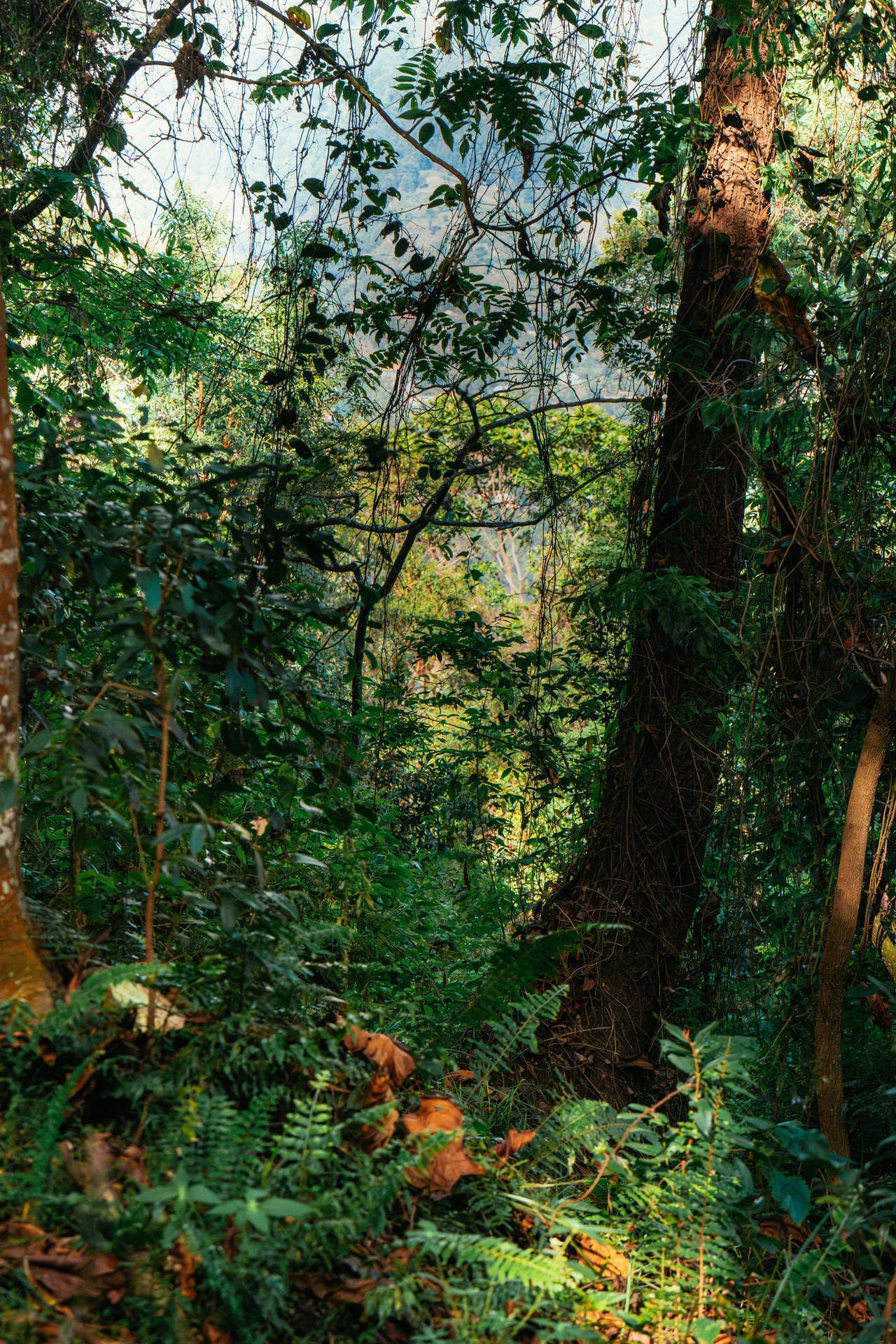
Dense jungle at the start of the gorilla trekking trail
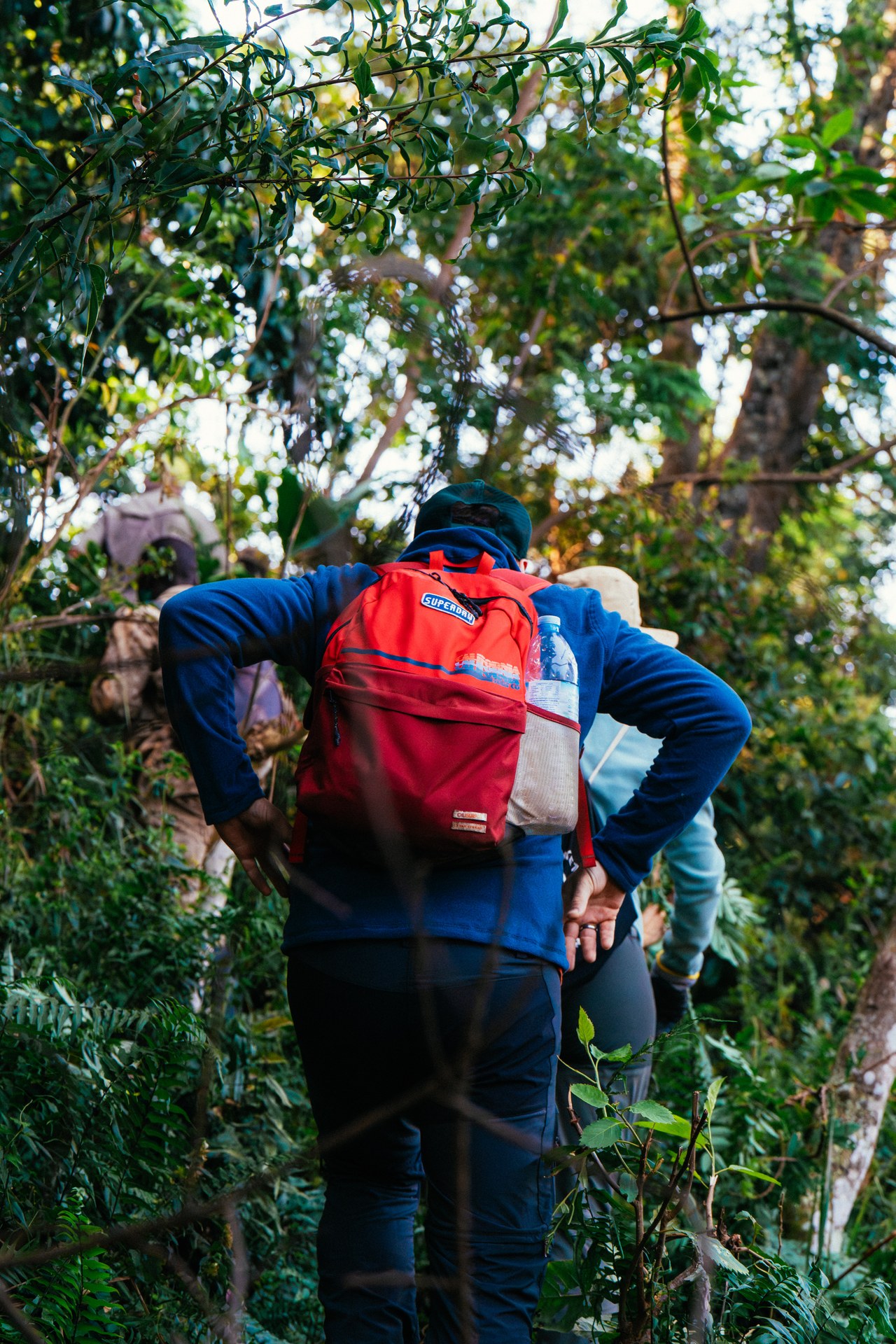
Gorilla trekking in Bwindi: the path through the rainforest
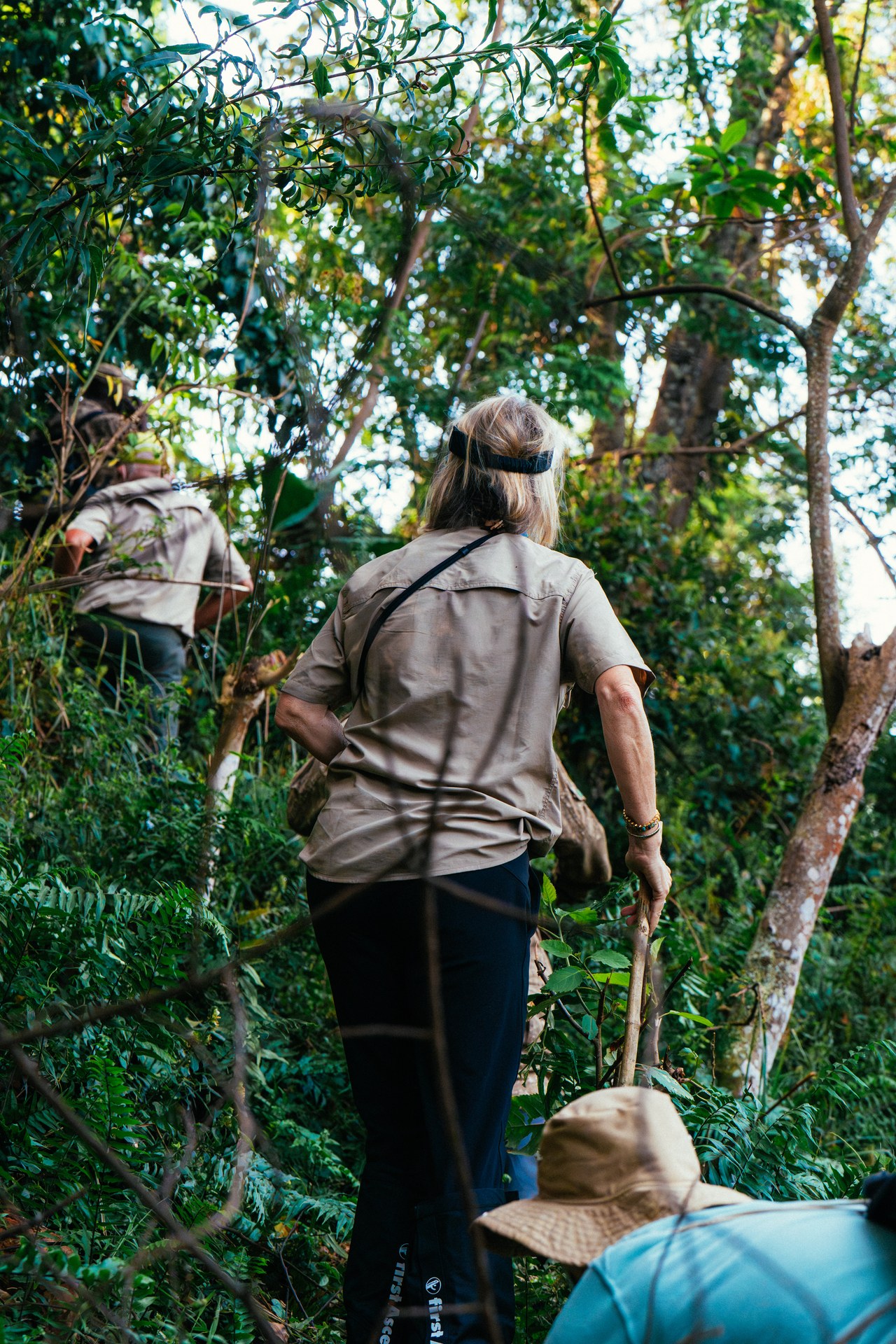
Through Bwindi forest on the trail of gorillas
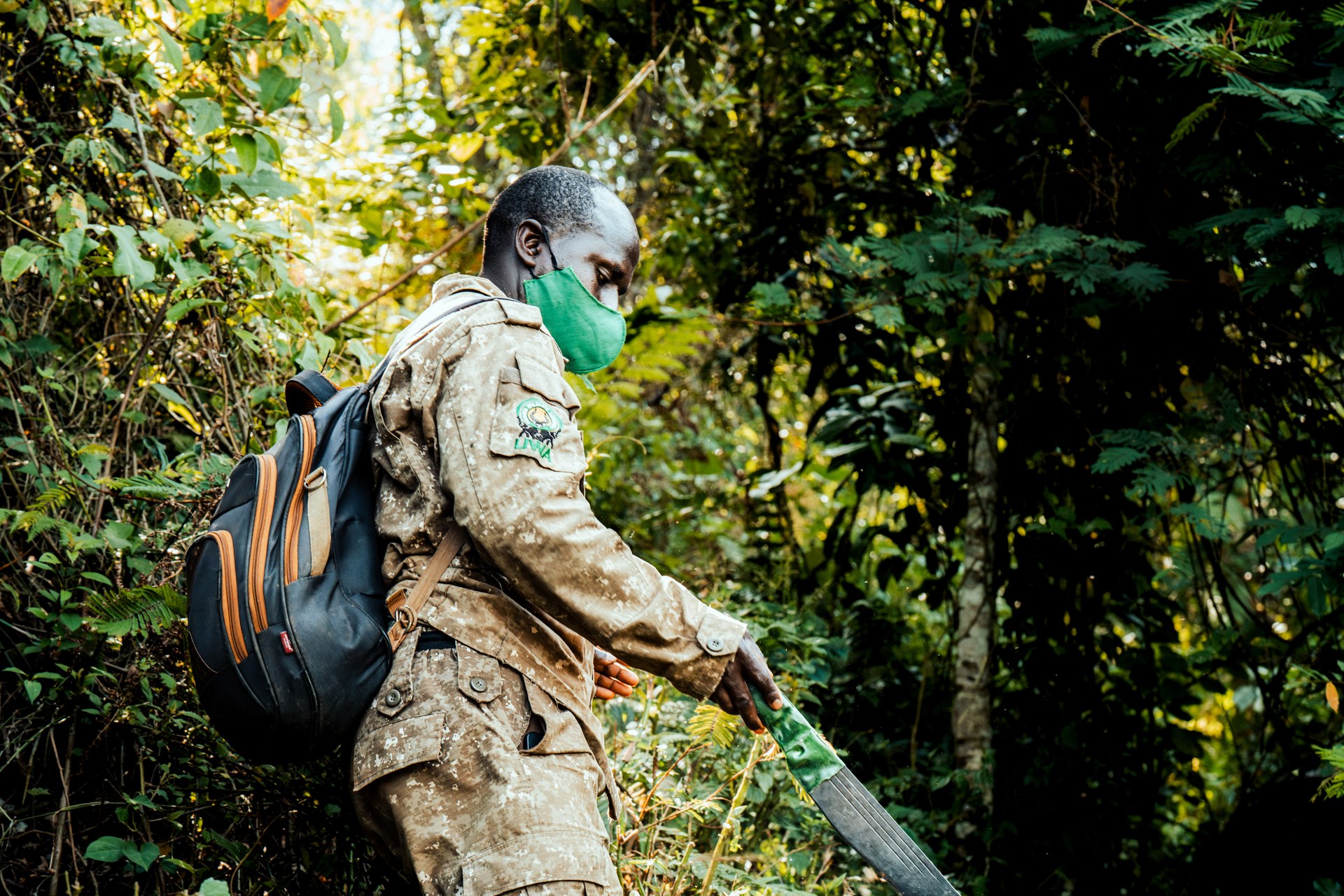
Ranger in Bwindi forest on the way to the gorillas
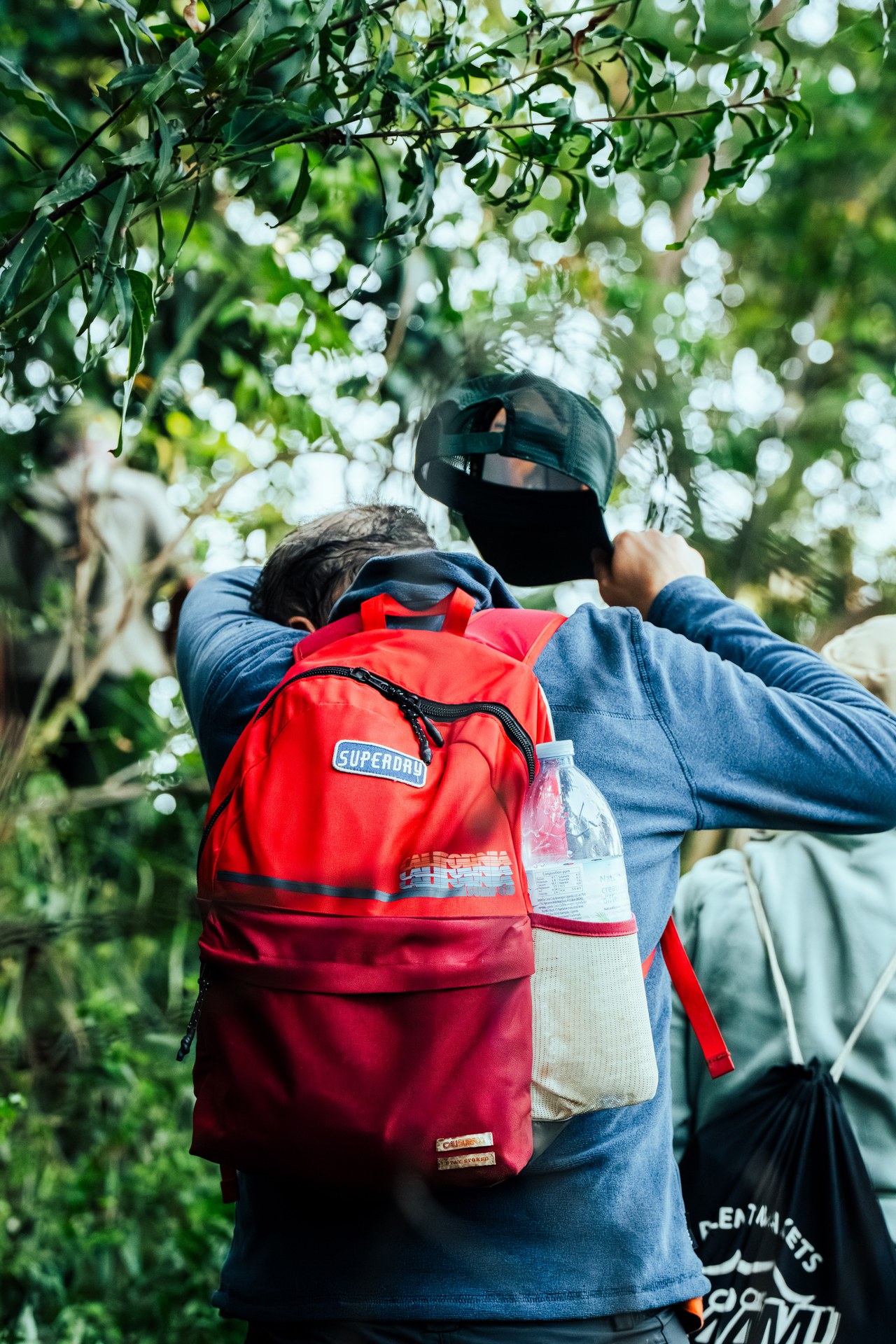
Preparing for the adventure: gorilla trekking in Bwindi
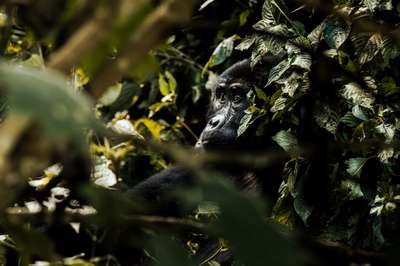
Mountain Gorilla Peering Through Dense Forest Foliage
Mountain GorillaThe Gorilla Habituation Experience
Rushaga is the only sector in Bwindi where visitors can participate in the gorilla habituation experience. Unlike standard gorilla trekking, which allows one hour with a fully habituated group, the habituation experience permits up to four hours with a gorilla family that is still being gradually accustomed to human presence.
Participants join a team of researchers and rangers who are actively working to habituate the group. The experience offers a behind-the-scenes look at the patient, years-long process of building trust between gorillas and humans. Visitors observe the team's methods and witness the gorillas' evolving behavior in real time.
The habituation experience is limited to a smaller number of participants than standard trekking and requires a separate permit. It is particularly suited to visitors with a deeper interest in primate behavior and conservation, and those who want a more prolonged, less structured encounter with mountain gorillas.
Wildlife Beyond Gorillas
Rushaga's diverse terrain supports an exceptional range of wildlife beyond its famous gorilla residents. The sector is particularly noted for its butterfly diversity. Over 200 butterfly species have been recorded in Bwindi, and Rushaga's varied habitats, from sun-dappled clearings to riverbanks and forest edges, provide ideal conditions for many of them.
Other primates found in the Rushaga forests include chimpanzees, black-and-white colobus monkeys, red-tailed monkeys, and L'Hoest's monkeys. The birdlife is rich, with forest-dependent species inhabiting every stratum of the canopy, and the mammal fauna includes forest elephants (rarely seen but present), bushbuck, and various duiker species.
Visitor Information
Rushaga is accessed from the south, with the primary approaches from Kisoro (approximately 1.5 to 2 hours) or Kabale (approximately 3 to 4 hours). The final stretch of road is unpaved, and a 4WD vehicle is recommended throughout the year. Domestic flights to Kisoro airstrip provide a faster alternative to the long drive from Kampala.
Accommodation has expanded significantly as the sector has grown in popularity. Options range from comfortable lodges to community-run guesthouses, with most located within a reasonable drive of the park entrance. The sector's growing infrastructure makes it increasingly accessible while retaining a sense of remoteness.
With five gorilla groups available for trekking and the habituation experience, Rushaga offers the greatest flexibility for permit booking. However, permits should still be arranged well in advance, particularly during peak seasons. Trekking briefings take place each morning at the sector's starting point before groups set out to find the gorillas.