Uganda's approach to conservation rests on a single economic insight: when the forest is worth more standing than felled, local communities will protect it. At Bwindi Impenetrable National Park, the $800 gorilla trekking permit has become the engine of that argument — funding ranger patrols, veterinary teams, and community development programmes that make conservation economically rational for the 350,000 people living on the forest's edge.
Key Facts
- Bwindi area
- 321 km² of montane forest
- UNESCO designation
- World Heritage Site since 1994
- Mountain gorilla population
- ~1,000 globally; ~half at Bwindi
- Gorilla trekking permit
- $800 per person (foreign non-residents)
- Habituated gorilla groups
- 18+ across four trekking sectors
- Bird species
- 350+ including 23 Albertine Rift endemics
- Community revenue share
- Portion of park fees returned to local communities
- Last reviewed
- June 2026
The Scene at a Buhoma Quarry
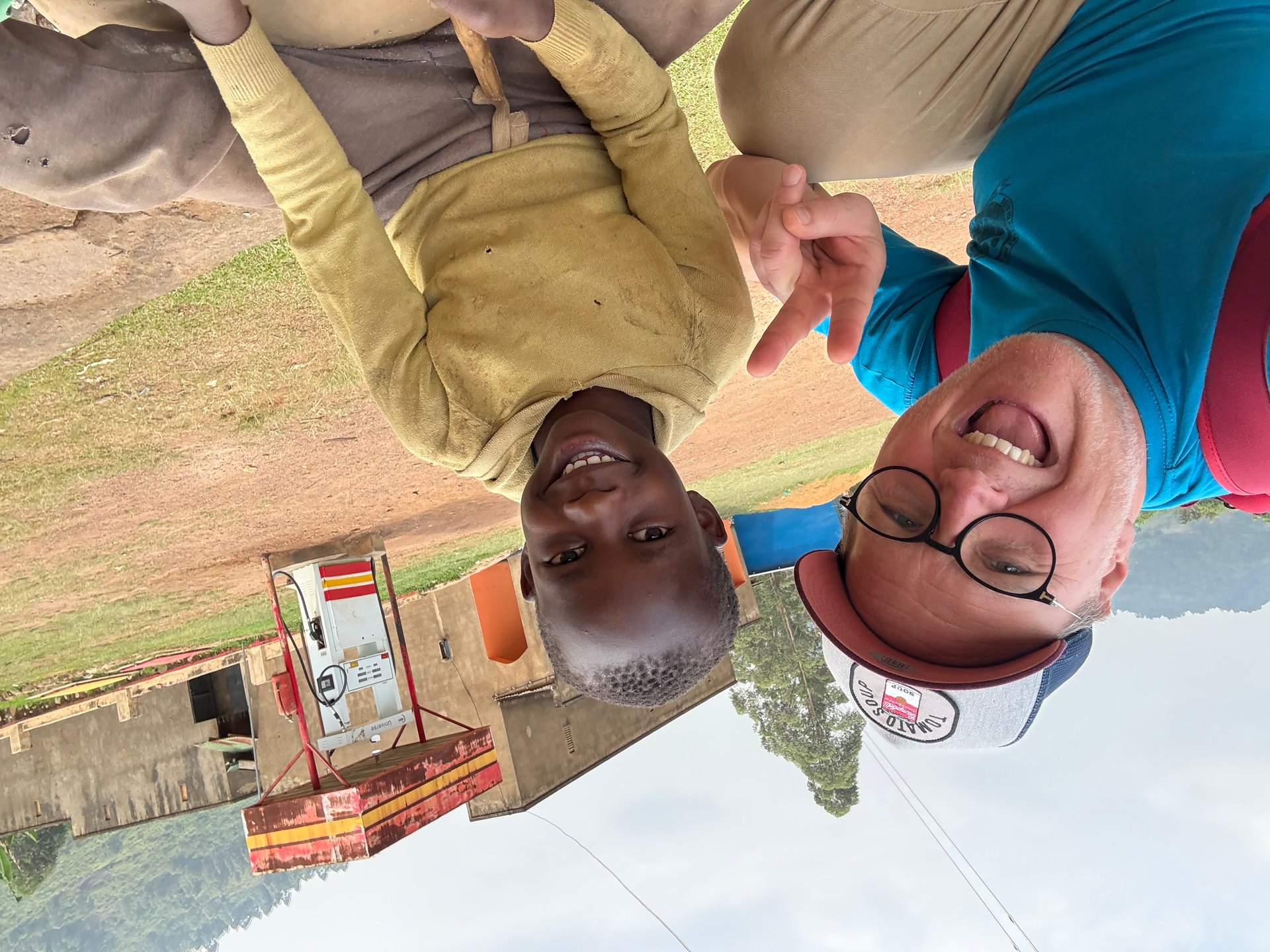
In January 2026, on a dust-yellow road near Buhoma village, I stopped beside a small stone quarry where a boy of around ten years old was breaking rocks with a hand-held chisel. He looked up, grinned at the camera, and held the chisel aloft as if to say: yes, this is my life, and I am fine. His resilience was humbling. The stones he was breaking would be sold for construction — a few shillings per kilo, work that supplements a household income in one of Africa's most land-pressured rural areas.
Buhoma sits at the northern edge of Bwindi Impenetrable National Park, where the cultivated hillsides and red laterite paths of the village give way abruptly to the dense forest canopy of a UNESCO World Heritage Site. This edge — between a community that needs land, firewood, and income, and a protected forest that harbours nearly half the world's surviving mountain gorillas — is where Uganda's conservation challenge is most legible.
The boy with the chisel is not a problem. He is the context. Conservation that ignores the economic reality of the communities surrounding a forest is conservation that eventually fails. Uganda has spent three decades building a model that acknowledges this. The results, at Bwindi at least, are measurable.
Uganda's Environmental Challenge: Four Pressures, One Forest
Four primary drivers shape environmental change in Uganda: rapid population growth, urbanisation, economic development, and climate change. Each of these pressures bears directly on the forests, wetlands, and savannahs that define Uganda's landscape — and on the species that depend on them.
Uganda has one of the highest population growth rates in the world. The population density around protected areas — particularly in southwestern Uganda, where Bwindi is located — is exceptional even by regional standards. Families farm right to the park boundary. In some areas, the boundary itself is contested, with gardens encroaching on land that was once buffer zone. This is not malice; it is arithmetic. When a family needs to feed children, the forest edge is also a field edge.
Uganda faces four interconnected environmental problems as a consequence of these pressures: air pollution from burning and urban growth, water contamination from agricultural runoff and inadequate sanitation, land degradation through soil erosion and unsustainable cultivation, and biodiversity loss through habitat destruction and overextraction. Climate change compounds all four: the report points to rising average temperatures, increasingly irregular rainfall, more frequent flooding events, and prolonged dry spells as emerging patterns that stress both agricultural systems and natural ecosystems.
For Bwindi specifically, the forest acts as a natural buffer against some of these effects — regulating water flows, moderating local temperatures, and anchoring soils on steep hillsides. The destruction of the forest would not merely endanger the gorillas; it would degrade the hydrological and ecological services on which the surrounding communities themselves depend. This is a point that Uganda's conservation communicators make explicitly when engaging with boundary communities: the forest is not just a home for gorillas. It is part of the infrastructure that makes the surrounding landscape habitable.
How Bwindi's Conservation Economy Works
The $800 gorilla trekking permit is the most visible component of Bwindi's conservation funding model, but it is not the only one. Park entry fees, nature walk permits, porter hire, and lodge concession revenues all flow through a system designed to convert visitor spending into conservation spending.
Uganda Wildlife Authority (UWA), which manages Bwindi and Uganda's other national parks, uses permit revenues to maintain a permanent ranger force, fund veterinary monitoring of the gorilla groups, run anti-poaching patrols, and manage the park's physical infrastructure. Critically, the Uganda Wildlife Act requires UWA to return a portion of park entry fee revenues to communities living within a defined radius of each national park. This community revenue-sharing mechanism is not a charitable gesture — it is a deliberate policy to align local economic interest with forest protection.
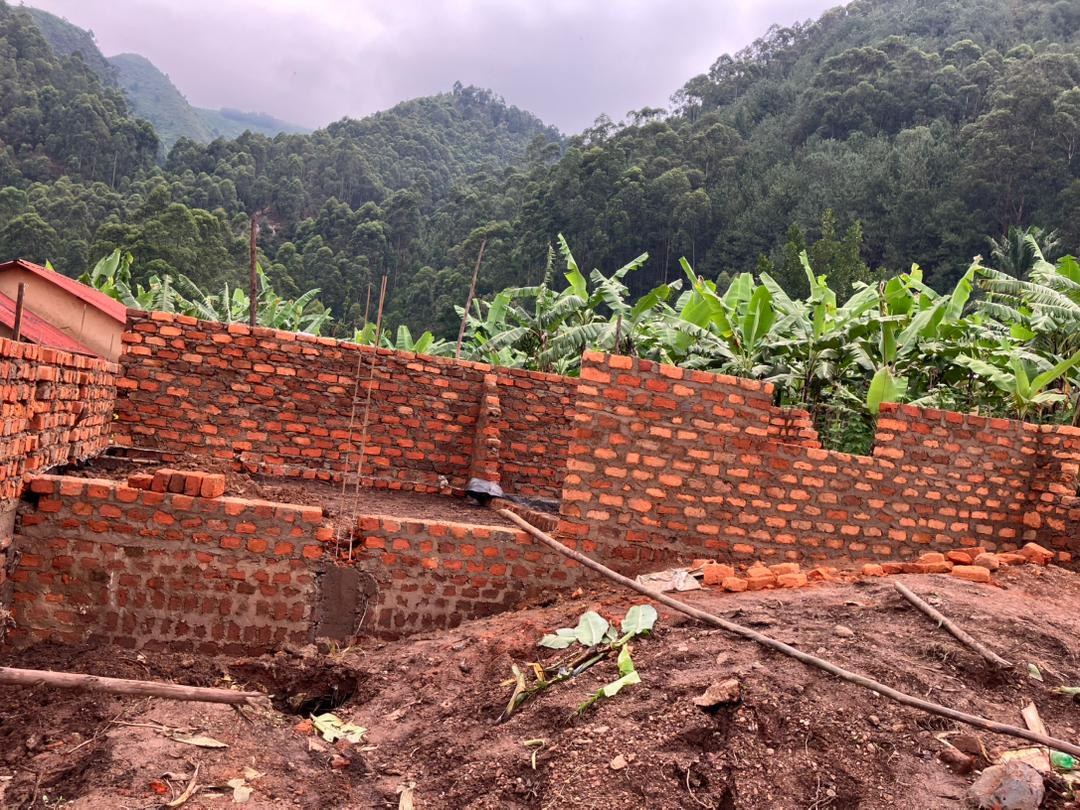
In Buhoma, the visible results of this policy include a community rest camp, a craft cooperative, guided cultural walks, and porter employment for local people at the trekking trailhead. When a visiting family pays a porter $15–20 to help carry their bags through Bwindi's steep terrain, that income goes directly into a household that lives beside the park. For that household, the intact forest is not an obstacle — it is an asset.
The economics are not perfect. Critics note that a $800 permit generates limited local income compared to what it extracts from foreign visitors. The lion's share of visitor spending — international flights, Kampala hotels, vehicle hire, luxury lodge fees — leaves Uganda without reaching boundary communities. The UWA's General Management Plan for Bwindi acknowledges this, listing the lack of affordable accommodation options near the park as a management challenge: as long as budget travellers cannot stay near the park, the local economic multiplier of tourism remains lower than it could be.
Nevertheless, the core model holds. Bwindi's mountain gorilla population has grown steadily under protection, from an estimated 300 individuals in 1997 to more than 500 today — accounting for approximately half the global mountain gorilla total. The forest has remained largely intact while neighbouring unprotected hillsides have been cleared. The causal link between tourism revenue and conservation outcome is not perfect, but it is real.
Deforestation in Uganda: Pressure at the Forest Edge
Uganda has lost a substantial portion of its forest cover over the past half-century. Outside the national park system, the drivers are well established: forests are cleared for agriculture, logged for timber, stripped for charcoal, and mined for building materials. The demand for charcoal in particular — the cooking fuel of choice for most of Uganda's urban population — has driven significant degradation of forest reserves and private woodland outside protected areas.
Inside Uganda's national park boundaries, including Bwindi, legal protection is stronger and enforcement is more consistent. The forest within the park boundary has remained broadly intact, though boundary encroachment — the gradual expansion of cultivation onto land nominally within or adjacent to the park — is a persistent management challenge documented in UWA's management plans.
The National Forestry Authority (NFA) manages a separate category of protected land — Central Forest Reserves — which are subject to looser restrictions than national parks and allow limited extraction and licenced tourism activities. These reserves, distributed across Uganda, provide a buffer between the strictly protected national park core and the fully cultivated agricultural landscape. Their protection depends on enforcement capacity and on the political will to resist encroachment. In practice, many Central Forest Reserves have experienced significant degradation, reducing the buffer function they were intended to provide.
For Bwindi, the deforestation risk is most acute at the boundary. The gorilla families whose home ranges extend to the park edge — including the Rushegura group at Buhoma, which is known to occasionally venture near the boundary — are the most exposed to human contact, disease transmission, and habitat fragmentation. The corridor between Bwindi and the Sarambwe Reserve in the DRC, which some gorillas use in their ranging, is also under pressure from settlement and agricultural expansion on both sides of the border.
I saw the boundary pressure clearly when driving the perimeter road in January and June 2026. At Buhoma and northward, the cultivated fields run to within metres of the park gate. On one side: rows of matoke (cooking banana) and sweet potato, worked by hand. On the other: impenetrable primary forest that has stood for centuries. The boundary is a wire fence and a law. The law holds here, in part, because the forest is economically valuable to the people on its edge — and in part because a ranger force paid by gorilla permit revenue patrols it daily.
Uganda's Biodiversity: What Is at Stake
Uganda is one of Africa's most biodiverse countries by land area. It sits at the intersection of three major biomes — the Albertine Rift montane forests of the west, the East African savannah of the north and east, and the vast wetland systems of the Nile basin — and harbours an exceptional density of species across all three.
Bwindi alone holds more than 120 mammal species and more than 350 bird species, including 23 Albertine Rift endemics found nowhere else on Earth. The park's reputation as one of Africa's great biodiversity hotspots is not built solely on its gorillas, though the gorillas are the reason most visitors come. It extends to forest elephants, chimpanzees, L'Hoest's monkeys, African golden cats, and an array of forest birds that draw specialist birders from around the world.
Uganda's savannah parks contribute a different layer of biodiversity. Murchison Falls National Park, which I visited in October 2024, supports the largest concentration of Nile crocodiles and hippopotamuses in East Africa, along with lions, leopards, elephants, and the distinctive Ugandan kob — the antelope that appears on Uganda's national coat of arms. The Albertine Rift escarpment visible from Murchison's southern bank forms a dramatic visual reminder of the geological forces that created Uganda's exceptional topographic and ecological range.
Biodiversity loss is one of Uganda's four primary environmental challenges — driven by the same pressures that cause deforestation and land degradation. The loss of wetlands to agricultural conversion, the overexploitation of freshwater fish stocks, and the fragmentation of wildlife corridors between protected areas all contribute to a gradual erosion of the ecological web that makes Uganda's landscapes functional.
The connection between biodiversity and tourism revenue is explicit in Uganda's conservation policy. A landscape without gorillas generates no gorilla permit income. A savannah without lions and elephants generates no game drive revenue. The ecosystems that are Uganda's greatest environmental asset are also its greatest tourism asset — and protecting one protects the other. This alignment of conservation and economic interest is what makes Uganda's model durable, at least in the areas where tourism is dense enough to fund the protection.
Uganda's Environmental Vision to 2040
Uganda's environmental planning targets resilience by 2040. This goal is anchored in three strategic areas: the expansion of climate-friendly agriculture that reduces dependence on forest land, improved urban waste management to reduce water and air pollution, and the development of sustainable tourism models that generate economic value from intact ecosystems.
The 2040 vision acknowledges that Uganda cannot pursue poverty reduction and environmental protection as sequential goals — one first, the other later. The population is too large, the land too finite, and the ecological thresholds too near. The two goals must be pursued simultaneously, and ecotourism is identified as one of the mechanisms that makes that possible. An economy that rewards intact forests with permit income, that pays rangers with visitor fees, and that connects boundary communities to tourism revenue through porter hire and cultural tourism, is an economy that makes conservation a rational choice rather than an imposed one.
This is Bwindi's lesson for Uganda's broader environmental programme. The park works — not perfectly, not without ongoing management challenges, but measurably better than protected areas that rely solely on law enforcement without economic integration. The gorilla families are growing. The forest is holding. The ranger force is paid. And in Buhoma, some of the income from the people who come to see the gorillas reaches the family of the boy breaking stones in the quarry.
That connection is fragile and incomplete. But it is real, and it points toward what environmental resilience can look like in a country where conservation and development share the same landscape.