A Botanical Treasure
Bwindi Impenetrable Forest is one of the most botanically rich areas in East Africa. Over 400 vascular plant species have been documented within its 321 square kilometres, and ongoing surveys continue to add to this count. The forest’s extraordinary plant diversity is a direct consequence of its age, its wide altitudinal range, and its location at the intersection of several major phytogeographical regions.
The flora spans an enormous range of life forms: towering canopy trees rising 40 metres or more, woody climbers and lianas threading through the mid-canopy, dense shrub layers, herbaceous ground cover, epiphytes clinging to every available surface, and a rich community of ferns, mosses, and liverworts in the dampest areas.
Ferns and Lower Plants
Ferns are exceptionally well-represented in Bwindi, with over 104 species recorded. These ancient plants thrive in the forest’s humid conditions, particularly along stream banks, in valley bottoms, and in the montane zones where moisture is abundant. Tree ferns of the genus Cyathea are among the most striking, growing several metres tall with elegant, arching fronds that create a prehistoric atmosphere in the understorey.
Mosses and liverworts (bryophytes) carpet tree trunks, rocks, and soil throughout the forest, but reach their greatest abundance in the montane zone above 2,000 metres. These seemingly modest plants play a critical ecological role: they absorb and retain moisture, regulate humidity, contribute to nutrient cycling, and provide microhabitats for countless invertebrates.
Orchids
Orchids are among the most diverse plant families in Bwindi. Both terrestrial orchids, which grow in the soil of the forest floor, and epiphytic orchids, which perch on tree branches and trunks, are well-represented. Epiphytic orchids are most abundant in the mid-altitude and montane zones, where persistent moisture allows them to thrive without soil. Many species produce small, inconspicuous flowers that are easily overlooked but are ecologically important as food sources for specialised pollinators.
Flowering Plants and Shrubs
The forest’s flowering plants belong to numerous families, with the Rubiaceae (coffee family), Asteraceae (daisy family), and Acanthaceae particularly well-represented. Many of these species form the dense understorey and shrub layer that gives Bwindi its “impenetrable” character. Climbing plants and lianas are abundant in the lower and mid-altitude zones, where they use trees as support structures to reach the canopy light.
At the forest edges and in naturally disturbed areas such as treefall gaps, fast-growing pioneer species establish quickly, creating a mosaic of successional stages that adds to the overall diversity. These areas often support different species than the deep forest interior, further increasing the total plant species count.
Altitudinal Variation in Flora
The plant communities change markedly with altitude. In the lowland zones around 1,160 metres, the flora includes species with affinities to the Congo Basin forests. At mid-altitudes (approximately 1,500 to 2,000 metres), a transitional flora develops with species from both lowland and montane origins. Above 2,000 metres, the flora becomes distinctly montane, dominated by species adapted to cooler temperatures, higher moisture, and reduced light levels.
This altitudinal zonation means that a walk from the lowest valleys to the highest ridges in Bwindi passes through plant communities as different from one another as those found hundreds of kilometres apart at a uniform elevation. It is one of the key reasons why a relatively small forest can harbour such a disproportionately large number of species.
Conservation Significance
Many of Bwindi’s plant species are shared with other forests in the Albertine Rift, but the combination of species found here is unique. Some are at the eastern or western limit of their range, making Bwindi an important biogeographic boundary. The forest also provides genetic diversity for species that have become rare or locally extinct elsewhere due to habitat loss, reinforcing its role as a living gene bank for the region.
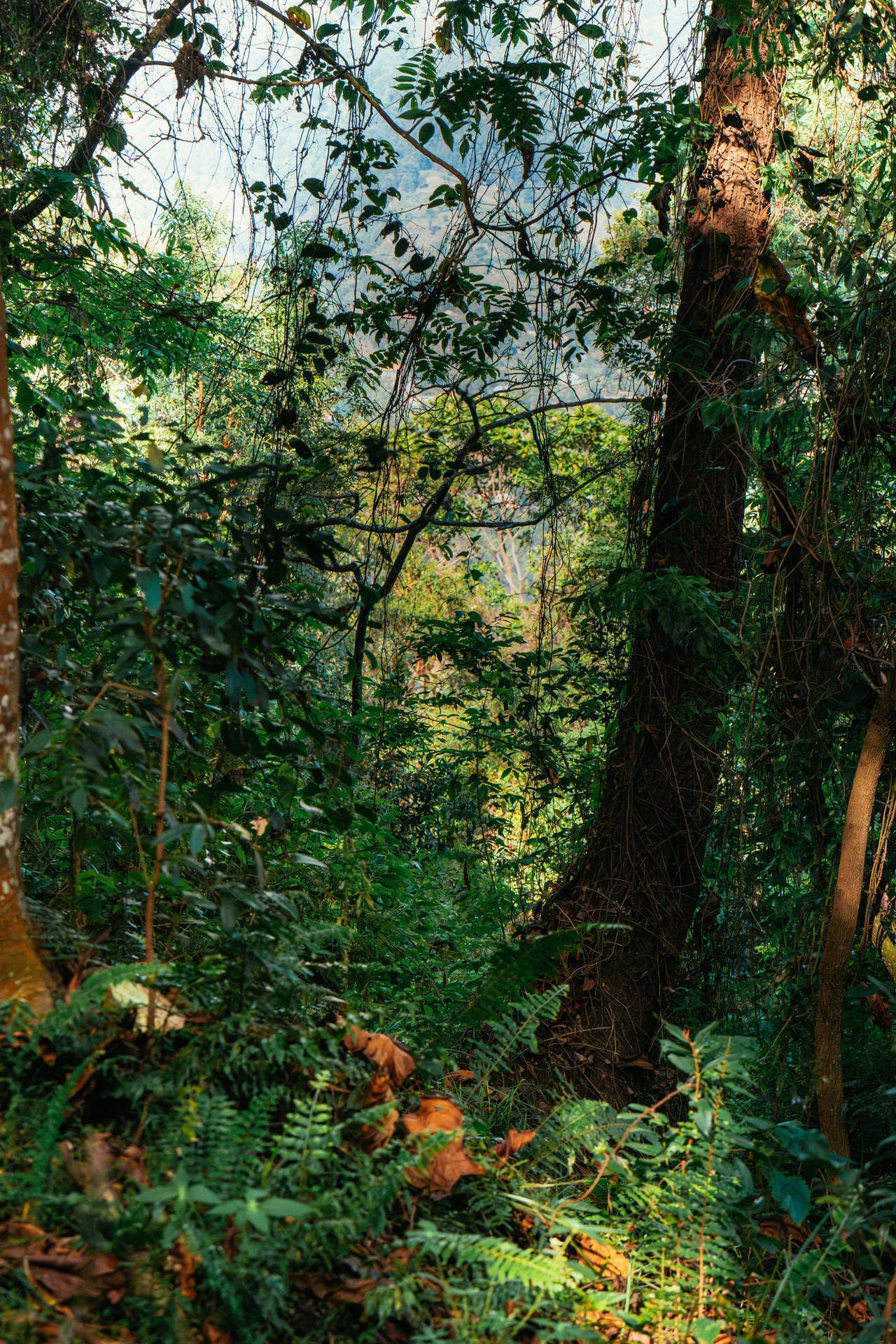
Dense jungle at the start of the gorilla trekking trail
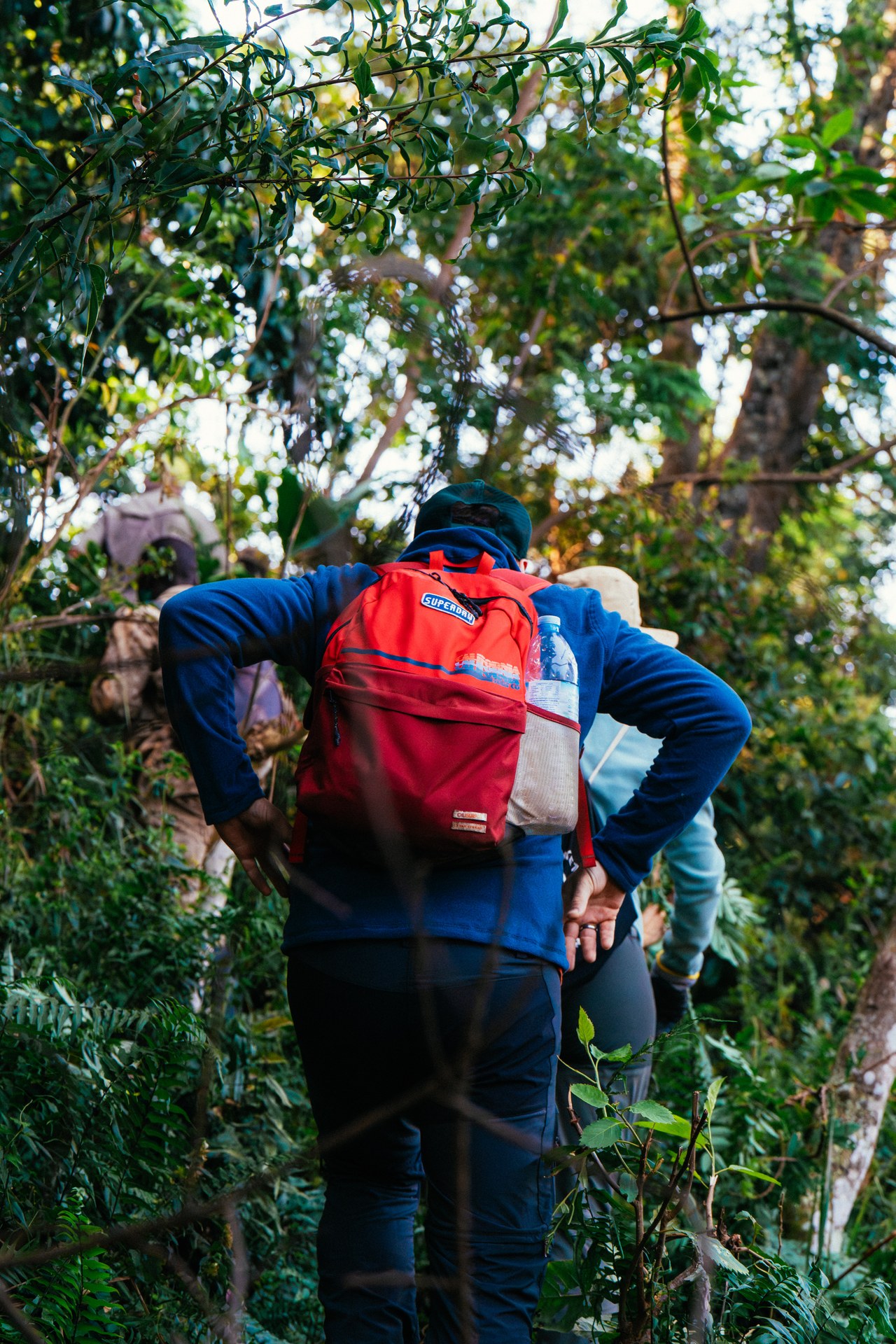
Gorilla trekking in Bwindi: the path through the rainforest
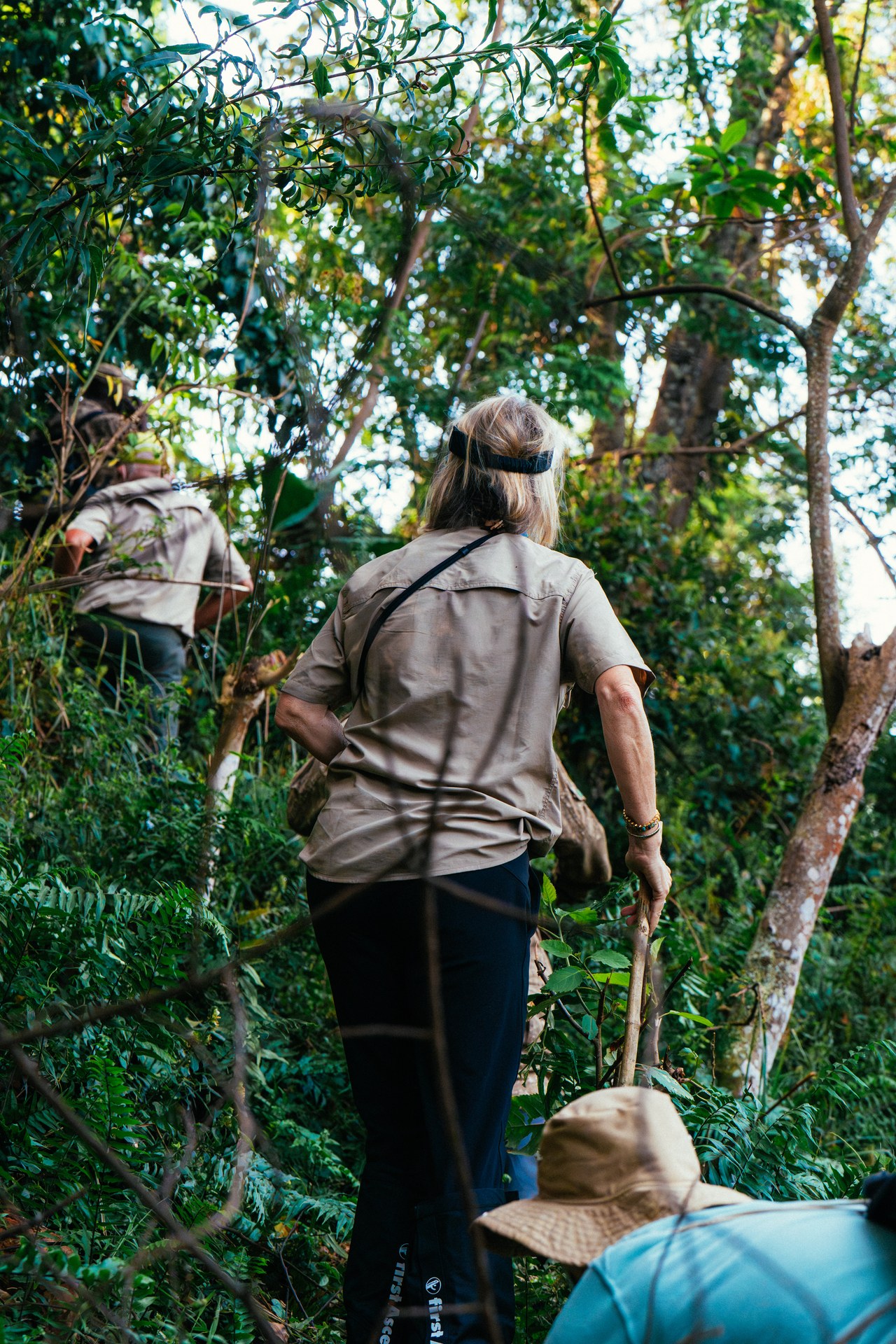
Through Bwindi forest on the trail of gorillas
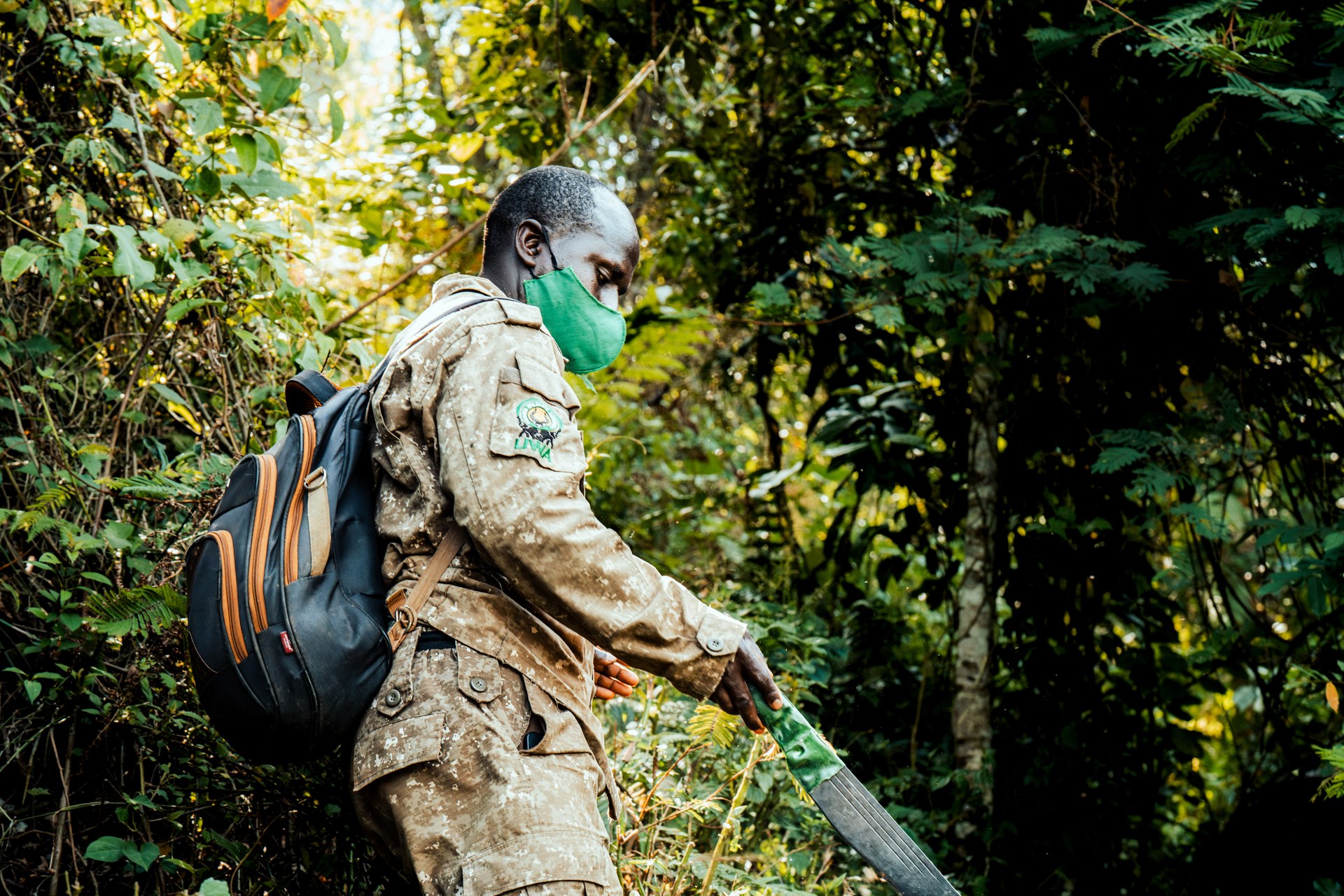
Ranger in Bwindi forest on the way to the gorillas
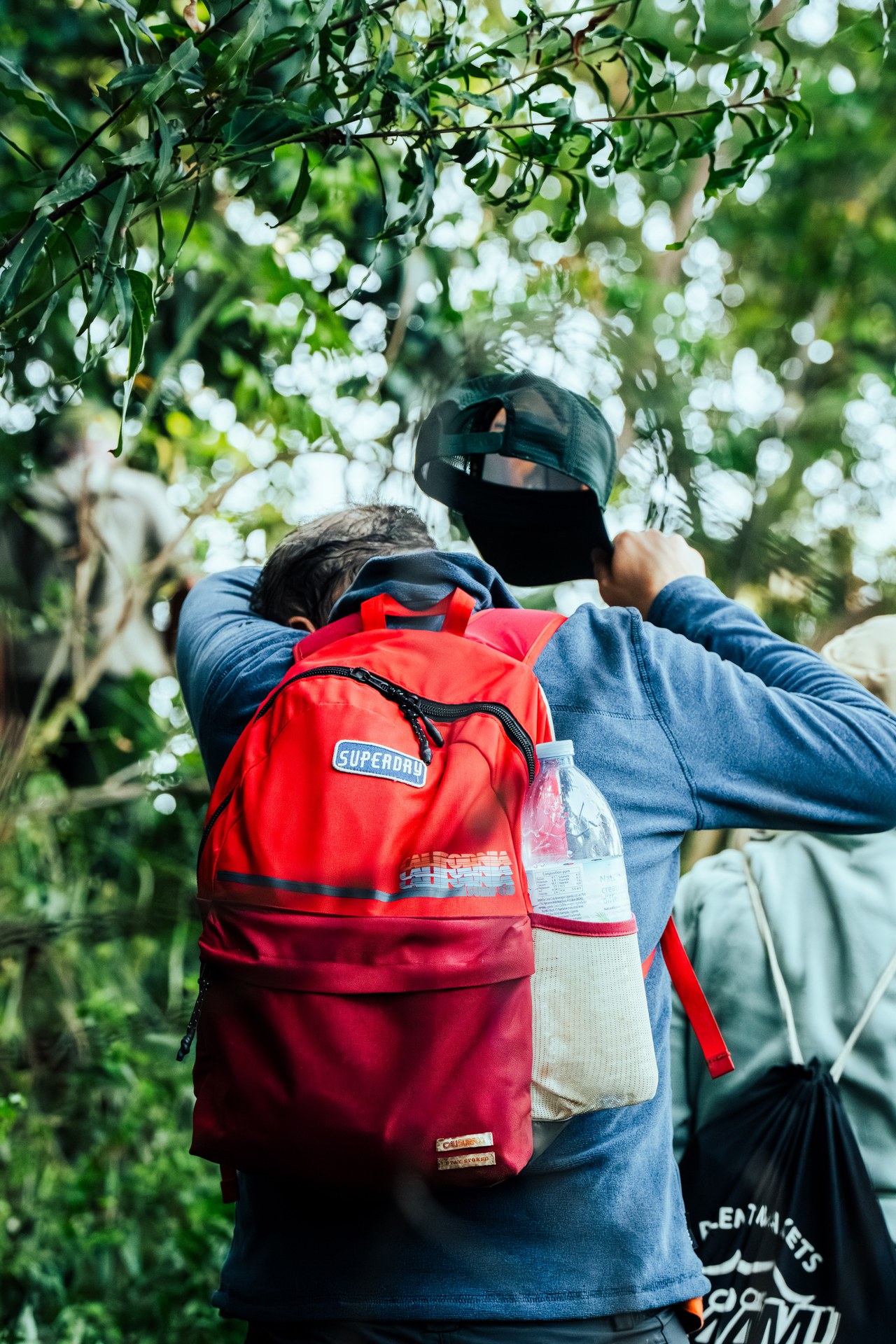
Preparing for the adventure: gorilla trekking in Bwindi
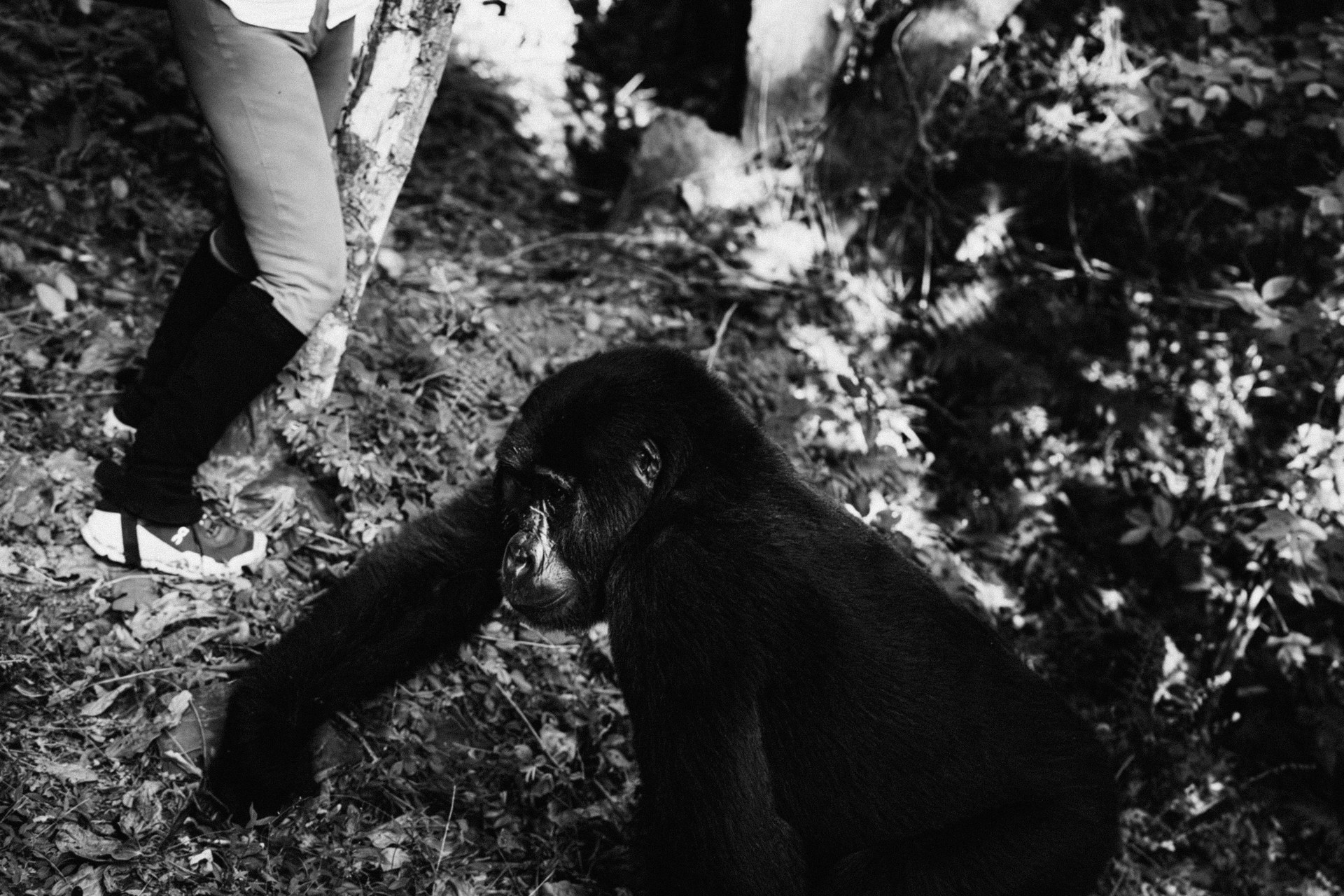
Mountain Gorilla Peering Through Dense Forest Foliage
Mountain Gorilla