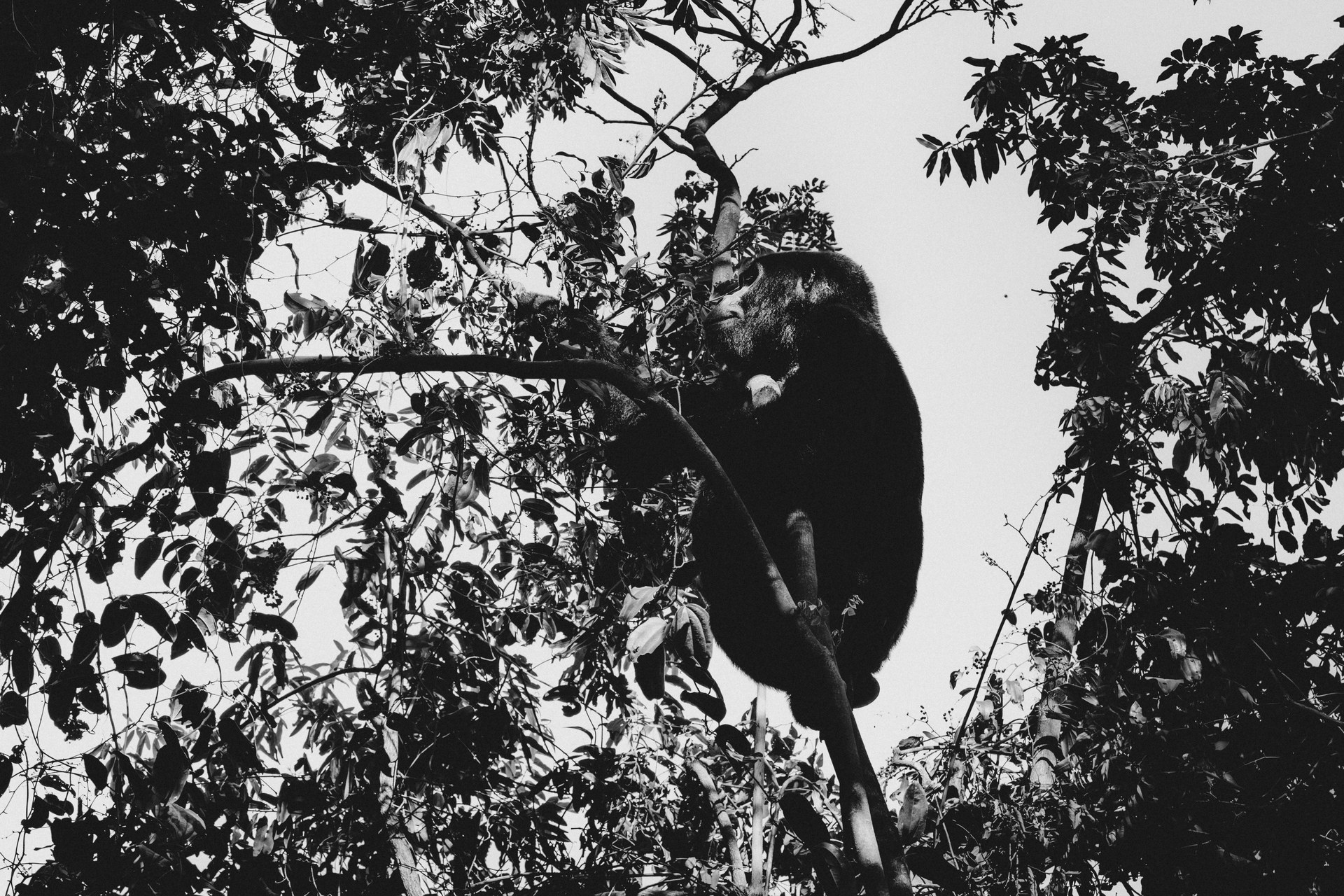
A Vertical World
A tropical rainforest is not a uniform mass of green. It is a vertically stratified ecosystem in which conditions change dramatically from ground level to the treetops. Temperature, humidity, light intensity, wind exposure, and available food all vary with height, creating distinct ecological zones stacked one above another. In Bwindi Impenetrable Forest, this vertical structure is well-developed, particularly in the lower and mid-altitude zones where the tallest trees grow.
The Emergent Layer
The highest stratum of the forest consists of scattered individual trees that rise above the main canopy, reaching heights of 40 metres or more. These emergent giants — species such as Entandrophragma and large Ficustrees — have their crowns fully exposed to sunlight, wind, and the elements. Their broad, spreading canopies are visible from a distance, breaking the otherwise smooth canopy surface.
Life in the emergent layer is defined by exposure. Trees here must withstand the full force of storms and the drying effects of direct sunlight and wind. In return, they receive the most light of any forest plants. Their crowns are important perching and nesting sites for raptors, including crowned eagles that hunt primates in the forest below. Large fruit bats may roost in emergent trees, and they serve as landmarks that help orient birds and other animals moving across the forest.
The Canopy
Below the emergents, the canopy forms a more or less continuous layer at heights of 20 to 35 metres. This is the powerhouse of the forest — where the greatest concentration of photosynthesis occurs, where most fruit and flowers are produced, and where the majority of the forest’s energy is generated.
The canopy is a complex three-dimensional environment. Tree crowns interlock and overlap, creating a dense ceiling of leaves that intercepts up to 98 percent of incoming sunlight. The upper surfaces of canopy branches support rich communities of epiphytes: orchids, ferns, mosses, and lichens that grow without soil, drawing moisture and nutrients from the air and from organic matter that accumulates in branch crevices.
For many animals, the canopy is the primary habitat. Canopy-dwelling birds including turacos, hornbills, and numerous sunbird species forage on fruit, insects, and nectar at this level. Black-and-white colobus monkeys and L’Hoest’s monkeys move through the canopy branches, rarely descending to the ground. Chameleons, tree snakes, and countless invertebrate species complete the canopy community.
The Understory
The understory occupies the zone between approximately 5 and 20 metres above the ground. It is a shaded, humid environment where light levels are only a fraction of those at the canopy top. The trees here are a mixture of shade-tolerant species that will spend their entire lives in the understory and young individuals of canopy species waiting for a gap in the canopy above to release them into faster growth.
The understory is where much of Bwindi’s characteristic “impenetrability” originates. Dense shrubs, woody climbers, and herbaceous plants fill the space between the understory trees, creating a tangle of vegetation that makes off-trail travel extremely difficult. This density is especially pronounced where natural disturbances such as treefalls have allowed light to reach the lower levels, triggering a burst of competitive growth.
Many of Bwindi’s primates spend significant time in the understory. Mountain gorillas, despite their size, navigate through this layer as they move between feeding sites. Chimpanzees use the understory for travel and social interactions, and several smaller primate species forage here for insects and fruit.
The Forest Floor
The forest floor receives only 1 to 2 percent of the sunlight that falls on the canopy. It is a dim, humid world where temperature fluctuations are minimal and the air is still. The ground is covered with a layer of decomposing leaves, fallen branches, rotting fruit, and other organic debris — collectively known as leaf litter — that forms the foundation of the forest’s nutrient cycling.
Beneath this litter, the soil teems with life. Fungi — both visible mushrooms and the vast, invisible networks of mycorrhizal mycelium — are the primary decomposers, breaking down dead organic matter and making its nutrients available to living plants. Termites, ants, beetles, earthworms, and mites process enormous quantities of organic material. Bacteria complete the decomposition process, converting complex organic molecules into simple mineral nutrients.
The plants that grow on the forest floor are adapted to extreme shade. Many have unusually large, dark green leaves to maximise light capture. Ferns are abundant, particularly in the damper areas along streams. Seedlings of canopy trees form a “seedling bank,” persisting in the deep shade for years or decades, ready to grow rapidly when a gap in the canopy above provides the light they need.
Interactions Between Layers
Although each layer has its own character, the layers are not isolated from one another. Rainfall passes through all layers on its way to the ground, picking up nutrients leached from leaves and epiphytes. Fallen leaves and branches transfer organic matter from upper layers to the forest floor. Animals move between layers: a hornbill may feed in the canopy and nest in a hole in the understory; a gorilla may feed on ground herbs and climb to build a sleeping nest in the understory trees.
These vertical connections mean that the health of each layer depends on the health of the others. The forest floor’s decomposition processes feed the canopy trees above; the canopy’s shade maintains the cool, humid conditions the forest floor organisms require. This interdependence is one reason why tropical forests are so sensitive to disturbance: removing one layer can destabilise the entire system.
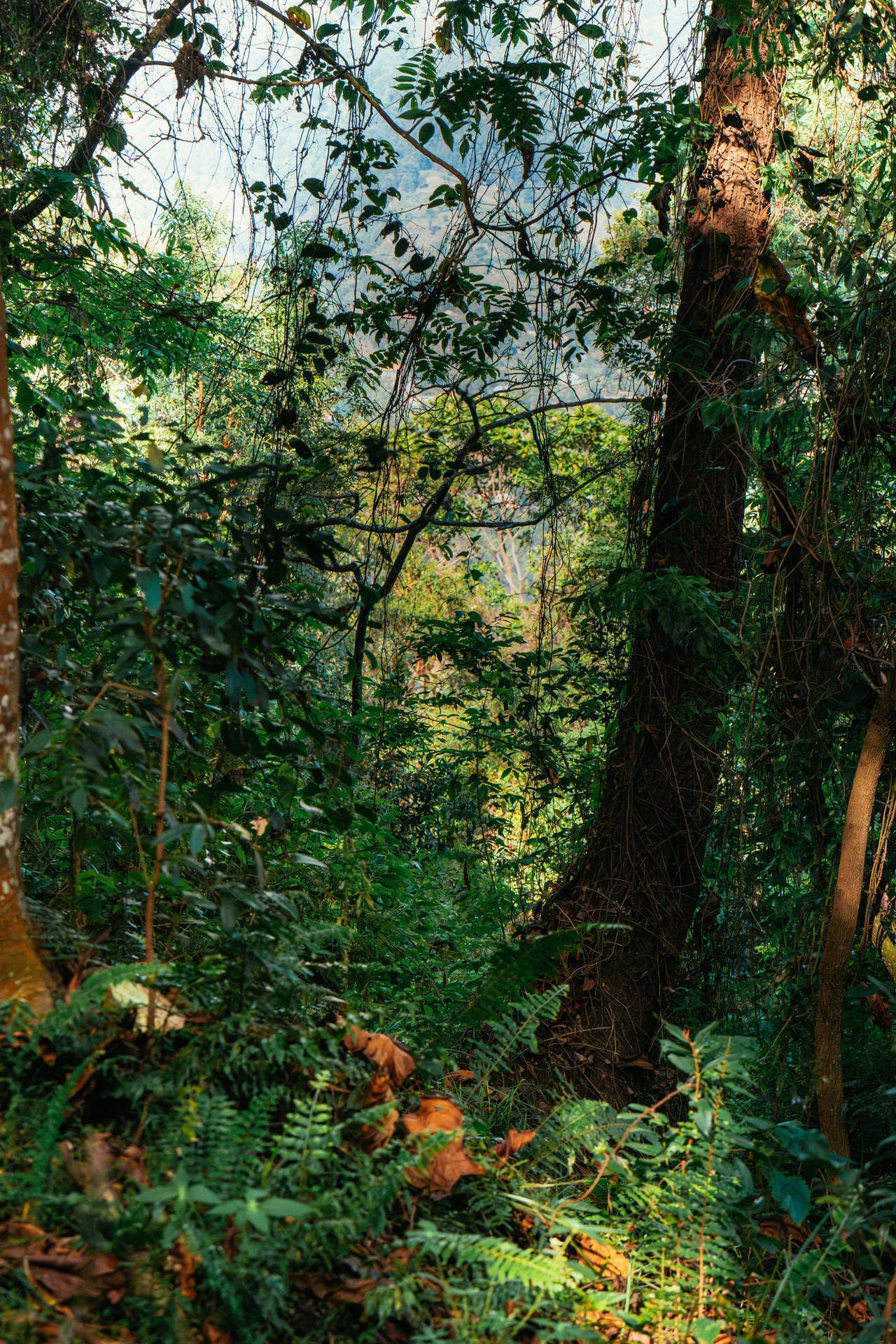
Dense jungle at the start of the gorilla trekking trail
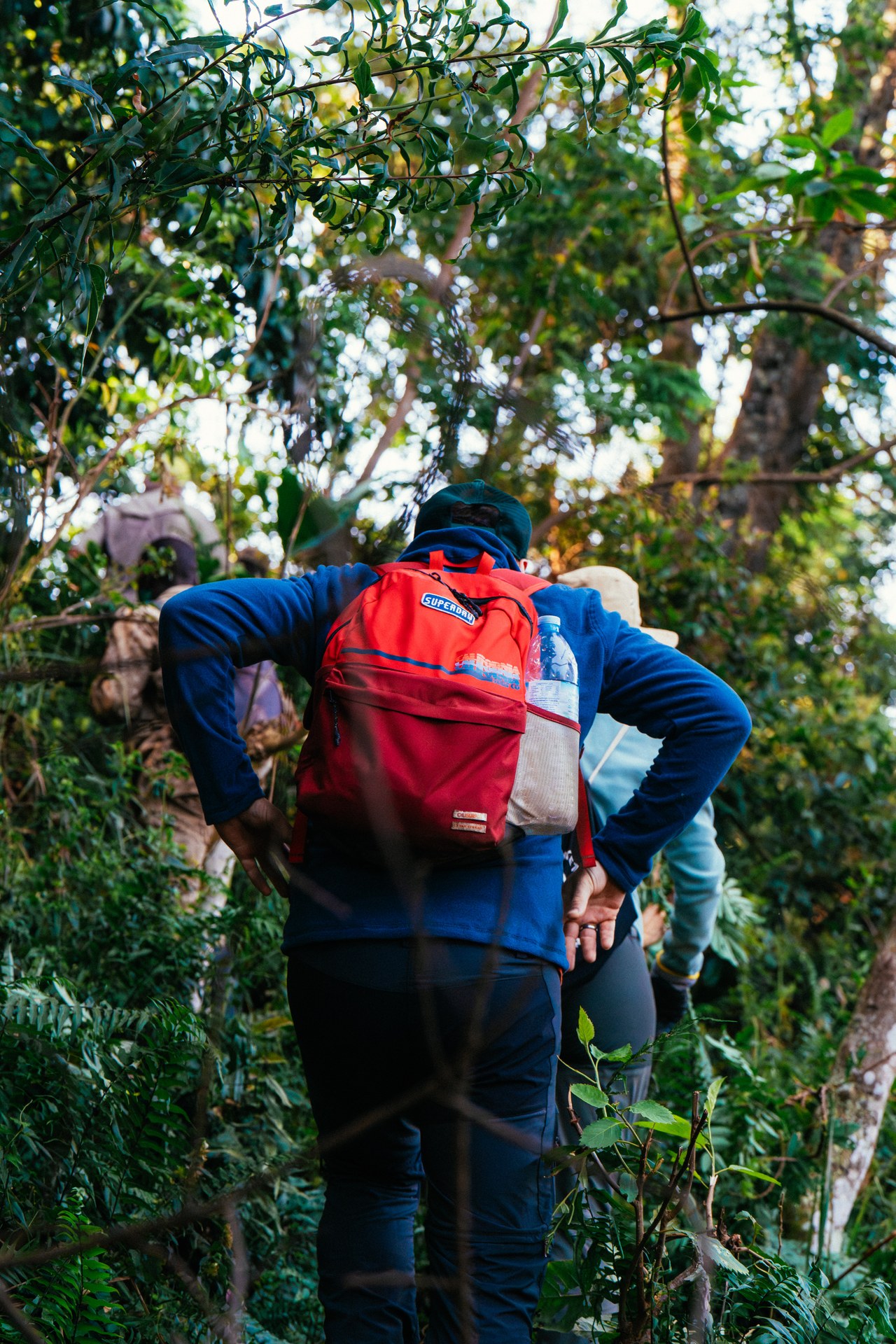
Gorilla trekking in Bwindi: the path through the rainforest
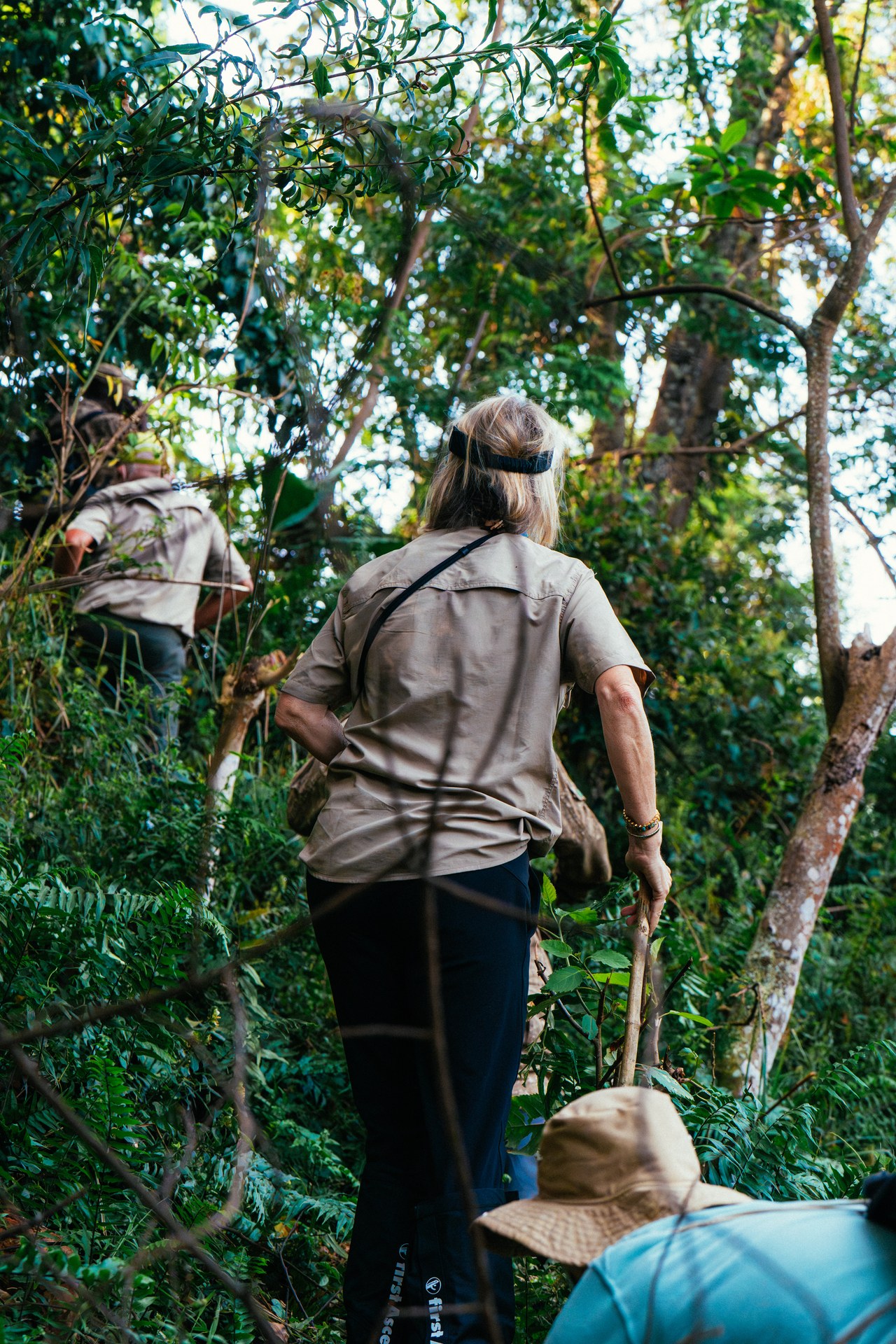
Through Bwindi forest on the trail of gorillas
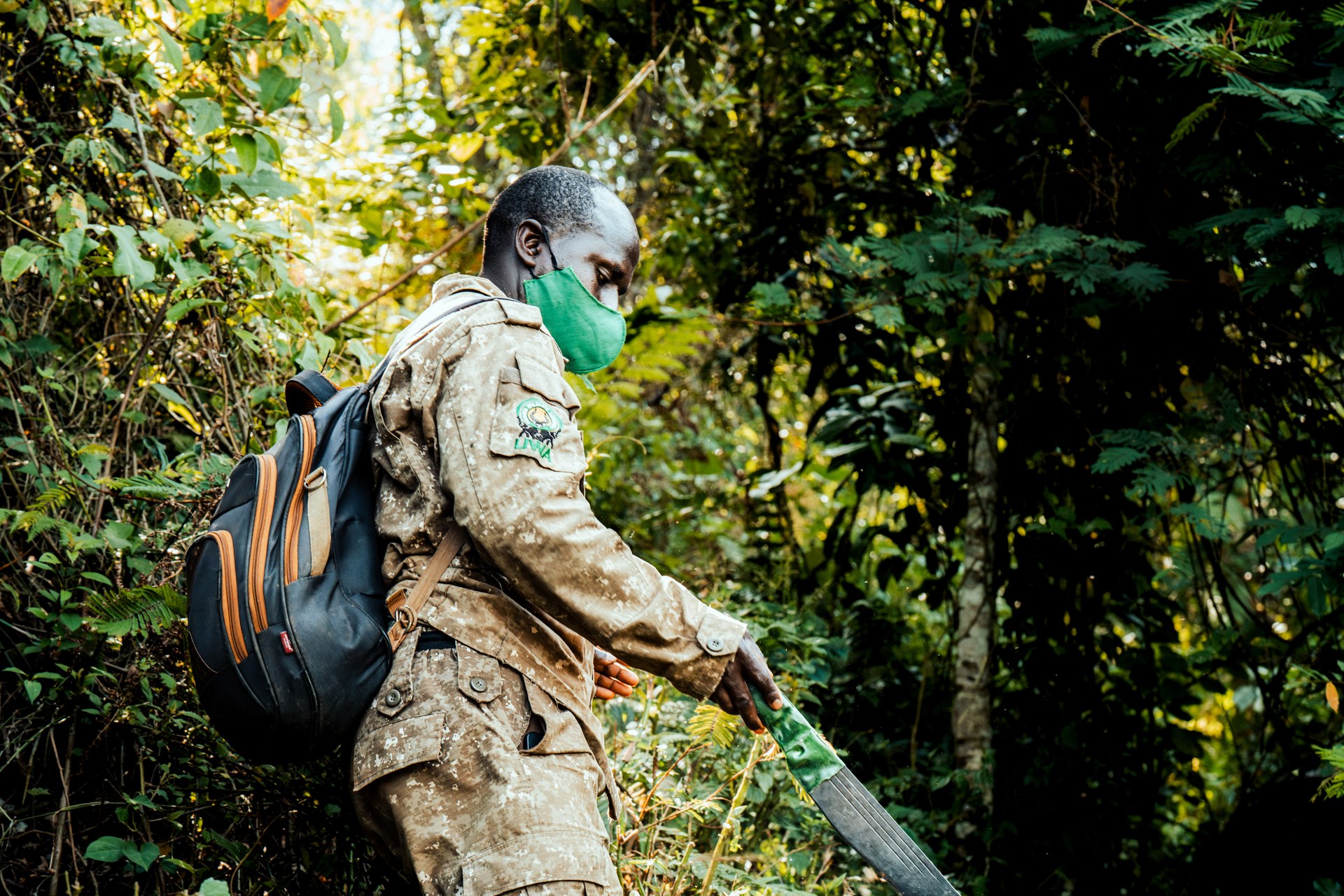
Ranger in Bwindi forest on the way to the gorillas
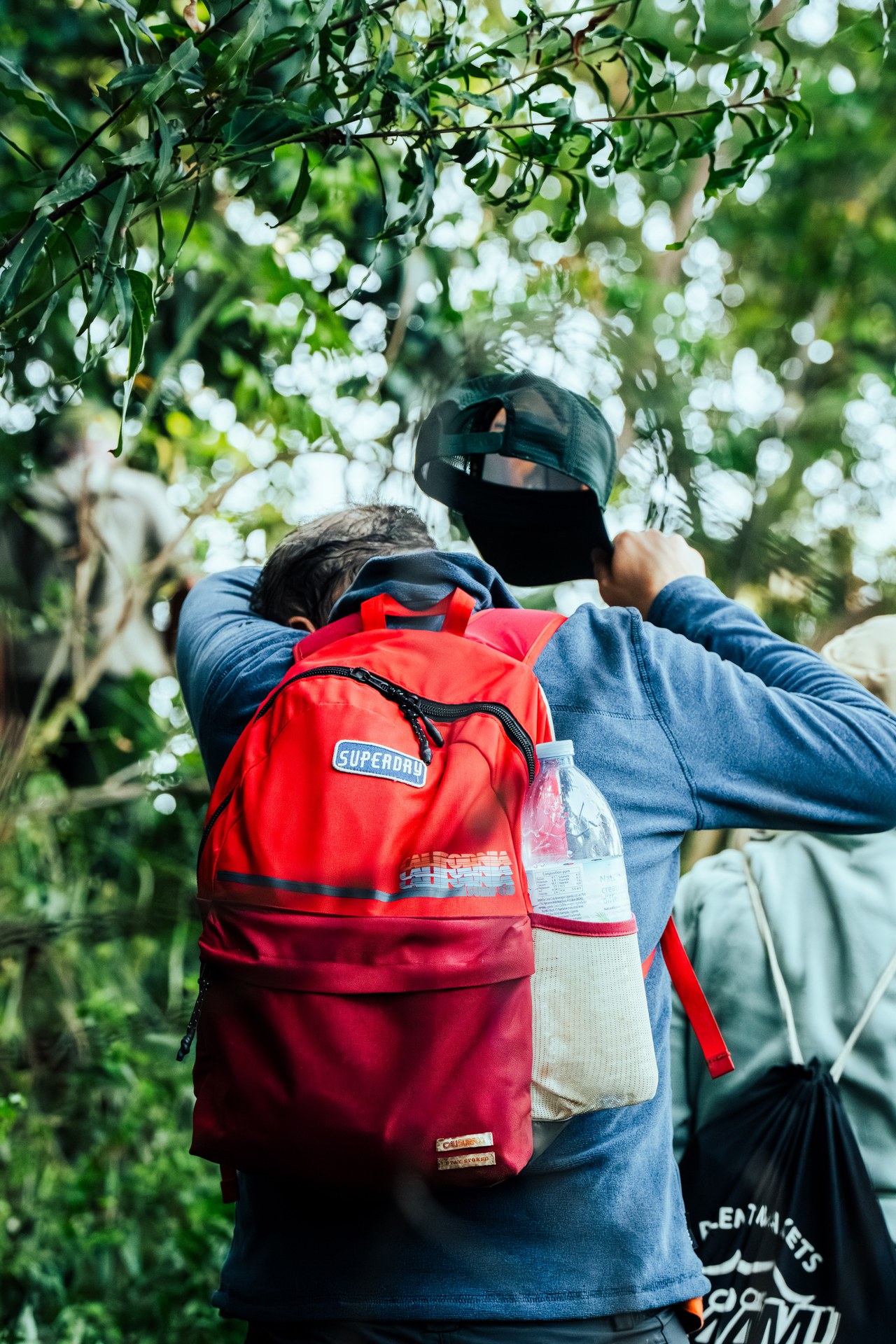
Preparing for the adventure: gorilla trekking in Bwindi
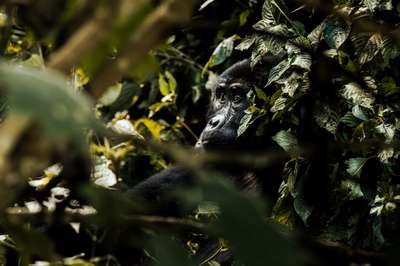
Mountain Gorilla Peering Through Dense Forest Foliage
Mountain Gorilla