A Living Pharmacy
Long before modern medicine reached the highlands of southwestern Uganda, the communities living around Bwindi Impenetrable Forest relied on the forest’s plants for their healthcare. The Batwa, who lived within the forest as hunter-gatherers, and the Bakiga, who cultivated the surrounding hillsides, both developed extensive knowledge of which plants could treat illness, heal wounds, ease pain, and support health.
This ethnobotanical knowledge, passed down through generations, represents one of the most detailed traditional pharmacopoeias in the Albertine Rift region. It is also among the most threatened, as the displacement of communities from the forest and the passing of elder knowledge holders put this oral tradition at risk.
Traditional Uses
Traditional healers identified medicinal properties in many parts of the forest’s plants: bark was stripped and boiled to make decoctions for fevers and stomach complaints; leaves were crushed and applied as poultices for wounds and skin conditions; roots were dug, dried, and ground into powders; sap and latex were collected for specific treatments.
Treatments addressed a broad spectrum of health conditions. Certain plants were known for their effectiveness against fever — a critical need in a region where malaria is prevalent. Others targeted digestive disorders, respiratory infections, parasitic worms, joint pain, and reproductive health. Some plants served dual roles: valued both for their medicinal properties and as food supplements, tonics, or ceremonial elements.
The Batwa Knowledge System
The Batwa’s relationship with Bwindi’s medicinal plants was uniquely intimate. Living within the forest, they had daily contact with the plants and could observe their growth cycles, seasonal availability, and interactions with other organisms. This deep ecological knowledge informed their medicinal practices in ways that went beyond simple plant identification.
Batwa healers understood that the efficacy of a plant could vary depending on when it was harvested, which part was used, how it was prepared, and what other plants it was combined with. This nuanced understanding, developed over centuries of direct experience, represents a form of empirical knowledge that complements modern scientific approaches.
Scientific Research
In recent decades, ethnobotanical researchers have begun systematically documenting the medicinal plants used by communities around Bwindi. These studies involve interviewing traditional healers, collecting plant specimens for identification, and in some cases testing plant extracts for biological activity in the laboratory.
Several species have shown promising results. Plants used traditionally for fever treatment have demonstrated antimalarial activity in laboratory assays. Wound-healing plants have shown antimicrobial properties. Anti-inflammatory compounds have been identified in species used for pain relief. While these findings are preliminary, they suggest that the traditional knowledge has a solid empirical basis.
Conservation and Access Challenges
The establishment of Bwindi as a national park in 1991 created a significant tension between conservation goals and traditional plant use. Communities that had relied on the forest for medicinal plants were restricted from harvesting within park boundaries. For the Batwa, who were relocated from the forest entirely, this represented a fundamental disruption of their healthcare system.
Conservation and development organisations have responded with several approaches. Collaborative resource-use agreements allow limited, monitored harvesting of certain species in designated areas. Cultivation programmes encourage communities to grow important medicinal plants on their own land. Documentation projects record traditional knowledge before it is lost. These efforts aim to balance the forest’s protection with the legitimate needs and rights of local communities.
The Future of Ethnobotanical Knowledge
The medicinal plants of Bwindi represent a convergence of conservation science, traditional knowledge, and potential pharmaceutical discovery. Protecting the forest preserves the genetic resources these plants represent. Documenting and respecting traditional knowledge honours the communities who developed it. And further scientific study may yet reveal compounds of genuine therapeutic value.
The challenge is to pursue all three goals simultaneously: conserving biodiversity, supporting community livelihoods and cultural heritage, and advancing scientific understanding. In Bwindi, as in many biodiversity hotspots worldwide, the health of the forest and the wellbeing of the people around it are inseparable.
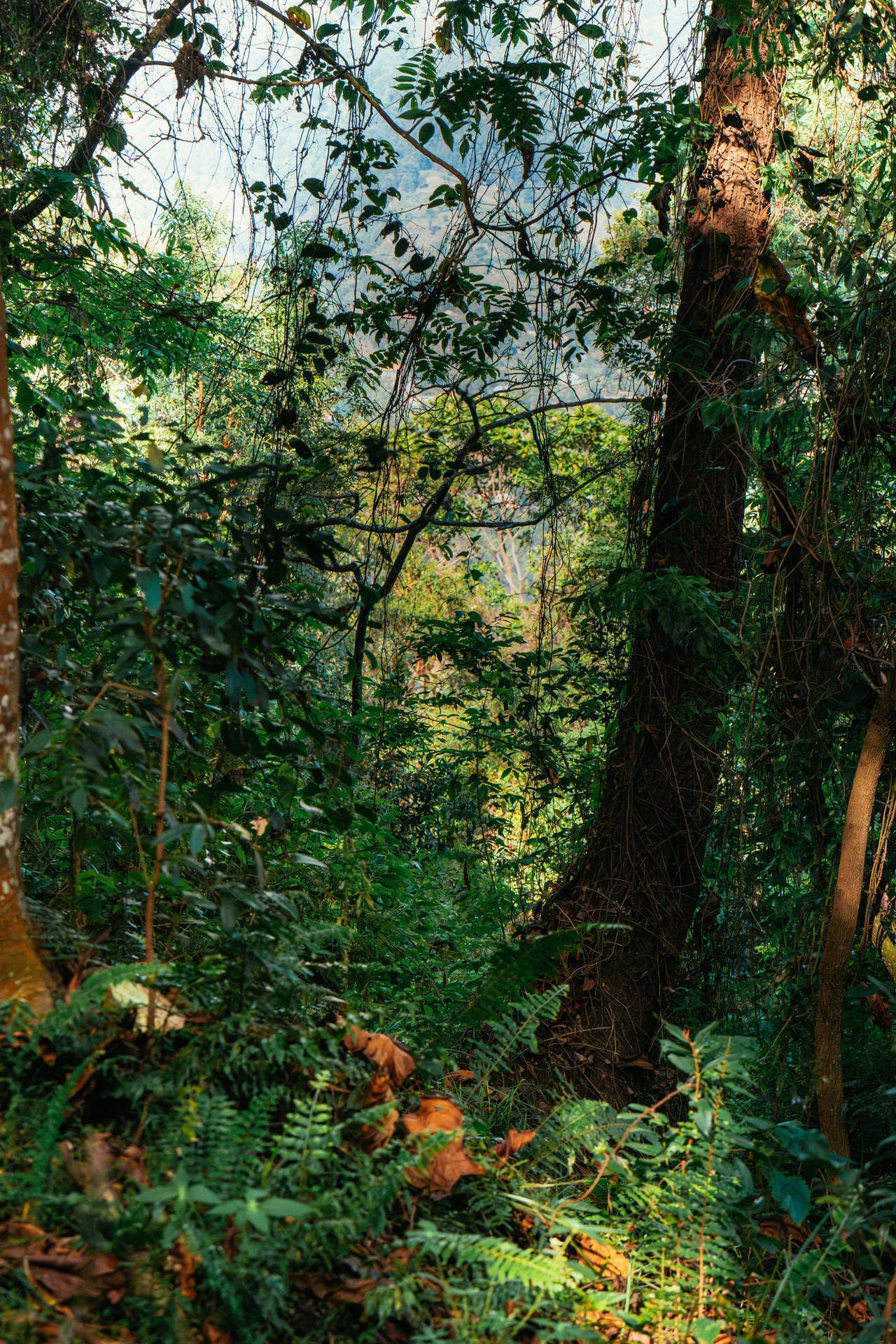
Dense jungle at the start of the gorilla trekking trail
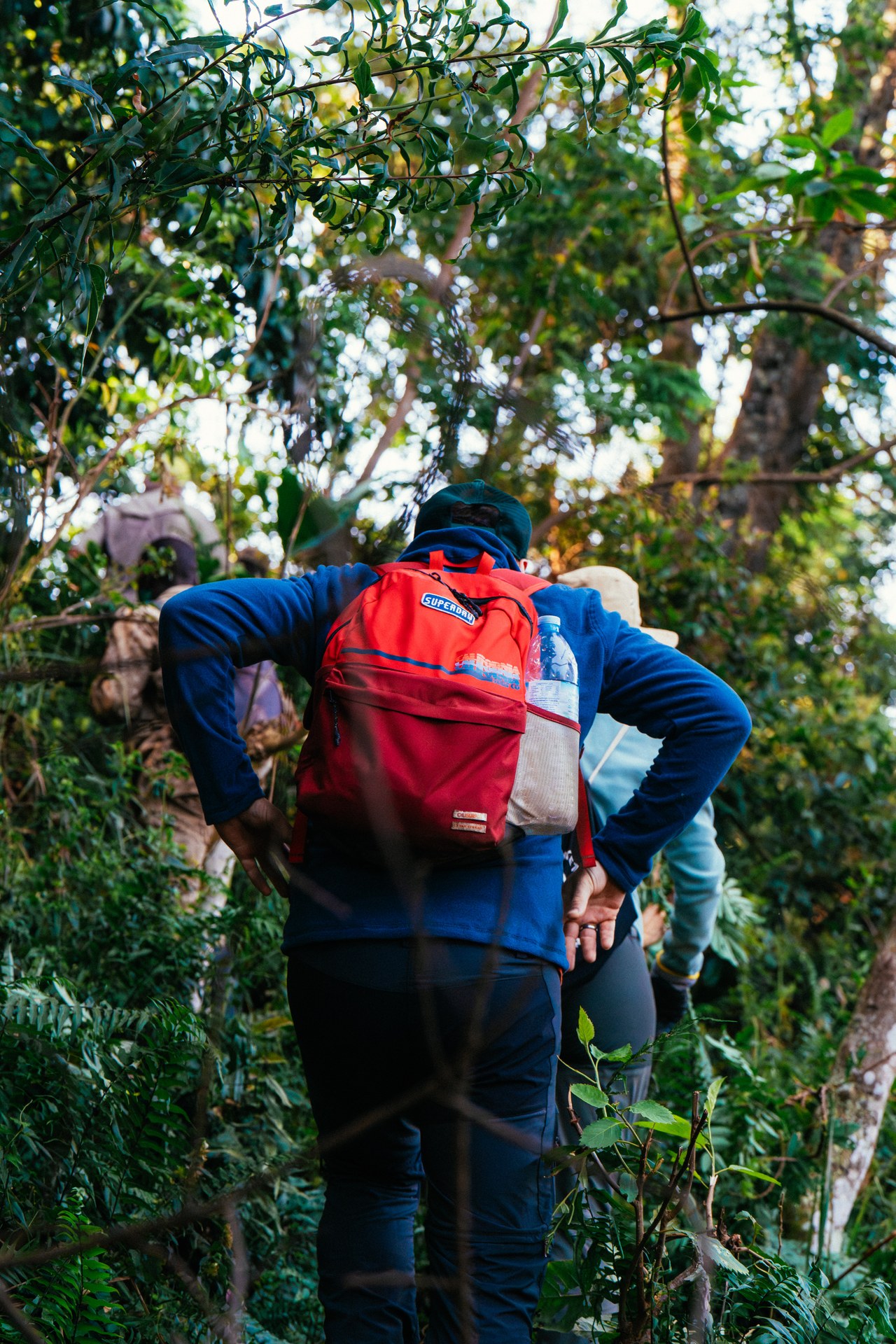
Gorilla trekking in Bwindi: the path through the rainforest
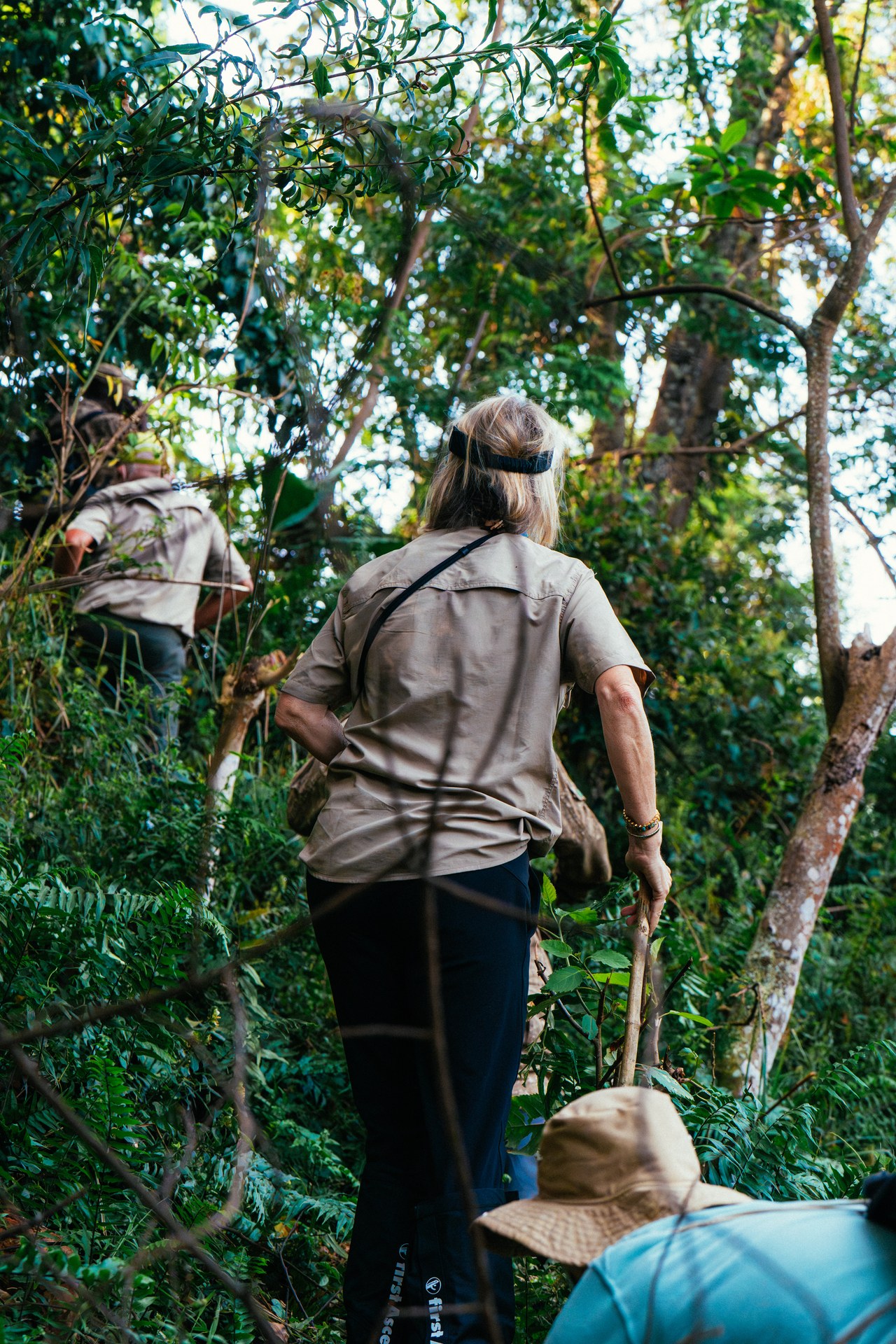
Through Bwindi forest on the trail of gorillas
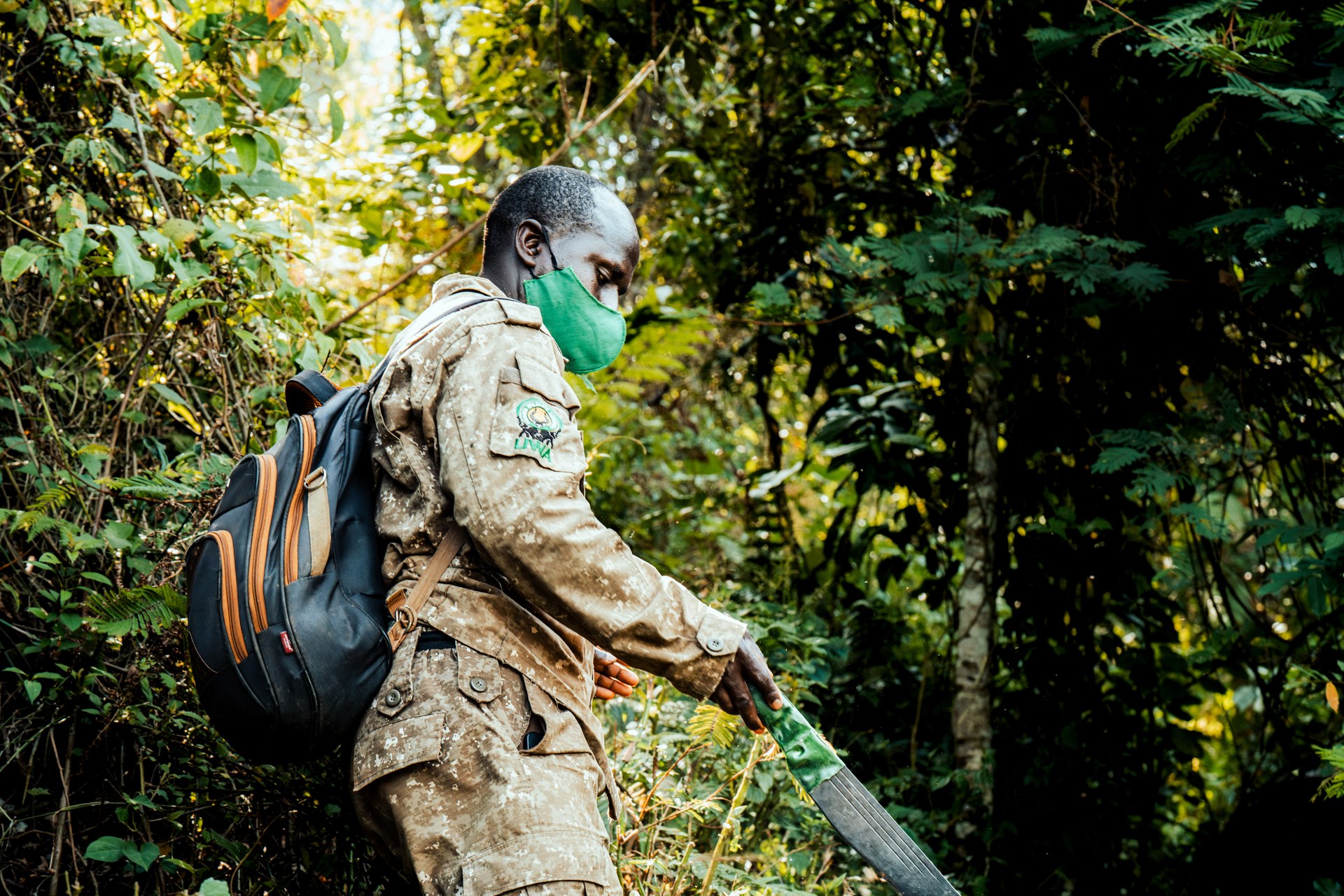
Ranger in Bwindi forest on the way to the gorillas
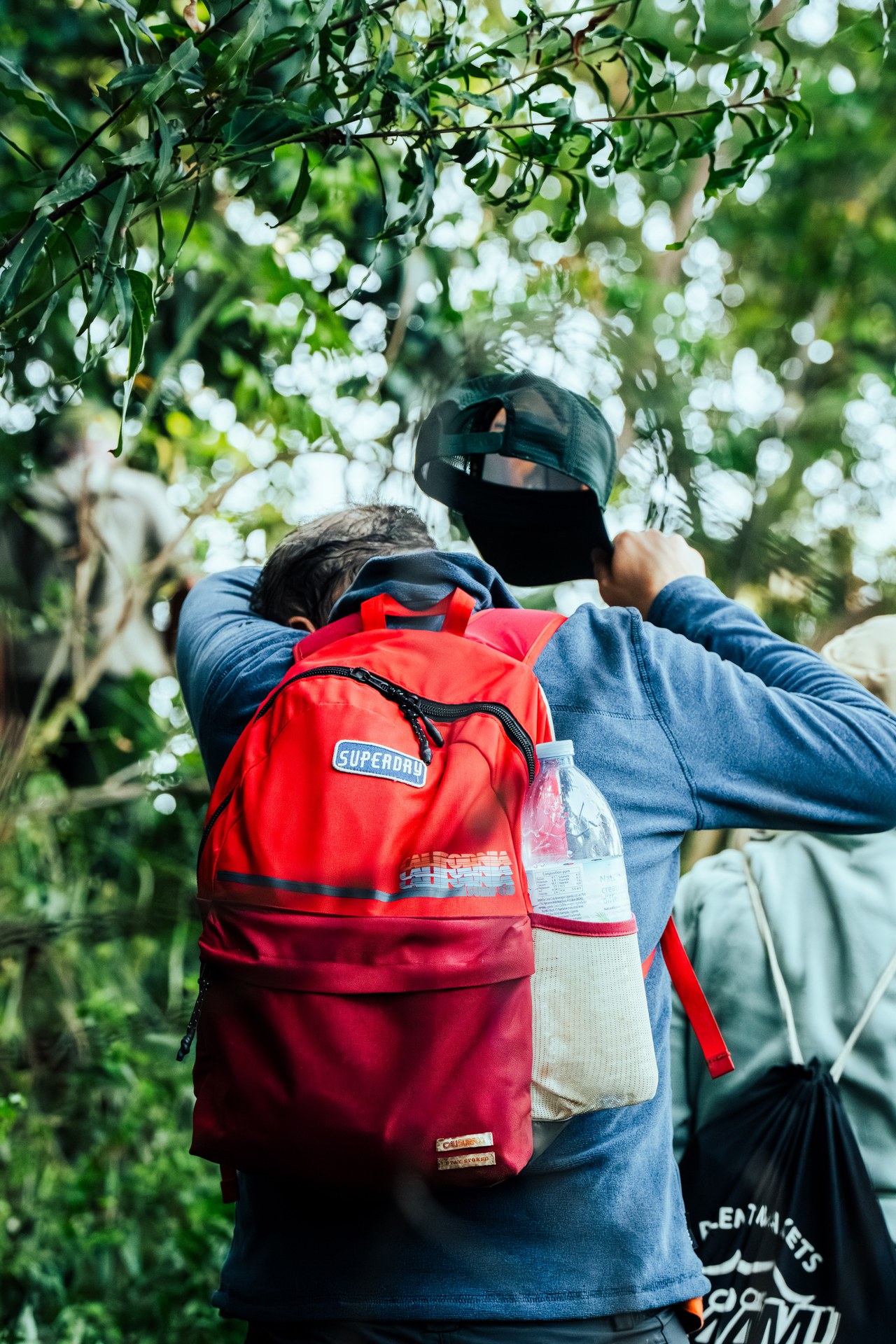
Preparing for the adventure: gorilla trekking in Bwindi
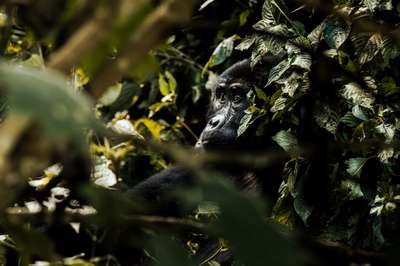
Mountain Gorilla Peering Through Dense Forest Foliage
Mountain Gorilla