
The Human Geography of Bwindi
Bwindi Impenetrable National Park does not exist in isolation. It is surrounded by some of the most densely populated rural areas in Africa, with over 500,000 people living in the adjacent parishes. The forest's boundaries press against cultivated hillsides, and the lives of local communities are shaped daily by their proximity to one of the world's most important conservation areas.
Buhoma: The Original Gateway
Buhoma, in the park's northern sector, was where gorilla tourism in Uganda began. When the Mubare group was first habituated in 1993, the village transformed from a quiet farming community into the main staging area for one of Africa's most sought-after wildlife experiences.
Today Buhoma has a small hospital, primary schools, a range of lodges and campsites, craft markets, and community projects including HopeKitchen. The UWA park headquarters is located here. Despite the tourism infrastructure, Buhoma retains its character as a rural Ugandan community where agriculture remains the primary occupation for most residents.
Nkuringo and the Southern Communities
Nkuringo sits on a dramatic ridge with views across the Rift Valley. It developed as a tourism centre more recently than Buhoma and is known for its steep terrain and the Nkuringo gorilla family. The community here pioneered a buffer-zone initiative where local farmers manage a strip of land between their fields and the park boundary to reduce crop raiding.
Rushaga and Ruhija
Rushaga, in the far south, has become increasingly important as more gorilla groups have been habituated in the area. It is more remote than Buhoma but offers a quieter, less-visited experience. Ruhija sits at higher altitude (around 2,300 metres) and is particularly valued by birdwatchers. The community there is smaller and the infrastructure more basic.
Agriculture and Livelihood
The vast majority of people around Bwindi depend on subsistence agriculture. The staple crops are bananas (matooke), beans, cassava, sweet potatoes, and Irish potatoes. Tea is grown as a cash crop in some areas. Families typically cultivate small plots on the steep hillsides, and food security varies with the seasons.
Crop raiding by wildlife — particularly by baboons, bush pigs, and elephants — is a persistent challenge for communities bordering the park. Buffer-zone farming, trenches, and community scouts help mitigate the conflict, but losses can be significant for families with no safety net.
Tourism and Change
Gorilla tourism has brought tangible benefits: employment, infrastructure investment, and a sense of value placed on the forest that many communities once viewed primarily as a resource that had been taken from them. Revenue-sharing programmes channel a portion of permit fees to community projects.
Yet the benefits of tourism are unevenly distributed. Families closer to the main trekking routes and lodge areas tend to benefit more directly. The challenge of ensuring that conservation genuinely serves the communities it affects remains central to Bwindi's story.
Scenes from Local Villages
Life in the communities surrounding Bwindi Impenetrable National Park.
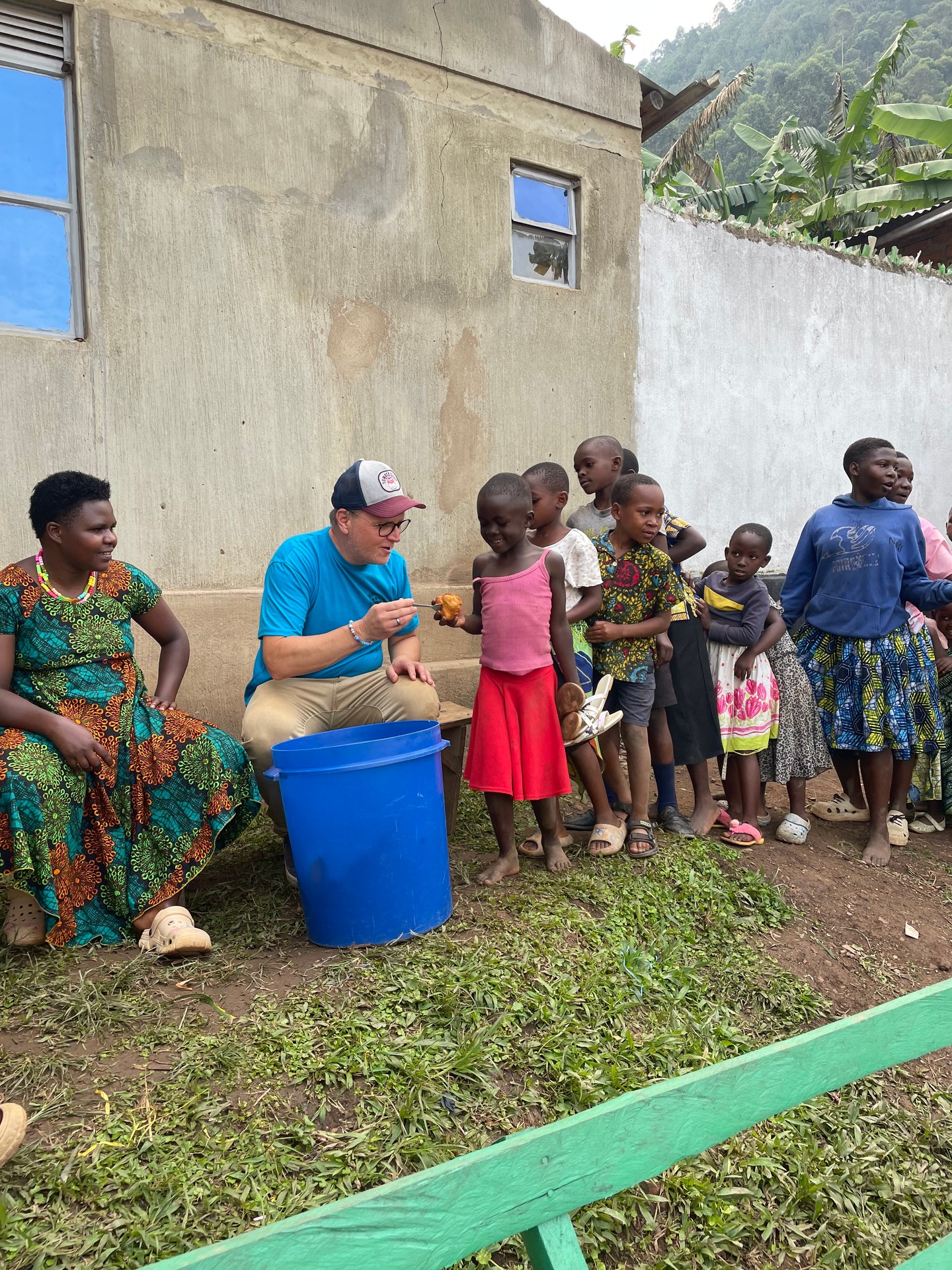
Face-to-face encounter at Buhoma orphanage
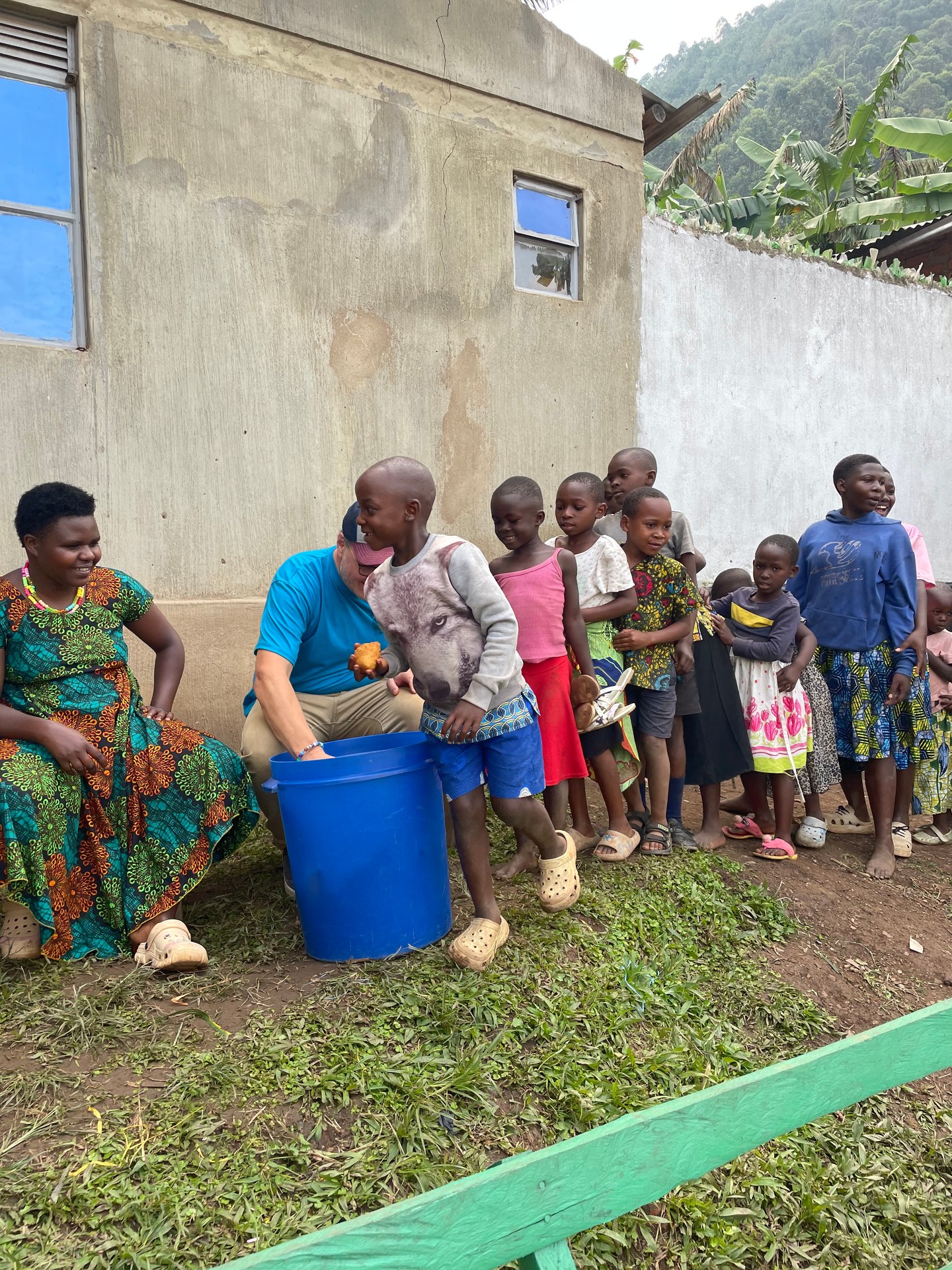
Children gathered around a bucket at Buhoma orphanage
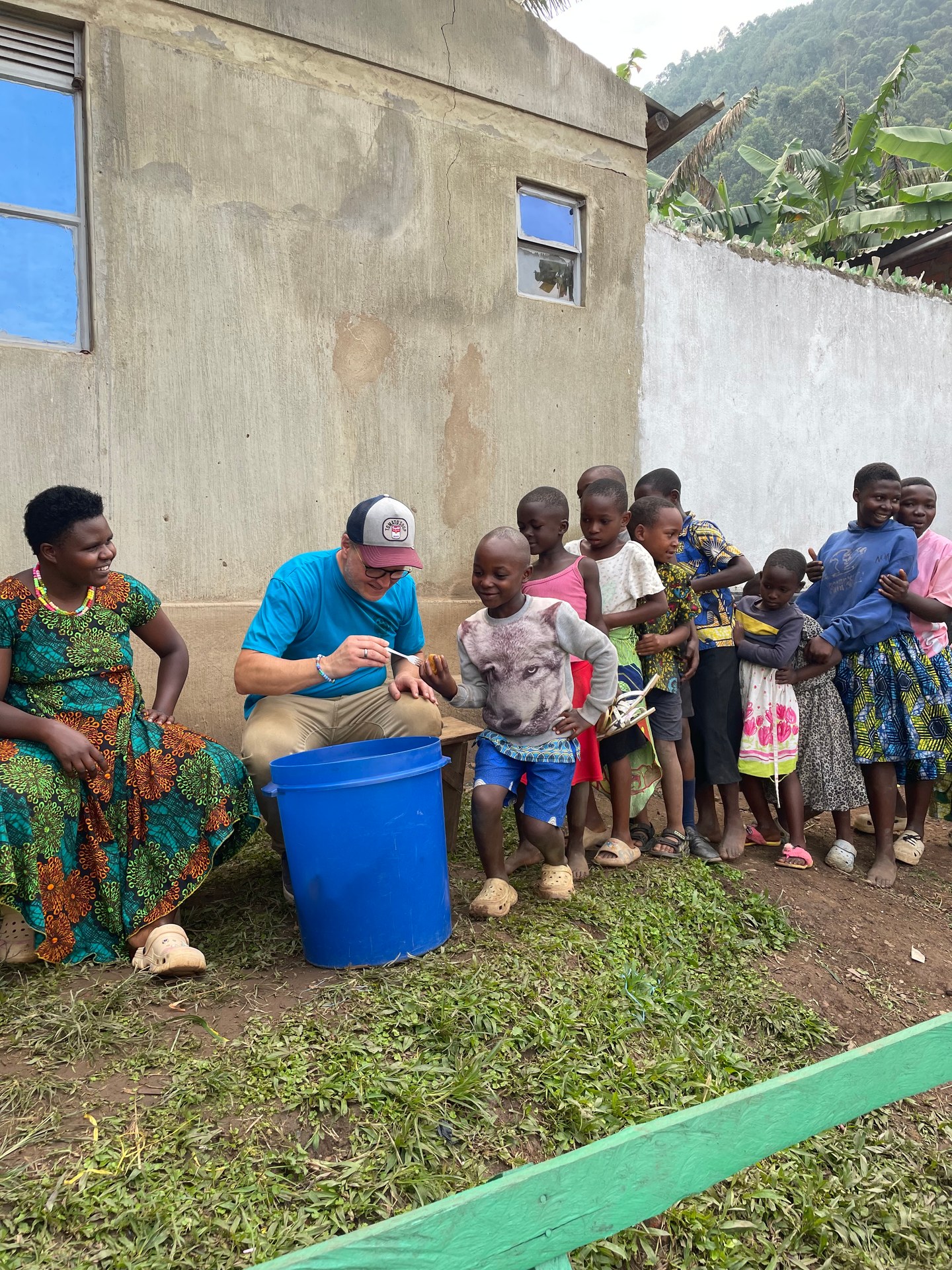
Learning together at Buhoma orphanage
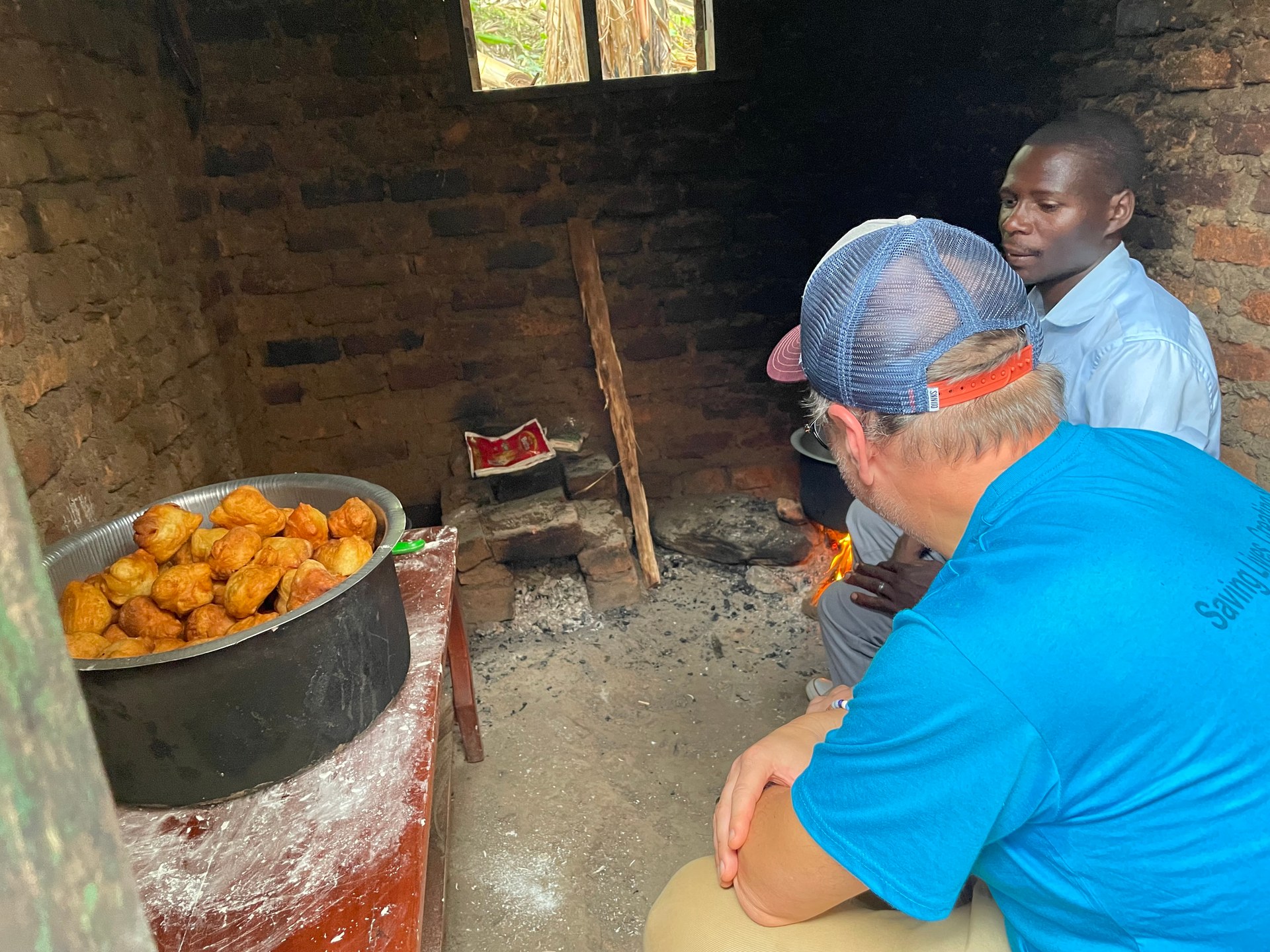
Baking mandazi at the orphanage in Buhoma
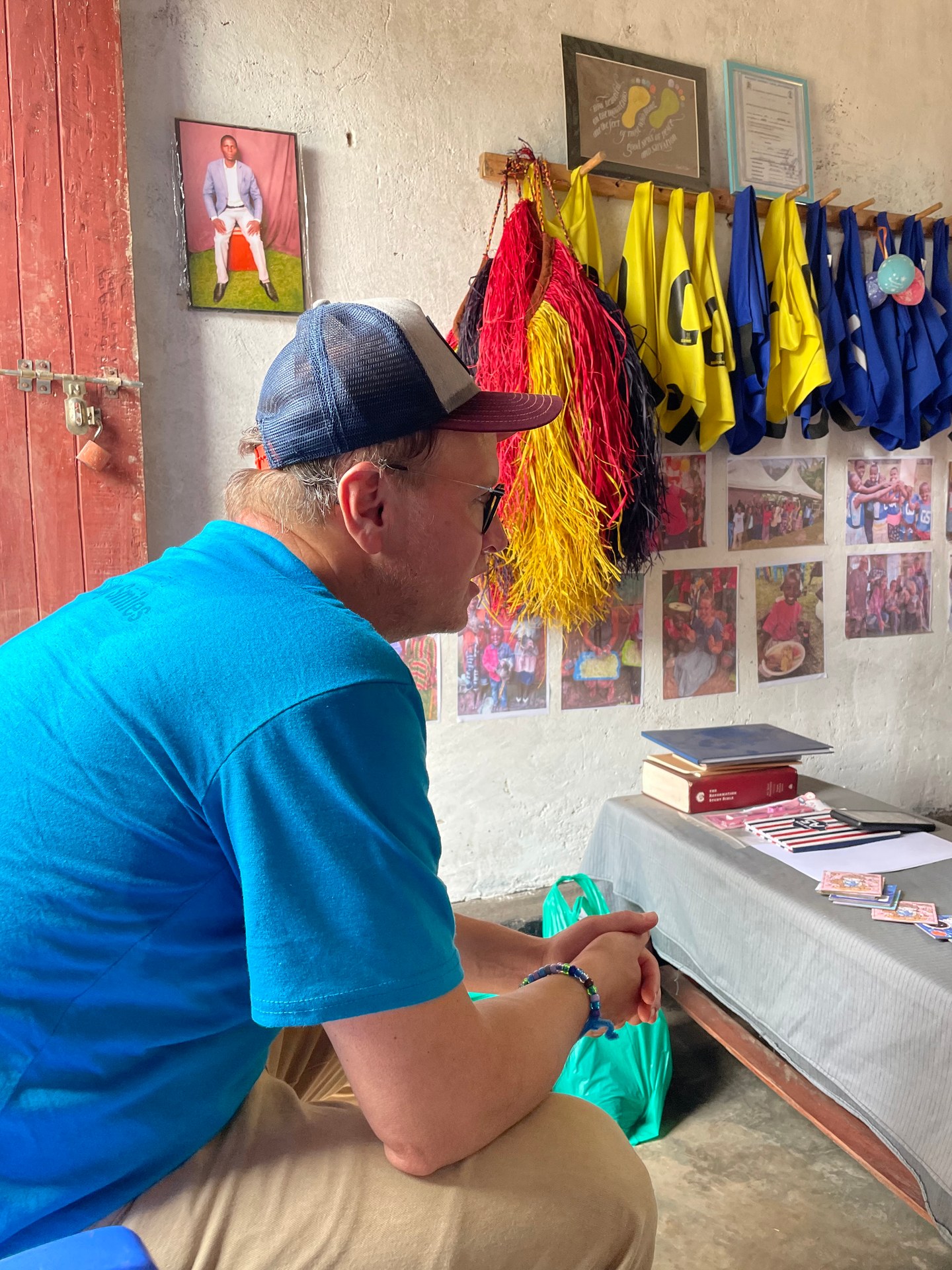
A quiet moment of attention at Buhoma orphanage
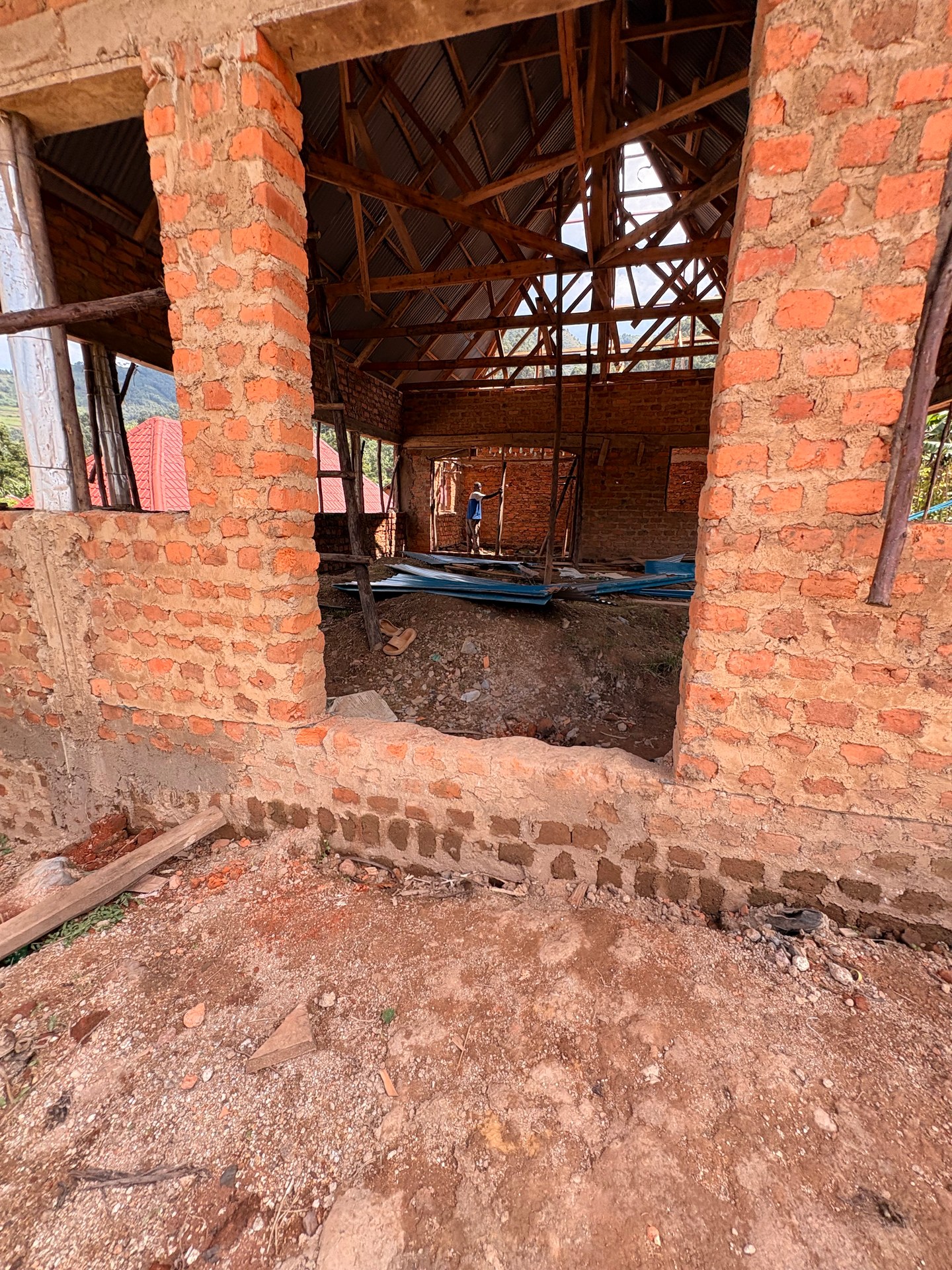
Construction in Buhoma
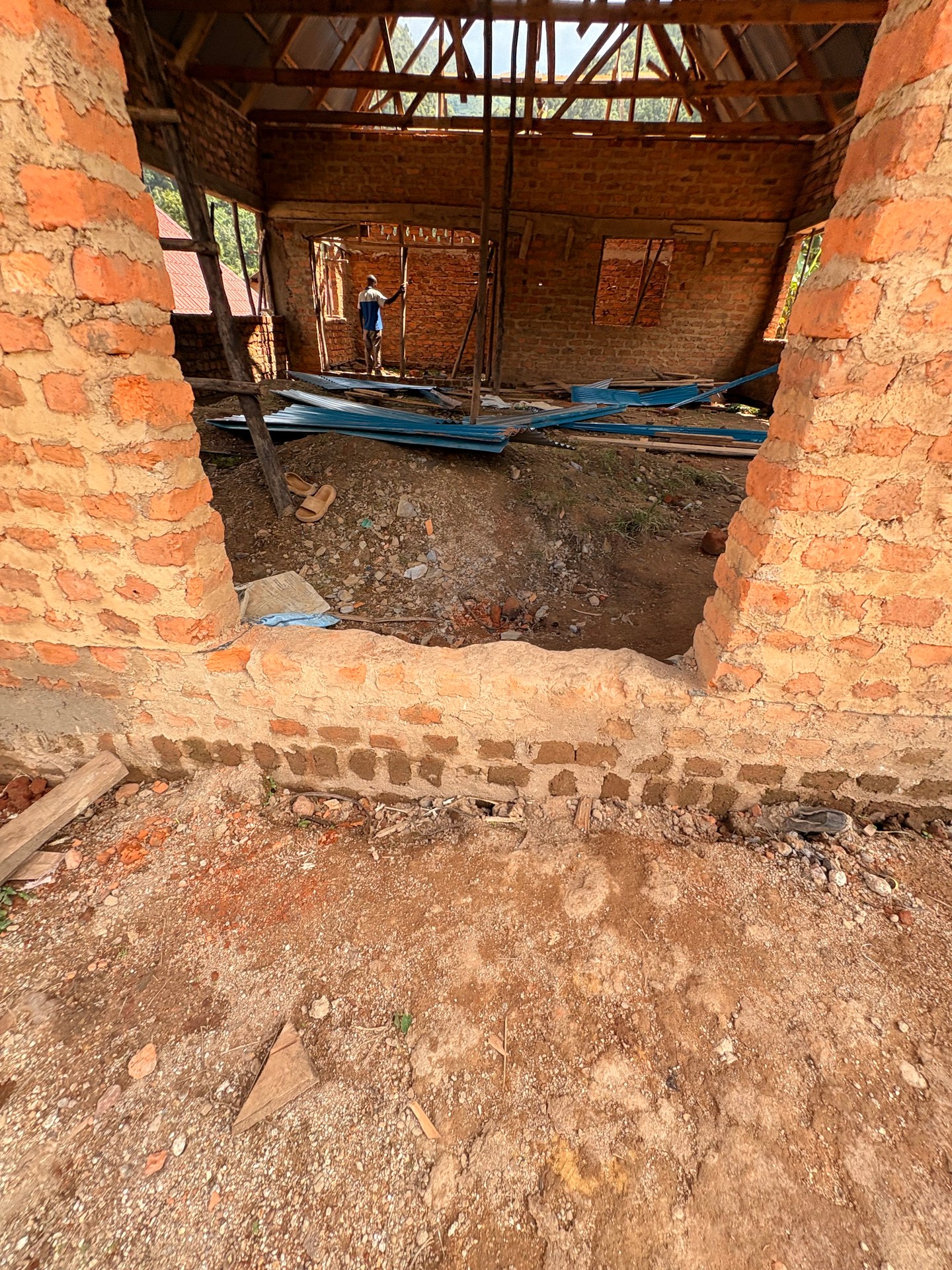
Construction in Buhoma, step by step
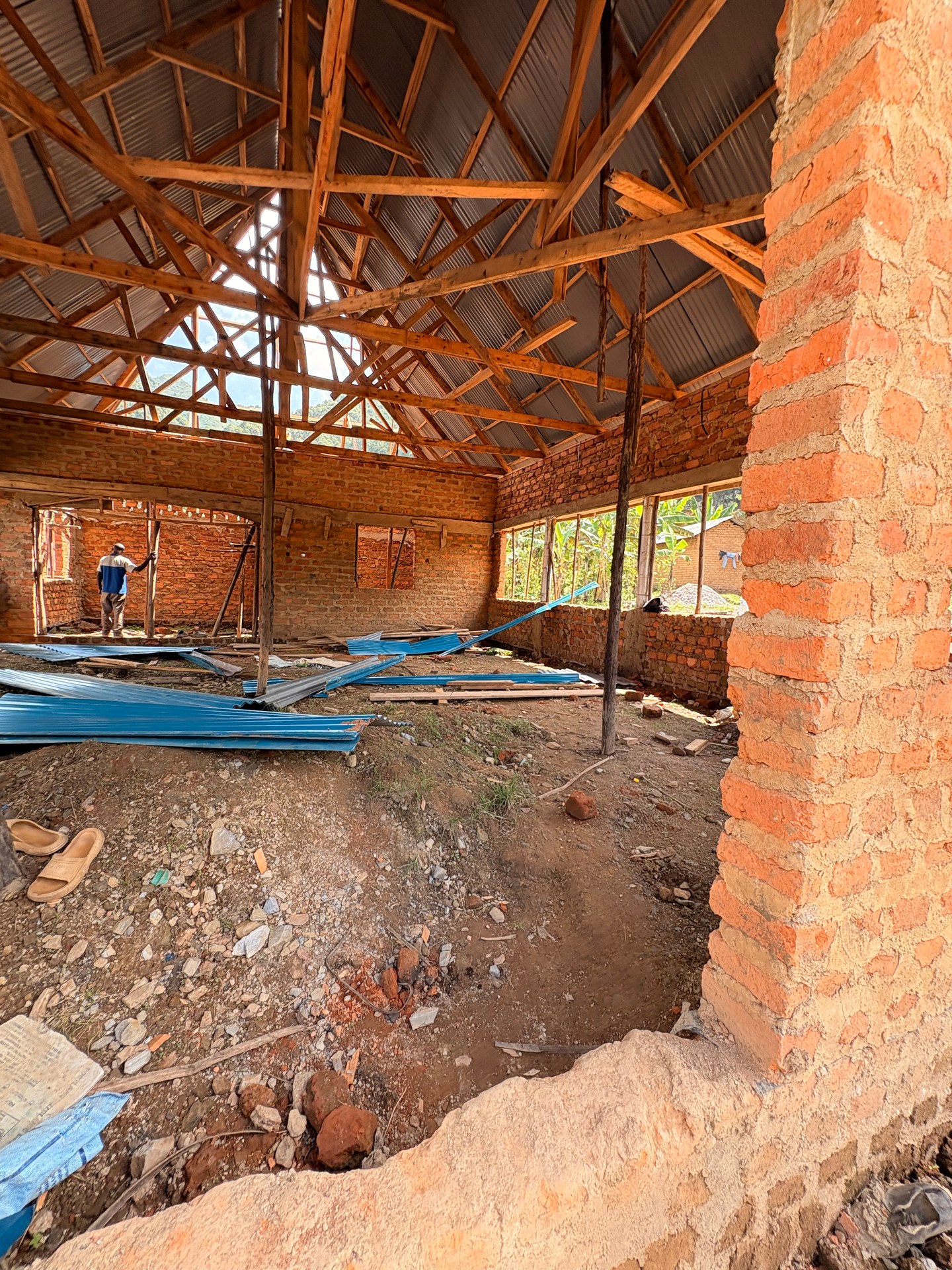
School building in Buhoma
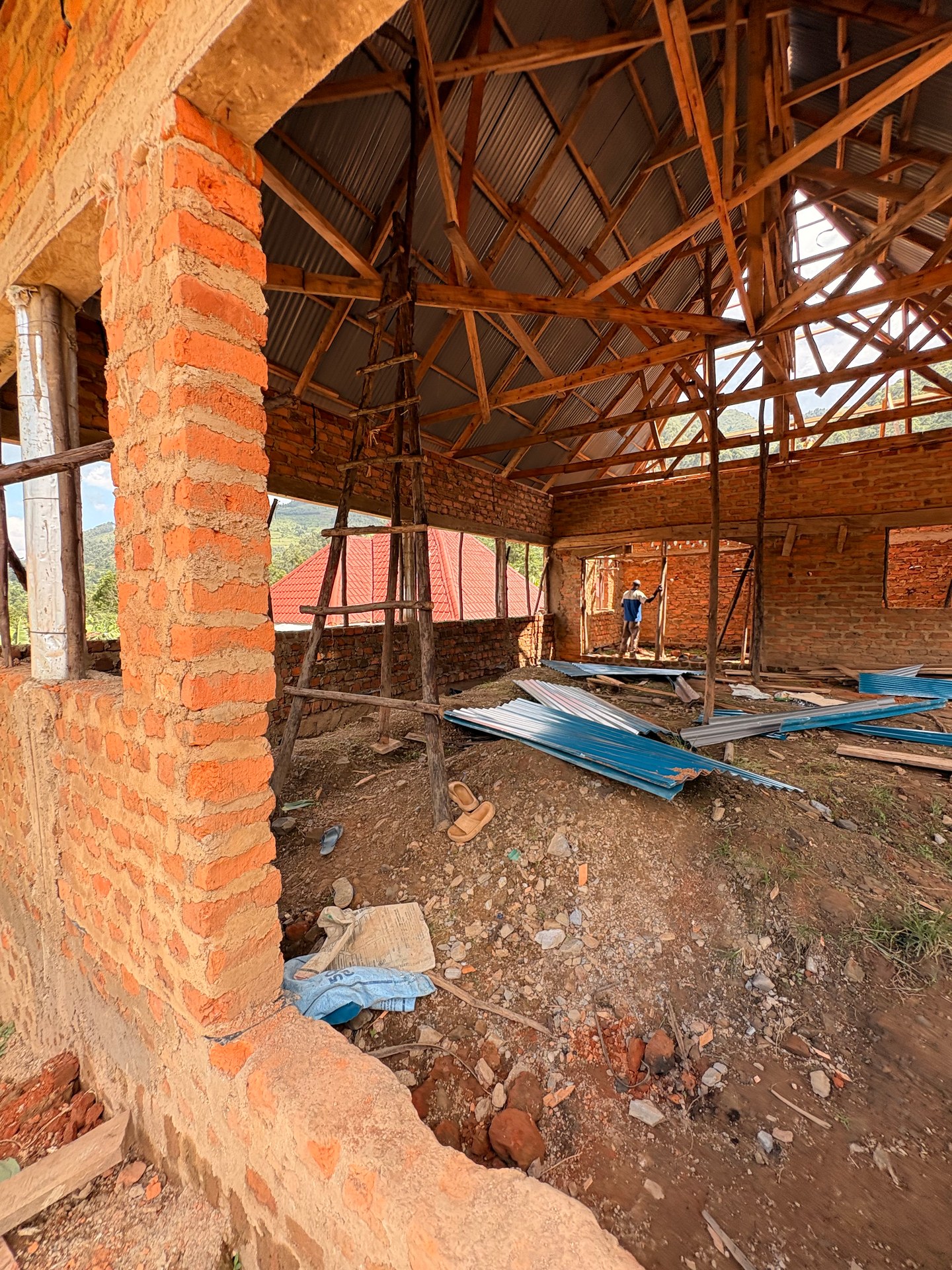
Construction in Buhoma
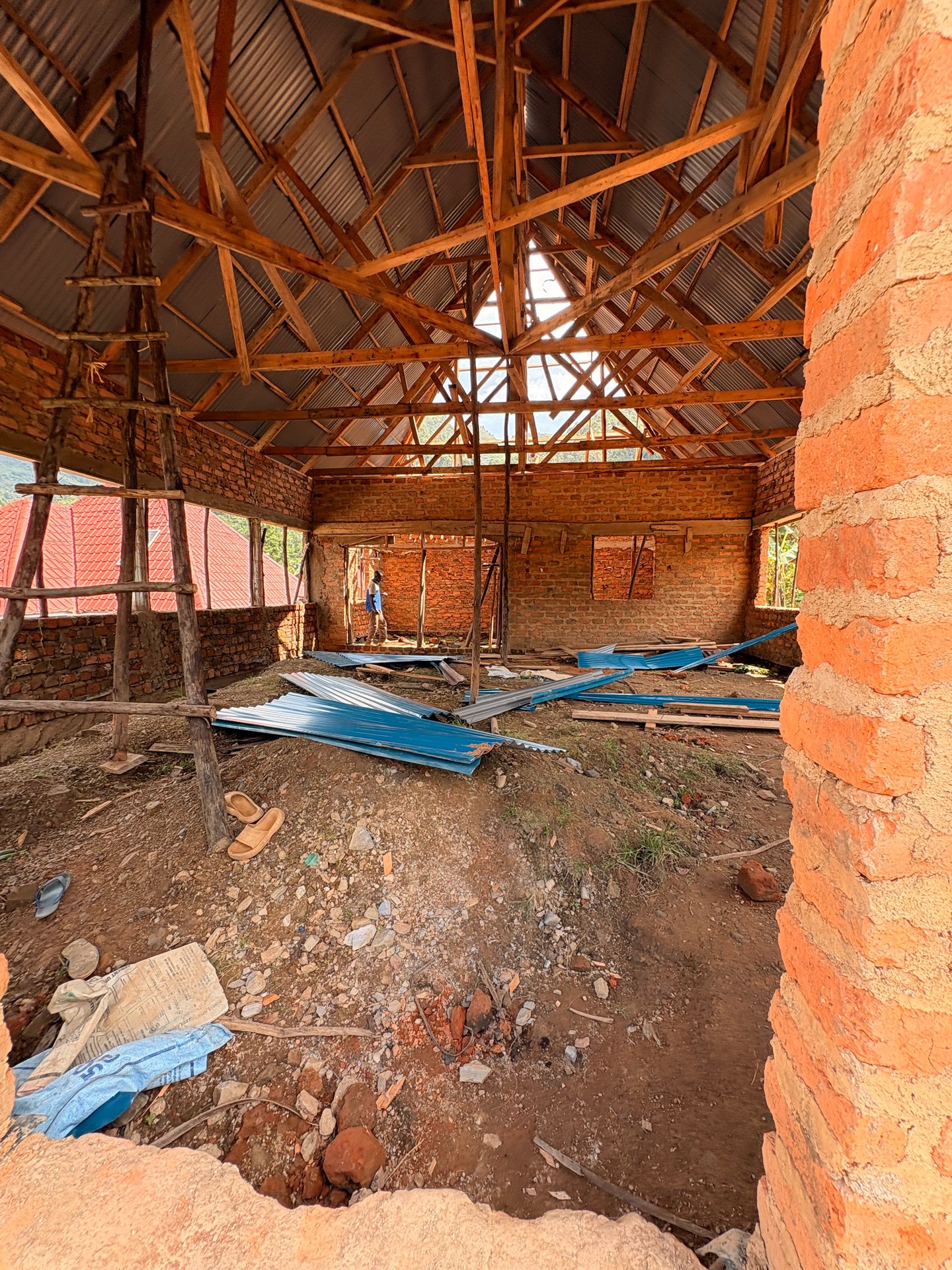
Construction in Buhoma
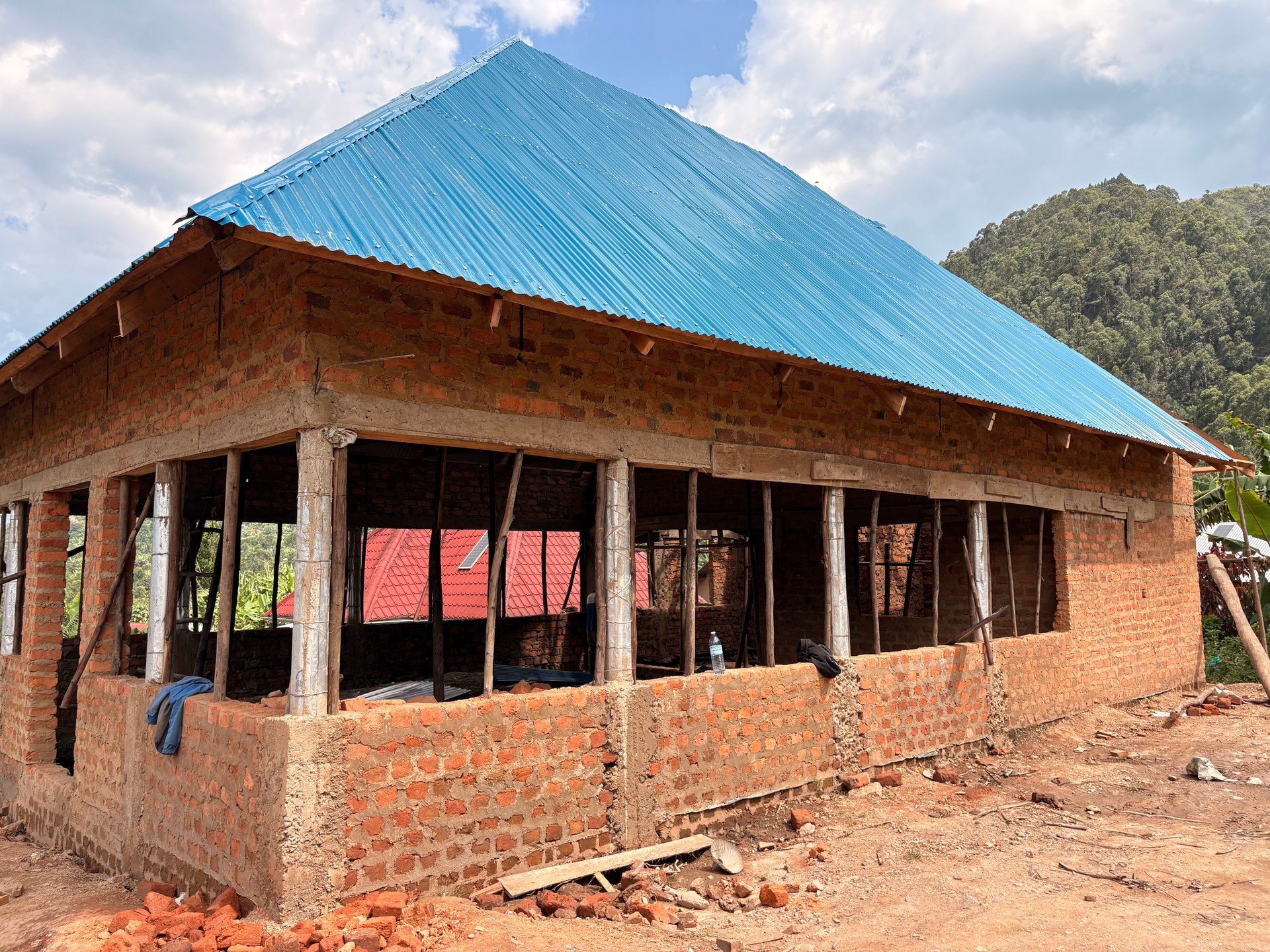
New building in Buhoma: brick by brick
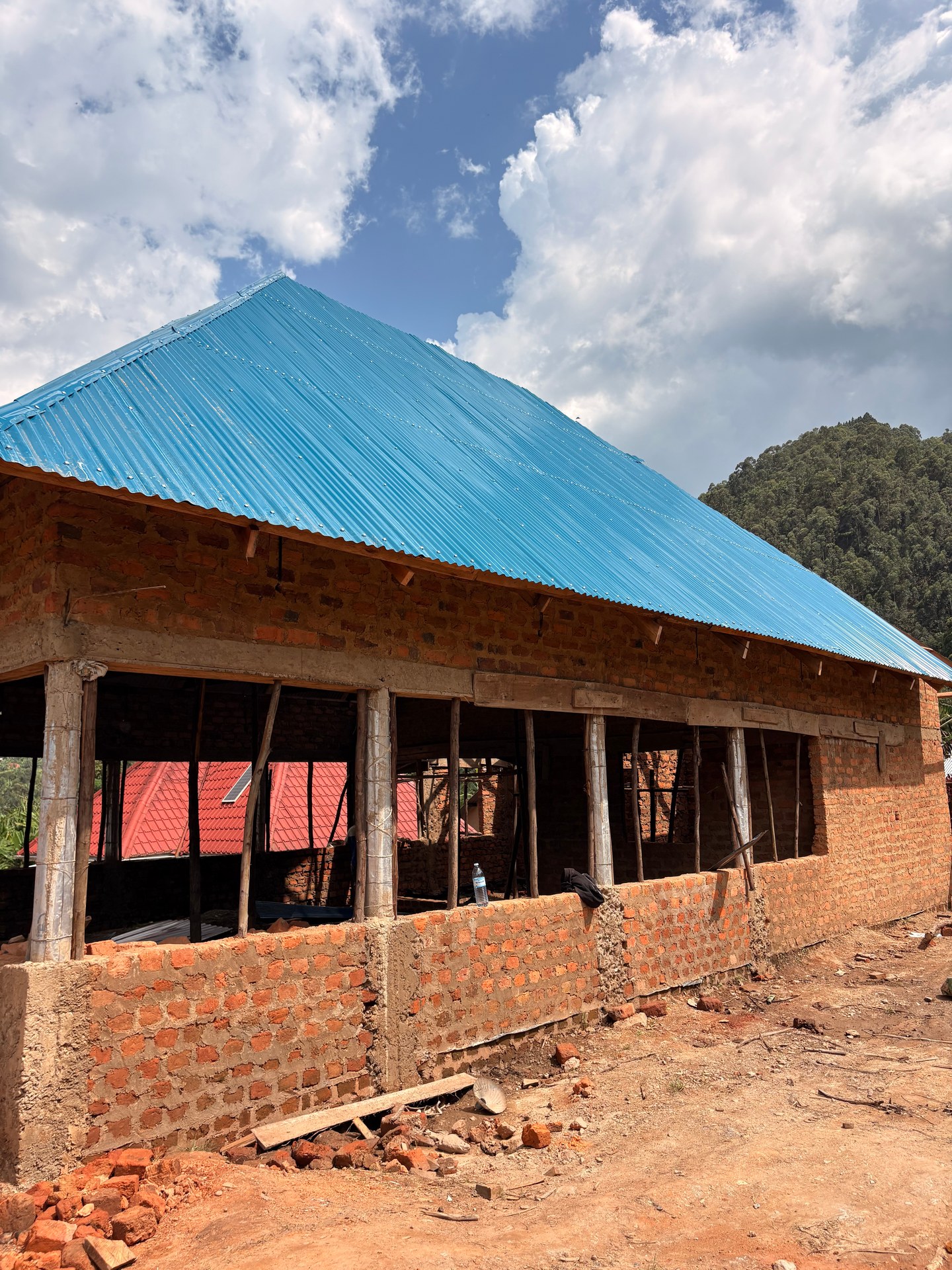
New school building under construction in Buhoma