On the morning of 21 June 2026 — GPS: -0.9713°N, 29.6142°E, Buhoma area — I was standing inside a small poultry yard on the edge of the village, watching a local chicken farmer carefully turn young chicks in his hands. He was animated and clearly proud, explaining how he raises each bird from hatching, how some go to the orphanage nearby for egg production, how others eventually provide meat. Our organisation, Hope on the Road, had been sourcing chicks from this farmer for the orphanage across several visits. What struck me was not the scale of the operation but its deliberateness: careful, purposeful stewardship of a small enterprise.
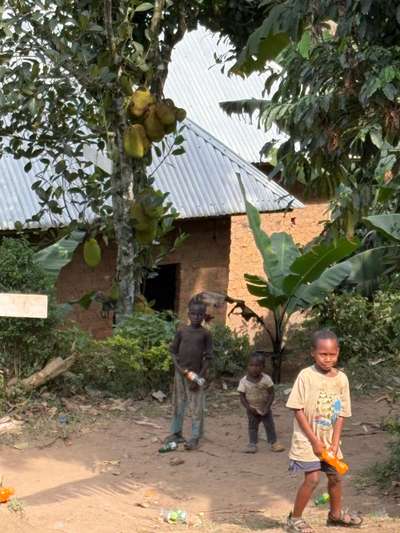
A few minutes later, walking back toward the main track, we passed three children from the orphanage neighbourhood — cautious at first, their clothes and posture showing the weight of difficult circumstances. We invited them to eat with us without a second thought. These encounters are, I have come to understand, as much a part of Bwindi as the gorillas themselves.
Understanding Bwindi Before You Arrive
Bwindi Impenetrable National Park occupies the Kigezi Highlands of southwestern Uganda, a landscape of steep volcanic ridges, dense canopy forest, and river valleys that cut through terrain ranging from roughly 1,160 to 2,607 metres above sea level. The name 'impenetrable' is not a marketing construct — the forest earns it through tangled undergrowth, exposed roots, and the kind of gradient that makes a moderate distance take twice as long as it would on flat ground. For a first-time visitor coming from a standard East African safari, this requires a genuine adjustment in expectation.
The park covers approximately 321 square kilometres and contains habitat for roughly half of the world's remaining mountain gorilla population. Uganda Wildlife Authority has structured trekking across four main sectors — Buhoma in the north, Ruhija in the east, Rushaga in the south, and Nkuringo in the southwest. Each sector has its own gorilla families available for visitation, its own terrain character, and its own logistics.
The Buhoma sector has the longest operational history and the most developed tourism infrastructure. It is where most first-time visitors begin, and where the relationship between the park and the surrounding community is most legible from the outside. My repeated visits to this area — in January and June 2026 — have confirmed that the community around the park is not a backdrop to the wildlife experience.
Mountain gorillas are one of the rare large mammal populations that has increased in numbers in recent decades, a fact directly connected to the conservation investment made possible by gorilla tourism revenue. For a beginner planning their first trek, understanding this context gives the permit fee a different weight. You are participating in a funding mechanism that has contributed to population recovery across Uganda, Rwanda, and the Democratic Republic of Congo.
What Actually Happens on Trekking Day
The day begins at the sector headquarters. Trekking groups assemble at 8:30 AM for a formal ranger briefing — this is the standard start time across all four Bwindi sectors. The briefing covers the rules: maintain at least seven metres from the gorillas at all times, do not eat or drink in their presence, avoid sudden movements, do not make sustained eye contact with the silverback. These exist because habituated gorillas — conditioned to accept human presence — are still wild animals with their own social dynamics.
After the briefing, the group sets out with armed rangers and experienced trackers. The trackers will have gone ahead early to locate the gorilla family. This means the trek goes to a known location, though that location can mean a short walk or several hours of steep terrain. The forest floor is a constant negotiation of roots, mud, fallen branches, and gradient. Altitude becomes noticeable on steep ascents.
The permitted time with the gorilla family is one hour, enforced by the rangers. Within that hour, experienced visitors consistently describe a quality of attention that photographs do not convey. Adult silverbacks can exceed 200 kilograms. The gorillas feed, interact with each other, play, and rest. They are largely indifferent to the group's presence — itself the result of years of careful habituation work.
After the hour, the group begins the return trek. Fatigue is a real factor after a full morning in difficult terrain. Porters — available for hire at all sector headquarters — carry packs and offer physical assistance on technical sections. Using a porter creates direct income for local community members and is the most straightforward way a trekking visitor contributes economically to the immediate area.
Gear, Fitness, and Physical Preparation
Footwear is the single most consequential gear decision. Ankle-supporting hiking boots with a waterproof membrane and grip sole designed for wet, rooted terrain are not optional — they are the difference between a manageable day and a miserable one. Light trail shoes perform poorly on steep wet slopes. Break new boots in before arriving.
A genuine waterproof jacket — not a water-resistant shell, but a jacket with waterproof membrane and sealed seams — belongs in your daypack regardless of the forecast. Bwindi's forest generates its own microclimate. Rain can arrive and stop within thirty minutes; it can also set in for hours. Carry the jacket compressed at the top of your pack from the moment you leave the briefing area.
Gardening gloves or thin work gloves protect hands when pushing through vegetation and gripping roots on descents. Long trousers guard against nettles, thorns, and insects. Tucking trouser hems into socks reduces the surface area available to safari ants.
Fitness preparation is worth taking seriously. If your regular exercise does not include walking on uneven, inclined terrain with a loaded pack, introducing two to three weeks of hill walking will make a measurable difference. Bwindi has been successfully trekked by a wide range of ages and fitness levels. Guides and rangers consistently calibrate the pace to the slowest member of the group.
Permits, Sectors, and When to Visit
A gorilla trekking permit is required for every visitor and must be obtained in advance from Uganda Wildlife Authority or through a licensed tour operator. The permit is allocated to a specific gorilla family in a specific sector on a specific date — it is non-transferable, and there is no walk-up availability at the gate. Demand for permits during the main international travel seasons regularly exceeds supply. Booking three to six months ahead is standard for independent travelers.
If your plans change after booking, contact UWA or your operator as early as possible. The system has a rescheduling mechanism, but it operates on limited flexibility. Late notice means the permit slot is effectively lost.
Season selection involves trade-offs worth thinking through before booking. The drier months — broadly June through August and December through February — produce firmer trails, better light for photography, and more predictable conditions. These are also the busiest months. The long rains from March through May bring deeper mud and more challenging terrain, but also lush vegetation and quieter lodges.
The four sectors each offer different trekking characters. Buhoma has the most established infrastructure and the best road access. Rushaga in the south offers access to the largest number of habituated gorilla families. Ruhija sits at the highest elevation with particularly challenging terrain. Nkuringo involves the steepest descent on entry. First-time visitors without a specific reason to choose otherwise tend to start at Buhoma.
The Community Surrounding the Park
During my visit in June 2026, I spent part of a morning with a chicken farmer operating a small poultry business on the edge of Buhoma. The operation supplies chicks to the community orphanage nearby — birds raised for egg production, with some for occasional meat and others sold to generate income. Our organisation, Hope on the Road, has been a repeat customer across multiple visits.
What this illustrates — and what repeated visits to the Buhoma area make increasingly clear — is that the economic relationship between Bwindi's tourism and its surrounding communities operates at the level of individual small businesses, community institutions, and daily decisions about income and food security. The farmer's enterprise is made viable partly by the demand that tourism and affiliated organisations create.
For a first-time trekking visitor, awareness of this changes the texture of the experience. The porter you hire is a direct wage payment to a community member. The lodge you stay in employs local staff. The permit fee funds both conservation operations and community programs. None of this requires sentimentality to appreciate; it is simply what the system looks like when examined from the ground.
Conservation Context: Why First-Time Visitors Matter
Mountain gorillas are listed as endangered, and their population recovery over recent decades is one of the most closely watched outcomes in international conservation. Gorilla tourism is a significant part of why this is the case. The permit revenue justifies the political and financial investment in conservation, and the international attention that gorilla trekking generates creates accountability that purely internal conservation programs rarely achieve.
Uganda's conservation framework designates national parks under law, with Uganda Wildlife Authority as the primary management body across twelve national parks and three active game reserves. Bwindi's mountain gorilla families sit at the centre of this system, and the trekking infrastructure built around them represents decades of investment in both conservation science and visitor management.
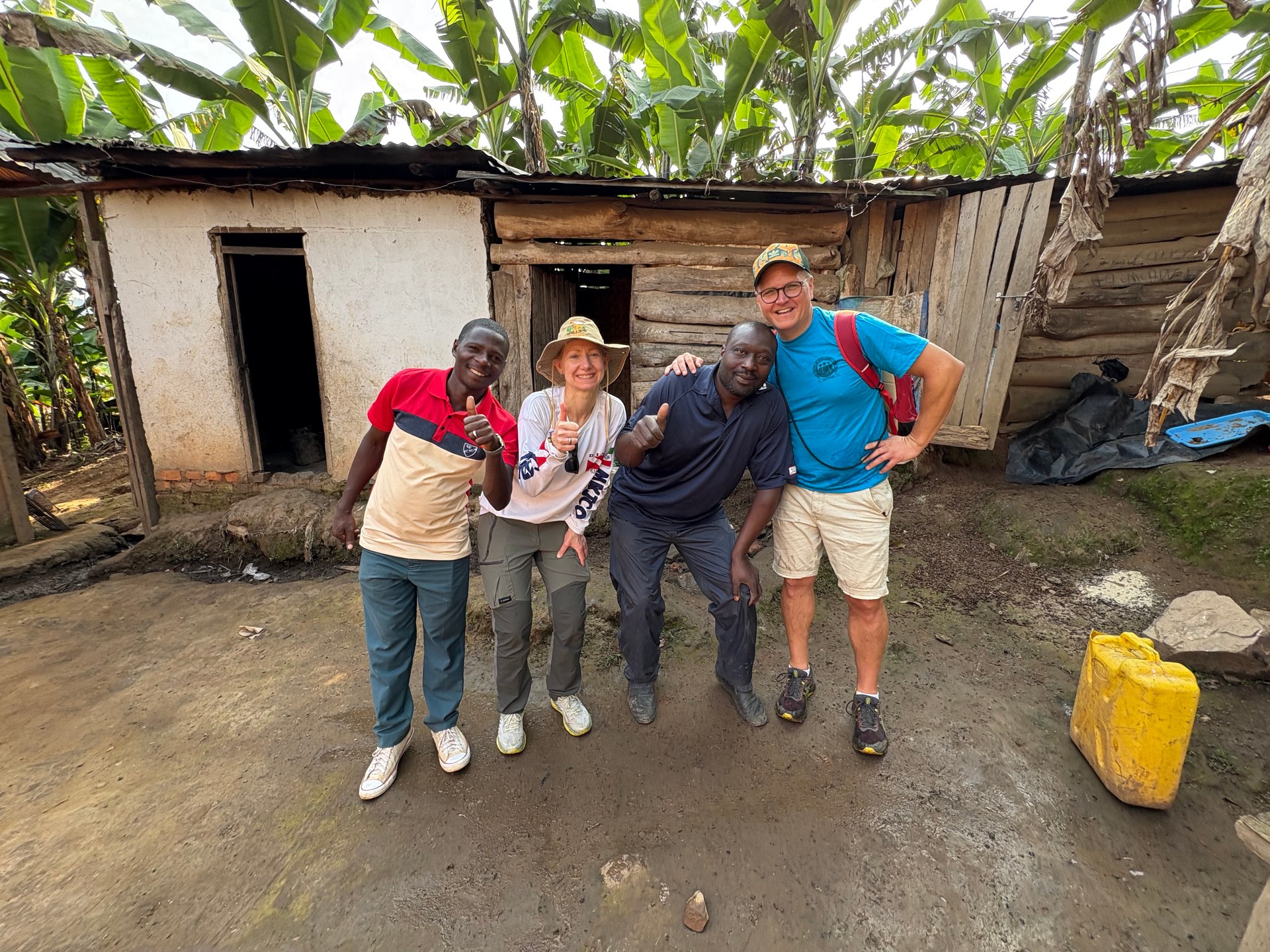
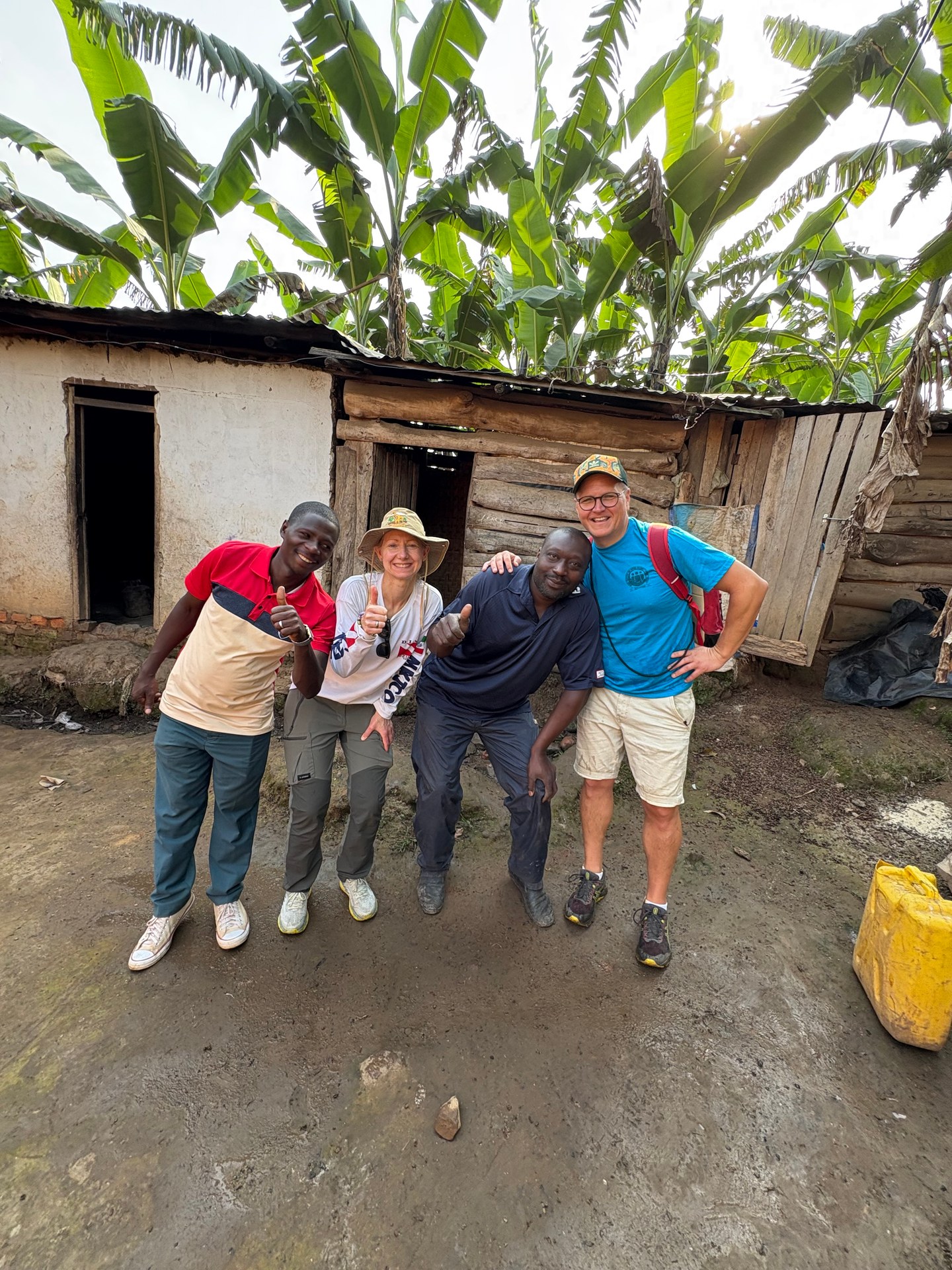
For the first-time trekking visitor, the hour spent with a gorilla family is not simply a transaction — it is a moment in a long, ongoing process of conservation that depends on continued international interest. The 3 GPS-verified original photos taken on 21 June 2026, between 06:31 and 06:36 at -0.9665°N, 29.6126°E, are first-hand records of a single morning in this environment. That particularity is what makes a first visit to Bwindi memorable — not the category 'gorilla trekking', but the specific morning, the specific forest, and the specific community you move through to get there.
[Quote: local guide from Buhoma sector on what first-time trekkers most commonly underestimate about the experience]