Bwindi as a Water Tower
Bwindi Impenetrable Forest functions as a natural water tower for southwestern Uganda. The forest’s 321 square kilometres of densely vegetated, mountainous terrain receive between 1,400 and 1,900 millimetres of rainfall annually. This water does not simply run off the slopes. Instead, it is absorbed by the forest’s complex system of roots, organic soils, leaf litter, and mosses, then released gradually into streams and rivers that sustain life far beyond the forest’s boundaries.
Five major rivers originate within or on the margins of Bwindi, flowing generally westward through steep valleys and gorges to reach Lake Edward. This lake, straddling the border between Uganda and the Democratic Republic of Congo, is part of the greater Nile Basin — making Bwindi’s water systems a small but meaningful contributor to one of Africa’s most important river systems.
The Five Rivers
The Ishasha River is the most significant of Bwindi’s waterways, draining much of the southern and western portions of the forest. It descends rapidly through a steep gorge — the Ishasha Gorge — that marks the lowest point of the park at approximately 1,160 metres. The Ihihizo, Munyaga, Shongi, and Ntungwe rivers drain other sections of the forest, each carving its own valley through the rugged terrain.
These rivers begin as small streams high on the forest ridges, where water seeps from the saturated soils and moss-covered rocks. As they descend, they are joined by tributaries from side valleys, growing in volume and force. The steep gradient creates fast-flowing, well-oxygenated water that supports specialised aquatic communities adapted to montane stream conditions.
The Forest’s Role in Water Regulation
The relationship between forest cover and water regulation is one of the most important ecosystem services Bwindi provides. The forest’s trees intercept rainfall on their leaves and branches, slowing its descent to the ground. The thick layer of leaf litter and organic matter on the forest floor acts as a sponge, absorbing water and preventing it from flowing directly over the soil surface.
Below the litter, the forest’s root systems — particularly the dense mat of fine roots in the upper soil layers — create channels that allow water to infiltrate deep into the ground. This groundwater then feeds streams and rivers over periods of weeks and months, maintaining base flow even when rain has not fallen for several days. This buffering effect is critical for the communities downstream, who depend on a reliable water supply throughout the year.
Without forest cover, the dynamics change dramatically. Rainfall hits bare or cultivated soil directly, causing rapid surface runoff, soil erosion, and sedimentation of waterways. Streams flood during heavy rains but dry up quickly afterwards. This contrast is visible at Bwindi’s borders, where the forested slopes maintain clear, steady streams while adjacent deforested hillsides show obvious signs of erosion and irregular water flow.
Aquatic Ecosystems
Bwindi’s streams and rivers support their own distinct ecological communities. The fast-flowing, cool, well-oxygenated waters are home to aquatic invertebrates including caddisfly larvae, mayfly nymphs, stonefly larvae, and freshwater crabs. These organisms are not only important components of the aquatic food web but also serve as indicators of water quality — their presence confirms that the water remains clean and well-oxygenated.
Amphibians are closely associated with Bwindi’s water systems. Several frog species breed exclusively in or near forest streams, and some are restricted to narrow altitudinal ranges within the park. The forest’s streams also provide drinking water for terrestrial animals, from elephants and gorillas to the smallest forest birds, creating natural gathering points where different species interact.
Downstream Dependencies
The rivers flowing from Bwindi support the livelihoods of hundreds of thousands of people in the densely populated communities surrounding the park. Smallholder farmers use river water for irrigation, particularly during drier periods when rainfall alone is insufficient. Communities draw drinking water from streams originating in the forest. Livestock depend on these water sources for survival.
This downstream dependency creates a powerful economic argument for forest conservation. The value of the water services Bwindi provides — flood regulation, dry-season flow maintenance, water purification, and erosion control — likely exceeds the value of any alternative land use. Payment for ecosystem services schemes are being explored as a way to channel some of this value back to the communities and institutions that bear the costs of conservation.
Threats and Resilience
Climate change poses the most significant long-term threat to Bwindi’s water systems. Changes in rainfall patterns — including more intense downpours separated by longer dry spells — could stress both the forest’s capacity to buffer water flow and the downstream communities that depend on regular supply. Temperature increases may alter evapotranspiration rates and cloud formation patterns, potentially reducing the moisture input from cloud interception that is so important at higher elevations.
At the local level, encroachment on the forest margins, illegal resource extraction, and pollution from agricultural chemicals all affect water quality and the forest’s hydrological function. Conservation efforts that maintain the integrity of the forest — particularly on steep slopes and along stream corridors — are essential for protecting Bwindi’s role as a water tower.
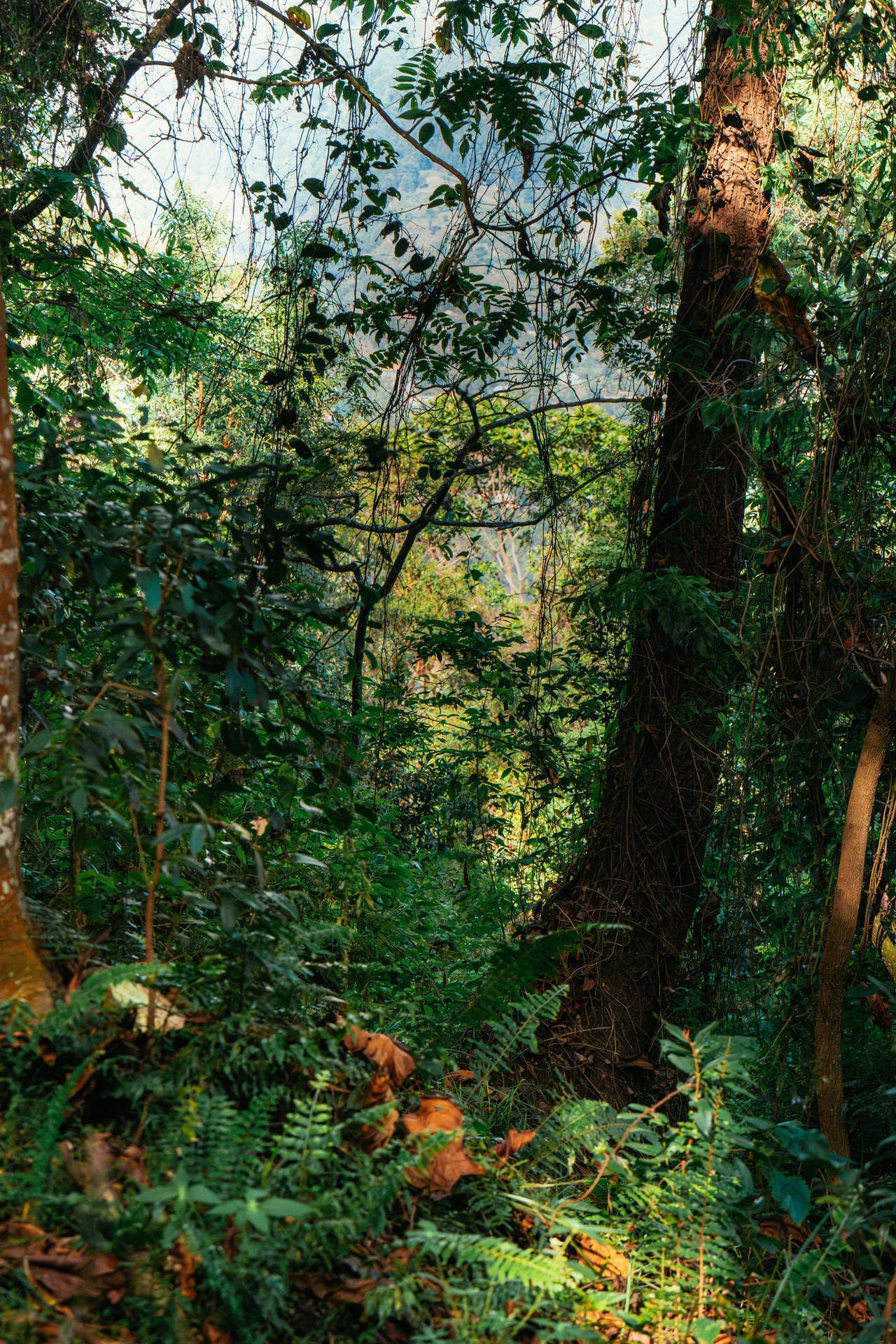
Dense jungle at the start of the gorilla trekking trail

Gorilla trekking in Bwindi: the path through the rainforest
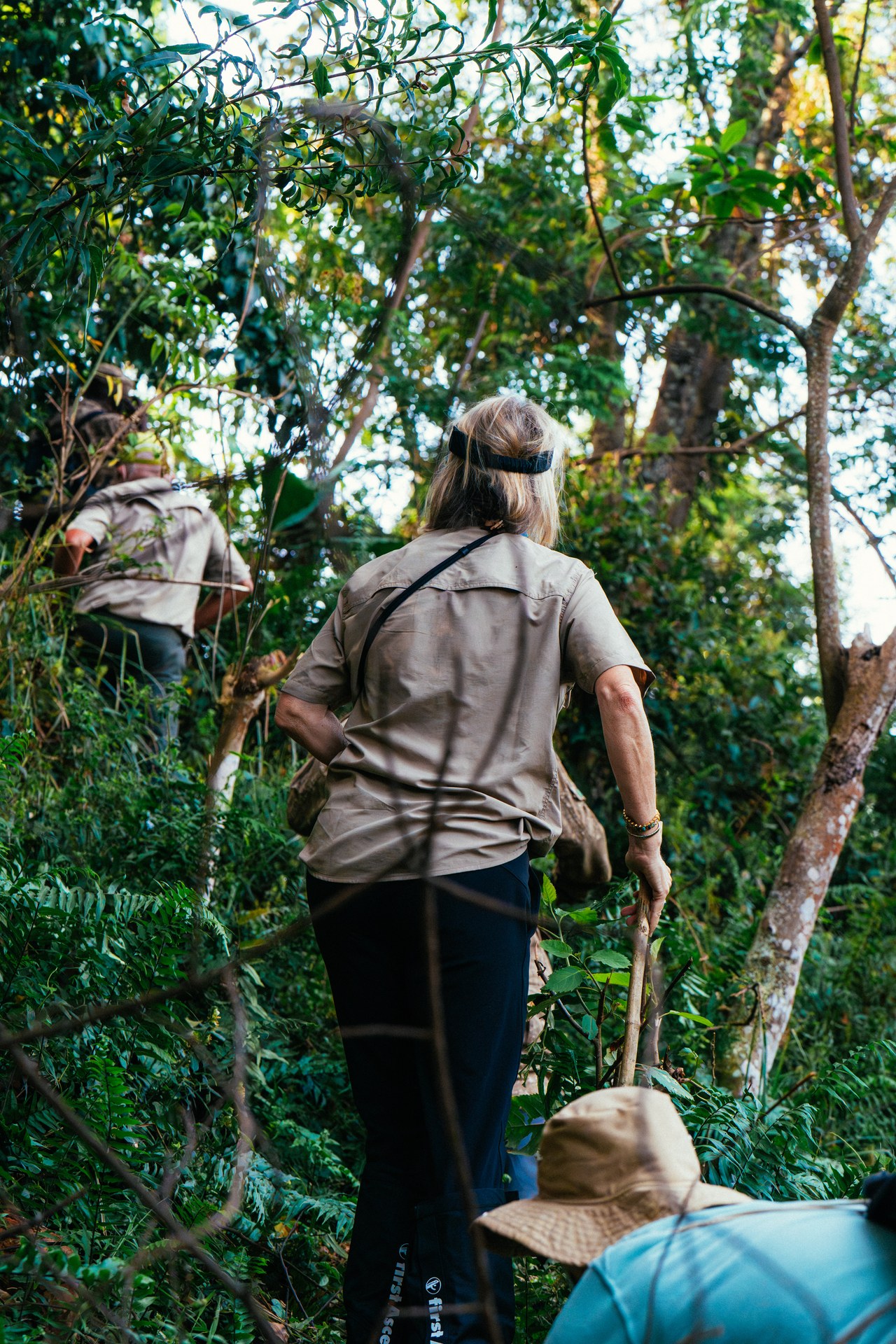
Through Bwindi forest on the trail of gorillas
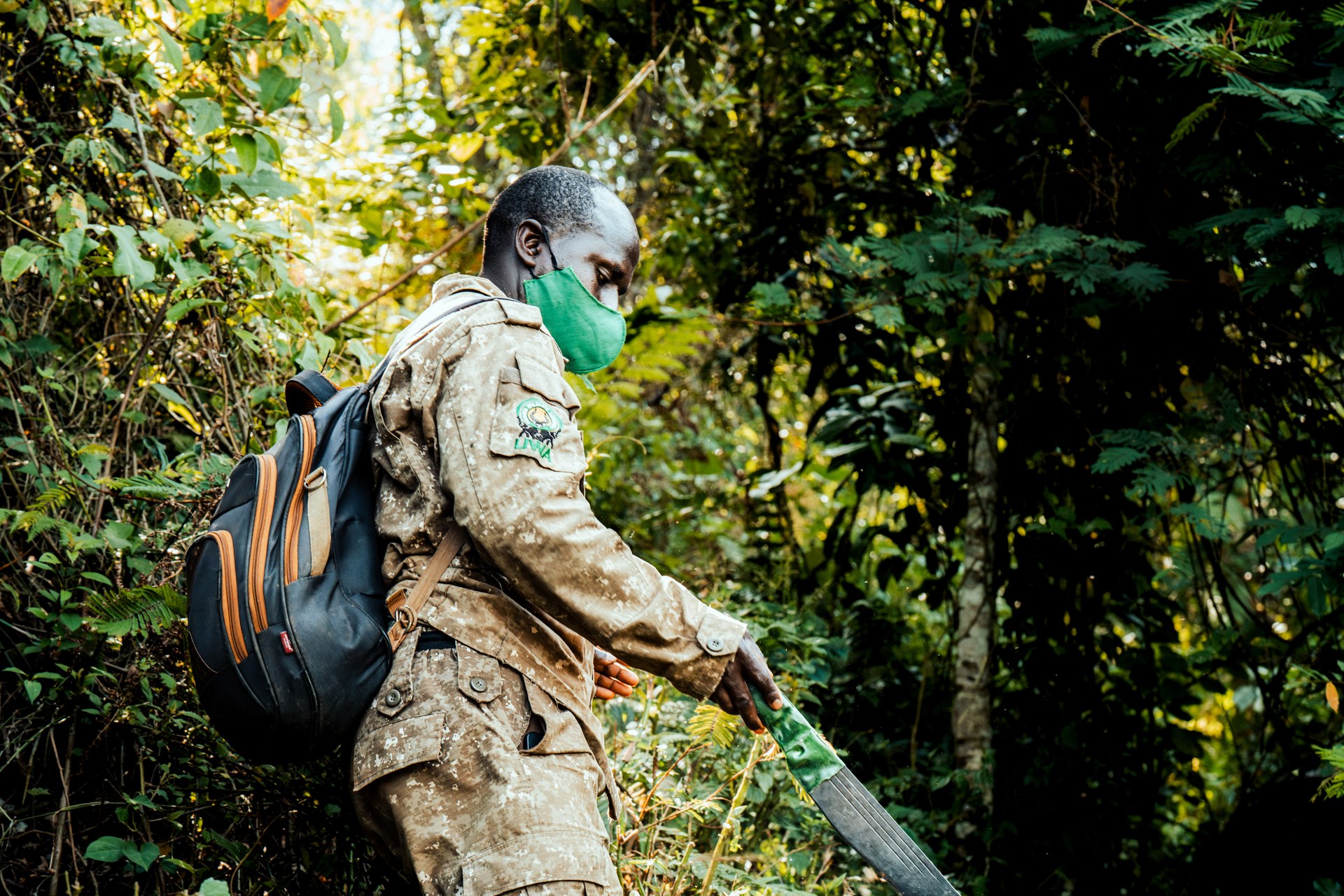
Ranger in Bwindi forest on the way to the gorillas
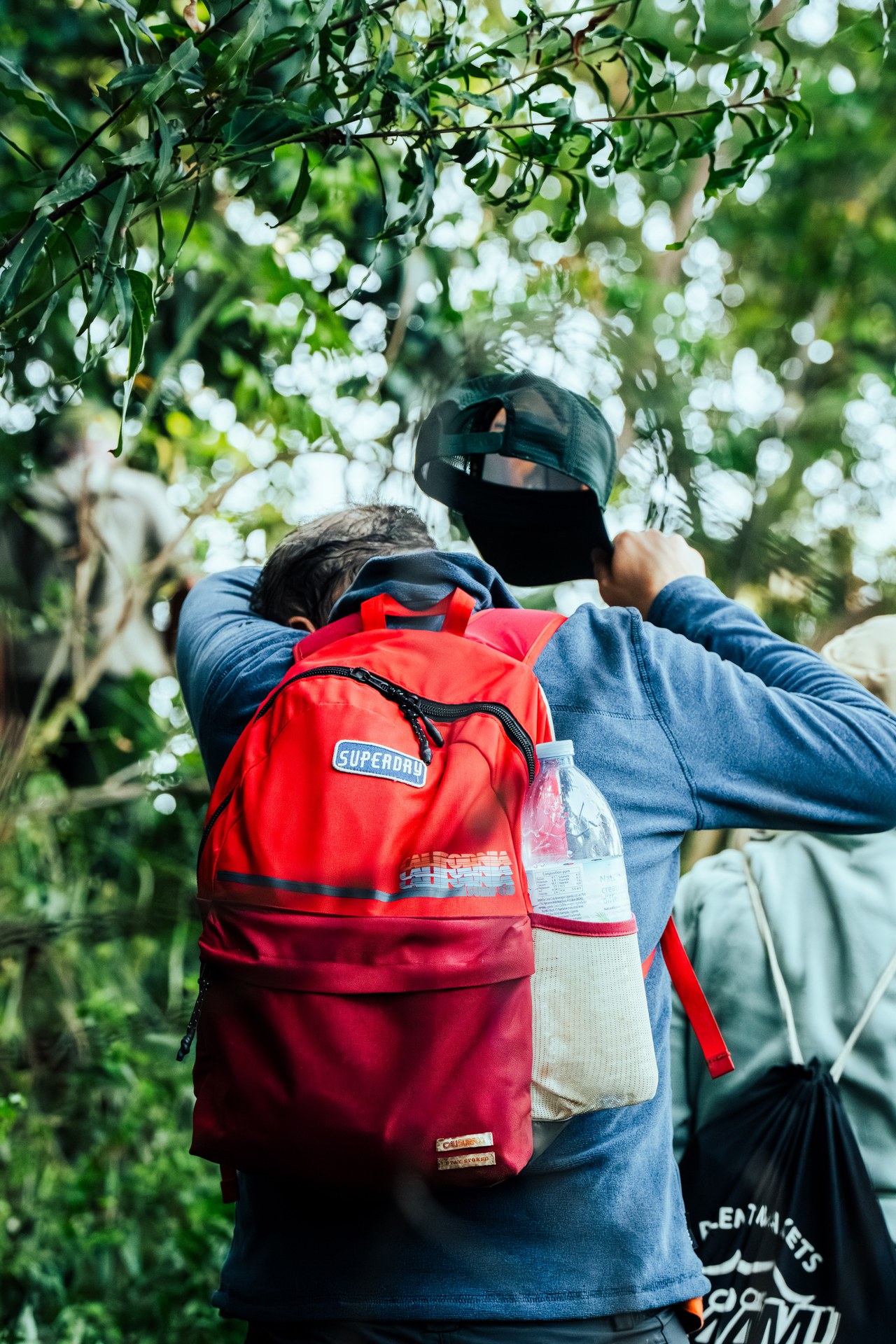
Preparing for the adventure: gorilla trekking in Bwindi

Mountain Gorilla Peering Through Dense Forest Foliage
Mountain Gorilla