Why Bwindi Trekking Climate Conditions Deserve Careful Attention
Planning gorilla trekking at Bwindi Impenetrable National Park involves a decision that most travellers reduce to two variables: permit availability and budget. Climate conditions — the actual weather likely to greet you on the trail — receive far less attention than they deserve. During visits in October 2024, January 2026, and June 2026, the same forest looked and felt like a completely different place depending on whether the rainy season was active, retreating, or still weeks away. The gorillas were present in all cases. The trails were not equally passable.
Bwindi sits in a topographically complex corner of southwestern Uganda, where the Albertine Rift escarpment catches moisture from the Congo Basin to the west while the equatorial circulation drives rainfall from the east. The park spans elevations from roughly 1,160 metres at its lower margins to 2,607 metres at the highest ridges. At these altitudes, temperature and humidity interact with elevation to produce microclimates that can vary significantly within a single sector. Ruhija, the highest of the four trekking sectors at around 2,300 metres, regularly sees cool mist and light drizzle even when Buhoma, some 800 metres lower, is sunny and dry. Understanding this variation is the first step toward informed planning.
ENSO Cycles and Their Effect on East African Rainfall
El Niño-Southern Oscillation, known as ENSO, is a coupled ocean-atmosphere phenomenon centred in the Pacific Ocean. Its cycle — which repeats on an irregular schedule roughly every two to seven years — produces globally distributed climate anomalies that affect rainfall patterns far beyond the Pacific itself. East Africa, and the Albertine Rift region in particular, has a well-documented sensitivity to ENSO phases.
During El Niño events, sea surface temperatures in the central and eastern Pacific warm above the long-term average. This warming shifts atmospheric pressure patterns across the tropics, and the downstream effect over East Africa is generally an enhancement of the October-to-December short rains. Rainfall during these months can significantly exceed the seasonal norm, arriving earlier, falling harder, and continuing later into January than expected. For Bwindi, which already receives around 1,400 millimetres of rain annually in its lower sectors and considerably more at altitude, an active El Niño can push the forest into sustained saturation.
La Niña, the opposing phase in which Pacific sea surface temperatures cool below average, tends to suppress East African rainfall during the short rains while sometimes enhancing the long rains of March to May. In practice, La Niña years at Bwindi often mean drier October-to-December conditions but wetter-than-usual April and May periods. For trekkers, this can shift the window of optimal trail conditions without eliminating good periods entirely — it simply requires knowing which phase the climate is in and planning accordingly rather than defaulting to the standard seasonal calendar.
Wet Trails, Stream Crossings, and the Reality of Rainy-Season Trekking
The immediate consequence of heavy rainfall at Bwindi is trail saturation. The park's characteristically dense root mat and leaf litter absorb a great deal of moisture, but once the soil column is full, water runs freely across paths and down slopes. Trails that are steep and manageable in dry conditions become genuinely slippery challenges when wet. On slopes facing away from prevailing drainage, standing water and deep mud can persist for days after heavy rain.
Stream crossings, which are minor inconveniences during dry periods, deserve attention after sustained rain. Several trails in Buhoma and Nkuringo cross streams that rise rapidly and can reach knee height within hours of a significant downpour. Rangers monitor these conditions and will redirect groups to alternative approach routes when crossings are unsafe. Delays and route changes are more common during and immediately after heavy rain events, and trekkers should build schedule flexibility into their itinerary rather than planning a tight departure the morning after their trek.
During the January 2026 visit, trails in the Buhoma sector showed clear evidence of the preceding wet season: deep channels had cut through the path on the steeper sections, and root handholds that rangers used casually in October 2024 were slick with algae. The gorillas themselves were within forty minutes of the trailhead on that occasion, which compressed the physical challenge considerably. Had they been further into the forest, the conditions would have made for a far more demanding day.
[QUOTE: local guide on first impressions of rainy-season trails]
Seasonal Planning in an ENSO-Aware Framework
The conventional advice for gorilla trekking in Uganda distinguishes two dry seasons — June to September and December to February — as the preferred trekking windows, with the long rains of March to May and the short rains of October to November as secondary options for those seeking lower permit competition. This framework remains broadly accurate but requires ENSO-aware adjustment in years when the Pacific is in a strong phase.
In a strong El Niño year, October and November bring significantly heavier rainfall than the norm, making what would otherwise be a quieter but manageable shoulder season into a genuinely wet and demanding period. December, typically considered the start of the second dry season, may remain unsettled well into the month. Conversely, in a strong La Niña year, the October-to-November window can be considerably drier than average, making it an underrated period for trekking when permit availability is higher and lodge prices are often lower.
The June-to-September dry season is the most reliably unaffected by ENSO. During this period, the Intertropical Convergence Zone has moved northward, and Bwindi's rainfall drops sharply across all sectors. Trails are firm, stream levels are low, and daytime temperatures are mild. This is also when permit demand peaks, and gorilla permit bookings — which cost $800 per person — need to be secured months in advance. The December-to-February dry season is somewhat more variable, particularly at its beginning and end, and more susceptible to ENSO modulation.
A practical approach for visitors planning a year or more ahead is to check the ENSO forecast from reputable meteorological agencies at the time of booking. Reliable outlooks extend three to six months with reasonable skill. If a strong El Niño is forecast for your travel window, either shift dates toward the core dry season or adjust expectations and gear choices accordingly. If La Niña conditions are predicted, the shoulder seasons become more attractive.
Climate Change and Shifting Baselines at Bwindi
Beyond year-to-year ENSO variability, Bwindi's climate is changing on longer timescales in ways that affect both the ecosystem and trekking conditions. Research monitoring the Albertine Rift region has documented shifts in seasonal rainfall distribution, with observations suggesting that the onset and cessation of the rainy seasons have become more variable over recent decades. The forest itself is responding: plant phenology, fruiting schedules, and the movements of forest fauna are all adjusting to altered precipitation regimes.
For mountain gorillas specifically, whose population of 459 individuals in Uganda represents one of conservation's most closely monitored success stories, climate shifts interact with habitat pressure in complex ways. Elephant and chimpanzee movement corridors connecting Bwindi to Kibale National Park to the north have been disrupted by infrastructure development over recent decades. Within Bwindi itself, non-timber forest product incidents — unsanctioned extraction of wood, plants, and other resources — have been documented at between 20 and 60 incidents per year between 2020 and 2025. A stressed forest edge, where community pressure meets climate uncertainty, is more vulnerable than a buffer of intact habitat would be.
Bwindi and Echuya Forest Reserve together constitute the primary stronghold for at least one threatened cat species on the Uganda Red List, underscoring that the park's ecological value extends far beyond gorillas. The plant Rotheca violacea subsp. kigeziensis, found in the forests near Bwindi and classified as Critically Endangered, is another indicator of the park's irreplaceable biodiversity. These are not abstractions for the trekker — they are the context that makes the decision to visit Bwindi, and to fund its conservation through permit fees, a consequential one.
For trekking conditions specifically, the practical implication of climate change at Bwindi is not a dramatic shift in any single season but rather a slight widening of unpredictability at the margins. The core June-to-September dry season remains the most reliable period. But the transitions into and out of the rainy seasons — periods that used to be fairly predictable within a window of two to three weeks — now show more variance. Building a day or two of schedule flexibility into a Bwindi itinerary is no longer just cautious travel planning; it is an increasingly rational response to genuine meteorological uncertainty.
Practical Guidance for Every Condition
Whatever the ENSO phase or seasonal timing, certain preparations remain constant for gorilla trekking in Bwindi. Waterproof boots with ankle support are non-negotiable — not water-resistant, waterproof. The distinction matters on a trail that may involve wading through ankle-deep mud or crossing a shallow stream. Long trousers and long sleeves protect against nettles and thorned vegetation; the impenetrable forest earns its name in part from the density of plants that catch and scratch at exposed skin.
Rain gear — a lightweight waterproof jacket and trousers — should be accessible in your daypack regardless of the morning forecast. Bwindi rainfall operates on its own schedule, and a clear sky at 8:00 AM offers no guarantee of a dry afternoon. Gaiters, which many first-time trekkers consider optional, effectively become mandatory in wet conditions: they prevent mud from entering the tops of boots and keep leeches — active during and after rain — from reaching skin.
Porters, available for hire at all four sector trailheads, provide more than carrying capacity. On wet trails, an experienced porter moving just ahead or alongside you can indicate where to place your feet, help you through stream crossings, and provide a steadying hand on the steepest descents. Their fee goes directly to the local community and represents genuine economic benefit to the families living adjacent to the park. During the June 2026 visit, conditions in the upper Buhoma sector were dry but the previous week's rains had left the clay soil on the descents unusually greasy; a porter made a measurable difference to both pace and safety.
Finally, flexibility in your itinerary pays dividends in any condition. Rangers assess trail and gorilla location conditions each morning and assign groups accordingly. A family that has moved deep into difficult terrain on a wet day will result in a longer, harder trek than one settled near the forest edge. If your schedule permits an extra day at Bwindi, it gives you the option of rescheduling if conditions are genuinely severe, and it provides time to recover and absorb an experience that, in any weather, is unlikely to leave you unchanged.
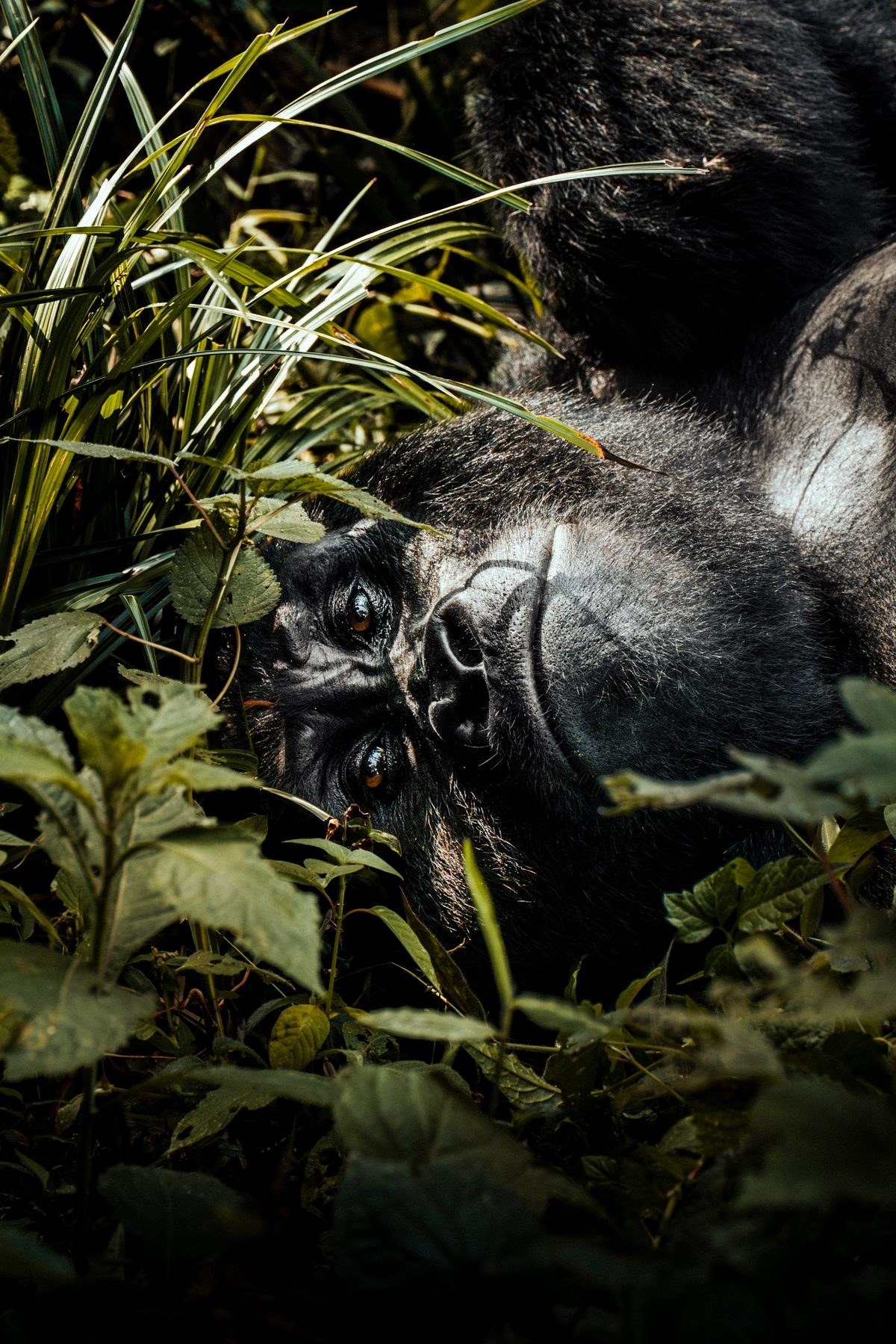
Silverback in the thicket, gazing into ancient eyes
Gorillas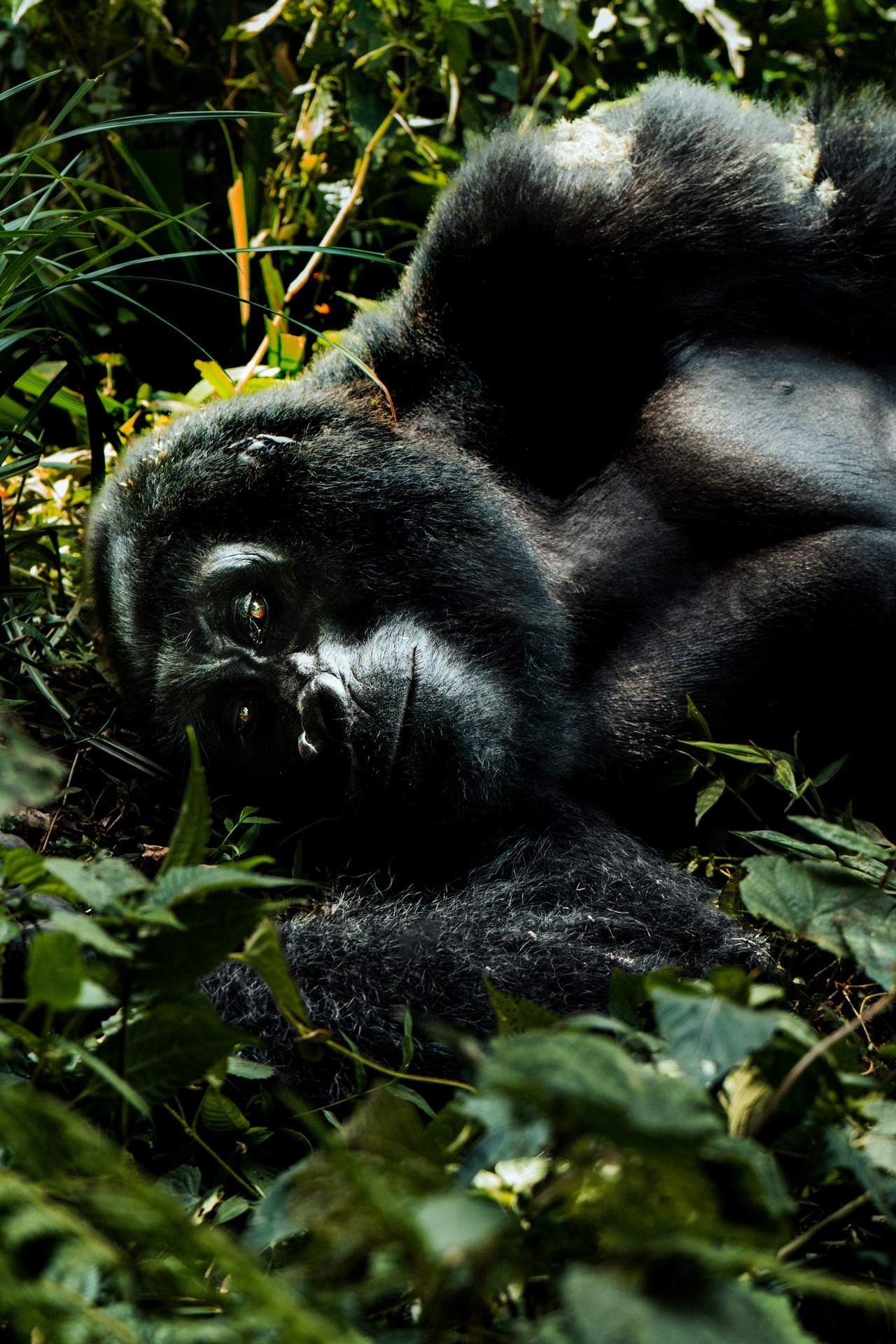
Silverback resting in Bwindi rainforest
Mountain Gorilla (Silverback)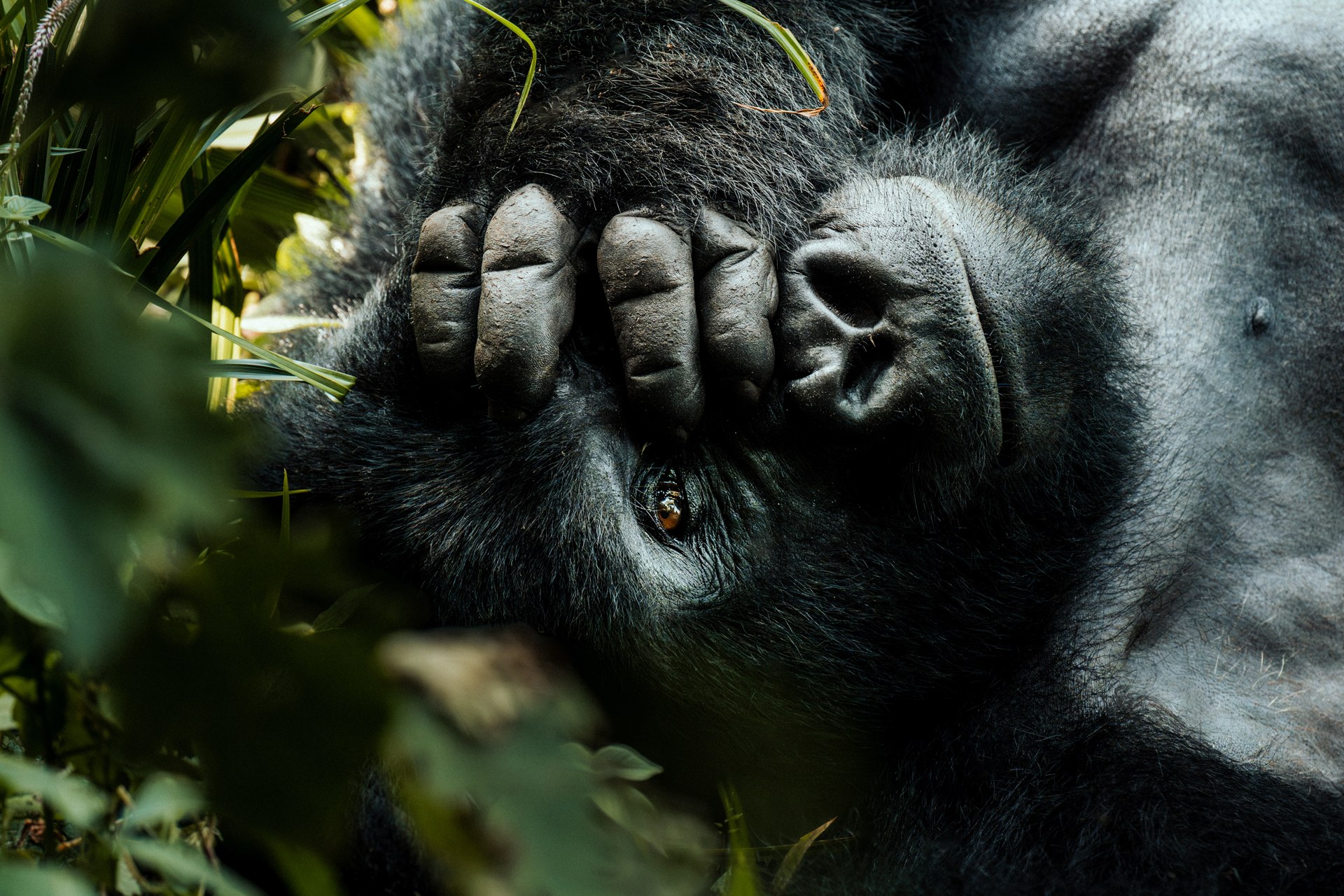
Gorilla covering its face with its hand
Mountain Gorilla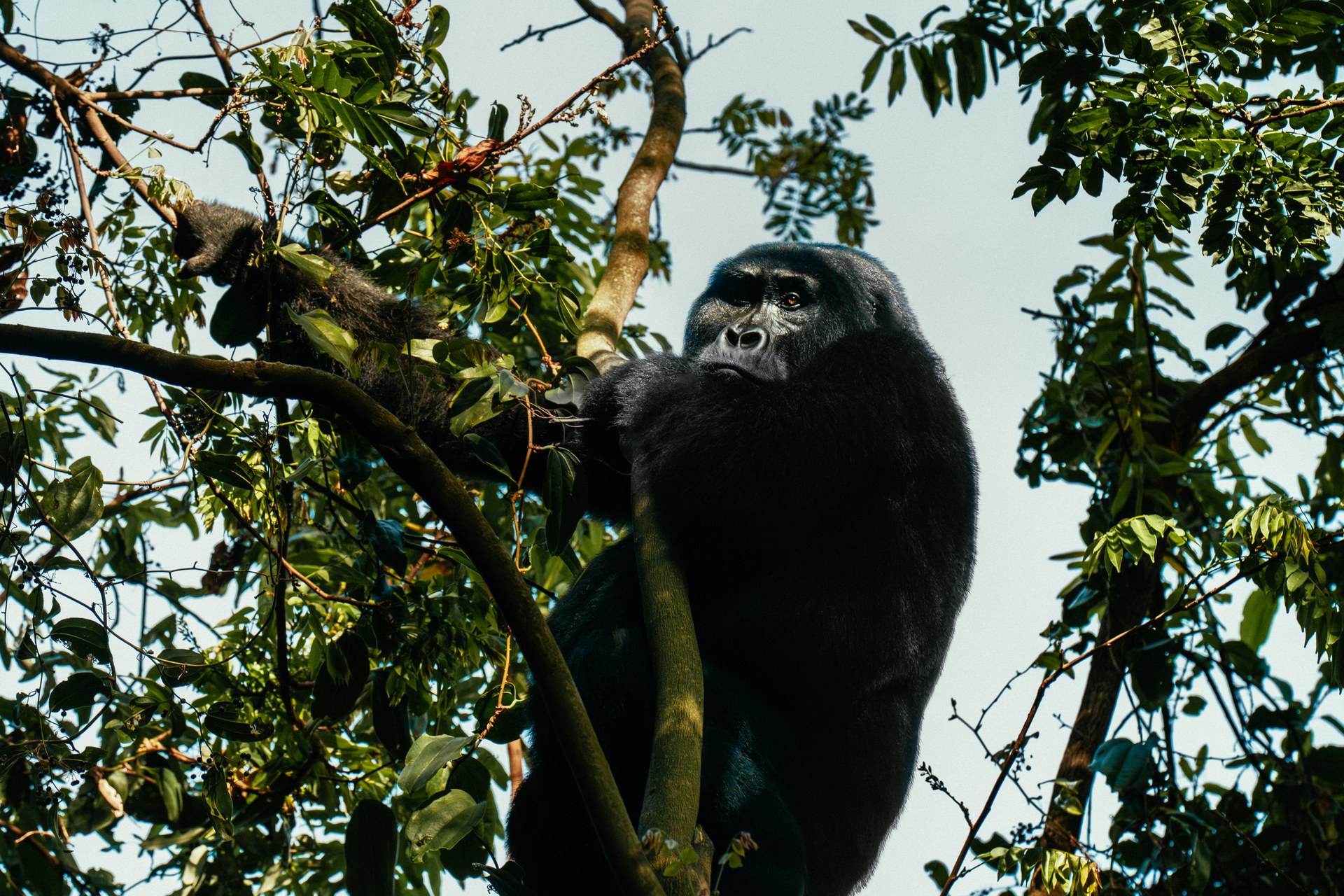
Silverback sitting majestically in Bwindi rainforest
Mountain Gorilla (Silverback)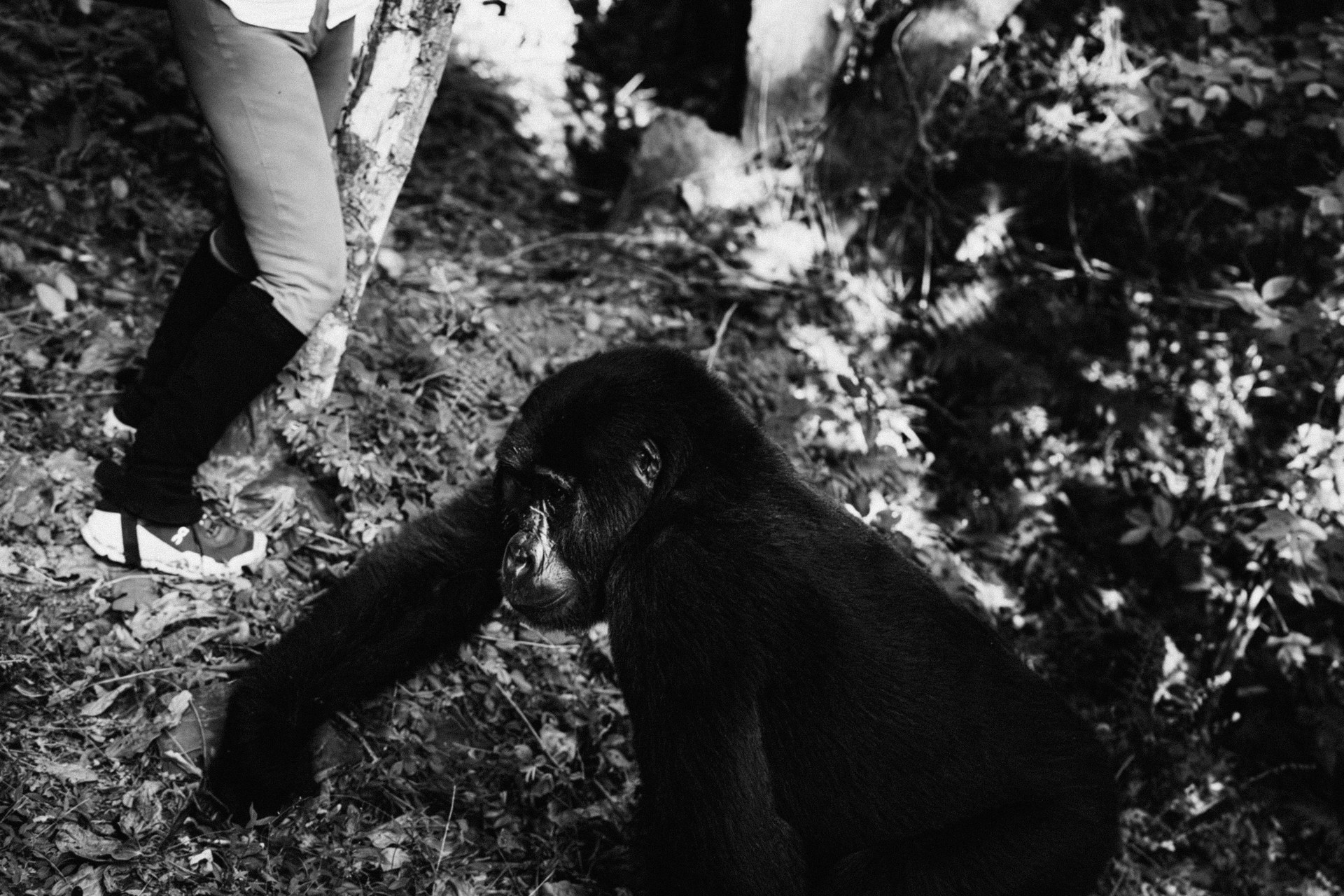
Young mountain gorilla on the forest floor in Bwindi
Mountain Gorilla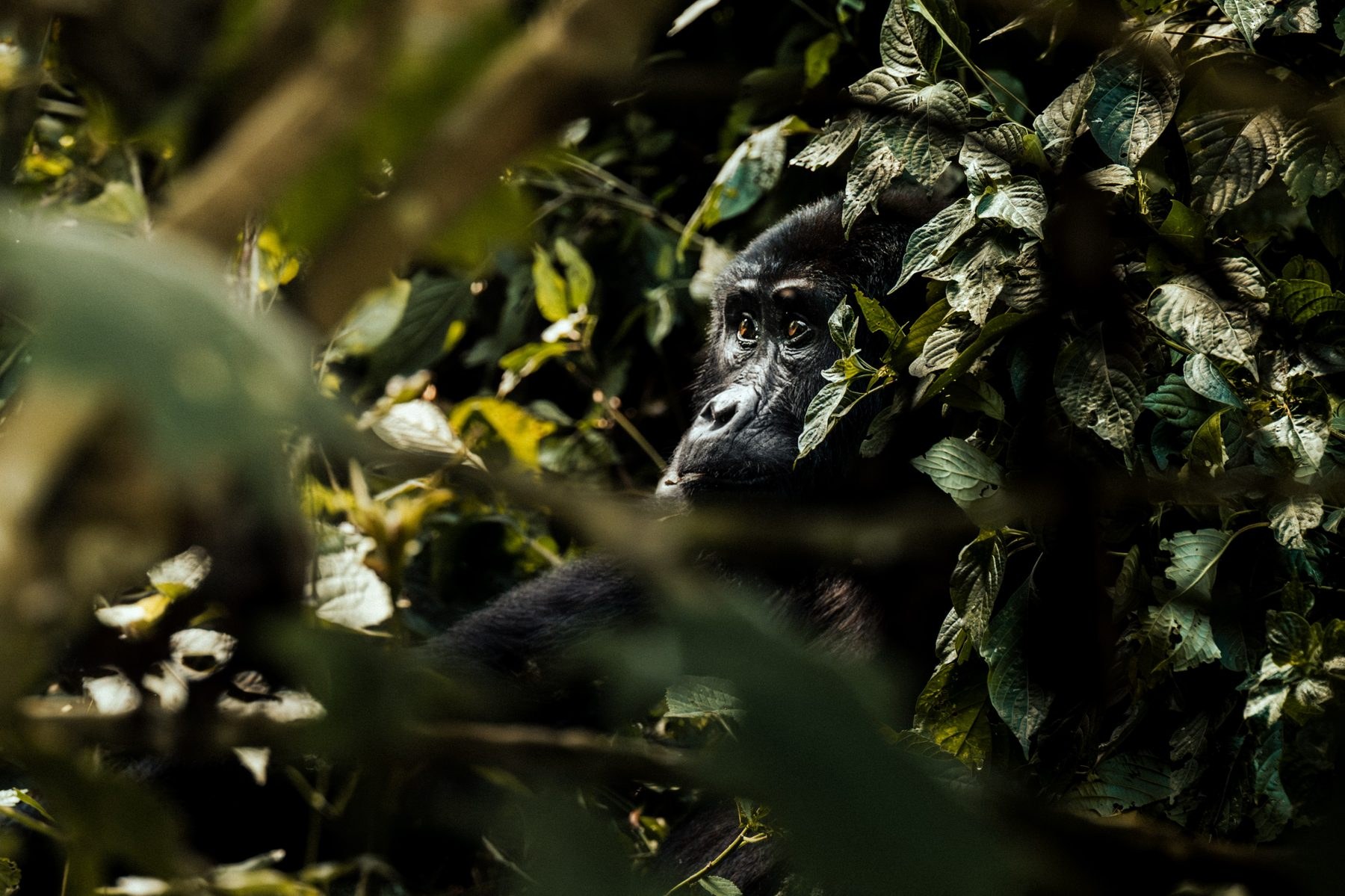
Gorilla in the thickets of Bwindi Impenetrable Forest
Mountain Gorilla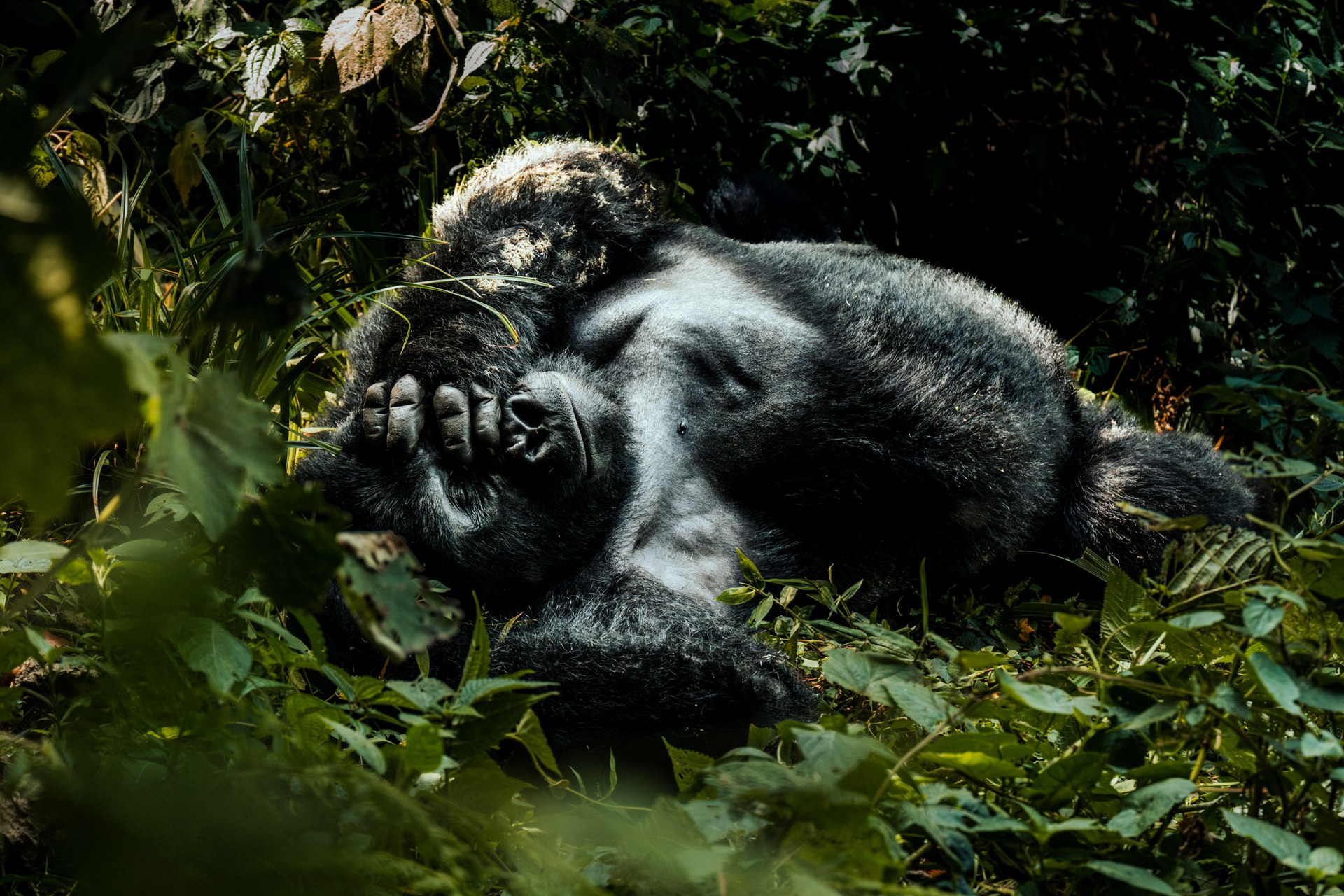
Silverback resting in the dense greenery of Bwindi
Mountain Gorilla (Silverback)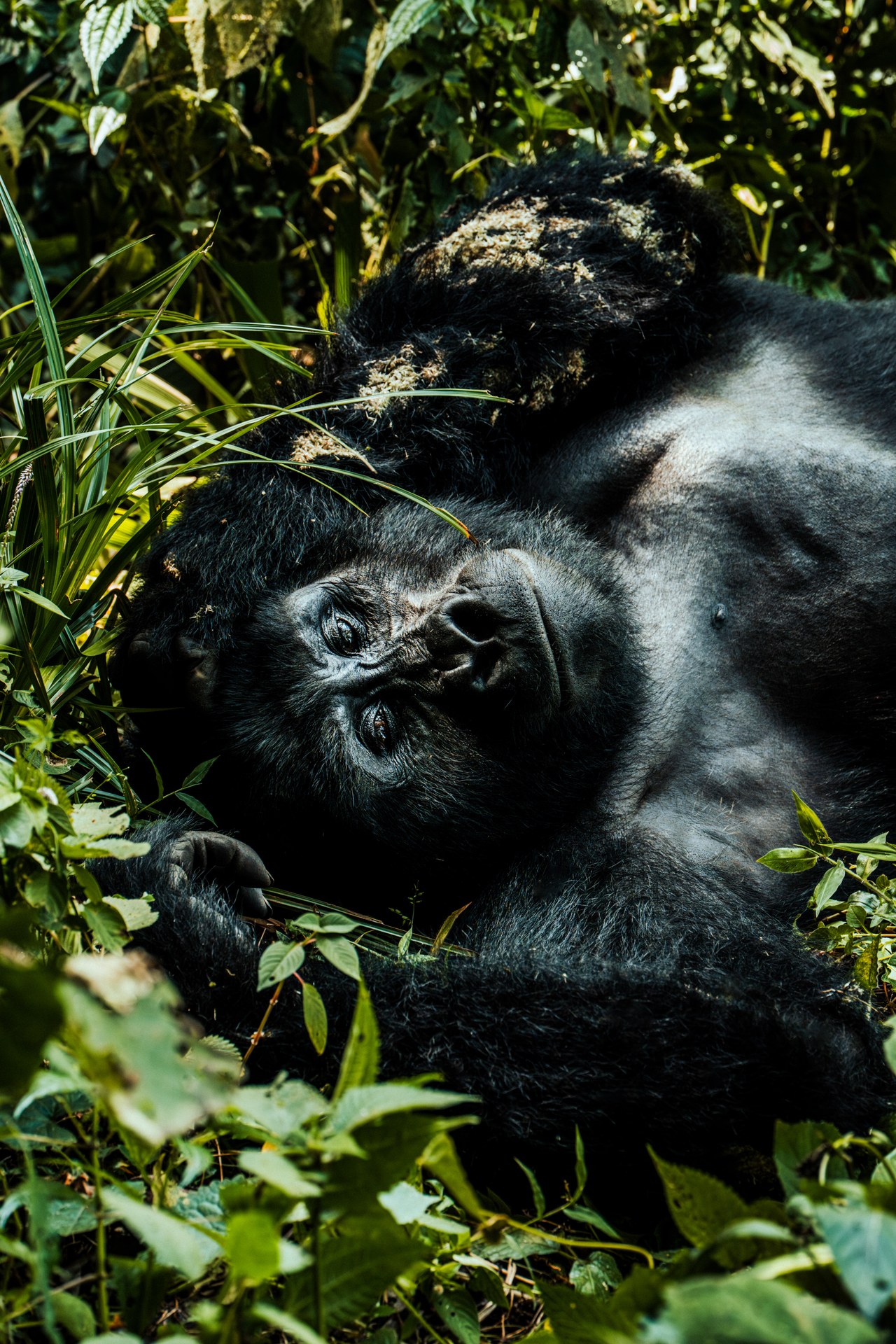
Silverback resting in the thickets of Bwindi forest
Mountain Gorilla (Silverback)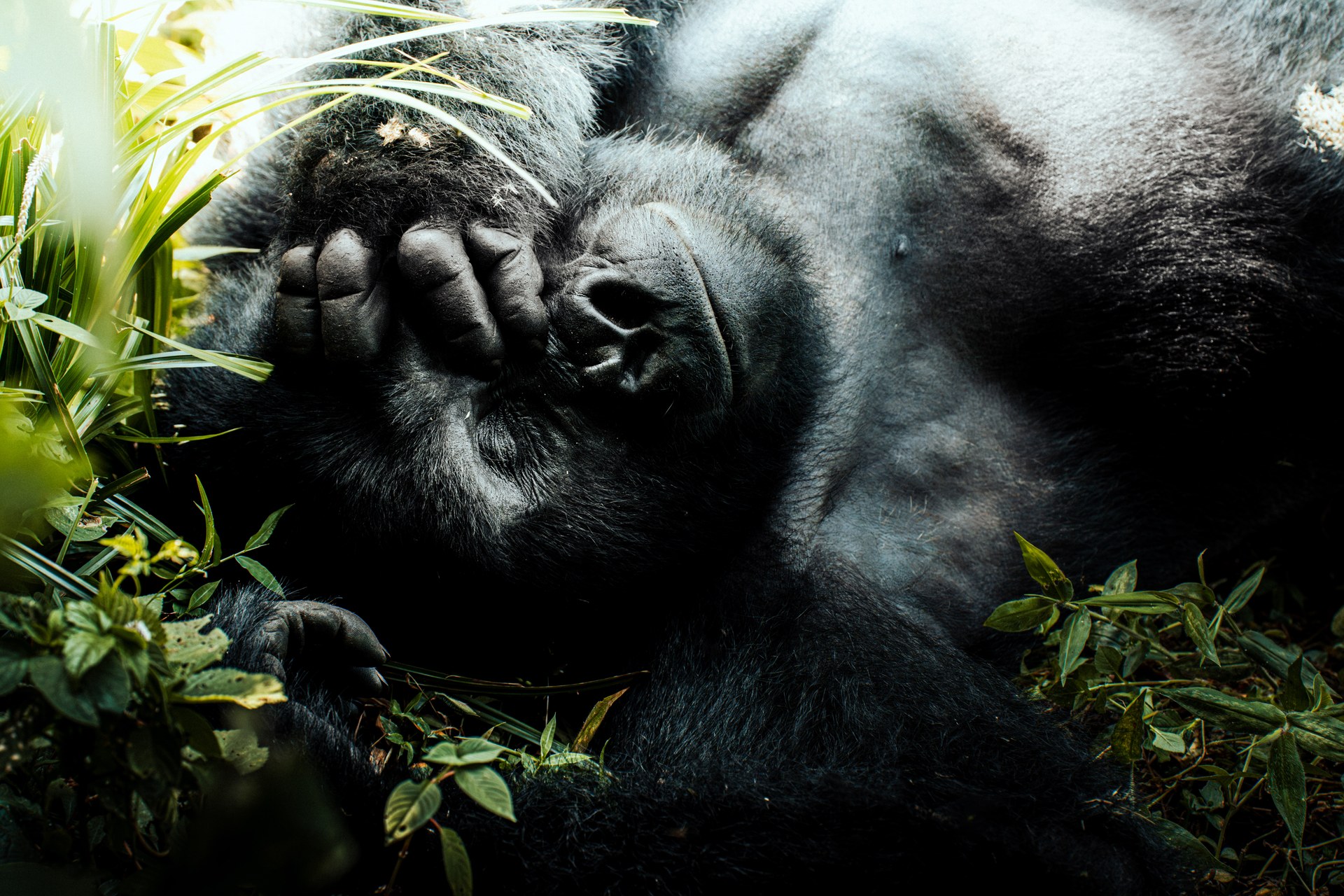
Silverback resting in Bwindi Impenetrable Forest
Mountain Gorilla