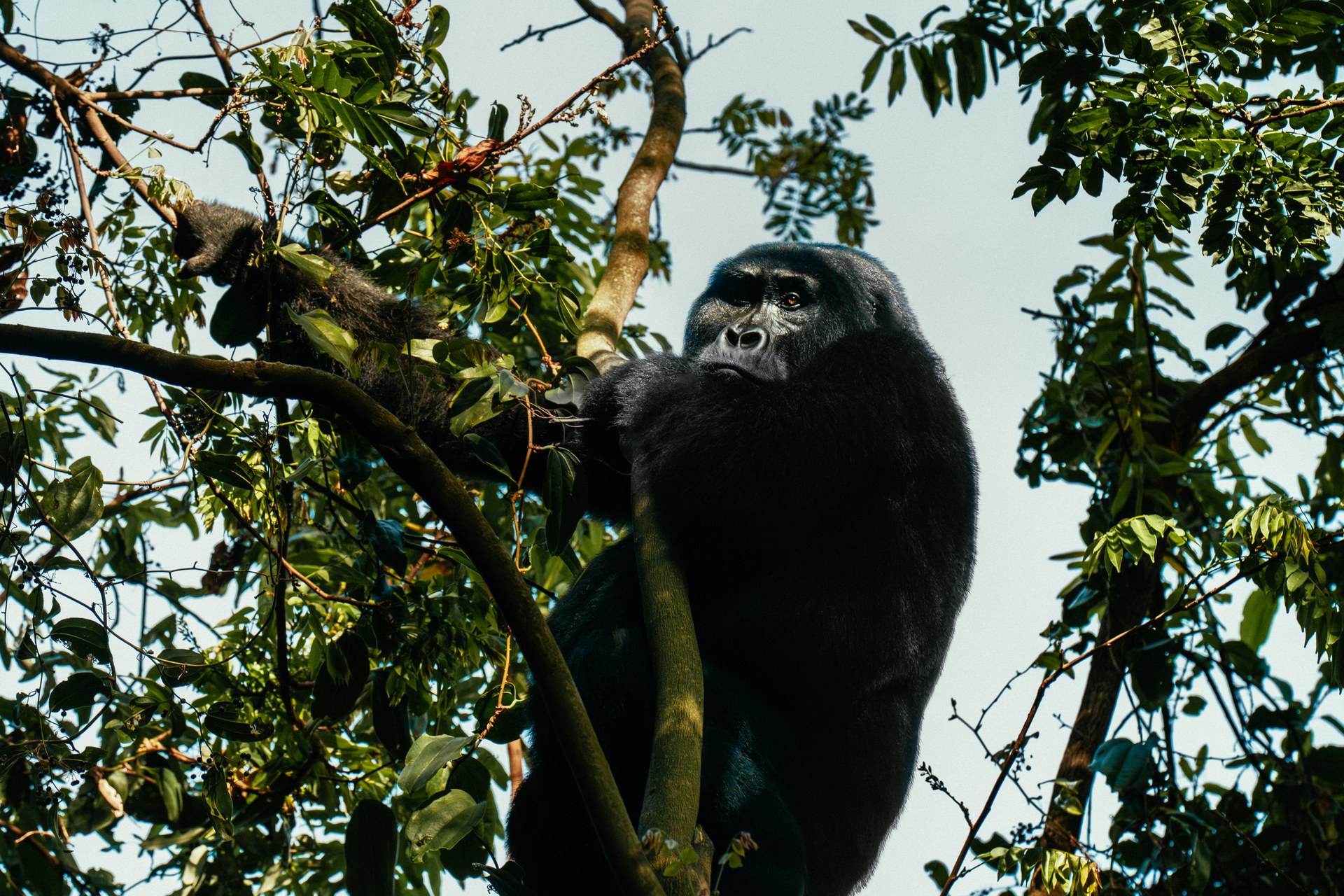
From the Brink of Extinction
In the early 1980s, the mountain gorilla appeared destined for extinction. Surveys estimated the total wild population at fewer than 250 individuals, fragmented between the Virunga volcanoes and the forests of what would become Bwindi Impenetrable National Park. Poaching, habitat conversion to agriculture, civil war in neighbouring countries, and a near-total lack of veterinary support had driven the subspecies to a population level from which many species never recover.
The turnaround began with the establishment of robust protected areas and the recognition that gorilla tourism could generate revenue far exceeding any extractive use of the forest. Bwindi was gazetted as a national park in 1991 and inscribed as a UNESCO World Heritage Site in 1994. These designations brought international attention, funding, and technical support that transformed the park's management capacity.
The Economics of Protection
Gorilla tourism is the economic engine of conservation in Bwindi. At $800 per permit, with up to 72 permits available daily across the park's tourism groups, the revenue potential is substantial. When combined with park entry fees of $40 for foreign visitors, accommodation spending, transport, guides, and porters, gorilla tourism supports thousands of livelihoods across southwestern Uganda.
Uganda Wildlife Authority operates a revenue-sharing programme that directs a percentage of park income to communities in parishes bordering the park. These funds support schools, health centres, roads, and water systems. The principle is straightforward: communities that see tangible benefits from the park's existence have powerful reasons to protect it. While implementation has not been without challenges, the programme has measurably reduced hostility toward the park and contributed to a decline in poaching and illegal resource extraction.
Anti-Poaching and Law Enforcement
Bwindi's ranger force patrols the park's 321 square kilometres continuously, removing snares, intercepting illegal entries, and monitoring the forest's boundaries. Snares set for duikers and bushpigs remain one of the most persistent threats to gorillas, who can lose fingers or hands when caught in wire traps not intended for them. Rangers remove thousands of snares annually.
Gorilla tracking teams provide an additional layer of surveillance. Because every habituated group is visited daily, any changes in health, behaviour, or group composition are detected rapidly. Veterinary teams can be deployed within hours to sedate and treat injured gorillas, a capacity that has saved numerous lives and prevented the spread of infections that could threaten entire families.
Veterinary Intervention
The Gorilla Doctors programme, a partnership between the Mountain Gorilla Veterinary Project and national wildlife authorities, provides hands-on medical care to wild gorillas. Veterinarians intervene when gorillas suffer snare injuries, respiratory infections, or other conditions that could be fatal without treatment. Decisions to intervene are made carefully, weighing the risks of sedation and handling against the likely outcome without treatment.
Respiratory disease is a particular concern. Mountain gorillas are susceptible to human pathogens, and a respiratory outbreak in a small, concentrated population could have devastating consequences. Strict rules limit tourist proximity to seven metres, prohibit visits by anyone with symptoms of illness, and cap visit duration at one hour — all measures designed to reduce disease transmission risk.
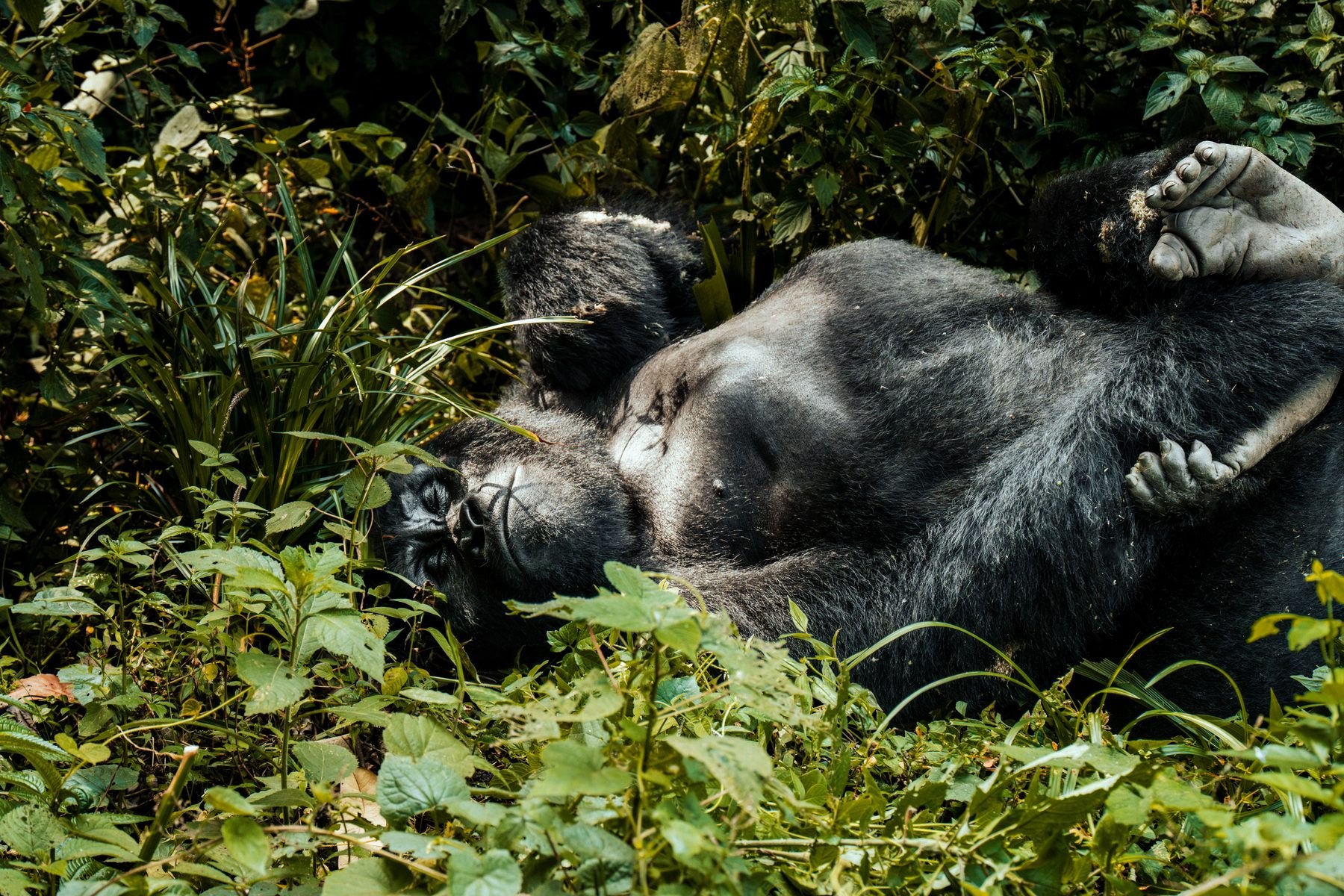
Silverback resting deep in Bwindi rainforest
Mountain Gorillas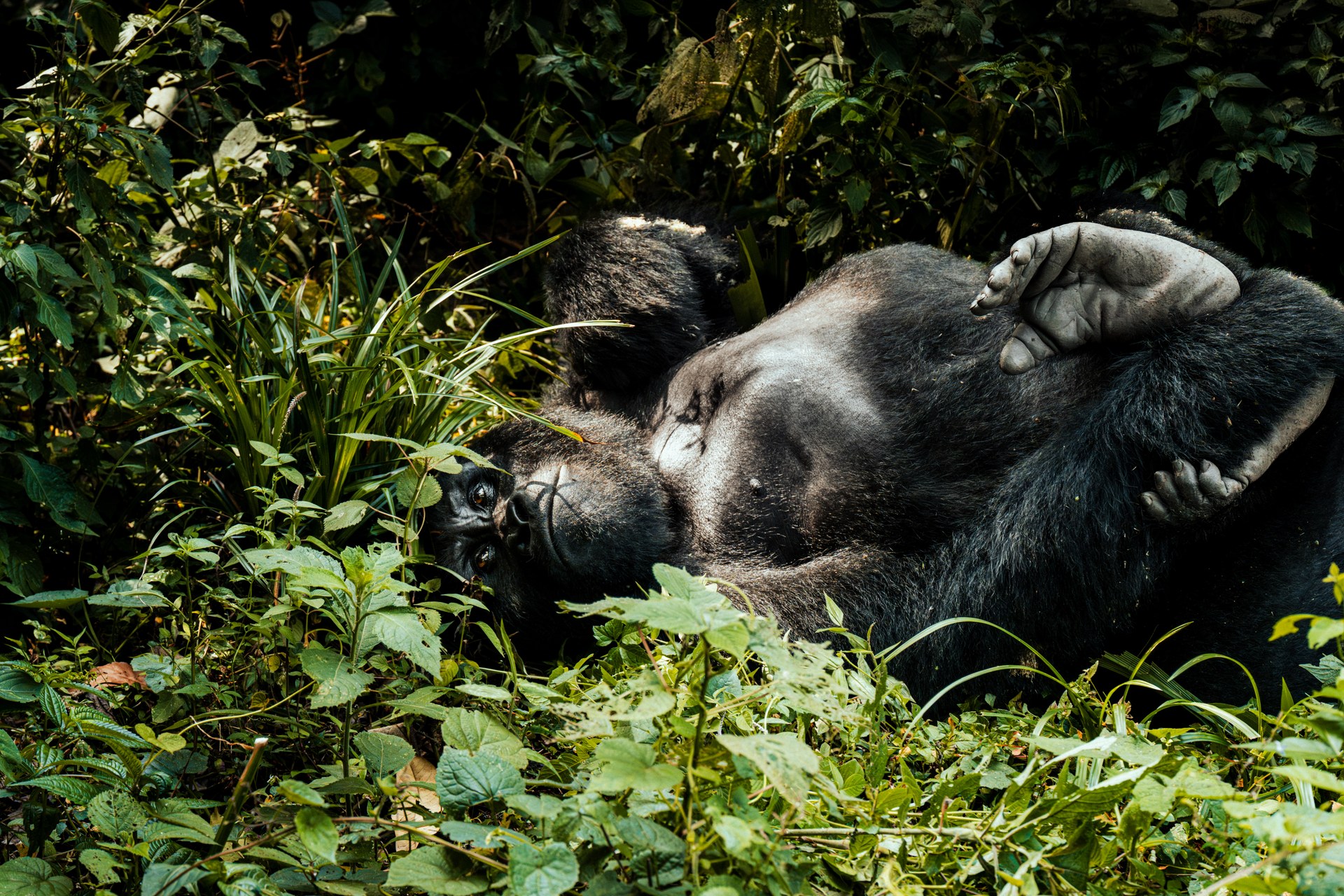
Silverback resting peacefully in Bwindi rainforest
Mountain Gorilla (Silverback)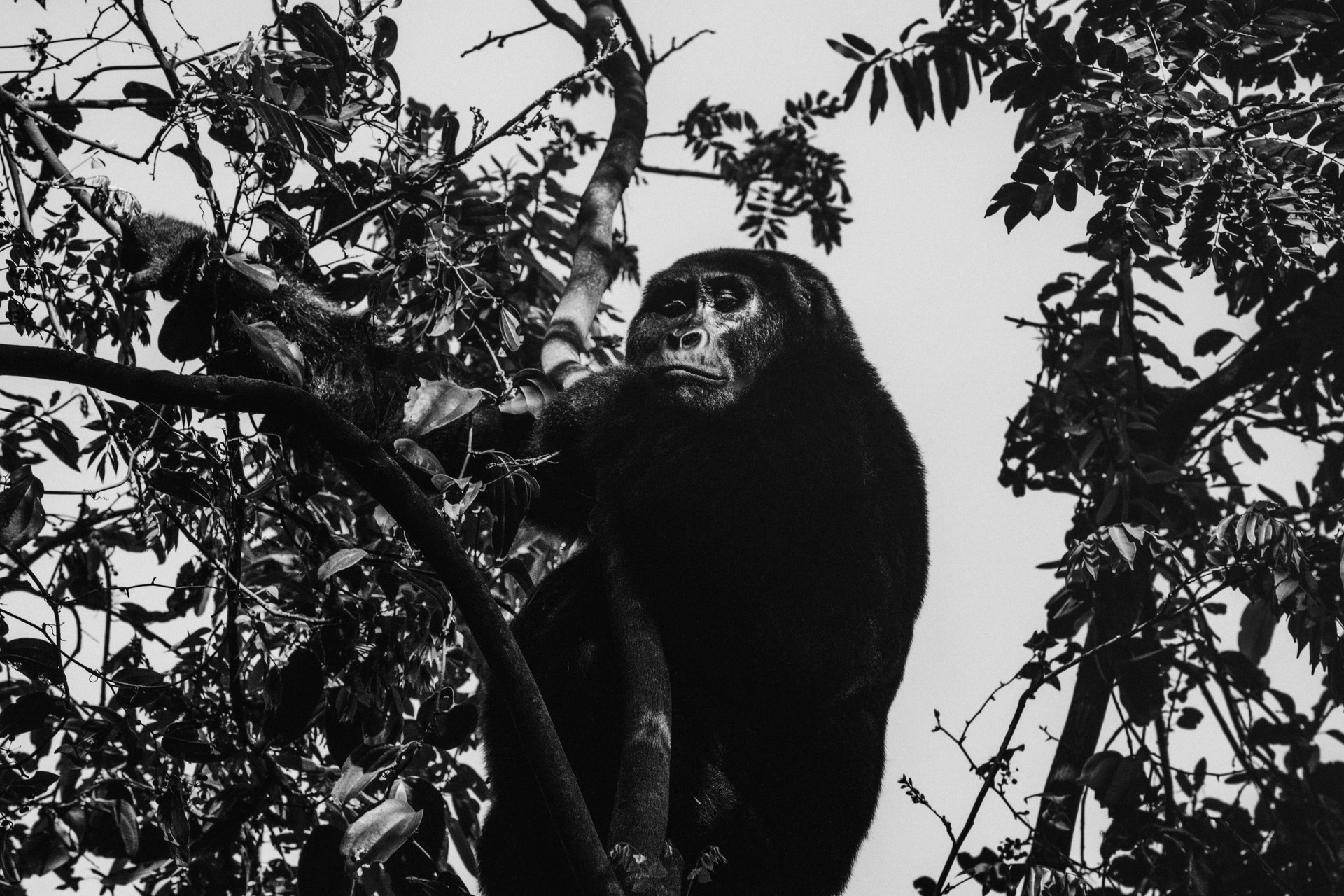
Mountain gorilla in Bwindi rainforest, a quiet gaze
Mountain Gorilla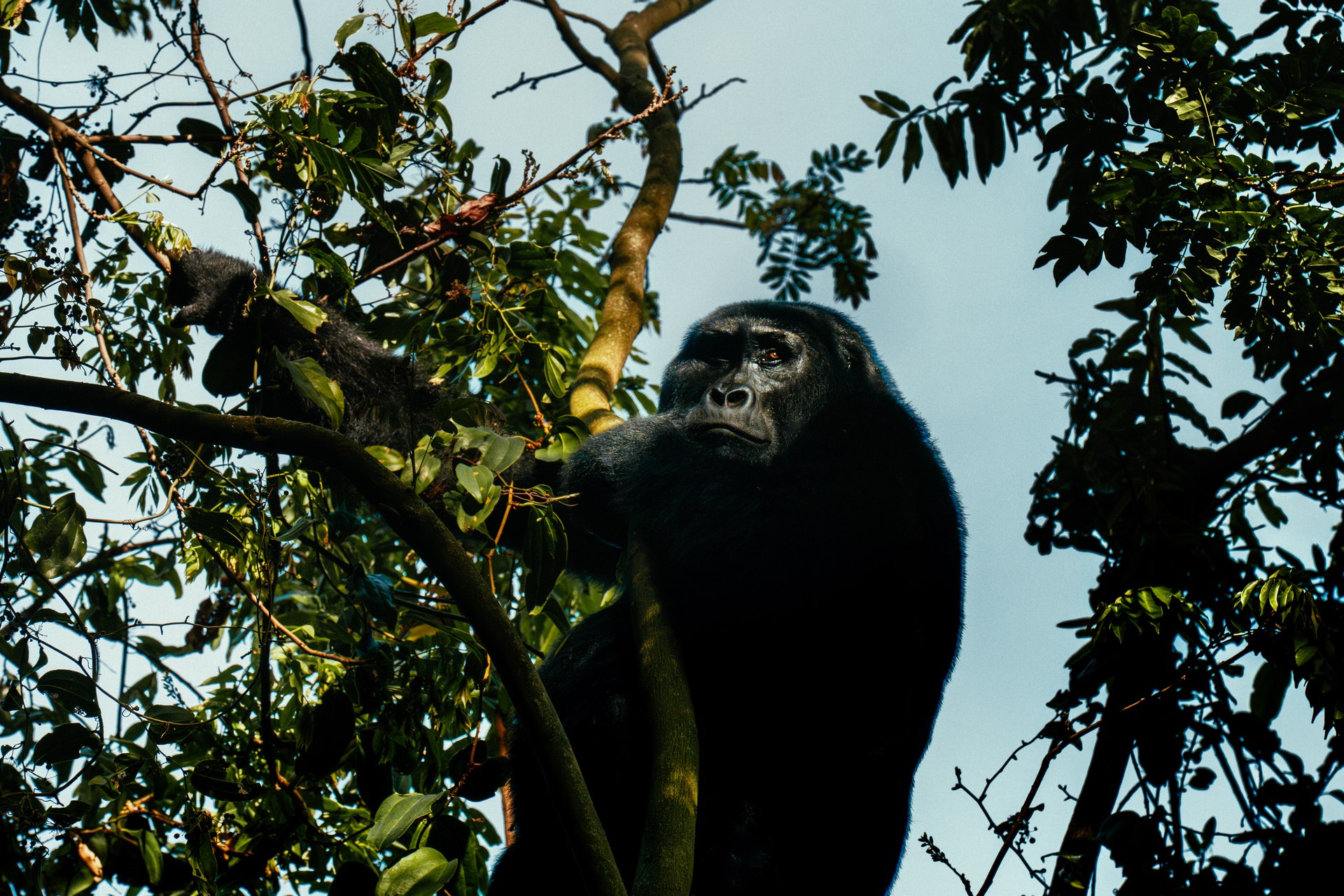
Mountain gorilla gazing down in Bwindi Impenetrable Forest
Mountain Gorilla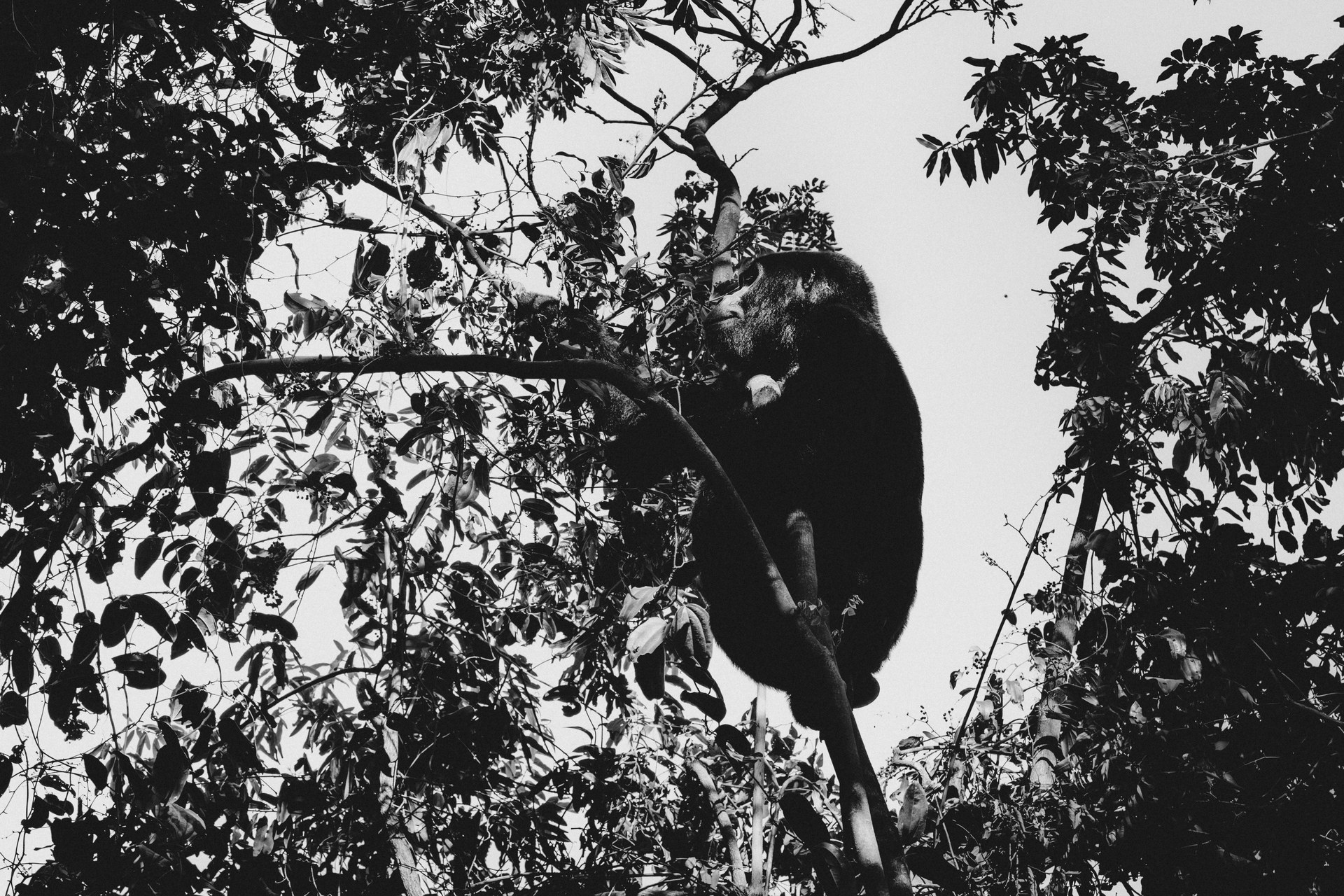
Gorilla in the canopy of Bwindi primeval forest
Mountain Gorilla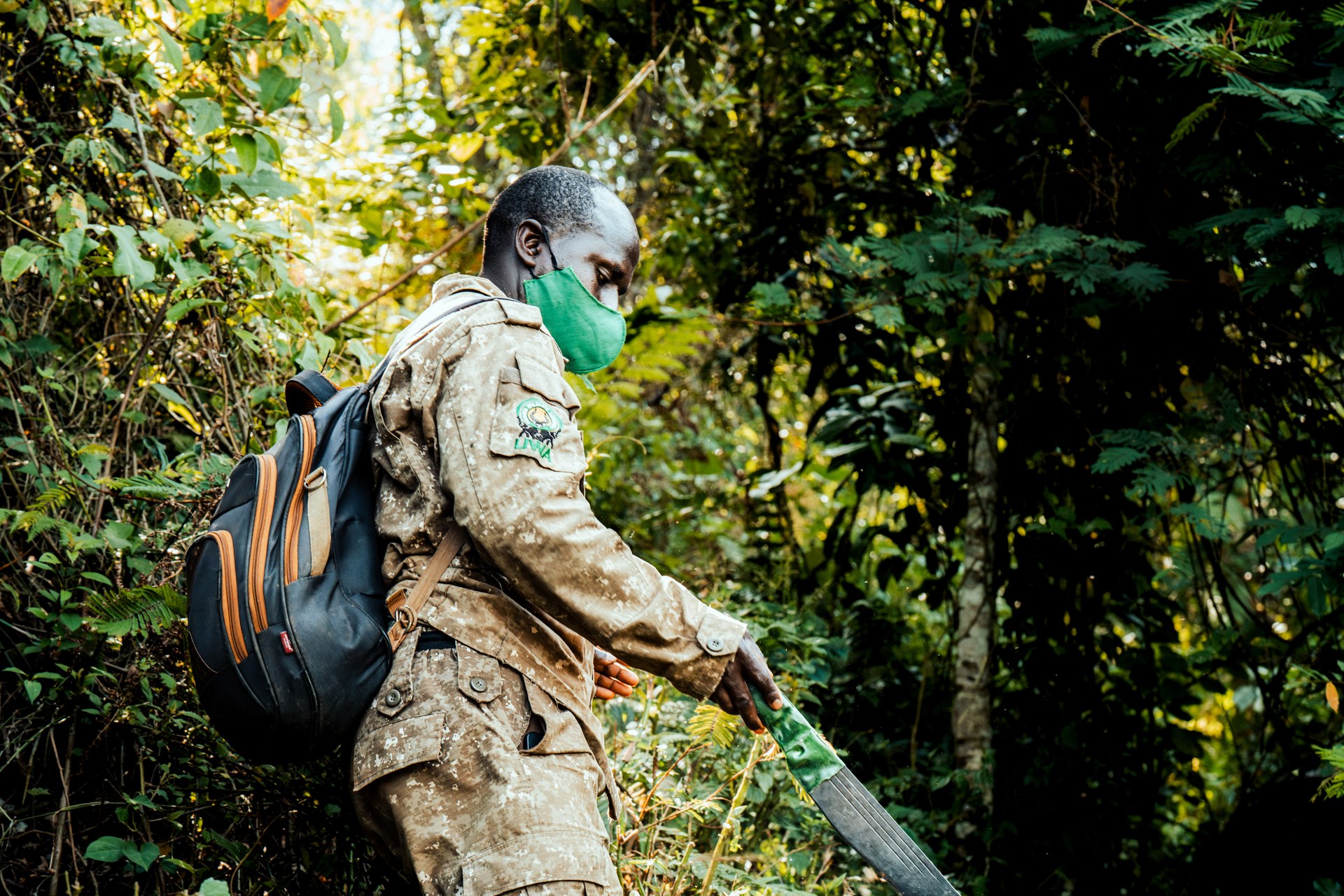
Ranger in Bwindi forest on the way to the gorillas
Community Conservation
The forests of Bwindi are surrounded by some of the most densely populated rural areas in Africa. Farming communities press against the park boundary on nearly all sides, and the tension between human land needs and wildlife protection is constant. Effective conservation in this context cannot rely on enforcement alone; it requires that local people see the park as an asset rather than an obstacle.
Multiple programmes work toward this goal. Beyond revenue sharing, community conservation initiatives include support for sustainable agriculture, beekeeping projects that create buffer zones along the park boundary, employment of local people as porters and guides, and cultural tourism projects that celebrate the heritage of the Batwa and Bakiga communities. These programmes are not perfect, and resentment toward the park persists in some areas, but the overall trajectory is toward greater coexistence.
The Road Ahead
The mountain gorilla's recovery is genuine and remarkable, but it is not irreversible. The entire subspecies occupies less than 800 square kilometres of habitat, and the two populations have no natural connection between them. A single catastrophic event — a pandemic, a volcanic eruption, a collapse of security — could undo decades of progress. Climate change introduces additional uncertainty, potentially altering the forest ecosystem in ways that affect food availability and disease dynamics.
Sustaining the recovery will require continued investment in all the strategies that have worked so far: park management, anti-poaching, veterinary care, community engagement, and tourism. It will also require adaptation to new challenges. Genetic management of small, isolated populations may become necessary. New monitoring technologies, including camera traps and genetic sampling, are already enhancing the capacity to track gorilla health and demographics. The conservation community's commitment to mountain gorillas remains strong, but vigilance cannot be relaxed.