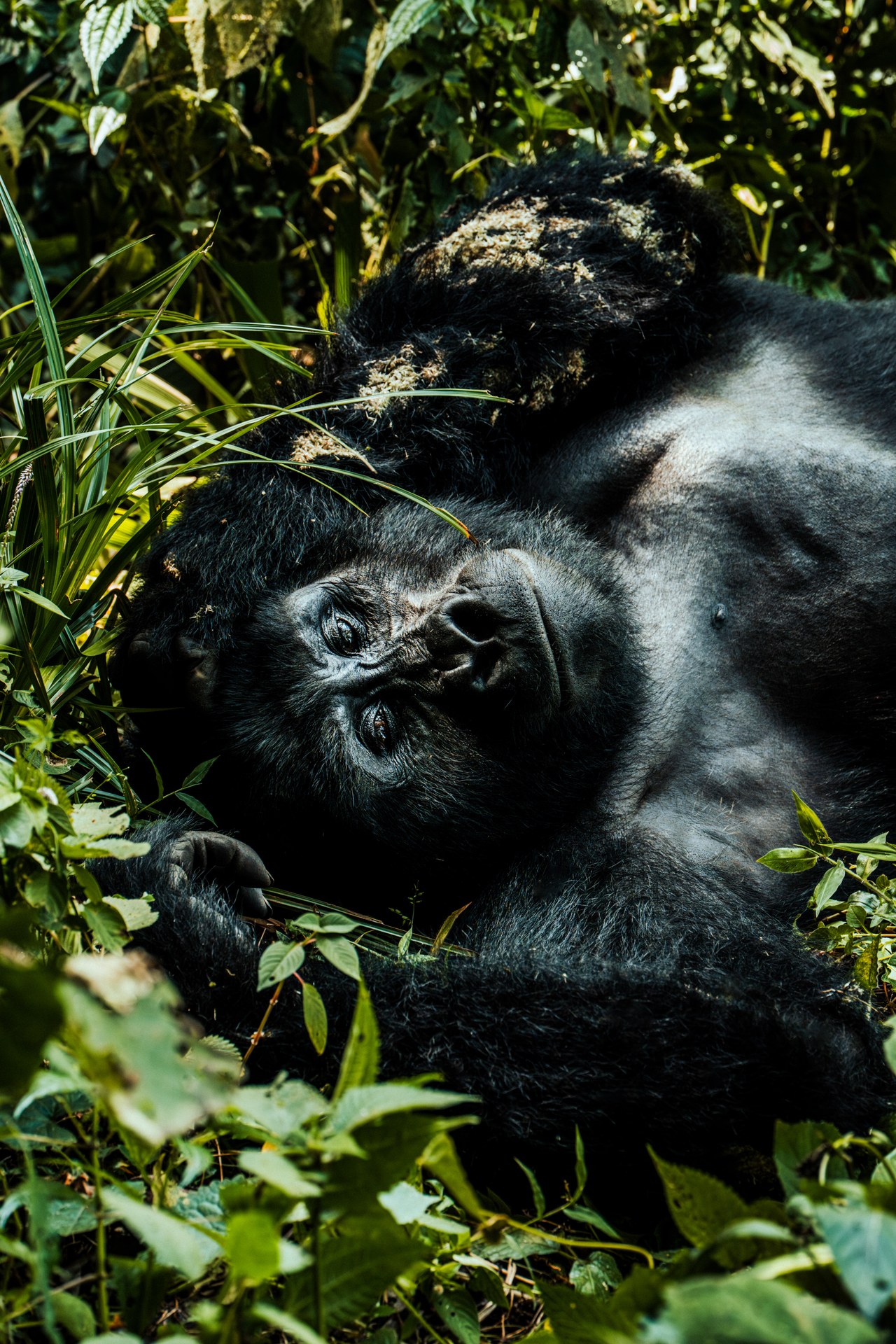
Beyond Standard Trekking
Standard gorilla trekking allows one hour with a fully habituated group. The habituation experience extends that to four hours, placing visitors alongside the research and tracking teams who are actively working to acclimatize a gorilla family to the neutral presence of humans. It is not merely a longer trek; it is a fundamentally different kind of encounter.
With only four visitors permitted per group per day, the experience is quieter, more personal, and more immersive. The extended time allows visitors to observe the full range of gorilla behaviour: feeding, grooming, play, rest, conflict resolution, and the subtle signals that govern social life within the group. Where a one-hour trek offers a vivid snapshot, the habituation experience provides something closer to a chapter.
What Habituation Means
Habituation is the process by which wild gorillas gradually become accustomed to the close presence of humans. It is not taming. The gorillas remain wild animals, living entirely on their own terms. What changes is their response to human proximity: over time, flight and aggression give way to tolerance and, eventually, apparent indifference.
The process typically takes two to three years of daily visits by a dedicated tracking team. In the early stages, the gorillas may flee at the first sign of human approach, requiring hours of patient following through dense undergrowth. As weeks and months pass, the trackers are able to approach more closely, maintaining calm body language and producing soft vocalizations that mimic gorilla contact calls. Each day builds on the last, and the gorillas gradually accept that these particular humans pose no threat.
The patience required is extraordinary. A single incident — a startling noise, an unexpected movement, a too-rapid approach — can erode weeks of progress. Trackers develop an intuitive understanding of each individual gorilla's temperament and thresholds, adjusting their behaviour accordingly. It is a relationship built on consistency and respect, and the skill of Bwindi's tracking teams is widely regarded as among the finest in the world.
The Experience in Practice
Visitors meet at the Rushaga sector headquarters for a morning briefing, typically at 7:30 AM. After an overview of rules and expectations, the group sets out with rangers, trackers, and researchers. The walk to the gorillas may take anywhere from thirty minutes to several hours, depending on where the group nested the previous night.
Once the gorillas are located, the dynamic shifts. Movements become slow and deliberate. Voices drop to whispers. The trackers position the visitors where they can observe without disturbing, and the four-hour clock begins. During this time, visitors witness behaviours rarely seen on standard treks: extended feeding sequences, complex social interactions, silverback displays at close range, and the quiet intimacy of gorilla family life unfolding at its own pace.
The gorillas being habituated may be more reactive than fully habituated groups. A young silverback may display nervously. A female may move her infant out of sight. These moments of tension are part of the experience — reminders that habituation is an active, ongoing process and that the gorillas are making their own decisions about how much closeness they will permit.
Physical Demands
The habituation experience is more physically demanding than standard trekking. The extended duration, combined with the often-remote locations of habituation groups, means visitors should be prepared for a full day in the forest. The terrain in Rushaga is steep and uneven, with trails that can be muddy and overgrown. Thick vegetation may require pushing through undergrowth, and stream crossings are common.
A reasonable level of cardiovascular fitness is important. Visitors should be comfortable walking for several hours on uneven ground and spending extended periods standing or crouching. Hiking poles are strongly recommended, as are waterproof boots with good ankle support. Porters are available at the trailhead and are well worth engaging — they carry your daypack and provide steadying support on difficult sections, while earning income that supports the local community.
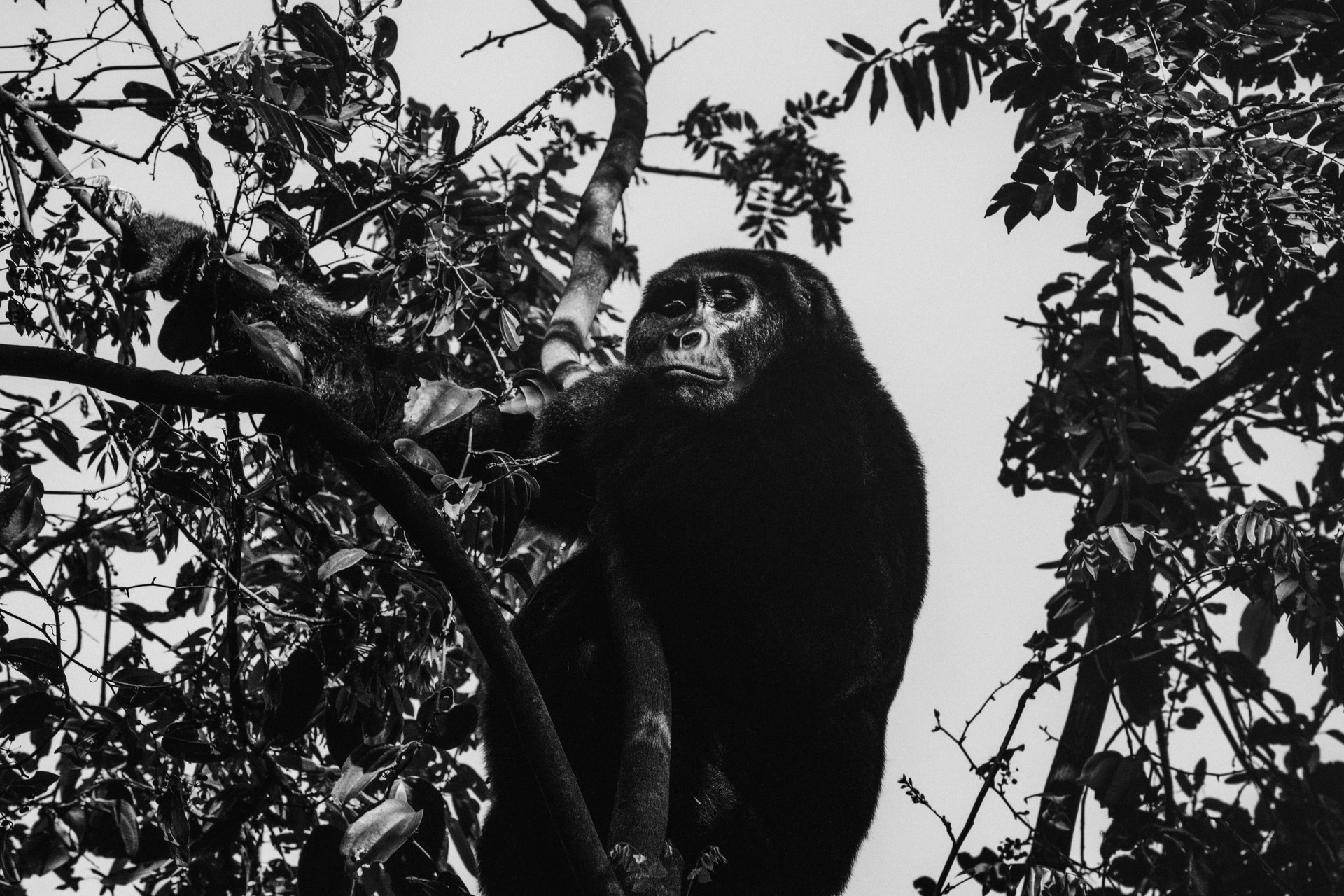
Mountain gorilla in Bwindi rainforest, a quiet gaze
Mountain Gorilla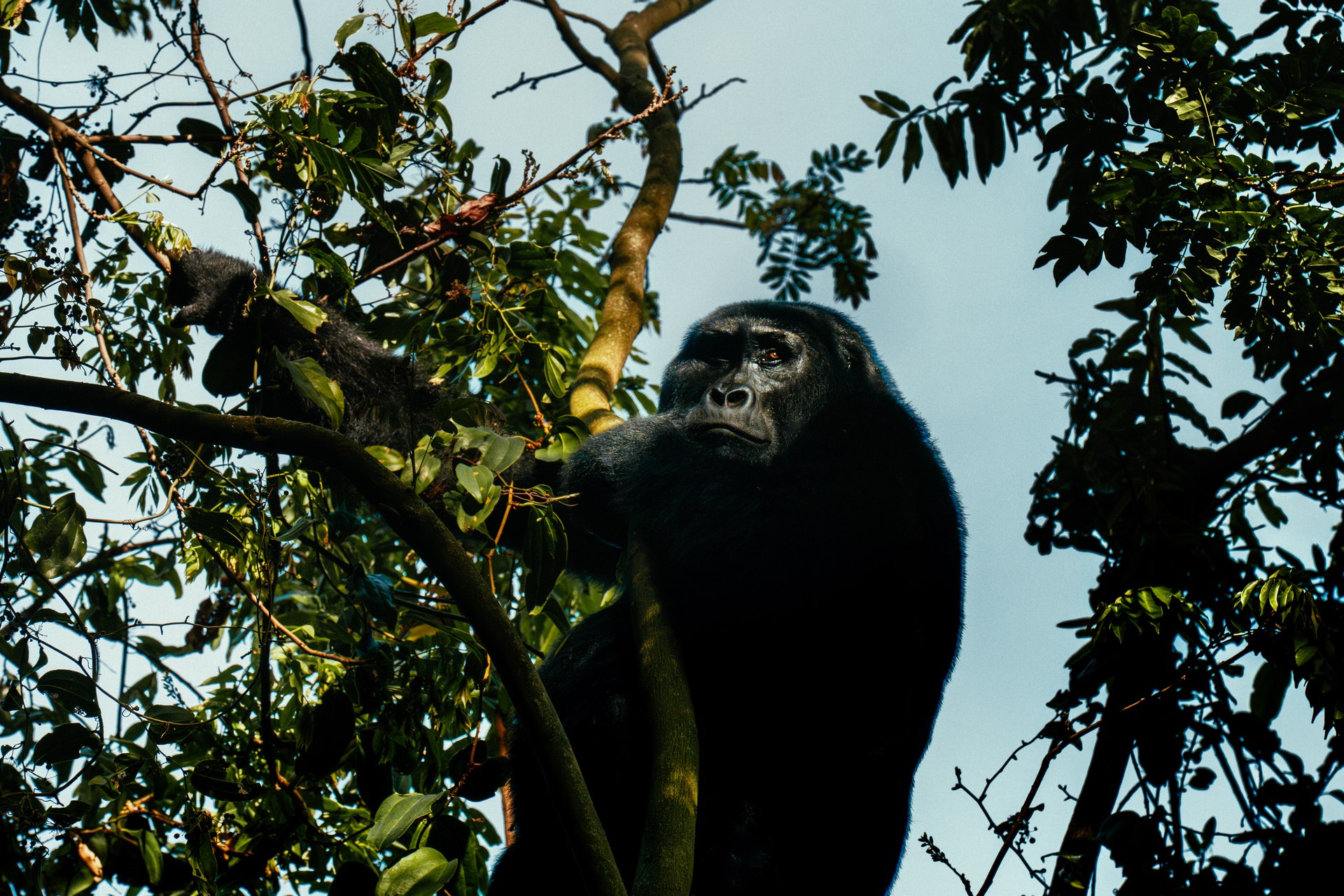
Mountain gorilla gazing down in Bwindi Impenetrable Forest
Mountain Gorilla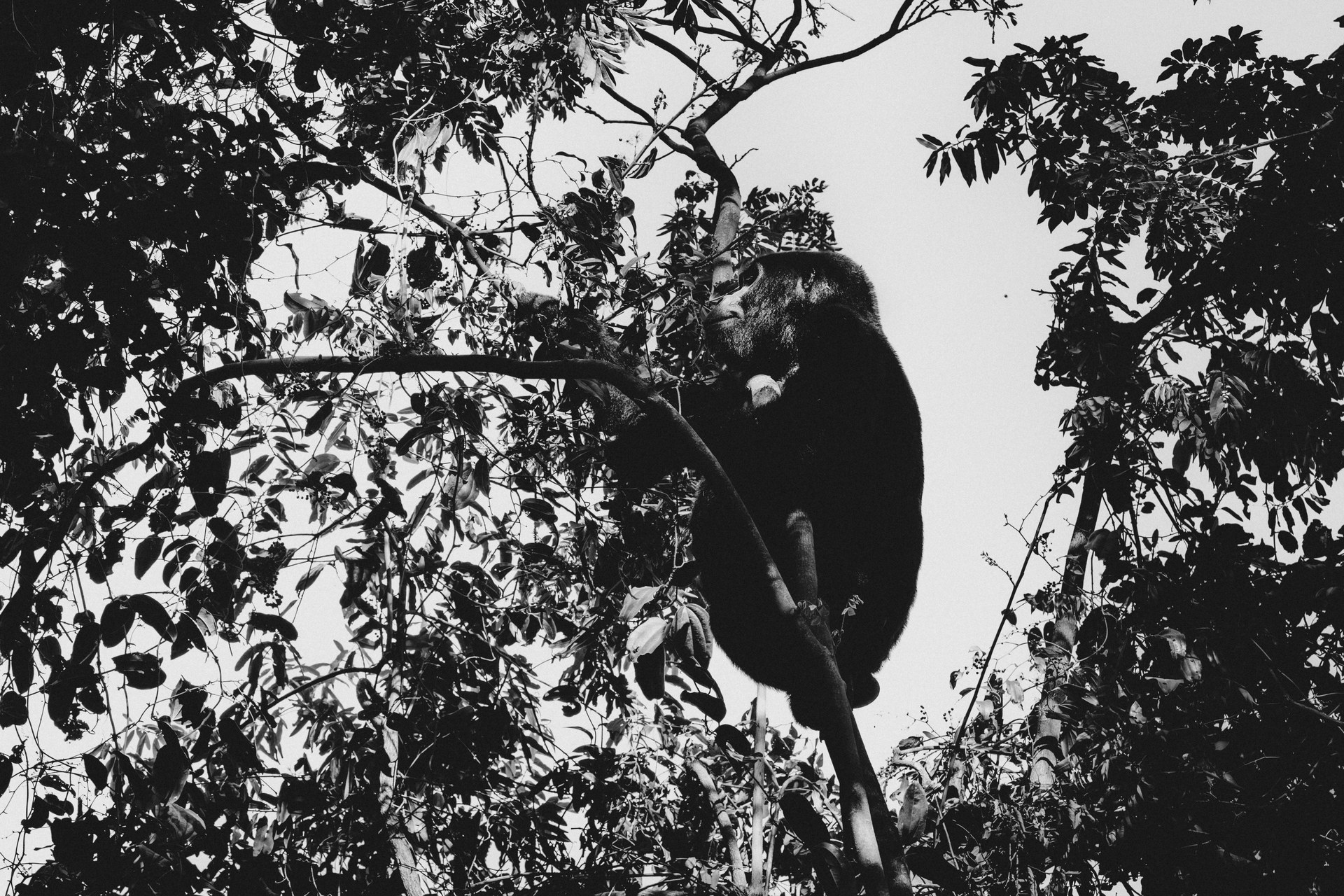
Gorilla in the canopy of Bwindi primeval forest
Mountain Gorilla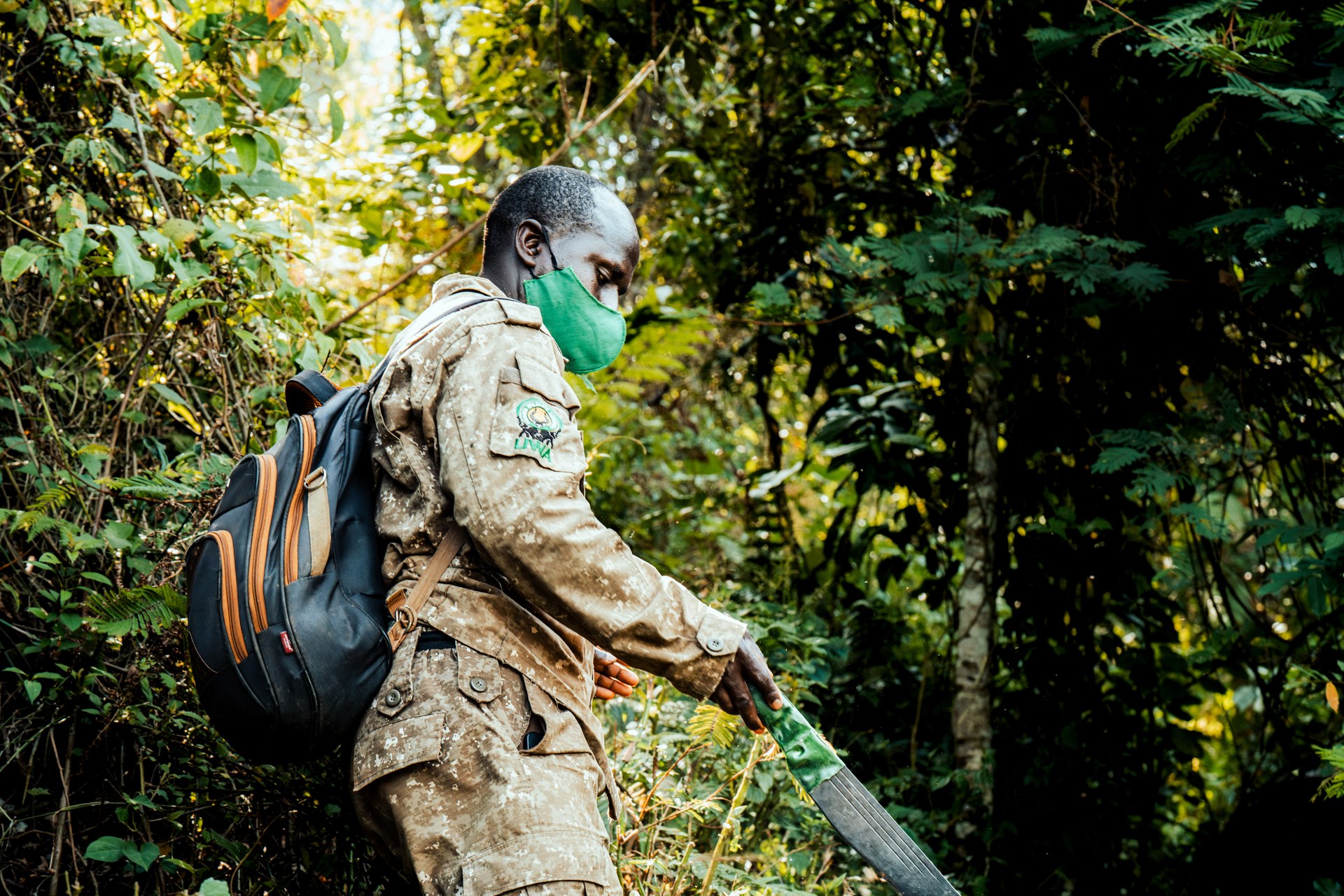
Ranger in Bwindi forest on the way to the gorillas
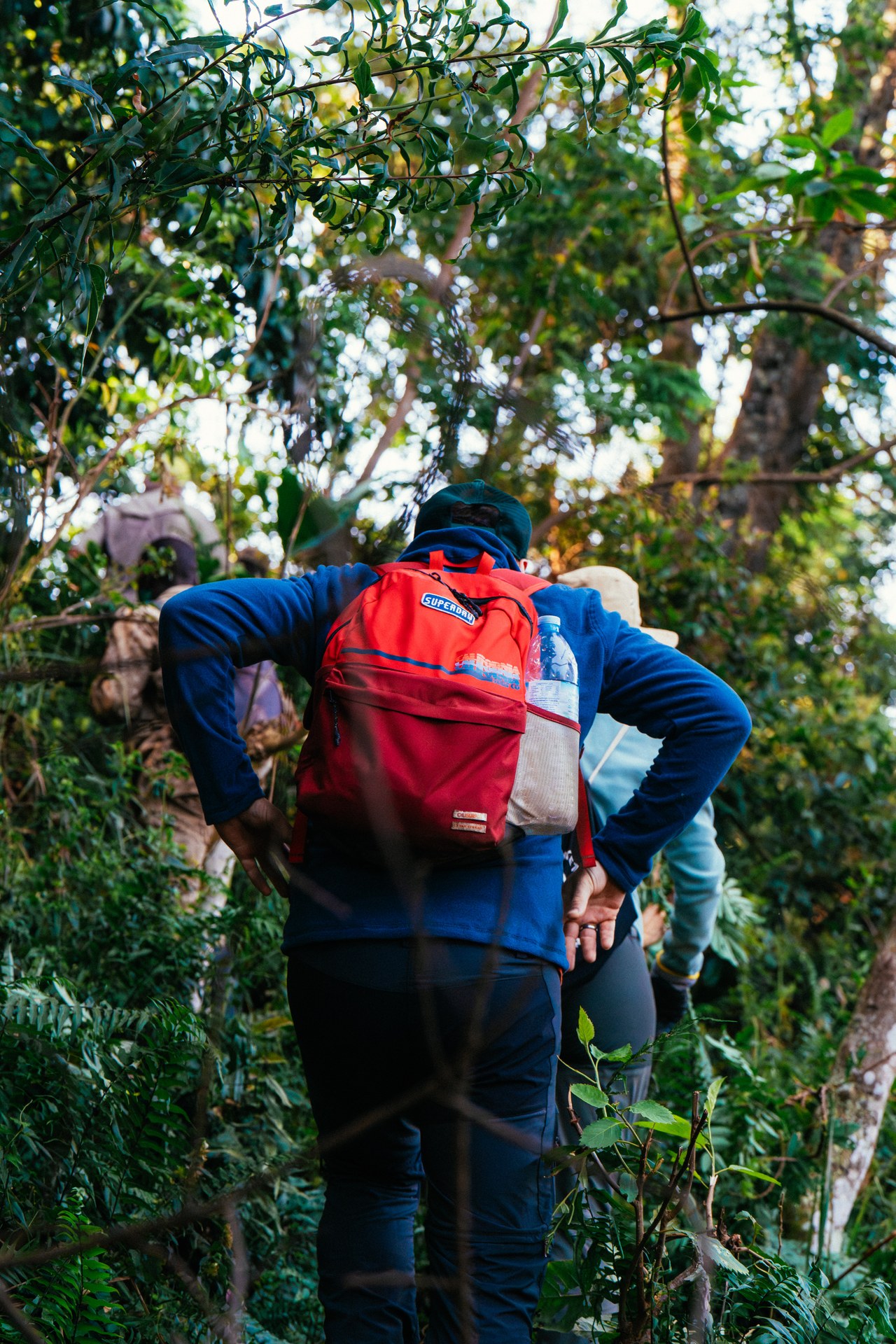
Gorilla trekking in Bwindi: the path through the rainforest
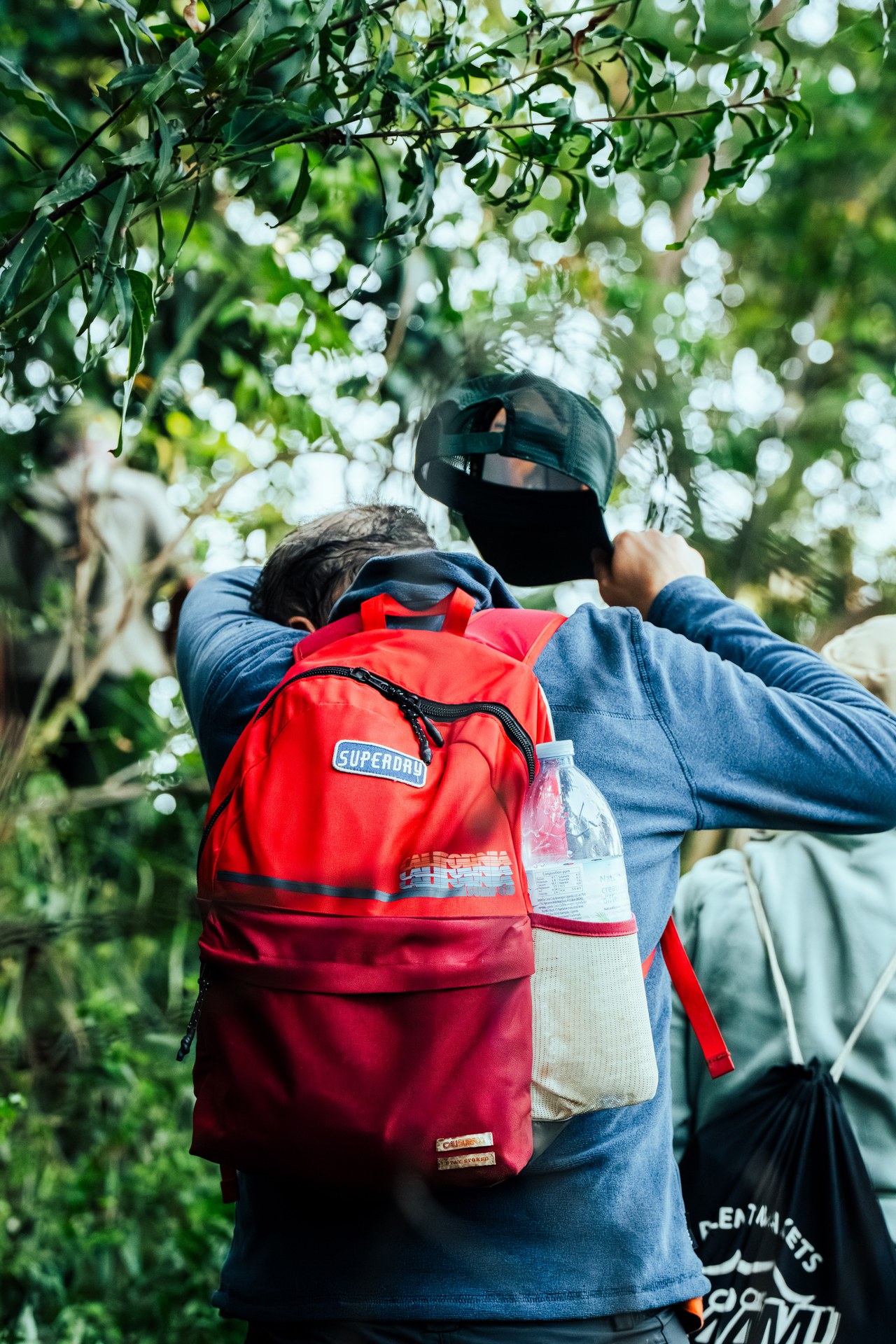
Preparing for the adventure: gorilla trekking in Bwindi
Permits and Booking
Habituation experience permits cost $1,500 per person, nearly double the standard trekking permit. The higher price reflects the extended duration, smaller group size, and the unique nature of the experience. Permits are managed by Uganda Wildlife Authority and should be booked as far in advance as possible. Peak season demand, particularly during June to September and December to February, means permits can sell out months ahead.
The habituation experience is available only in the Rushaga sector, which is accessible from Kisoro and Kabale towns. Accommodation options in the area range from luxury lodges to mid-range guesthouses and budget campsites. Most visitors arrive the evening before their scheduled habituation and depart the following day, though the richness of the Rushaga area merits a longer stay.