What Is Gorilla Habituation
Habituation is the process by which wild gorillas are gradually conditioned to tolerate the neutral presence of humans at close range. It is not taming. The gorillas remain entirely wild, ranging freely through the forest and making their own decisions. What changes, over two to three years of daily contact by a small dedicated team, is that they cease to treat human observers as a threat.
The process begins with a ranger and tracker team visiting a target group every single day, maintaining a consistent and calm presence while the gorillas feed, rest, and move. In the early months, the gorillas may flee, charge, or display aggressively. Gradually, flight distances shorten. Charges become bluffs. The silverback begins to assess the humans with curiosity rather than alarm. Eventually the group tolerates close observation without altering its behaviour. Only then is the group certified as habituated and opened to visitors.
The Institute of Tropical Forest Conservation (ITFC) has been closely involved in habituation research in Bwindi since the early 1990s, and the Uganda Wildlife Authority management plan explicitly identifies over-habituation as a formal risk to be managed: each new group added to the tourism portfolio requires careful assessment of ranger capacity, health surveillance infrastructure, and the cumulative human contact that any individual gorilla group experiences in a day.
Buhoma Sector
Buhoma was the first sector in Uganda to open gorilla trekking, and it remains the most historically significant. Three gorilla families are habituated here.
The Mubare groupwas habituated in April 1993, making it the first gorilla family anywhere in Uganda to receive paying visitors. Named after Mubare Hill, where the group was originally found, Mubare has experienced enormous change over three decades: the deaths of founding silverbacks, the departure and return of females, and periods when the group dwindled to a handful of individuals. It endures as a symbol of Bwindi's conservation story and continues to receive visitors.
The Habinyanja group was habituated not long after Mubare and grew to become one of the largest groups in the park. The tensions that accompany large group size eventually produced a split: a subordinate silverback broke away with several females and formed the Rushegura group. Rushegura is notable for its habit of ranging close to and occasionally outside the park boundary, a dynamic that the UWA management plan specifically flags as a factor requiring ongoing monitoring and adaptive response.
Nkuringo Sector
The Nkuringo gorilla family gives its name to the western sector of the park. The group was habituated in the early 2000s and is known for its hillside territory, which provides dramatic views across the Albertine Rift Valley to the Democratic Republic of Congo. Treks here often involve a steep descent followed by a demanding climb back out, and the setting is among the most spectacular in Bwindi.
The Nkuringo group has a history of boundary crossing, and this has made the sector particularly important to the work of the Human-Gorilla Conflict Resolution (HuGo) programme, which mediates between farmers and gorillas when the animals raid crops in neighbouring communities. The Conservation Through Public Health (CTPH) programme also maintains active disease surveillance here, given the group's regular contact with cultivated land. A strategically planted buffer of tea plants along part of the boundary has been trialled as a deterrent, since gorillas do not eat tea leaves.
Rushaga Sector
Rushaga, in the south, has the highest density of habituated gorilla groups in the park and is also the base for the gorilla habituation experience.
The Nshongi group was at one time the largest single gorilla group in Bwindi, with more than 36 members at its peak. The group has since undergone significant reorganization, and a breakaway faction led by a silverback named Kahungye eventually became the Kahungye group, now independently habituated and open to tourists. Other tourism groups in Rushaga include Bweza, Mishaya, Busingye, and Rwigi.
Rwigi is the group currently designated for the gorilla habituation experience (GHEX). This programme costs $1,500 per person, allows a maximum of four visitors, and permits up to four hours in the field with the habituation team. Unlike the standard trek, the GHEX offers visitors a window into the conditioning process itself: watching how trackers and rangers conduct their daily visits, how the gorillas respond, and how trust is built incrementally over months and years.
Ruhija Sector
Ruhija sits at approximately 2,300 metres above sea level, the highest of Bwindi's four sectors. The forest here is cool, misty, and draped in moss — a high-altitude habitat that supports some of the park's most unusual ecological communities and its greatest concentration of Albertine Rift endemic birds.
The Bitukura groupis one of Ruhija's best-known families and is frequently described as among the most relaxed habituated groups in the park. With between 13 and 15 individuals and an unusual configuration of multiple silverbacks coexisting within a single group, Bitukura offers visitors a rare opportunity to observe male social dynamics. The Oruzogo group, also based in Ruhija, ranges through more challenging terrain but is equally well-established as a tourism group.
The Kyaguriro groupis Bwindi's designated research group, reserved exclusively for scientific study by the ITFC and approved researchers. Kyaguriro is not open to tourism under any circumstances. Its isolation from tourist contact is deliberate: the group provides a behavioural and ecological baseline against which data from tourism groups can be compared, and the unfiltered observational access it offers to researchers has produced some of the most significant published findings on mountain gorilla biology.
The Habituation Debate
The UWA management plan lists the tension between expanding the number of habituated groups to increase tourism revenue and the risks that additional habituation brings as a formal challenge to be managed: elevated disease exposure, increased human contact per individual gorilla, and the welfare implications for groups that may not be suited to regular tourist visits. The question of what the optimal number of habituated tourism groups looks like has no settled answer.
Revenue from permits flows directly back into park management and community benefit funds, and every additional tourism group potentially strengthens the conservation case for protecting the forest. But habituation is irreversible: a group accustomed to humans will approach humans, including poachers, with reduced caution. The ITFC research mandate, which maintains Kyaguriro as a tourism-free control group, reflects a consensus that science requires at least one family observed under natural conditions.
How Groups Are Assigned to Visitors
Uganda Wildlife Authority manages permit allocation through a centralised system. Visitors arrive at their sector headquarters for an 8:00 AM briefing, where rangers introduce the gorilla families available that day, outline the rules, and assess visitor fitness. Groups are then assigned with the aim of matching physical capacity to anticipated trek difficulty. Trackers who departed at dawn report the location of each family by radio, which allows rangers to make last-minute adjustments if a group has moved unexpectedly close to or far from the trailhead.
Visitors choosing a specific sector do narrow the range of possible groups, but no guarantee can be made about which family will be assigned on the day. The unpredictability is, in part, what makes each trek unique: the gorillas are wild, and their movements follow the logic of the forest, not the preferences of visitors.
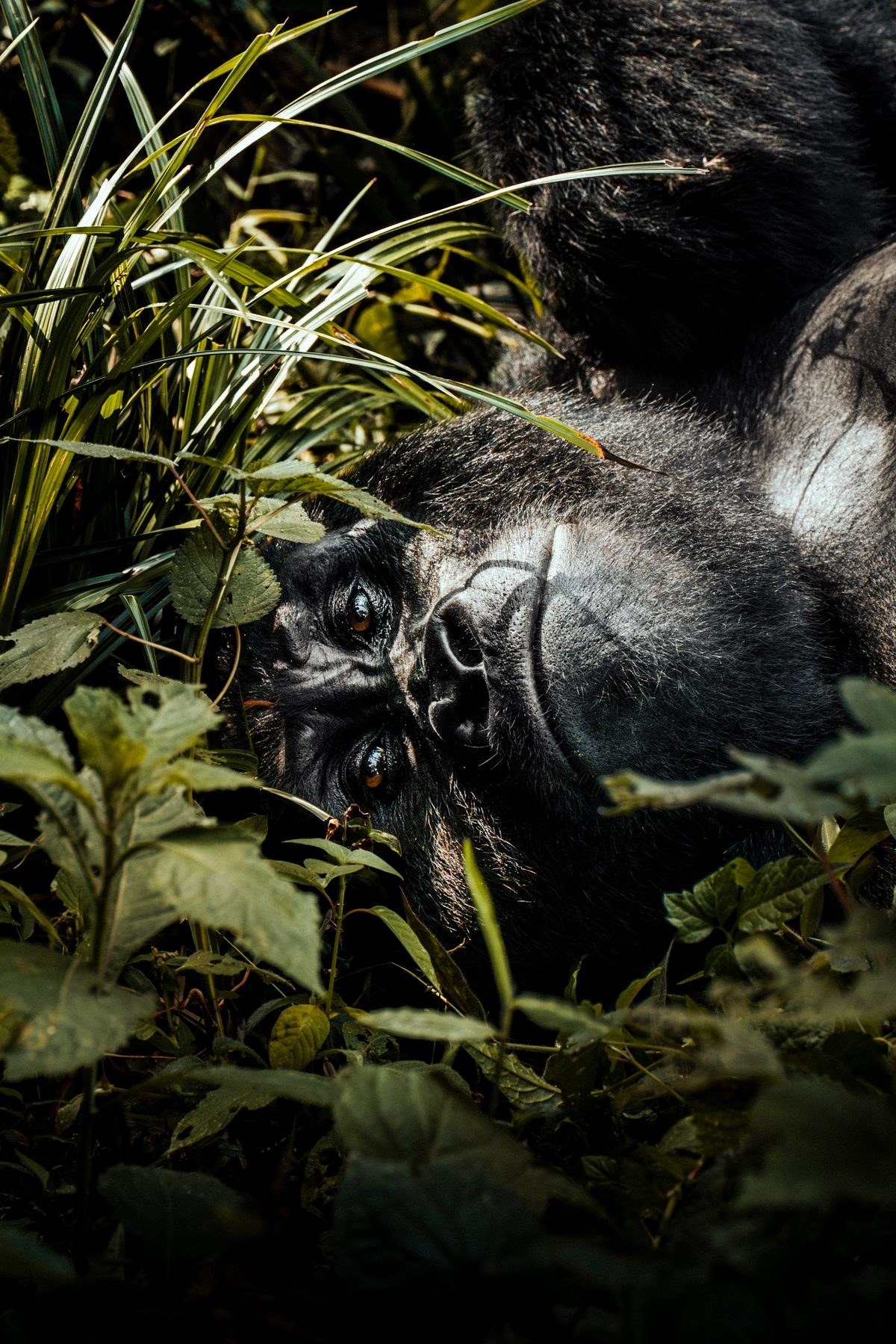
Silverback in the thicket, gazing into ancient eyes
Gorillas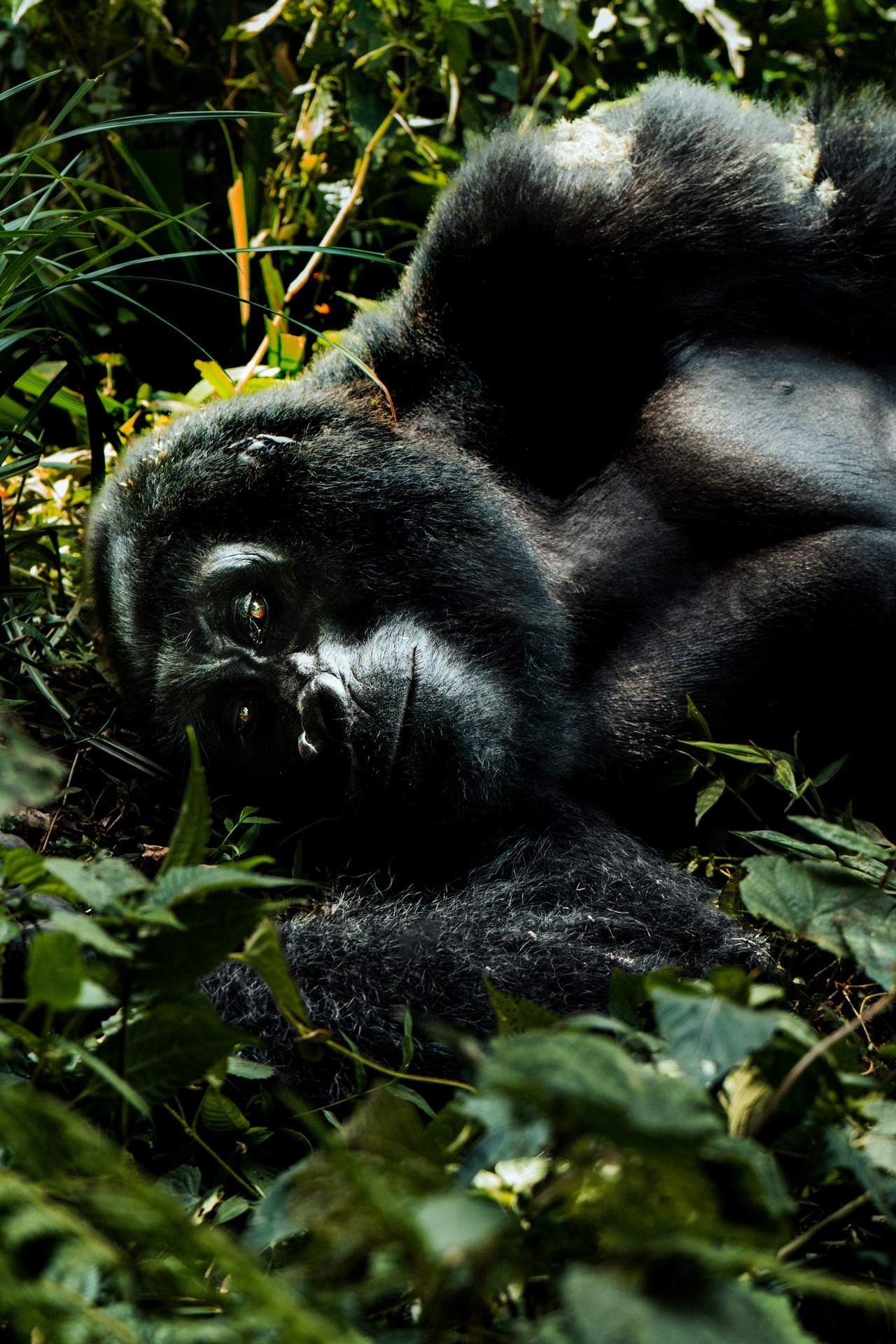
Silverback resting in Bwindi rainforest
Mountain Gorilla (Silverback)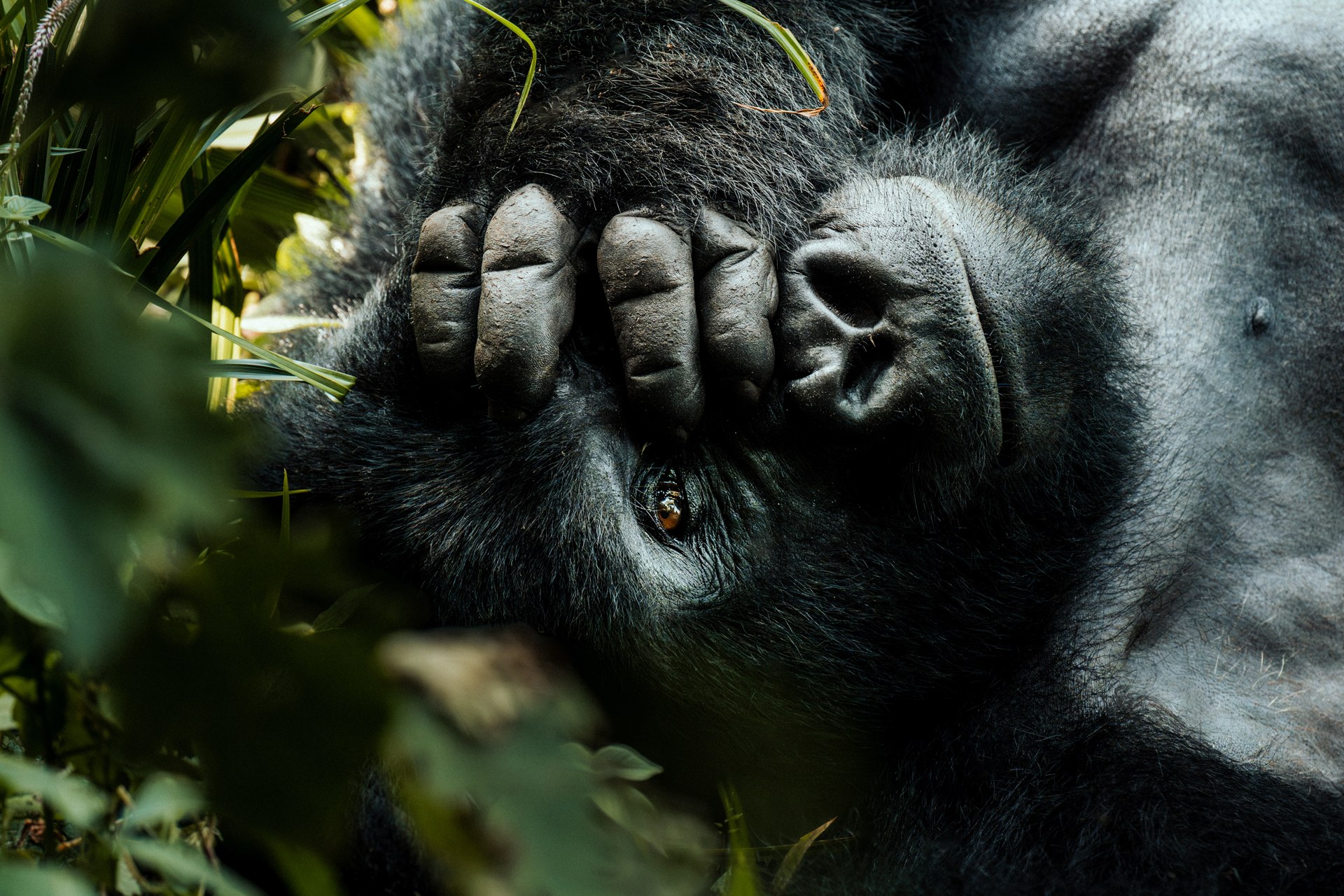
Gorilla covering its face with its hand
Mountain Gorilla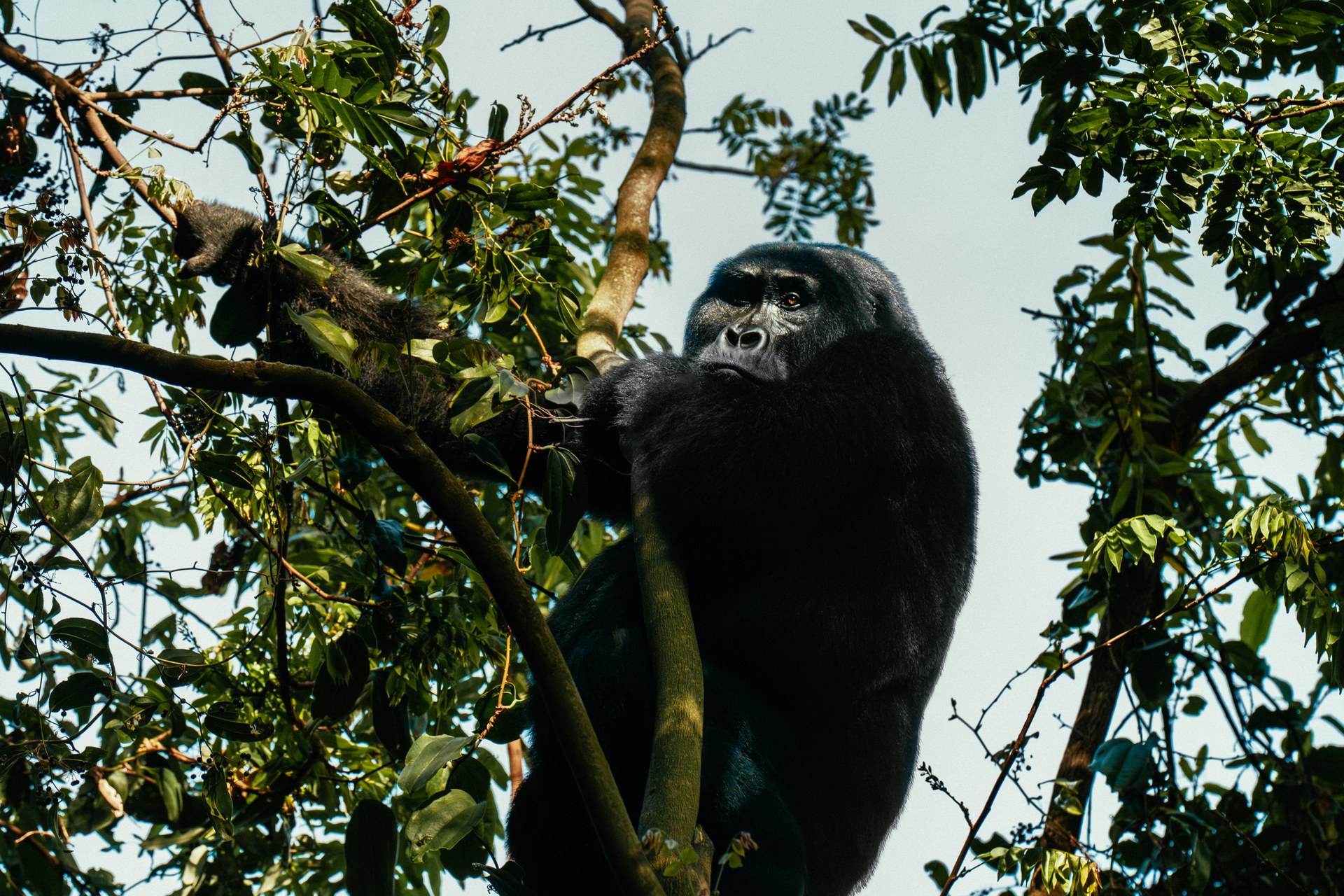
Silverback sitting majestically in Bwindi rainforest
Mountain Gorilla (Silverback)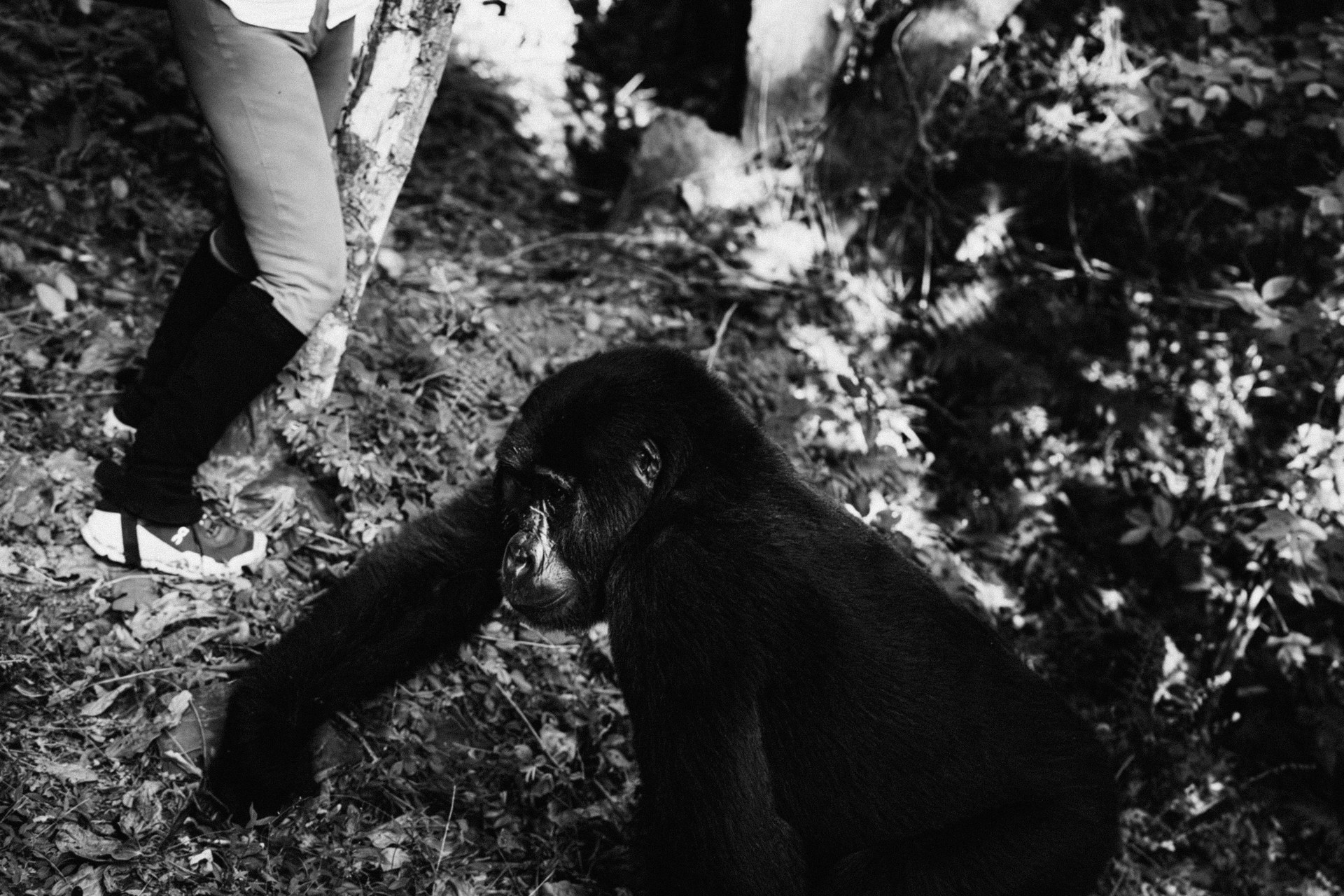
Young mountain gorilla on the forest floor in Bwindi
Mountain Gorilla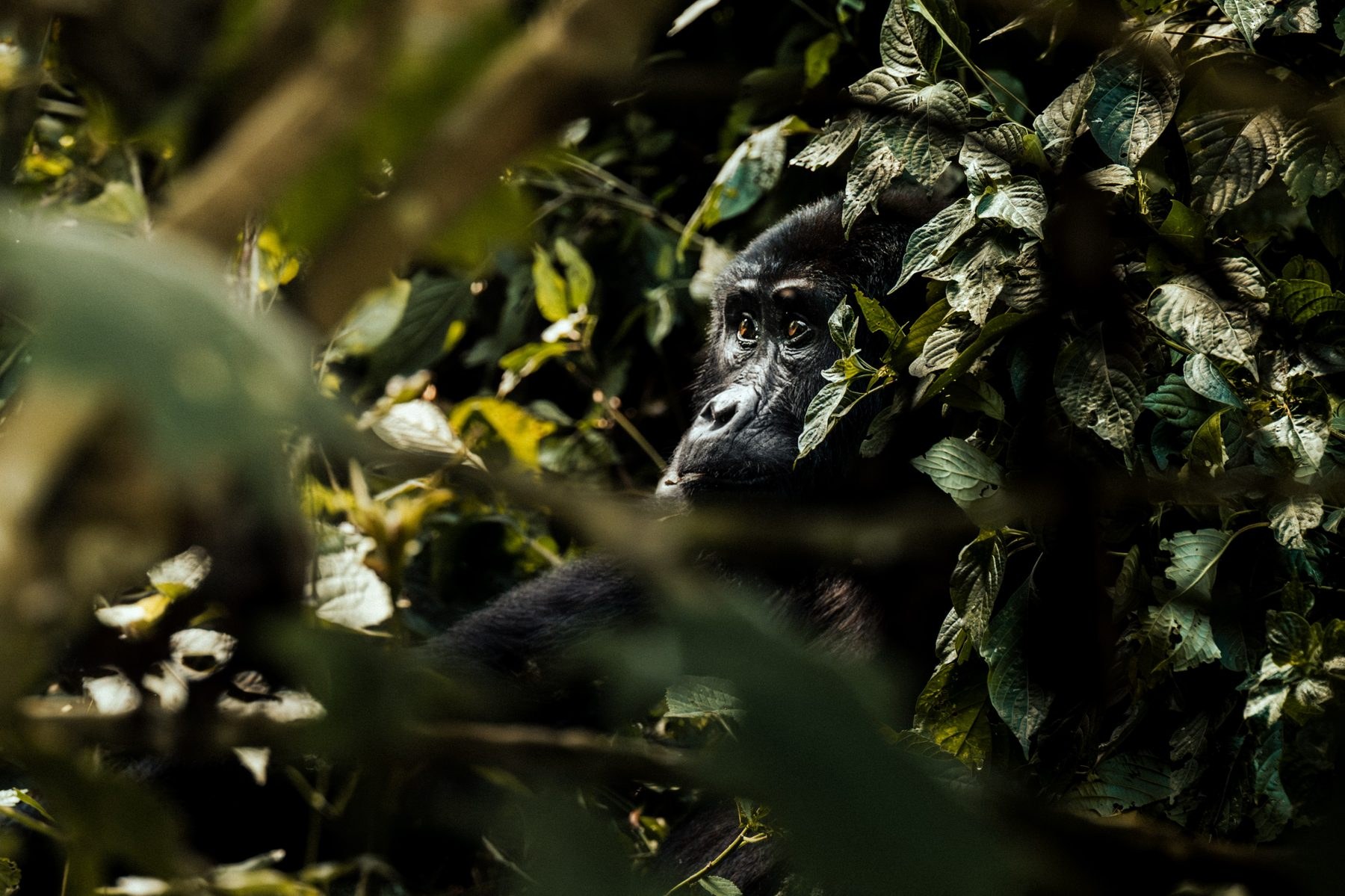
Gorilla in the thickets of Bwindi Impenetrable Forest
Mountain Gorilla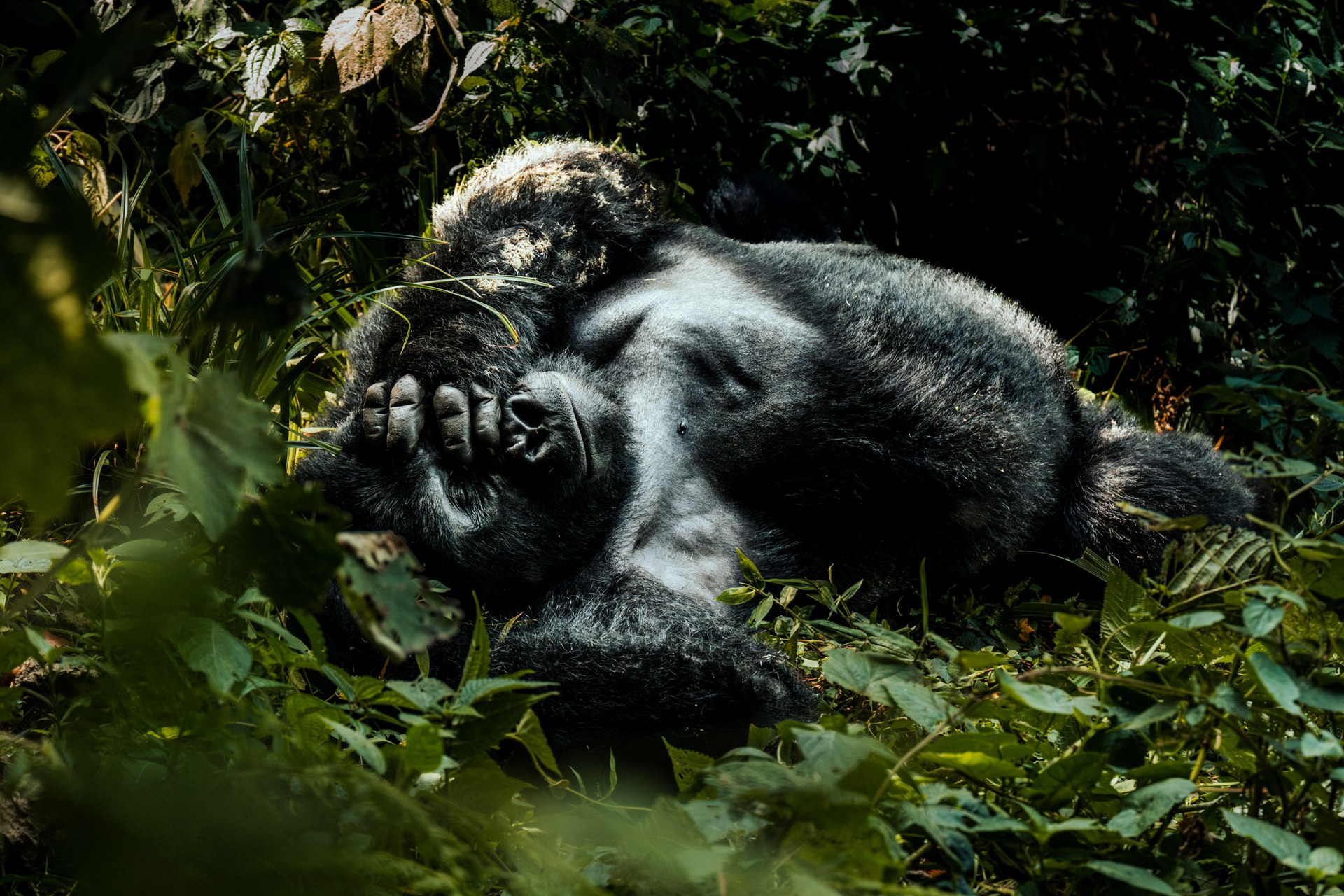
Silverback resting in the dense greenery of Bwindi
Mountain Gorilla (Silverback)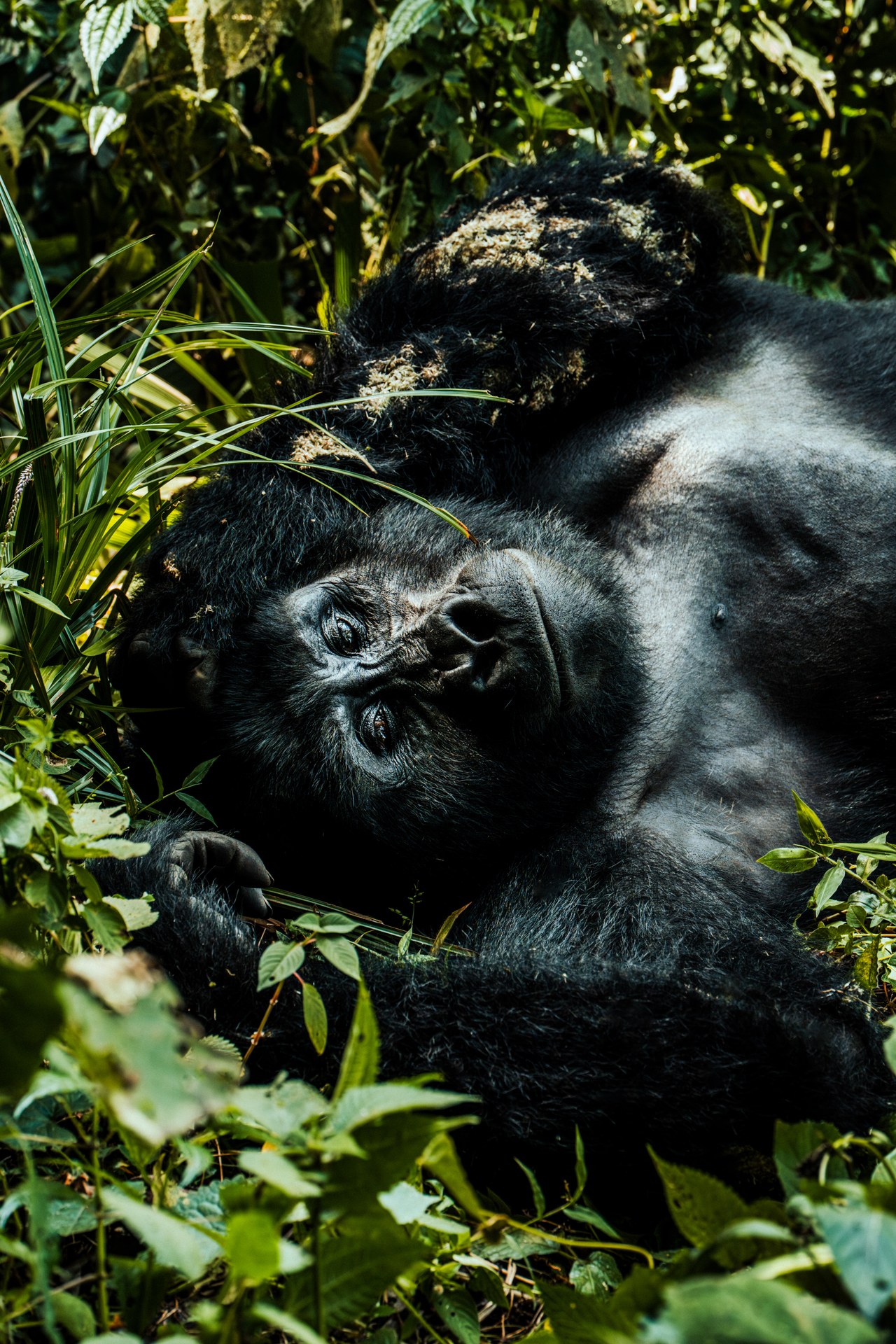
Silverback resting in the thickets of Bwindi forest
Mountain Gorilla (Silverback)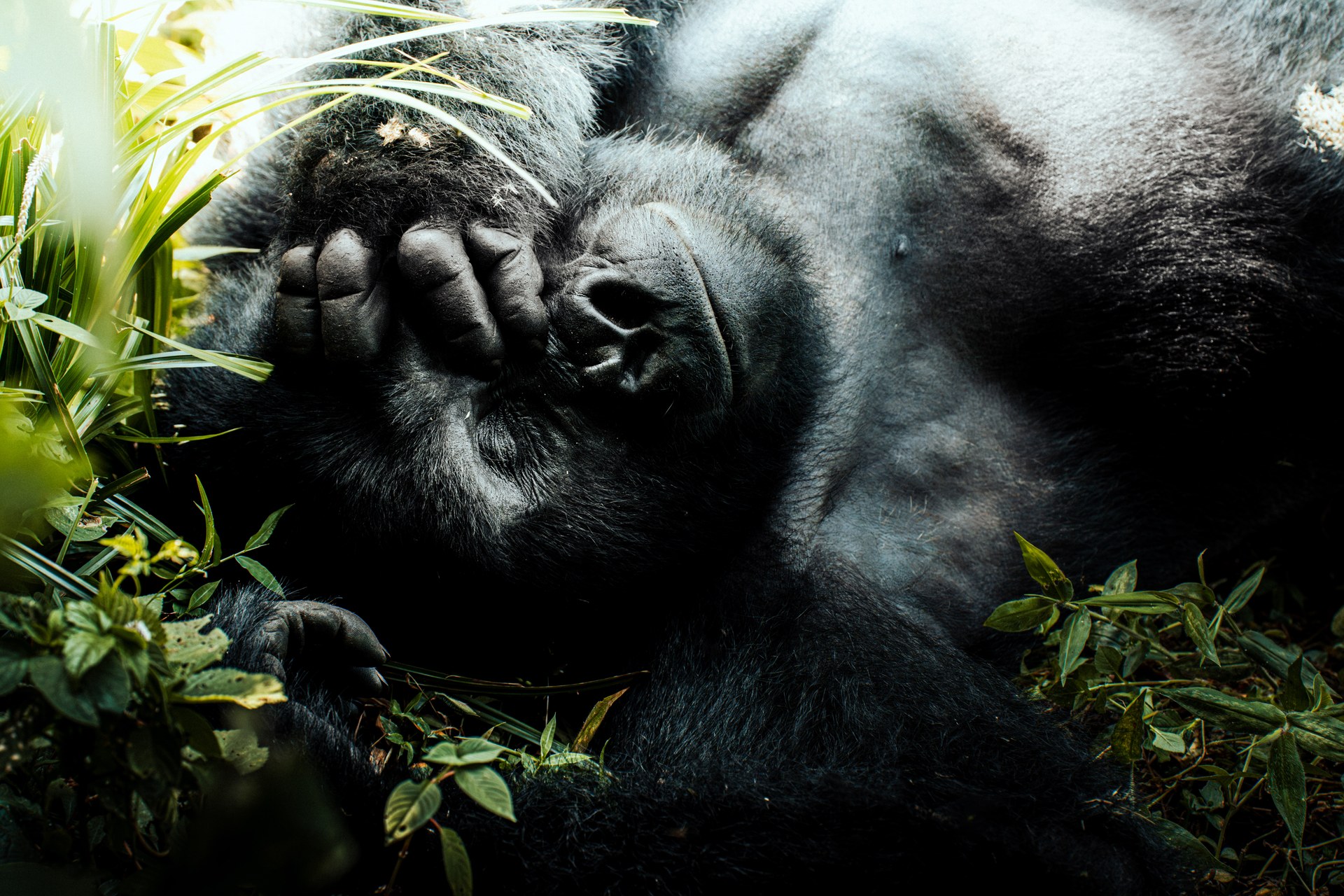
Silverback resting in Bwindi Impenetrable Forest
Mountain Gorilla